Complete 2027 Guide: Private Label Facial Body Mask Beauty Brands US Cost & MOQ Essentials
When US beauty brands look for a private label facial body mask beauty brands the us cost moq solution, the answer isn't just a number—it's a strategic balance between upfront investment and long-term scalability. In 2027, the smartest approach is to target a MOQ of 500–1,000 pieces per SKU, which keeps your initial cost per unit between $0.80 and $2.50 depending on formulation and packaging. This guide breaks down the cost drivers, MOQ flexibility, and actionable steps to launch your mask line with confidence.
Table of Contents
- Understanding the Cost and MOQ Landscape for Private Label Masks
- Why 2027 Is the Year to Rethink Your Mask Sourcing Strategy
- Cost Breakdown: What You're Really Paying For
- Practical Steps to Lock in the Best Cost and MOQ
- Real-World Success: How US Brands Are Winning with Low MOQs
- Frequently Asked Questions About Mask Sourcing
- Ready to Launch Your Mask Line? Let's Talk
Understanding the Cost and MOQ Landscape for Private Label Masks
For US-based beauty entrepreneurs, the biggest hurdle is often the fear of overcommitting inventory. The private label facial body mask beauty brands the us cost moq landscape has evolved dramatically: traditional MOQs of 5,000+ units are now obsolete for many suppliers. Today, flexible manufacturers like Flavor Sources offer tiered MOQs—as low as 500 pieces for sheet masks and 1,000 for jar masks—allowing you to test the market without breaking the bank.
Cost per unit varies widely: basic cotton sheet masks start around $0.40, while premium bio-cellulose or hydrogel masks can reach $2.00. Body masks, being larger and often thicker, typically cost 20–30% more per unit. Add in custom packaging, labeling, and compliance testing, and your total landed cost per unit might range from $1.50 to $4.00. The key is to align your MOQ with your sales forecast, not the other way around.
Why 2027 Is the Year to Rethink Your Mask Sourcing Strategy
The global face mask market is projected to grow at a CAGR of 8.5% through 2030, according to Grand View Research. This growth is fueled by self-care trends and the rise of multi-step routines. For US brands, this means increased competition—but also more supplier options. In 2027, the most successful brands are those that leverage low MOQ private label to launch limited editions and test formulas quickly.
Another shift is the emphasis on sustainability. US consumers now expect eco-friendly packaging and clean ingredients. This affects both cost and MOQ: sustainable materials like bamboo fiber or recyclable jars may increase unit costs by 10–15%, but they also justify a premium price. Suppliers that offer these options with flexible MOQs—like Flavor Sources' Facial & Body Mask line—are becoming the go-to partners for forward-thinking brands.
Cost Breakdown: What You're Really Paying For
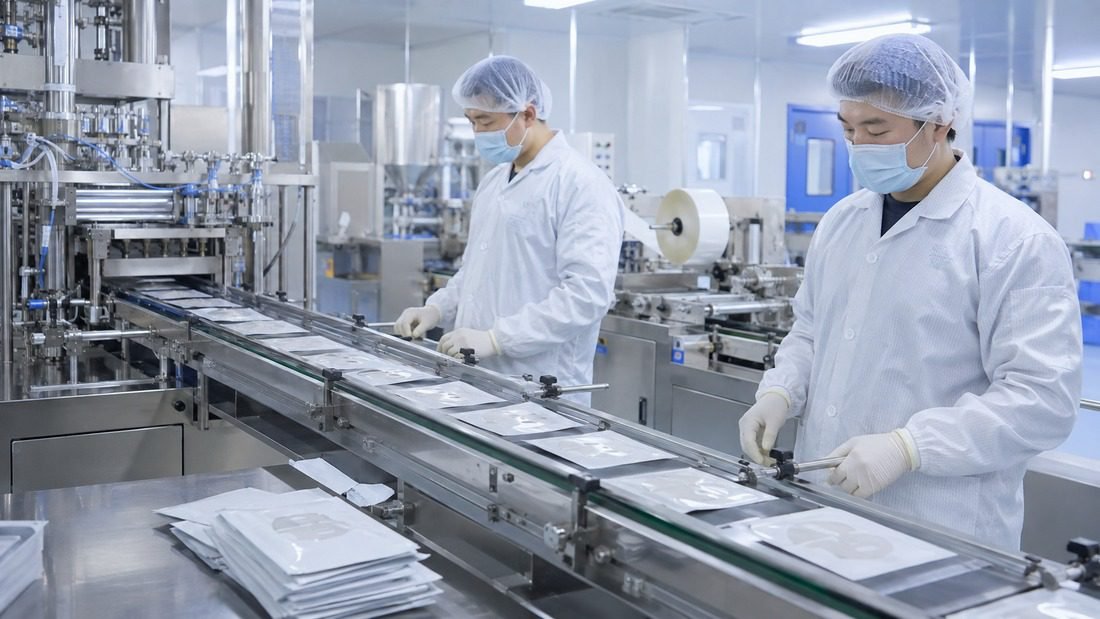
When you request a quote for private label facial body mask beauty brands the us cost moq, you'll see several line items. Here's a typical breakdown for a 1,000-unit order of premium sheet masks:
| Cost Component | Percentage of Total | Typical Range (USD) |
|---|---|---|
| Formulation & Raw Materials | 40–50% | $0.40–$1.00 per unit |
| Packaging & Labeling | 25–30% | $0.25–$0.60 per unit |
| Manufacturing & Labor | 15–20% | $0.15–$0.40 per unit |
| Compliance & Testing | 5–10% | $0.05–$0.20 per unit |
| Shipping & Logistics | 5–10% | $0.05–$0.20 per unit |
Note that formulation is the largest variable. If you choose a standard hyaluronic acid sheet mask, costs stay low. But if you want a proprietary blend with peptides or CBD, expect costs to double. Packaging also swings widely: a simple foil sachet is cheap, while a custom-shaped jar with a dropper adds $0.50 per unit. Always ask your supplier for a transparent cost breakdown—trusted OEMs will provide it.
Practical Steps to Lock in the Best Cost and MOQ
Here's a step-by-step playbook for US beauty brands:
- Define your product concept – Specify mask type (sheet, clay, gel), key ingredients, and target price point. This helps suppliers quote accurately.
- Request MOQ flexibility – Ask for tiered pricing: 500, 1,000, 2,500, and 5,000 units. You'll see that unit costs drop by 10–20% at each tier.
- Optimize packaging – Standard sizes and off-the-shelf components reduce costs and MOQ. Custom molds are expensive and usually require higher minimums.
- Bundle with other products – If you're also launching a serum or cleanser, combine orders to negotiate better overall terms. Check out our Serum and Cleanser & Toner lines for synergy.
- Plan for compliance early – US regulations like MoCRA require product listings and safety data. Factor in testing costs (typically $500–$1,500 per formulation) into your budget.
By following these steps, you can secure a private label facial body mask beauty brands the us cost moq that fits your startup budget while leaving room for growth.
Real-World Success: How US Brands Are Winning with Low MOQs
In the US, a skincare startup launched a line of organic sheet masks with a MOQ of just 500 units per SKU. They tested three variants—green tea, vitamin C, and collagen—and quickly identified the best-seller. Within six months, they scaled up to 5,000-unit orders and reduced their per-unit cost by 18%. Another US-based e-commerce seller focused on body masks with a unique coffee-infused formula. By leveraging a supplier's Sample Development service, they refined the texture and scent before committing to bulk production. Both brands avoided the pitfall of overstocking and built a loyal customer base through targeted marketing.
These examples highlight the power of flexible MOQs and strategic cost management. In 2027, the US market rewards agility—brands that can pivot quickly based on consumer feedback will outperform those locked into massive, rigid orders.
Frequently Asked Questions About Mask Sourcing
Q: What is the typical MOQ for private label facial and body masks?
A: Most flexible suppliers offer MOQs between 500 and 2,000 units per SKU. For sheet masks, 500 is common; for jar masks, 1,000 is typical. Some premium suppliers may have higher minimums, but many, like Flavor Sources, provide tiered options.
Q: How much does it cost to develop a custom mask formula?
A: Custom formulation fees range from $500 to $2,000, depending on complexity. This is often waived if you meet a certain order volume. Always ask about development costs upfront.
Q: Can I start with a small batch and reorder later?
A: Yes, most suppliers allow reorders with the same MOQ. However, unit costs may be higher for small batches. Planning a phased launch—starting with 500 units, then scaling—is a smart strategy.
Q: How long does production take?
A: After sample approval, bulk production typically takes 2–4 weeks. Add 2–3 weeks for shipping to the US. Factor in 4–6 weeks total for your launch timeline.
Q: What certifications do I need for the US market?
A: Under MoCRA, you must register your facility and list your products with the FDA. Your supplier should provide documentation like MSDS, allergen information, and stability tests. Ensure they comply with ISO 22716 for good manufacturing practices.
Q: How do I ensure quality control?
A: Request pre-shipment inspections and third-party testing. A reliable OEM will have in-house QC procedures. You can also ask for samples from the actual production batch before shipping.
 Scan to WhatsApp
About the Author
David Zhang has spent years in skincare formulation and quality control at Flavor Sources, a GMP ISO 22716-certified private label manufacturer based in Dongguan, China, serving brands in 50+ countries since 2000. Reach out to David's team for a custom formula consultation →
Ready to Launch Your Mask Line? Let's Talk
Now that you understand the cost and MOQ essentials, it's time to take action. Whether you're a startup or an established brand, Flavor Sources offers flexible MOQs, transparent pricing, and end-to-end support. Start by requesting a sample to test the quality firsthand—Request Sample—or get a tailored quote for your specific needs: Get a Quote. Our team is ready to help you navigate the 2027 landscape with confidence.