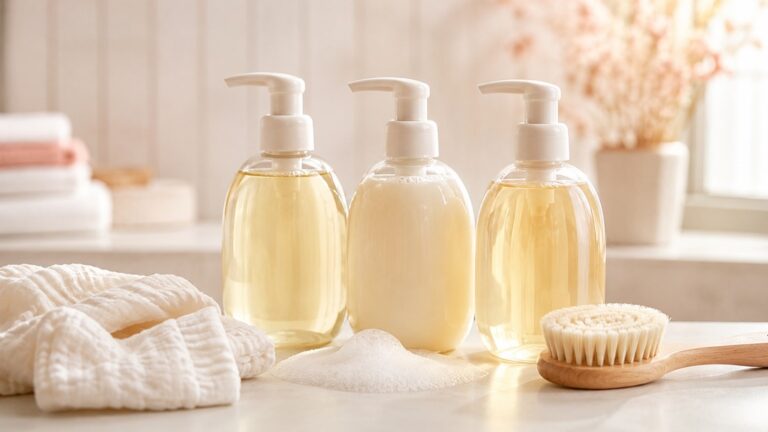

Essential Guide to Hair Care Packaging & Branding for Beauty Brands in 2026
In 2026, hair care packaging branding beauty brands will be defined by sustainability, personalization, and smart design. This guide offers a complete roadmap to help you navigate the evolving landscape. [TOC]
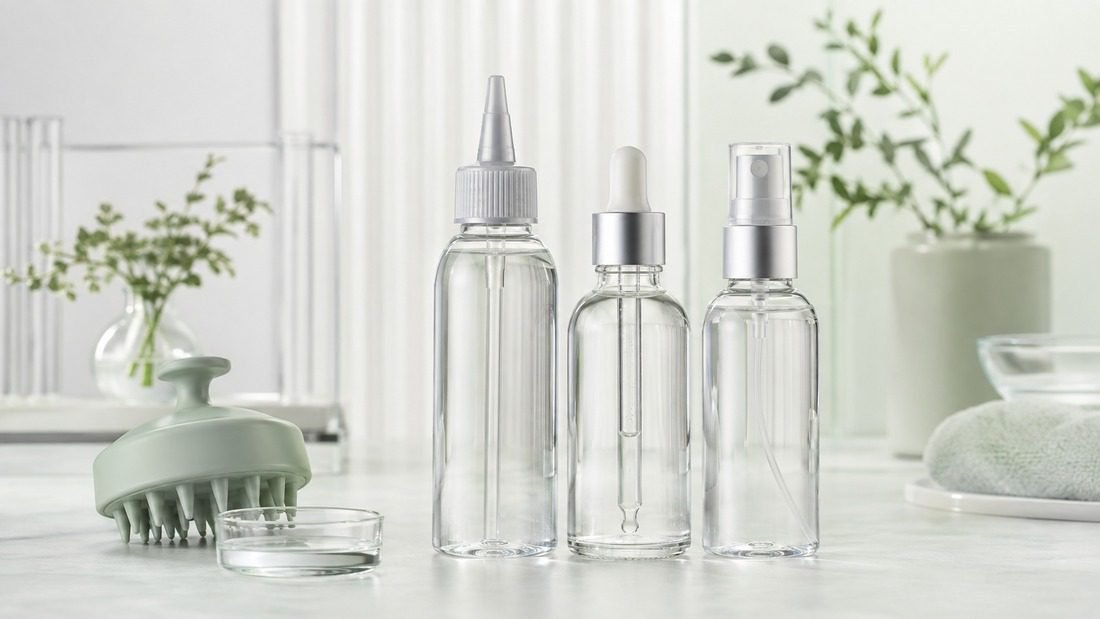
The Challenge: Why Hair Care Packaging & Branding Matters More Than Ever
The hair care market is booming, with consumers increasingly scrutinizing packaging as much as the formula inside. According to Grand View Research, the global hair care market is projected to reach over $100 billion by 2025, and packaging plays a pivotal role in purchasing decisions. For beauty brands, packaging is not just a container; it's a silent salesperson, a brand ambassador, and a key differentiator on crowded shelves. Yet many brands struggle to balance aesthetics, functionality, sustainability, and cost. This article provides a strategic framework to help you master hair care packaging branding beauty brands in 2026 and beyond.
Understanding the 2026 Consumer: What Drives Purchase Decisions?
Today's consumers are more informed and demanding than ever. They expect transparency, convenience, and environmental responsibility. A 2023 survey by Statista found that over 60% of consumers prefer brands that use sustainable packaging. But sustainability isn't the only factor. Design aesthetics, functionality (like pump dispensers), and refillable options also influence choices. Moreover, the rise of social media means packaging must be “Instagram-worthy” to generate organic buzz. For beauty brands, this means investing in hair care packaging design that tells a story and aligns with consumer values.

Key Elements of Effective Hair Care Packaging & Branding
Material Selection: Balancing Sustainability and Durability
Material choice is the foundation of any packaging strategy. In 2026, eco-friendly materials are non-negotiable. Options include:
- Recycled plastics (PCR) – reduces environmental footprint
- Glass – premium feel, infinitely recyclable
- Aluminum – lightweight, recyclable
- Bamboo or bioplastics – innovative and compostable
However, each material has trade-offs. Glass is heavy and fragile, while PCR may have slight color variations. A smart approach is to use mono-material packaging (e.g., all-PP) for easier recycling. Partnering with an experienced OEM/ODM like Flavor Sources can help you source the right materials for your product. Our Hair Care line offers customizable packaging solutions that meet both aesthetic and sustainability goals.
Design That Communicates Brand Identity
Your packaging design should reflect your brand's personality and values. Whether you're a luxury brand using minimalist glass bottles or a natural brand using earthy tones, consistency is key. Consider the following design elements:
- Color palette – evoke emotions and convey ingredient stories
- Typography – legible and aligned with brand voice
- Shape – unique silhouettes can stand out on shelf
- Surface finish – matte, gloss, or soft-touch textures
Remember, hair care packaging branding beauty brands is about creating a cohesive visual identity that resonates with your target audience. For inspiration, look at successful indie brands that have carved niches with distinctive packaging.
Functionality and User Experience
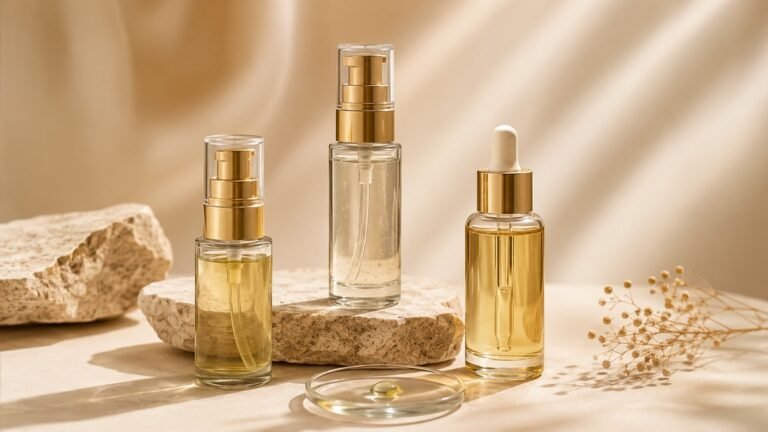
Packaging must be practical. For hair care products, pump bottles, airless dispensers, and easy-to-use caps are essential. Airless pumps protect sensitive formulas from oxidation and ensure every drop is used. They are particularly popular for serums and treatments. Additionally, consider travel-friendly sizes or refillable options to enhance convenience. A well-designed package can improve user experience and encourage repeat purchases. When developing your product, work with a partner that offers comprehensive Custom Formula and packaging services to ensure your product is both beautiful and functional.
Sustainability as a Core Value
Sustainability is no longer a trend; it's a requirement. In 2026, regulatory bodies like the EU and FDA are tightening packaging waste rules. Brands that ignore sustainability risk losing market share. Strategies include:
- Refillable packaging – reduces single-use waste
- Minimalist packaging – less material, lower carbon footprint
- Recyclable labels – avoid mixed materials
- Clear recycling instructions – educate consumers
By prioritizing sustainability, you not only comply with regulations but also build brand loyalty. Our Packaging Design service can help you implement eco-friendly solutions without compromising on quality.
Practical Tips for Implementing Your Packaging Strategy
Start with Market Research
Understand your target audience's preferences and pain points. Conduct surveys or analyze social media trends to identify what matters most to them—whether it's recyclability, aesthetics, or functionality. This data will guide your packaging decisions.
Collaborate with Experienced Partners
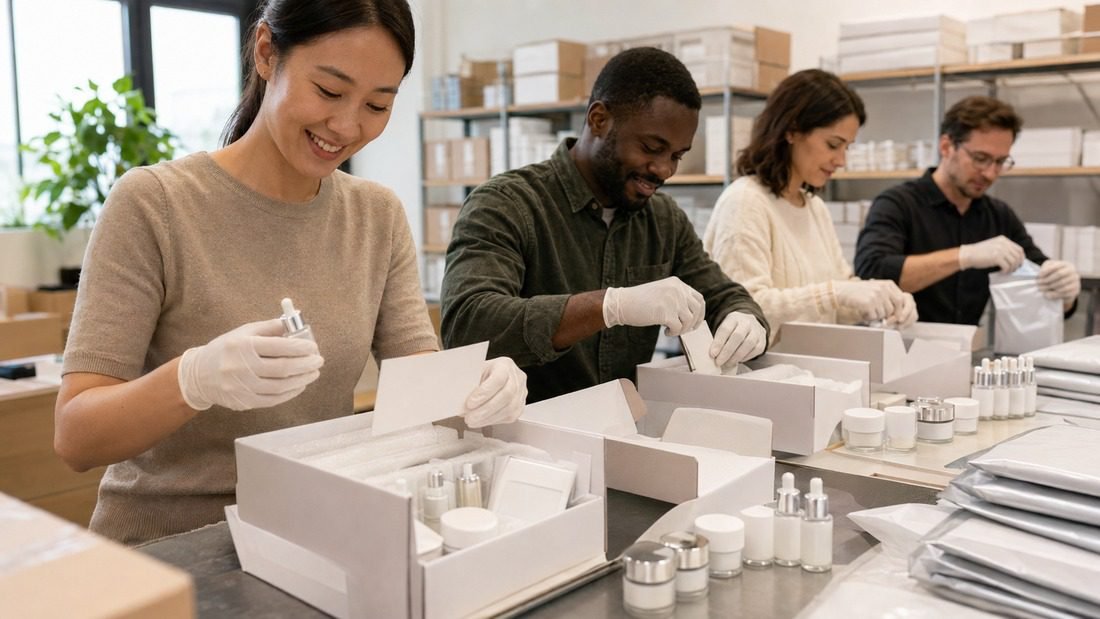
Working with an OEM/ODM like Flavor Sources can streamline the process. We offer end-to-end support from concept to production, including Bulk Production and Testing & Inspection. Our experts can advise on material selection, design feasibility, and cost optimization.
Test and Iterate
Before launching, create prototypes and gather feedback. This can be done through focus groups or beta testing. Pay attention to how consumers interact with the packaging—do they struggle to open it? Is the pump effective? Iterate based on feedback to refine your design.
Plan for Future Trends
Stay ahead by monitoring emerging trends like smart packaging (QR codes, NFC tags) and water-soluble materials. While not mainstream yet, these innovations can set your brand apart as a pioneer.
Case Studies: How Brands Are Winning with Packaging
UK: Premium Refillable Range
A UK-based haircare brand launched a refillable range using aluminum bottles and compostable refill pouches. This move reduced packaging waste by 70% and boosted customer loyalty. The brand's commitment to sustainability was highlighted in its marketing, resulting in a 30% increase in repeat purchases. By partnering with a manufacturer that offered Export Support, they scaled globally while maintaining consistent quality.
UAE: Luxury Airless Pump Design
A UAE beauty brand targeted the luxury segment with an airless pump bottle featuring a matte black finish and gold accents. The packaging conveyed premium quality, justifying a higher price point. The product became a bestseller in high-end retail stores, demonstrating that hair care packaging branding beauty brands can significantly impact perceived value.
Australia: Minimalist Eco-Friendly Approach
An Australian startup used glass bottles with bamboo caps and minimal labels. They emphasized the use of natural ingredients and recyclable materials. Their packaging resonated with eco-conscious consumers, leading to rapid growth in online sales. The brand's story was amplified through social media, with unboxing videos generating thousands of views.
FAQ
1. What are the most sustainable packaging materials for hair care?
Recycled plastics (PCR), glass, aluminum, and bioplastics are popular choices. Each has pros and cons; glass is premium but heavy, while PCR is lightweight but may have color variations. Consider mono-material packaging for easier recycling.
2. How can I make my hair care packaging stand out on shelves?
Focus on unique shapes, vibrant colors, and tactile finishes. Incorporate your brand story into the design. Also, ensure the packaging is functional—easy to use and dispense. A memorable unboxing experience can also create buzz.
3. What is the role of airless pumps in hair care packaging?
Airless pumps protect formulas from air and contaminants, extending shelf life. They are ideal for serums and treatments. They also allow precise dosing, reducing waste. However, they can be more expensive than standard pumps.
4. How can I ensure my packaging complies with international regulations?
Work with a manufacturer that understands international standards, such as EU CPSR and FDA MoCRA. They can guide you on labeling, material safety, and testing. Our Testing & Inspection service ensures compliance.
5. Can I use custom packaging for small orders?
Yes, many OEM/ODM manufacturers offer low minimum order quantities (MOQs) for custom packaging. Discuss your needs with your partner to find a cost-effective solution. Request Sample to see quality before committing.
6. How far in advance should I plan packaging production?
Ideally, start planning 3-6 months before launch. This allows time for design, prototyping, testing, and production. Rushing can lead to compromises in quality or sustainability.

 Scan to WhatsApp
About the Author
David Zhang has spent years in skincare formulation and quality control at Flavor Sources, a GMP ISO 22716-certified private label manufacturer based in Dongguan, China, serving brands in 50+ countries since 2000. Reach out to David's team for a custom formula consultation →
Ready to Elevate Your Hair Care Brand?
Navigating hair care packaging branding beauty brands in 2026 requires a strategic approach that balances aesthetics, functionality, and sustainability. At Flavor Sources, we specialize in helping beauty brands create impactful packaging that stands out. Whether you need custom bottles, airless pumps, or sustainable materials, our team is here to support you. Get a Quote today to discuss your project, or Request Sample to experience our quality firsthand. Let's build a packaging solution that your customers will love.