Hair Care vs Scalp Serum: The 2028 Packaging & Branding Comparison [Proven Guide]
When planning your 2028 product line, the choice between hair care vs scalp serum packaging branding is a strategic decision that impacts shelf appeal, user experience, and brand identity. In short, hair care products typically use larger bottles with pumps or flip caps, while scalp serums favor small dropper bottles that signal precision and efficacy. This guide compares both formats to help you choose the right path for your brand.
Table of Contents
- Why the Packaging & Branding Difference Matters
- Defining the Two Formats: Hair Care vs Scalp Serum
- Packaging Design: Key Differences and Considerations
- Branding Strategy: Positioning Your Product Line
- How to Choose the Right Format for Your Brand
- Real-World Examples: How Brands Are Winning in 2025-2028
- FAQ: Common Questions About Hair Care vs Scalp Serum Packaging
- Conclusion: Build a Winning Strategy for 2028
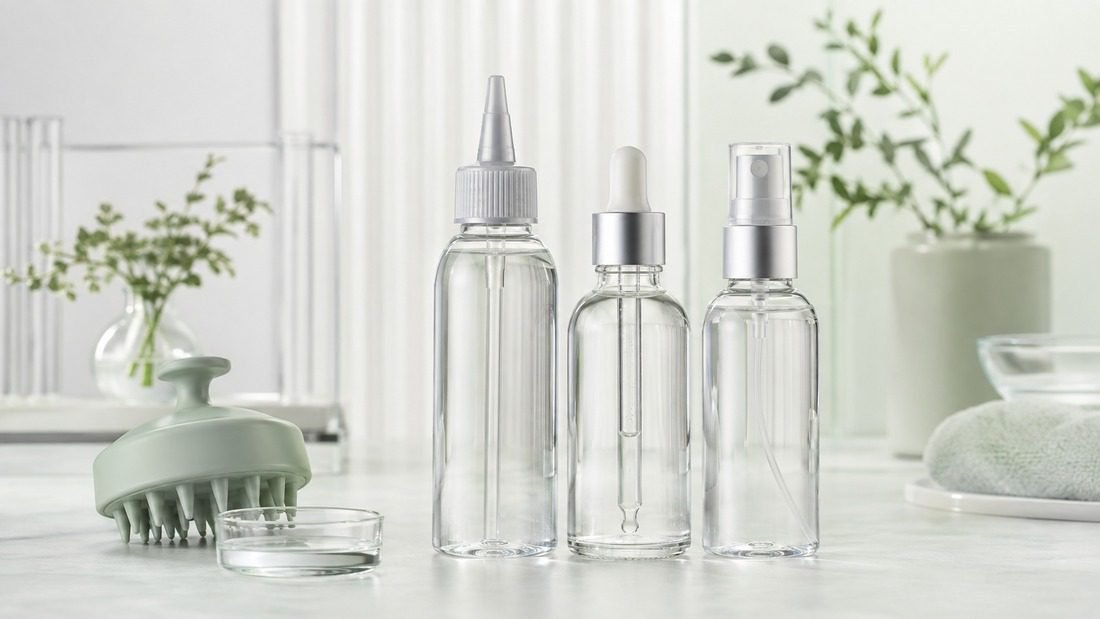
Why the Packaging & Branding Difference Matters
Consumers in 2028 are more ingredient-savvy and design-conscious than ever. They expect packaging that reflects the product's purpose: a shampoo bottle promises cleansing and volume, while a scalp serum bottle promises targeted treatment. The visual and tactile cues of your packaging directly influence perceived value and purchase intent.
For private label brands, getting this right is crucial. A well-designed package can elevate a simple formula into a premium experience, while a mismatch between format and branding can confuse buyers. This is why understanding hair care vs scalp serum packaging branding is essential for your product development strategy.
Defining the Two Formats: Hair Care vs Scalp Serum
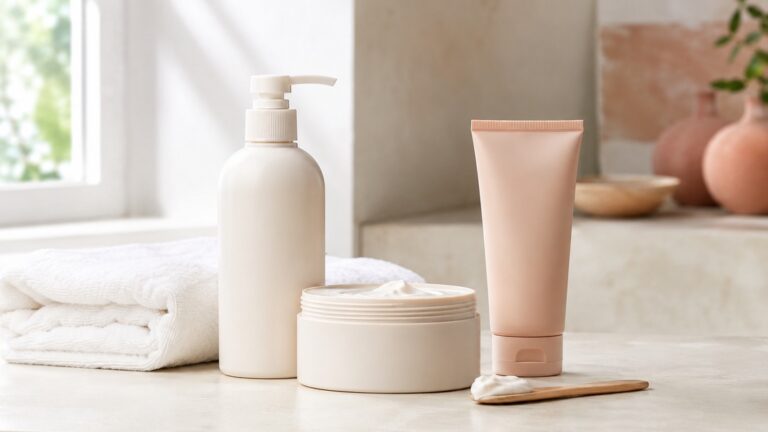
Hair care products include shampoos, conditioners, and treatments designed for cleansing, conditioning, and styling. They typically come in 200ml to 500ml bottles with wide mouths, pumps, or flip caps, emphasizing convenience and daily use.
Scalp serums, on the other hand, are concentrated treatments applied directly to the scalp. They are usually packaged in 30ml to 50ml dropper bottles or slim tubes, highlighting precision and active ingredients. This format difference is not arbitrary—it aligns with consumer expectations for treatment products.
| Feature | Hair Care (e.g., Shampoo) | Scalp Serum |
|---|---|---|
| Typical Volume | 200–500 ml | 30–50 ml |
| Primary Closure | Pump, flip cap | Dropper, pipette |
| Usage Frequency | Daily | 2–3 times weekly |
| Branding Focus | Lifestyle, volume, shine | Clinical, targeted, results |
| Perceived Value | Mass-market or premium | Premium, treatment-oriented |
This table highlights the core differences that should guide your packaging and branding decisions.
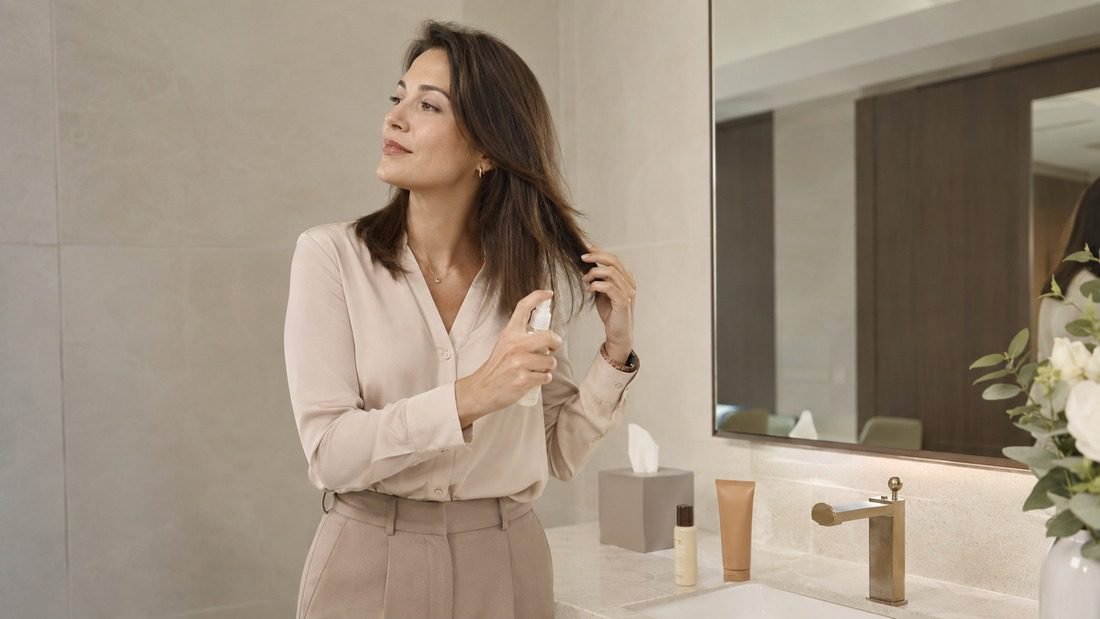
Packaging Design: Key Differences and Considerations
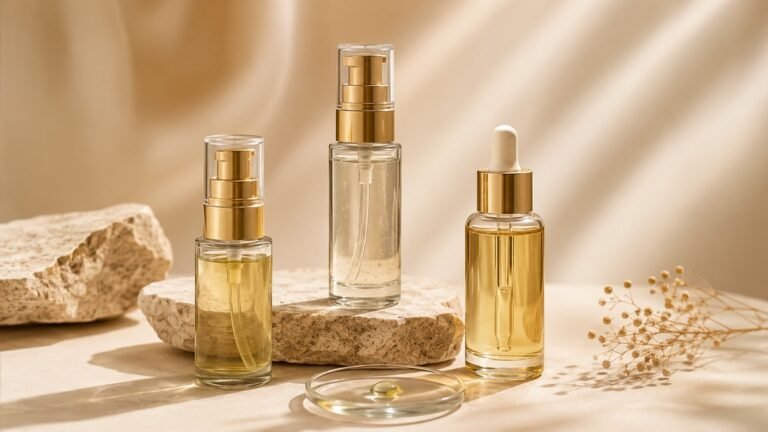
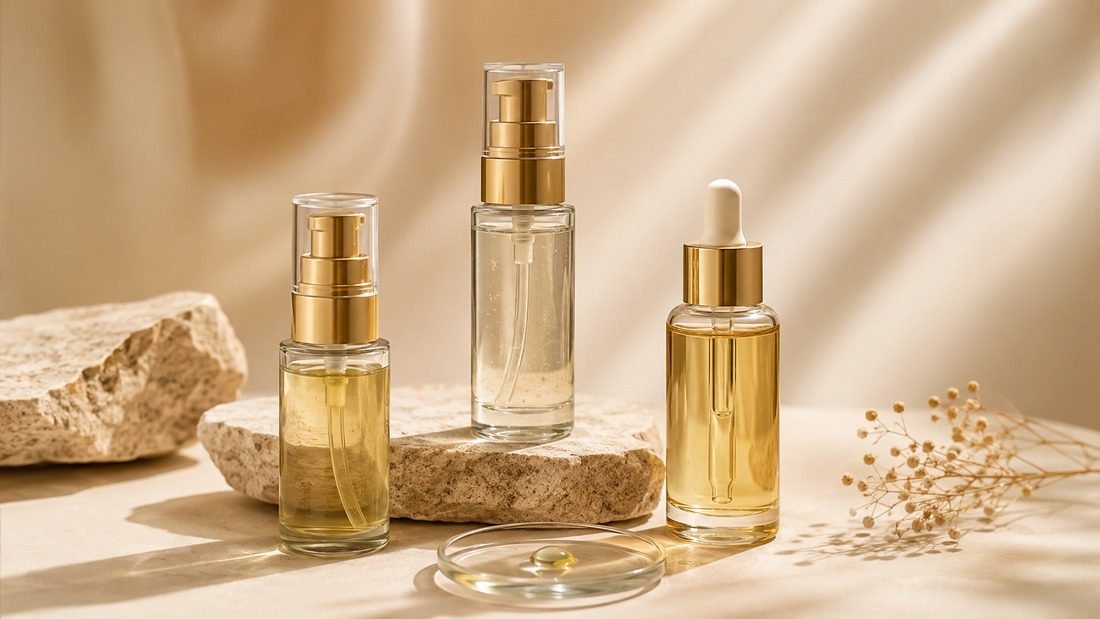
When comparing hair care vs scalp serum packaging branding, the physical design is your first opportunity to communicate value. For hair care, robust bottles with ergonomic grips and large labels allow for vibrant graphics and ingredient storytelling. For scalp serums, the dropper is a signature element that suggests precision and dosage control, often paired with amber or frosted glass to protect actives.
Material choice also matters. Hair care bottles often use PET or HDPE for durability and cost-effectiveness, while scalp serums may use glass for a premium feel. Consider your target market: if you're targeting eco-conscious consumers, recycled plastics or refillable options can be a differentiator.
Additionally, think about the unboxing experience. A scalp serum with a sleek box and a branded dropper feels like a clinical product, while a hair care line with a pump bottle and minimalistic label appeals to minimalist aesthetics. Both can be effective, but they speak to different consumer segments.
Branding Strategy: Positioning Your Product Line
Your branding should align with the format's inherent benefits. For hair care, focus on lifestyle imagery, hair health benefits, and daily rituals. Use bold typography and bright colors to stand out on crowded shelves. For scalp serums, adopt a more clinical tone: emphasize active ingredients, scientific claims (within compliance), and visible results. Use clean, minimal designs with serif fonts to convey expertise.
Consistency across your line is vital. If you offer both formats, ensure the visual identity is cohesive but distinct enough to avoid confusion. For example, use the same logo but different color palettes or iconography to differentiate the product categories.
Remember, your branding must comply with regional regulations. Avoid making therapeutic claims; instead, use phrases like “helps improve the appearance of scalp health” to stay within legal boundaries.
How to Choose the Right Format for Your Brand
Deciding between hair care and scalp serum depends on your brand positioning, target audience, and budget. If you're a startup with limited resources, starting with a scalp serum may be more cost-effective due to smaller batch sizes and lower packaging costs. Conversely, if you aim for mass-market appeal, hair care products offer higher volume potential but require more significant investment.
Consider your distribution channels. Scalp serums are ideal for e-commerce and boutique retail, where premium unboxing matters. Hair care products suit supermarkets and drugstores, where visibility and price point are key.
Also, analyze your competitors. If the market is saturated with shampoos, a scalp serum could give you a niche edge. Use market research to validate demand.
For a balanced approach, you can offer both formats as a complementary set, leveraging the strengths of each. This strategy allows you to capture different consumer needs and cross-sell.

Real-World Examples: How Brands Are Winning in 2025-2028
In the UK, a indie brand launched a scalp serum with a dropper bottle and minimalistic label, targeting the growing scalp health trend. They saw a 30% increase in online sales within six months, thanks to the premium unboxing experience. In the UAE, a private label company introduced a hair care line with refillable pump bottles, appealing to eco-conscious consumers and reducing packaging waste.
In the US, a salon-focused brand used airless pumps for their scalp treatments, emphasizing hygiene and precision, which resonated with professional stylists. Meanwhile, an Australian startup combined both formats: a shampoo in a large bottle and a matching scalp serum in a dropper, creating a cohesive system that boosted average order value.
These examples illustrate that format choice directly influences consumer perception and sales performance.
FAQ: Common Questions About Hair Care vs Scalp Serum Packaging
Q: Can I use the same packaging for both hair care and scalp serum?
A: Technically yes, but it's not recommended. The formats serve different purposes; using a dropper for shampoo would be impractical, and a pump for serum may waste product. Align the packaging with the product's usage.
Q: What are the regulatory considerations for packaging?
A: Ensure materials are food-grade if required, and comply with regional labeling laws (e.g., EU CPSR, FDA MoCRA). For export, verify that your packaging meets destination country standards.
Q: How does packaging affect shipping costs?
A: Glass bottles for serums are heavier and more fragile, increasing shipping costs. Consider lightweight alternatives like PET or use protective packaging to mitigate risks.
Q: What is the minimum order quantity for custom packaging?
A: It varies by supplier. At Flavor Sources, we offer flexible MOQs for both hair care and scalp serum packaging, depending on the complexity of design.
Q: How can I make my packaging more sustainable?
A: Use recyclable materials, minimize packaging layers, and consider refillable designs. These options are increasingly popular and can be a selling point.
Q: Can I get samples before committing to a large order?
A: Yes, we encourage requesting samples to evaluate the packaging and formulation. Visit our Request Sample page to get started.
Conclusion: Build a Winning Strategy for 2028
Choosing between hair care vs scalp serum packaging branding is not a one-size-fits-all decision. By understanding the differences in format, design, and branding, you can align your product line with consumer expectations and market trends. Whether you opt for the mass appeal of hair care or the targeted precision of scalp serum, the key is to ensure your packaging and branding tell a cohesive story.

 Scan to WhatsApp
About the Author
David Zhang has spent years in skincare formulation and quality control at Flavor Sources, a GMP ISO 22716-certified private label manufacturer based in Dongguan, China, serving brands in 50+ countries since 2000. Reach out to David's team for a custom formula consultation →
Ready to launch your 2028 line? Explore our Hair Care solutions or get a Get a Quote today to discuss your project with our experts. We also offer Packaging Design services to help you create a memorable brand experience. For more insights, check our Case Studies to see how other brands succeeded.