The Essential Cleanser & Toner Glossary for South Korea Buyers (2026): A Complete Guide
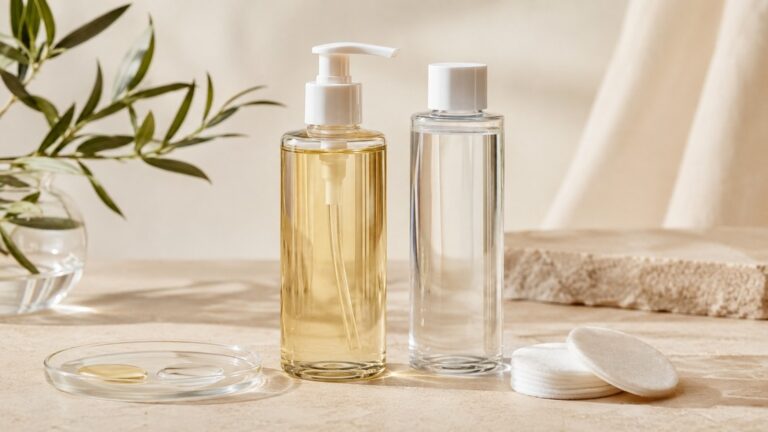
When sourcing cleanser toner glossary south korea essentials, you need a clear, practical reference. This guide delivers exactly that: a concise glossary of terms every buyer must know, structured for quick decision-making. We'll cover key ingredients, manufacturing processes, and compliance terms, all tailored to the South Korean market. By the end, you'll speak the language of suppliers fluently and avoid costly misunderstandings.
Table of Contents
- Why a Cleanser & Toner Glossary is Non-Negotiable for South Korea Sourcing
- Decoding the Core Terminology: From Surfactants to pH
- A Practical Comparison: Cleanser & Toner Manufacturing Terms
- Actionable Tips for Using This Cleanser Toner Glossary South Korea
- Real-World Scenarios: How Buyers Benefit
- Frequently Asked Questions
- Ready to Source with Confidence?
Why a Cleanser & Toner Glossary is Non-Negotiable for South Korea Sourcing
South Korea is a powerhouse in skincare innovation, but its technical vocabulary can be daunting. Misinterpreting a single term—like “pH balancing” or “surfactant”—can lead to product mismatches, compliance issues, or failed launches. This cleanser toner glossary south korea bridges that gap, translating industry jargon into actionable insights. Whether you're a startup or an established brand, mastering these terms ensures you specify the right formulations, negotiate effectively, and meet local regulatory standards. Without this knowledge, you risk partnering with suppliers who may not align with your vision, wasting time and resources.
Decoding the Core Terminology: From Surfactants to pH
Surfactants: The Cleaning Agents
Surfactants are the workhorses of any cleanser. They reduce surface tension, allowing water to mix with oils and dirt for effective removal. Common types include:
– Anionic surfactants (e.g., sodium lauryl sulfate) – strong cleansing, high foam
– Amphoteric surfactants (e.g., cocamidopropyl betaine) – milder, often used in gentle formulas
– Nonionic surfactants (e.g., decyl glucoside) – very mild, suitable for sensitive skin
Understanding the balance is crucial. In South Korea, consumer preference leans toward gentler, low-foam cleansers, so specifying the right surfactant type is vital.
pH Levels: The Skin's Natural Barrier
Skin's natural pH is around 4.5–5.5, slightly acidic. Cleansers and toners with pH levels outside this range can disrupt the skin barrier, leading to dryness or irritation. South Korean consumers are highly educated on pH, so products must clearly state their pH level. As a buyer, you should request pH specifications from suppliers and ensure they match your target market's expectations.
Toner Types: Hydrating vs. Exfoliating
Toners have evolved from astringent liquids to multifaceted essences. Key types include:
– Hydrating toners – focus on moisture, often containing hyaluronic acid or glycerin
– Exfoliating toners – contain AHAs/BHAs for chemical exfoliation
– Balancing toners – target oil control and pH restoration
Each type serves different skin needs, so your glossary must differentiate them clearly.
A Practical Comparison: Cleanser & Toner Manufacturing Terms
| Term | Definition | Why It Matters |
|---|---|---|
| pH adjuster | Ingredient that modifies product pH | Ensures skin compatibility |
| Micellar water | Cleanser with micelles that attract dirt and oil | Popular in K-beauty, requires no rinsing |
| Essence | Lightweight toner-like product with active ingredients | Often used interchangeably with toner in Korea |
| Low pH | pH between 4.5-5.5 | Mimics skin's natural acidity, reduces irritation |
| Waterless formula | No water in the base, often oil-based cleansers | Trend in eco-friendly, concentrated products |
This table summarizes critical distinctions. For instance, a “low pH” cleanser is a key selling point in South Korea, where consumers prioritize barrier health. Similarly, “micellar water” has seen explosive growth, so knowing its formulation nuances helps you source correctly.
Actionable Tips for Using This Cleanser Toner Glossary South Korea
To maximize this cleanser toner glossary south korea, follow these steps:
1. Create your own checklist: List the terms relevant to your product range. For example, if you're launching a gentle cleanser, prioritize surfactant and pH terms.
2. Communicate with suppliers: Use the glossary as a reference during discussions. Ask specific questions like “What is the pH range of your toner?” or “Which surfactants are used, and at what concentration?”
3. Validate claims: Cross-check supplier documentation against your glossary. If a supplier claims “low pH,” request the exact pH value.
4. Stay updated: The industry evolves rapidly. Bookmark this page and revisit it as new terms emerge.
For a deeper dive into product development, explore our Cleanser & Toner page, which outlines our capabilities.
Real-World Scenarios: How Buyers Benefit
Consider a UK-based brand launching a vegan cleanser line in South Korea. By using this glossary, they identified that “vegan” requires certification, and “low pH” is a key marketing point. They sourced a supplier who provided pH test results and vegan certificates, avoiding regulatory pitfalls. Similarly, a UAE distributor used the glossary to differentiate between hydrating and exfoliating toners, selecting products that catered to local humidity and consumer preferences. In Australia, a startup used the glossary to negotiate contract manufacturing terms, ensuring they specified “waterless formulas” to appeal to eco-conscious buyers. These examples illustrate how a clear understanding of terminology leads to successful sourcing strategies.
Frequently Asked Questions
Q: What is the most important term in this glossary?
A: “pH” is arguably the most critical, as it affects both product performance and consumer perception, especially in South Korea where low pH is a major trend.
Q: How do I verify a supplier's claims about pH?
A: Request the Certificate of Analysis (CoA) which includes pH test results. Alternatively, ask for third-party lab testing.
Q: Are these terms applicable to private label products?
A: Absolutely. When ordering private label cleansers or toners, you'll need to specify these parameters to ensure the final product meets your expectations.
Q: Can I use this glossary for other markets?
A: Yes, while tailored to South Korea, most terms are universal. However, always check local regulations and consumer preferences.
Q: What about compliance terms?
A: Terms like “CFM” (Complete Formula Management) or “PIF” (Product Information File) are crucial for EU markets, but in Korea, you'll encounter “K-REACH” and “Korea Cosmetic Act” regulations. Our Export Support can guide you.
Q: How often should I update my knowledge?
A: Annually, as ingredient trends and regulations change. Subscribe to industry newsletters or follow regulatory bodies like the Korea Ministry of Food and Drug Safety.

 Scan to WhatsApp
About the Author
David Zhang has spent years in skincare formulation and quality control at Flavor Sources, a GMP ISO 22716-certified private label manufacturer based in Dongguan, China, serving brands in 50+ countries since 2000. Reach out to David's team for a custom formula consultation →
Ready to Source with Confidence?
Now that you're equipped with the essential cleanser toner glossary south korea terms, take the next step. Request a sample to test formulations firsthand, or get a quote tailored to your project. Our team at Flavor Sources is ready to assist you in navigating the South Korean market. Visit our Cleanser & Toner page to explore our offerings, or request a sample today. For a comprehensive understanding of our process, check our production process page. Let's bring your vision to life.