The Complete 2027 Importers’ Checklist for Body Care Lead Time & Logistics Success
For importers, mastering body care lead time logistics importers is critical to avoid stockouts and ensure smooth market entry. This 2027 checklist provides a proven framework to streamline your supply chain. By understanding each phase—from sample development to final delivery—you can confidently plan your orders, reduce risks, and maintain reliable inventory levels. This guide distills essential steps and expert insights to help you navigate the complexities of international body care sourcing.
Table of Contents
- Why Body Care Lead Time & Logistics Are a Top Concern for Importers
- The Core Phases of Body Care Production Timeline
- Comparison Table: Lead Time by Shipping Method
- Practical Tips to Optimize Body Care Lead Time & Logistics
- Case Insights: How Importers in Key Markets Manage Lead Time
- FAQ: Body Care Lead Time & Logistics for Importers
- 1. What is the typical lead time for body care manufacturing?
- 2. How can I reduce body care sample development time?
- 3. What documents are needed for body care export shipping?
- 4. How do I choose between sea and air freight for body care?
- 5. What are common delays in body care logistics?
- 6. How can I ensure my body care products comply with local regulations?
- Ready to Streamline Your Body Care Sourcing?
Why Body Care Lead Time & Logistics Are a Top Concern for Importers
Importers of body care products face unique challenges: long production cycles, complex regulations, and volatile shipping conditions. Unlike other consumer goods, skincare and body care involve stringent quality checks, stability testing, and compliance documentation. A delay at any stage can cascade into missed sales seasons or expired stock. Therefore, a clear understanding of the body care production timeline is not just operational—it's strategic. This article defines the key milestones and offers actionable advice to keep your supply chain resilient.
The Core Phases of Body Care Production Timeline
Phase 1: Sample Development and Approval
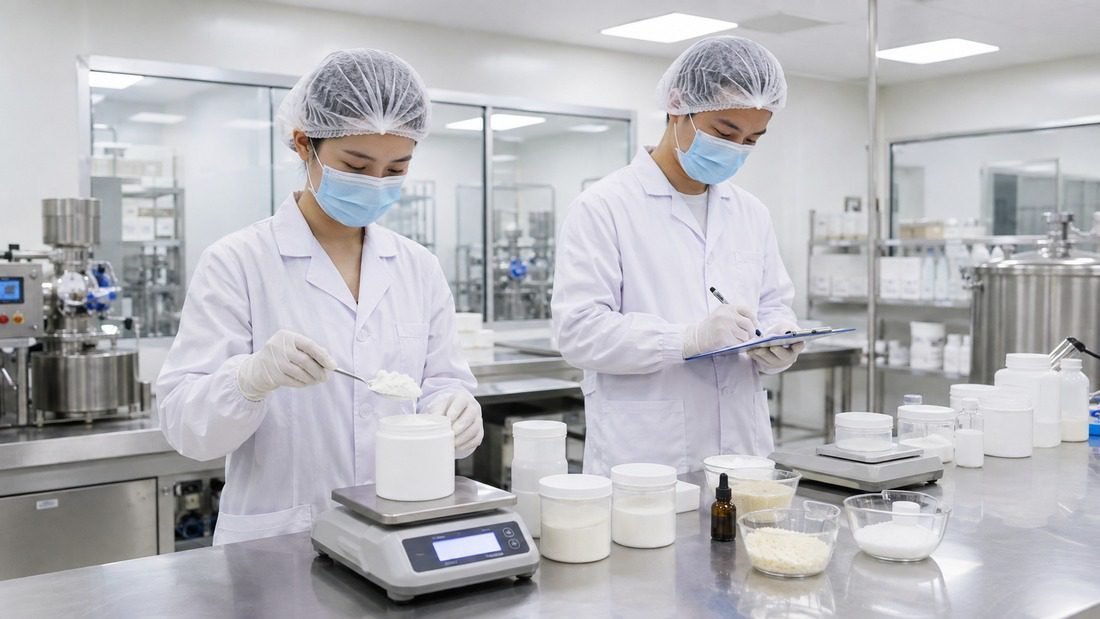
Sample development is the foundation of your order. At this stage, you collaborate with your manufacturer to finalize the formula, texture, fragrance, and packaging. For body care, this typically takes 7–15 days for initial samples, with additional iterations if revisions are needed. Importers should factor in courier time for sample delivery, which can add 3–7 days internationally. Rushing this phase often leads to costly mistakes later. Use this time to confirm all specifications and ensure the sample meets your market's regulatory standards.
Phase 2: Bulk Production and Quality Control
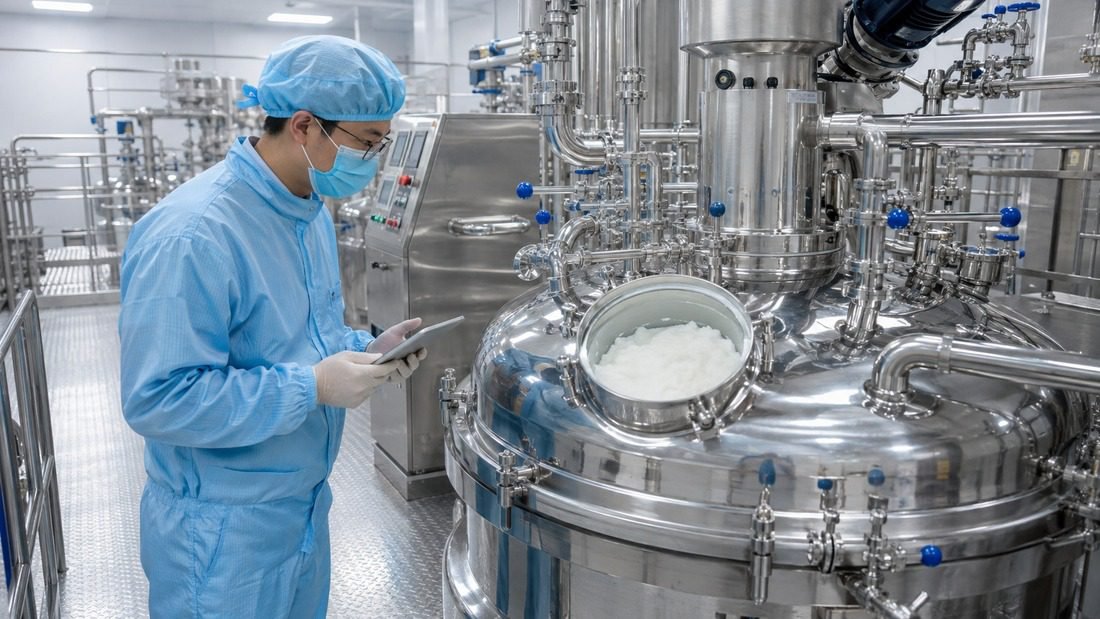
Once samples are approved, bulk production begins. The body care production timeline for a standard order (e.g., 10,000 units) ranges from 25 to 45 days, depending on formula complexity and packaging availability. During this phase, raw materials are sourced, batches are mixed, filled, and packed. Quality control checks occur at multiple points: raw material inspection, in-process checks, and final product testing. Importers should request a production schedule and regular updates to monitor progress and address any bottlenecks early.
Phase 3: Export Documentation and Compliance
Before shipping, your manufacturer must prepare export documents, including Commercial Invoice, Packing List, Certificate of Origin, and MSDS. For body care, additional compliance documents like CPSR (EU) or MoCRA (US) may be required. This phase can take 5–10 days. Importers must ensure all paperwork is accurate to avoid customs delays. A trusted partner will handle this seamlessly, but you should still verify the documents before dispatch.
Phase 4: International Freight and Delivery
The final phase is shipping. Sea freight is cost-effective but slow (20–40 days), while air freight is faster (5–10 days) but pricier. For body care, consider the product's shelf life and your inventory needs. Work with a freight forwarder experienced in skincare to manage customs clearance and last-mile delivery. Always account for potential port congestion or weather delays. A well-planned logistics strategy ensures your products arrive on time and in perfect condition.
Comparison Table: Lead Time by Shipping Method
| Shipping Method | Transit Time (Days) | Cost Level | Best For |
|---|---|---|---|
| Sea Freight (FCL) | 20–40 | Low | Large orders, non-urgent |
| Sea Freight (LCL) | 25–45 | Medium | Small to medium orders |
| Air Freight | 5–10 | High | Urgent, high-value products |
| Express Courier | 3–7 | Very High | Samples, small batches |
Practical Tips to Optimize Body Care Lead Time & Logistics
Tip 1: Plan Ahead and Communicate
Start your sourcing process at least 4–6 months before you need the stock. Share your target launch date with your manufacturer and agree on a realistic timeline. Regular communication via weekly calls or emails keeps everyone aligned. Use a shared project management tool to track milestones and flag delays immediately.
Tip 2: Choose the Right Manufacturing Partner
Not all manufacturers are created equal. Look for one with experience in your target market and a proven track record in body care. A partner with in-house R&D, quality control, and export support can significantly reduce lead times. For example, Body Care manufacturers like Flavor Sources offer end-to-end services, from Sample Development to Export Support, ensuring a smoother process.
Tip 3: Leverage Incoterms Wisely
Incoterms define who is responsible for costs and risks at each stage. For importers, FOB (Free On Board) is common, but DDP (Delivered Duty Paid) can simplify logistics at a higher cost. Understand the trade-offs and negotiate terms that suit your risk tolerance and cash flow. A clear Incoterms agreement prevents disputes and unexpected charges.
Tip 4: Prepare for Customs and Regulatory Hurdles
Each country has unique import regulations for cosmetics. In the EU, products require a Cosmetic Product Safety Report (CPSR). In the US, the FDA's MoCRA imposes facility registration and product listing. Work with your manufacturer to ensure all documentation is in order. Consider hiring a customs broker to navigate complex rules and avoid delays. For more details, refer to the FDA's MoCRA page.
Tip 5: Build Buffer Time into Your Schedule
Even with careful planning, unforeseen issues can arise. Build a 10–15% buffer into your lead time to absorb potential delays. This is especially important for first-time orders or during peak seasons like Q4. A buffer protects your launch date and reduces stress.
Case Insights: How Importers in Key Markets Manage Lead Time
United Kingdom
A UK-based beauty distributor placed a large order for body care products in early 2026. By collaborating closely with their manufacturer and using sea freight, they achieved a total lead time of 60 days from sample approval to delivery. Key to their success was early engagement and pre-approval of compliance documents.
United Arab Emirates
An importer in the UAE needed products quickly for a Ramadan promotion. They opted for air freight, reducing transit time to 8 days. Despite higher costs, the speed allowed them to capitalize on seasonal demand. They also worked with a manufacturer experienced in GCC regulations, avoiding customs delays.
United States
A US e-commerce seller sourced body care from a Chinese manufacturer. By choosing a partner with US FDA registration and MoCRA compliance, they streamlined customs clearance. Their total lead time was 75 days, including 30 days of sea freight. They used the buffer to run a pre-launch marketing campaign.
Australia
An Australian spa chain ordered custom body care products. They prioritized sample development, investing 20 days to perfect the formula. Bulk production took 40 days, and sea freight added 25 days. The total lead time was 85 days, but the high-quality product led to repeat orders.
FAQ: Body Care Lead Time & Logistics for Importers
1. What is the typical lead time for body care manufacturing?
From sample approval to delivery, expect 60–90 days for sea freight and 30–45 days for air freight. This includes production (25–45 days), documentation (5–10 days), and transit (20–40 days sea, 5–10 days air).
2. How can I reduce body care sample development time?
Provide clear specifications upfront, including formula, packaging, and regulatory requirements. Choose a manufacturer with in-house R&D to speed up iterations. Typically, sample development takes 7–15 days.
3. What documents are needed for body care export shipping?
Essential documents include Commercial Invoice, Packing List, Bill of Lading, Certificate of Origin, MSDS, and compliance certificates like CPSR or MoCRA. Your manufacturer should provide these.
4. How do I choose between sea and air freight for body care?
Consider urgency, cost, and volume. Sea freight is cost-effective for large orders but slower. Air freight is faster but pricier. For high-value or seasonal products, air freight may be worth it.
5. What are common delays in body care logistics?
Common delays include raw material shortages, quality issues, customs inspections, and port congestion. Building buffer time and working with experienced partners can mitigate these risks.
6. How can I ensure my body care products comply with local regulations?
Work with a manufacturer familiar with your target market's regulations. They can provide necessary documentation and guide you through compliance. For the US, ensure MoCRA compliance; for the EU, a CPSR is mandatory.

 Scan to WhatsApp
About the Author
David Zhang has spent years in skincare formulation and quality control at Flavor Sources, a GMP ISO 22716-certified private label manufacturer based in Dongguan, China, serving brands in 50+ countries since 2000. Reach out to David's team for a custom formula consultation →
Ready to Streamline Your Body Care Sourcing?
Don't let lead time and logistics challenges hold your business back. Partner with a reliable manufacturer who understands the intricacies of body care production and export. Flavor Sources offers end-to-end OEM/ODM services, from custom formula development to global shipping. To experience our quality firsthand, request a free sample today. For a tailored quote and timeline, get a quote now. Let us help you bring your body care line to market efficiently and confidently.