Cream Lotion vs Gel Moisturizer Compliance Certification: The Complete 2028 Guide for Smart Brands
Cream Lotion vs Gel Moisturizer Compliance Certification: What You Need to Know for 2028
If you are planning a 2028 moisturizer line, the short answer is this: cream lotion vs gel moisturizer compliance certification differs mainly in preservative systems, stability testing scope, and documentation depth. Creams and lotions typically need broader microbial and emulsion stability data, while gels often need tighter pH and viscosity controls. Both require CPSR, safety assessment, and export documentation.
Table of Contents
- Cream Lotion vs Gel Moisturizer Compliance Certification: What You Need to Know for 2028
- Why Moisturizer Format Choice Is a Compliance Decision
- Core Compliance Requirements: Cream, Lotion, and Gel Compared
- Certification Pathways by Market
- Practical Steps to Certify Your Moisturizer Line
- Case Examples: How Format Choice Affects Timelines
- FAQ: Cream Lotion vs Gel Moisturizer Compliance Certification
- Is gel moisturizer easier to certify than cream or lotion?
- Does FDA MoCRA treat cream, lotion, and gel differently?
- How long does CPSR take for a cream versus a gel?
- Can I use one stability test for multiple formats?
- What documents should I prepare for 2028 export markets?
- How do I choose a manufacturer for compliant moisturizers?
- Ready to Build a Compliant 2028 Moisturizer Line?
Why Moisturizer Format Choice Is a Compliance Decision
Most brands treat format as a marketing choice. In reality, it shapes your entire regulatory pathway. A rich cream and a lightweight gel can share a shelf, but they rarely share the same test plan.
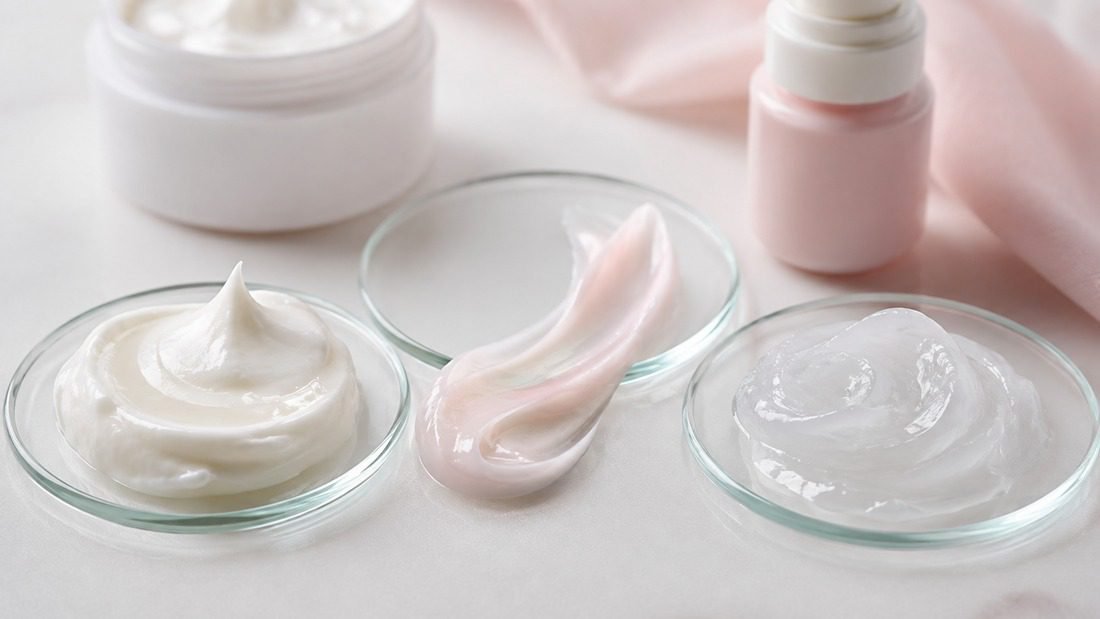
Emulsion-based formats like cream and lotion contain water and oil phases. That two-phase structure creates more variables: emulsifier stability, preservative efficacy, and phase separation risk. Gel formats are usually water-based or hydro-alcoholic, which changes microbial risk and packaging compatibility.
For a 2028 launch, regulators in the EU, US, UK, and Gulf markets are tightening documentation expectations. Choosing a format without mapping its certification path can add months to your timeline.
Core Compliance Requirements: Cream, Lotion, and Gel Compared
Before comparing formats, define the key terms. A Cosmetic Product Safety Report (CPSR) is the EU's mandatory safety dossier. FDA MoCRA registration refers to US facility and product listing under the Modernization of Cosmetics Regulation Act. Stability testing evaluates how a formula holds up over time under heat, light, and humidity.
Format Comparison Table
| Compliance Area | Cream | Lotion | Gel Moisturizer |
|---|---|---|---|
| Base structure | Oil-in-water or water-in-oil emulsion | Lighter emulsion | Water-based or aqueous gel |
| Preservative challenge | High risk, full challenge test | High risk, full challenge test | Moderate to high, depends on water activity |
| Stability testing | Emulsion stability + viscosity | Emulsion stability + viscosity | pH, viscosity, syneresis |
| EU CPSR complexity | High | High | Moderate |
| FDA MoCRA listing | Required | Required | Required |
| Packaging compatibility | Jar, tube, airless | Bottle, tube, pump | Jar, tube, pump |
| Typical lead time | 10–14 weeks | 10–14 weeks | 8–12 weeks |
What the Table Means for Your 2028 Line
Creams and lotions carry more emulsion-related risk, so your testing budget should reflect that. Gels look simpler, but they are not automatically easier. A gel with high water content and low preservative support can fail microbial challenge testing.
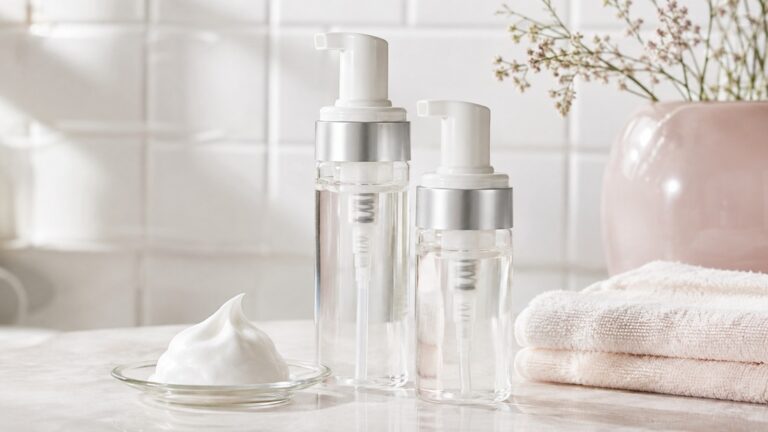
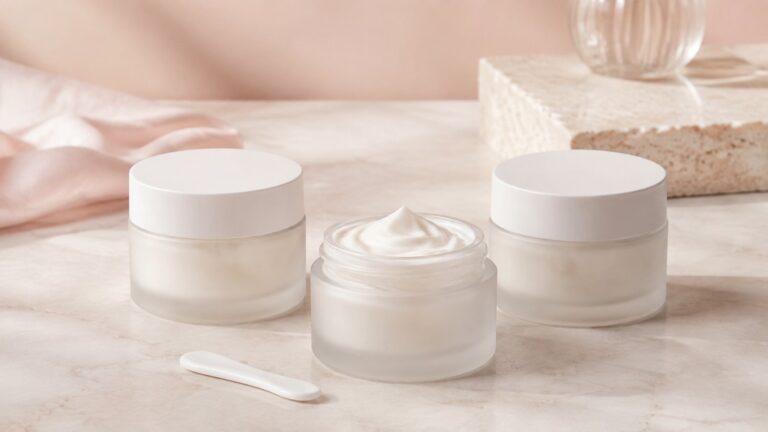
If you are sourcing Cream & Lotion formats, ask your manufacturer for a format-specific test matrix. The same request applies to gel lines, even if the documentation looks lighter on paper.
Certification Pathways by Market
European Union
The EU requires a CPSR, a Responsible Person, and Product Information File (PIF) before placing a moisturizer on the market. Emulsion formats often need additional justification for preservative choice. The EU cosmetics regulation sets the framework that national authorities enforce.
United States
Under FDA MoCRA, facilities must register and products must be listed. Cream, lotion, and gel all fall under the same listing requirement. The difference is in your supporting data: adverse event records and safety substantiation files.
UK, UAE, and Australia
The UK follows a post-Brexit cosmetics regime similar to the EU. UAE markets often require Arabic labeling and GCC conformity. Australia's AICIS framework adds another layer for importers. Each market rewards brands that prepare format-specific dossiers early.
Practical Steps to Certify Your Moisturizer Line
- Lock the format before the formula. Decide cream, lotion, or gel based on target market and skin feel goals, not trends alone.
- Request a preservative efficacy test (PET). This is non-negotiable for water-containing formats.
- Run accelerated stability testing. Six to twelve weeks at elevated temperature reveals emulsion or gel breakdown.
- Prepare the CPSR early. Safety assessors need full ingredient and packaging data.
- Align labeling with each market. INCI names, warnings, and responsible person details vary.
- Document packaging compatibility. Pumps, jars, and tubes interact differently with gels and creams.
- Use a manufacturer with export experience. This reduces rework and speeds up registration.
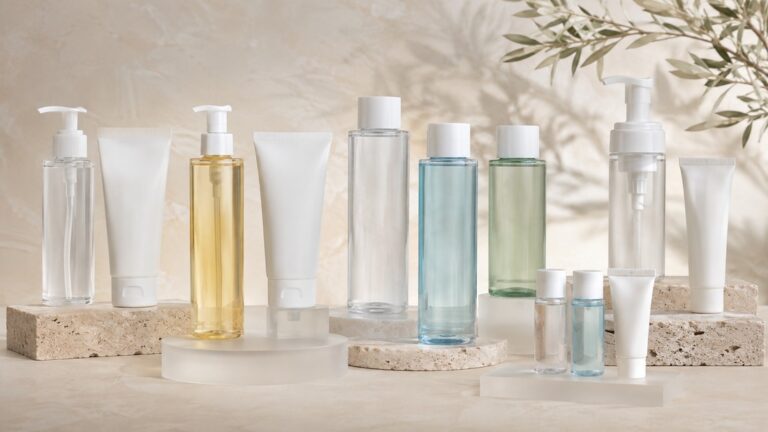
For brands building a full range, pairing moisturizers with Serum and Cleanser & Toner formats can streamline shared documentation.
Case Examples: How Format Choice Affects Timelines
A UK-based indie brand planned a dual launch: a rich cream and a cooling gel. The cream required a full emulsion stability package, adding three weeks. The gel needed extra pH drift testing because of its high water content. Both launched on time because testing started before formula lock.
A UAE distributor importing a lotion line faced Arabic labeling delays. Switching to a Private Label Skincare partner with GCC experience cut the rework.
A US e-commerce seller used Sample Development to test three gel variants. Only one passed microbial challenge testing on the first run. That early data saved a costly reformulation.
An Australian spa brand combined Body Care lotions with gel-based after-sun products. Shared stability protocols reduced total testing cost by roughly 20%.
These examples are illustrative and do not name specific clients.
FAQ: Cream Lotion vs Gel Moisturizer Compliance Certification
Is gel moisturizer easier to certify than cream or lotion?
Not necessarily. Gels avoid emulsion instability, but they can fail preservative efficacy and pH stability tests. The certification effort depends on water content, preservative system, and packaging.
Does FDA MoCRA treat cream, lotion, and gel differently?
No. MoCRA applies to all cosmetic moisturizers. The difference is in your safety substantiation and adverse event documentation, which varies by formula complexity.
How long does CPSR take for a cream versus a gel?
A cream CPSR often takes longer because safety assessors review emulsion and preservative data. A gel CPSR can be faster if the formula is simple and well documented.
Can I use one stability test for multiple formats?
Rarely. Creams, lotions, and gels have different failure modes. A shared protocol can guide testing, but format-specific data is usually required.
What documents should I prepare for 2028 export markets?
Prepare the CPSR or safety assessment, PET report, stability data, INCI labeling, and facility registration. Add market-specific documents like GCC conformity or AICIS statements as needed.
How do I choose a manufacturer for compliant moisturizers?
Look for experience with your target markets, in-house testing, and documentation support. Review their Certificates and Quality Control processes before committing.

 Scan to WhatsApp
About the Author
David Zhang has spent years in skincare formulation and quality control at Flavor Sources, a GMP ISO 22716-certified private label manufacturer based in Dongguan, China, serving brands in 50+ countries since 2000. Reach out to David's team for a custom formula consultation →
Ready to Build a Compliant 2028 Moisturizer Line?
Whether you choose cream, lotion, or gel, compliance certification should shape your format decision from day one. Start with a format-specific test plan, confirm your target market requirements, and work with a manufacturer who understands export documentation.
You can request a sample to evaluate texture and stability, or get a quote for your 2028 product line. Planning early keeps your certification timeline predictable and your launch on schedule.