Body Care vs Body Oil in 2027: The Complete Guide to Formulation & Ingredient Sourcing
Body Care vs Body Oil in 2027: Which Wins on Formulation & Ingredient Sourcing?
In 2027, body care vs body oil formulation ingredient sourcing will hinge on supply chain resilience and consumer demand for multifunctional textures. Body care lotions and creams offer scalability and broad appeal, while body oils deliver concentrated actives and premium positioning. The winner depends on your brand's target market and sourcing capabilities.
Table of Contents
- Body Care vs Body Oil in 2027: Which Wins on Formulation & Ingredient Sourcing?
- Defining the Dilemma: Body Care vs Body Oil
- The 2027 Formulation Landscape: A Side-by-Side Comparison
- Practical Advice for Brands and Importers
- Case Evidence: Lessons from Global Markets
- Frequently Asked Questions
- Ready to Formulate Your Winning Body Care or Body Oil?
Defining the Dilemma: Body Care vs Body Oil
Brands and importers face a pivotal choice: invest in traditional body care formats (lotions, creams, gels) or pivot to body oils. This decision affects formulation complexity, ingredient sourcing, packaging, and regulatory pathways. The wrong choice can lead to unsold inventory or missed trends. In 2027, consumer preferences are shifting toward hybrid textures and sustainable sourcing, making this comparison more critical than ever. Understanding the core differences in formulation and ingredient sourcing is the first step toward a profitable product line.
The 2027 Formulation Landscape: A Side-by-Side Comparison
To make an informed decision, examine the key attributes of each format. The table below compares body care and body oil across formulation, ingredient sourcing, cost, and market fit.
| Attribute | Body Care (Lotions/Creams) | Body Oil |
|---|---|---|
| Base Ingredients | Water, emulsifiers, thickeners, emollients | Carrier oils, essential oils, antioxidants |
| Actives | Water-soluble (niacinamide, hyaluronic acid) | Oil-soluble (vitamins A, E, CoQ10) |
| Preservation | Requires preservatives (parabens, phenoxyethanol) | Typically preservative-free (natural antioxidants) |
| Texture | Lightweight to rich, fast-absorbing | Greasy to dry-touch, occlusive |
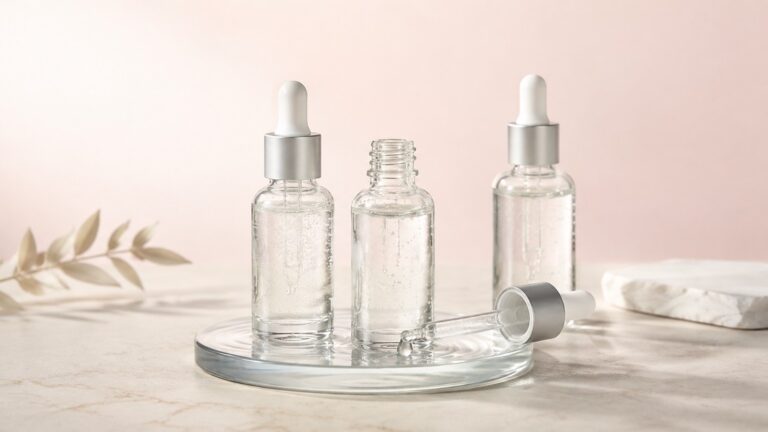
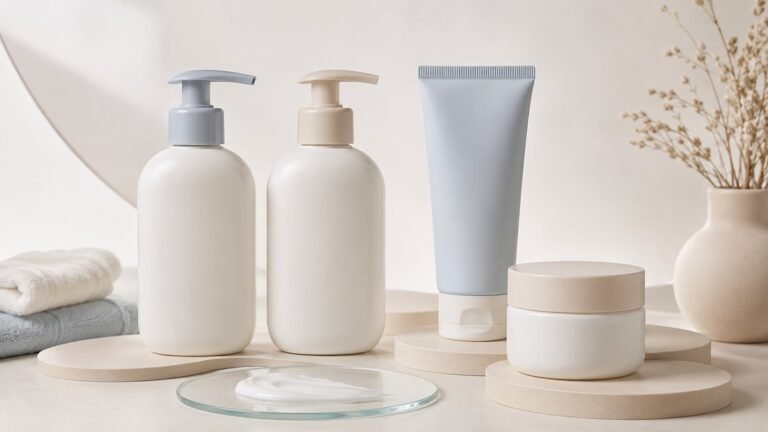
| Packaging | Pumps, tubes, jars | Droppers, pumps, glass bottles |
| Cost per Unit | Lower (water is cheap filler) | Higher (pure oils are costly) |
| Sourcing Complexity | Multiple suppliers for emulsifiers, actives | Fewer suppliers, but quality varies |
| Regulatory | FDA MoCRA, EU CPSR | Similar, but oil oxidation stability tests |
| Consumer Appeal | Broad, all skin types | Niche, dry/mature skin |
Key takeaway: Body care wins on cost and scalability, while body oil wins on clean-label appeal and concentrated actives. Your choice should align with your brand's positioning and target demographic.
Ingredient Sourcing: Where the Battle Intensifies
Ingredient sourcing for body care involves a complex web of emulsifiers, preservatives, and water-soluble actives. In 2027, supply chain disruptions and climate change are affecting the availability of key emulsifiers like cetearyl alcohol. Conversely, body oil sourcing relies on agricultural outputs—argan, jojoba, and marula oils—which are vulnerable to crop failures and geopolitical instability.
To mitigate risks, brands are diversifying suppliers and exploring synthetic alternatives. For example, squalane derived from sugarcane offers a stable, vegan alternative to shark-derived squalane. Similarly, bio-fermented hyaluronic acid reduces reliance on animal sources. These innovations are reshaping body care vs body oil formulation ingredient sourcing strategies.
Formulation Trends Shaping 2027
Several trends are influencing formulation decisions:
- Waterless Beauty: Body oils and balms gain traction as waterless formats reduce preservative needs and shipping weight.
- Microbiome-Friendly: Body care lotions with prebiotics and postbiotics support skin barrier health.
- Multi-Functional: Products that combine body care and oil benefits, such as oil-in-water emulsions, blur the lines.
- Sustainable Sourcing: Certified palm oil, upcycled ingredients, and fair-trade oils appeal to eco-conscious consumers.
These trends require formulators to balance efficacy, stability, and cost. Partnering with an experienced OEM/ODM manufacturer can streamline this process.
Practical Advice for Brands and Importers
When deciding between body care and body oil, consider these actionable steps:
- Define Your Target Market: If you serve mass-market consumers, body care offers broader appeal. For premium or niche markets, body oil can command higher margins.
- Assess Your Supply Chain: Evaluate your ability to source specialty oils versus commodity emulsifiers. Consider lead times, MOQs, and supplier reliability.
- Invest in Testing: Stability, compatibility, and preservative efficacy tests are crucial. For body oils, oxidative stability is paramount.
- Leverage Private Label: Many manufacturers offer private label body care and body oil options, reducing development time. Explore Private Label Skincare services to accelerate your launch.
- Optimize Packaging: Choose packaging that protects the formula and aligns with your brand. For body oils, UV-protective glass is recommended. Packaging Design support can help you stand out.
- Plan for Compliance: Ensure your products meet FDA MoCRA and EU CPSR requirements. Work with a manufacturer that provides Testing & Inspection and Export Support.
By following these steps, you can make a data-driven decision that aligns with your brand's goals.
Case Evidence: Lessons from Global Markets
Real-world examples from different regions highlight the nuances of body care vs body oil formulation ingredient sourcing.
- United Kingdom: A UK-based brand launched a body oil using upcycled rosehip oil from local farms. The product gained traction on Instagram for its sustainability story, but sourcing was challenging due to seasonal availability. They mitigated risk by contracting multiple farms and using predictive analytics.
- United Arab Emirates: A UAE importer opted for body care lotions with shea butter and camel milk. The formula required preservatives suitable for hot climates, and sourcing camel milk proved costly. However, the unique ingredient appealed to luxury consumers, and the brand achieved a 30% premium over standard lotions.
- United States: A US startup introduced a waterless body oil with CBD. While the formula was simple, sourcing CBD isolate with consistent potency was difficult. They partnered with a supplier offering third-party testing, ensuring compliance with FDA MoCRA. The product sold out within weeks.
- Australia: An Australian brand focused on body care creams with native botanicals like kakadu plum. Sourcing was local and sustainable, but preservative challenges arose due to the high vitamin C content. They switched to a self-preserving system using glycols, which increased cost but improved shelf life.
These cases illustrate that success depends on adapting formulation and sourcing to local conditions. For more insights, see our Case Studies.
Frequently Asked Questions
Q1: Which format is more cost-effective for private label in 2027?
Body care lotions are generally more cost-effective due to water content and lower ingredient costs. However, body oils can yield higher margins if positioned as premium. Consider your target price point and volume.
Q2: What are the key regulatory differences between body care and body oil?
Both require safety assessments under FDA MoCRA and EU CPSR. Body oils may need additional oxidative stability testing and antioxidant labeling. Body care with water requires preservative efficacy tests. Work with a manufacturer experienced in Quality Control.
Q3: Can I combine body care and body oil in one product line?
Yes, many brands offer both to cater to different consumer preferences. This strategy diversifies risk and maximizes shelf presence. It also allows cross-selling.
Q4: How do I source sustainable ingredients for body oil?
Look for certifications like Fair Trade, USDA Organic, or RSPO. Establish long-term contracts with suppliers and consider upcycled ingredients. For body care, prioritize biodegradable emulsifiers and responsibly sourced palm oil.
Q5: What packaging is best for body oil to extend shelf life?
Dark glass bottles with droppers or pumps minimize oxidation. Avoid clear plastic, which can degrade with oil contact. For body care, airless pumps reduce contamination.
Q6: How can Flavor Sources help with my body care or body oil project?
Flavor Sources offers end-to-end OEM/ODM services, including Custom Formula development, Sample Development, and Bulk Production. We source high-quality ingredients and ensure compliance.

 Scan to WhatsApp
About the Author
David Zhang has spent years in skincare formulation and quality control at Flavor Sources, a GMP ISO 22716-certified private label manufacturer based in Dongguan, China, serving brands in 50+ countries since 2000. Reach out to David's team for a custom formula consultation →
Ready to Formulate Your Winning Body Care or Body Oil?
Don't let sourcing uncertainties delay your 2027 launch. Whether you choose body care or body oil, Flavor Sources provides reliable manufacturing and ingredient sourcing. Request a free sample to evaluate our quality, or get a quote for your project. Our team is ready to help you succeed.