Private Label Facial & Body Mask for Beauty Brands Southeast Asia: Essential 2026 Cost & MOQ Guide
For beauty brands in Southeast Asia, launching a private label facial and body mask line in 2026 requires careful planning around cost and MOQ. This guide breaks down the essential numbers, from minimum order quantities to per-unit pricing, helping you make confident sourcing decisions.
Table of Contents
- What Does Private Label Facial & Body Mask Manufacturing Entail?
- Key Cost Factors for Private Label Facial & Body Mask in Southeast Asia
- Understanding MOQ: What's Realistic for Southeast Asian Brands?
- How to Calculate Your Total Landed Cost
- Practical Tips for Sourcing Private Label Facial & Body Masks
- Case Insights: Southeast Asian Beauty Brands Succeeding with Private Label Masks
- FAQ: Private Label Facial & Body Mask for Southeast Asia
- Ready to Launch Your Private Label Facial & Body Mask Line?
What Does Private Label Facial & Body Mask Manufacturing Entail?
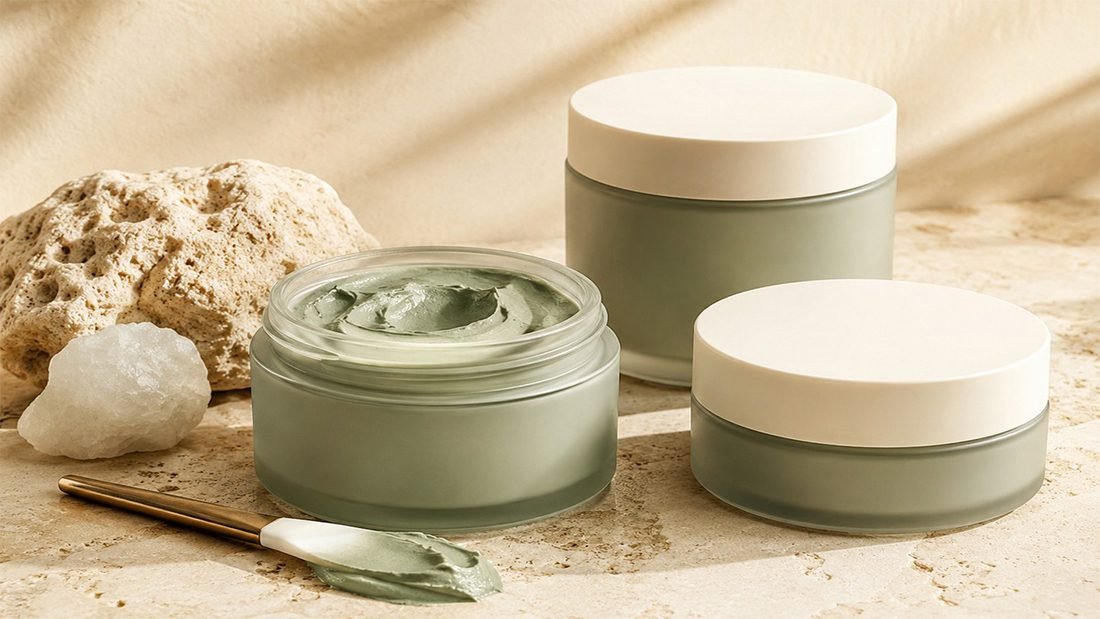
Private label manufacturing means you choose an existing formula from a manufacturer's catalog and apply your brand's packaging and labeling. Unlike custom formulation, private label offers faster timelines and lower upfront costs. For Southeast Asian beauty brands, this model is ideal for entering the mask category without heavy R&D investment. The manufacturer handles production, filling, and quality control, while you focus on marketing and distribution. Understanding the distinction between private label and custom formula is crucial for budgeting. A Custom Formula service, for example, may require higher MOQs and development fees, whereas private label typically has lower barriers. This guide focuses on private label, but the principles apply broadly.
Key Cost Factors for Private Label Facial & Body Mask in Southeast Asia
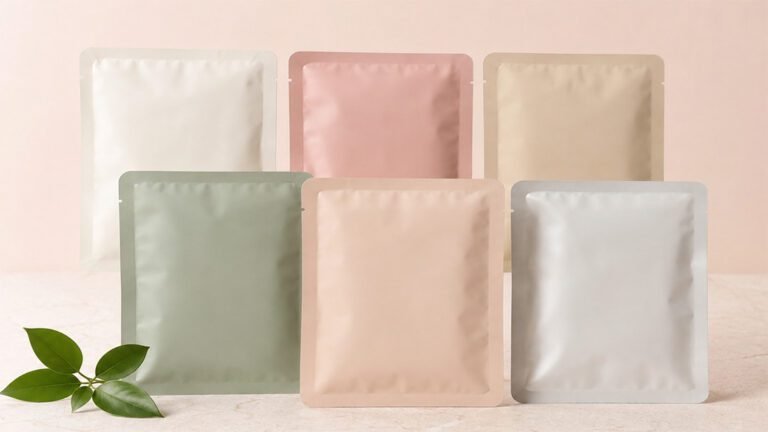
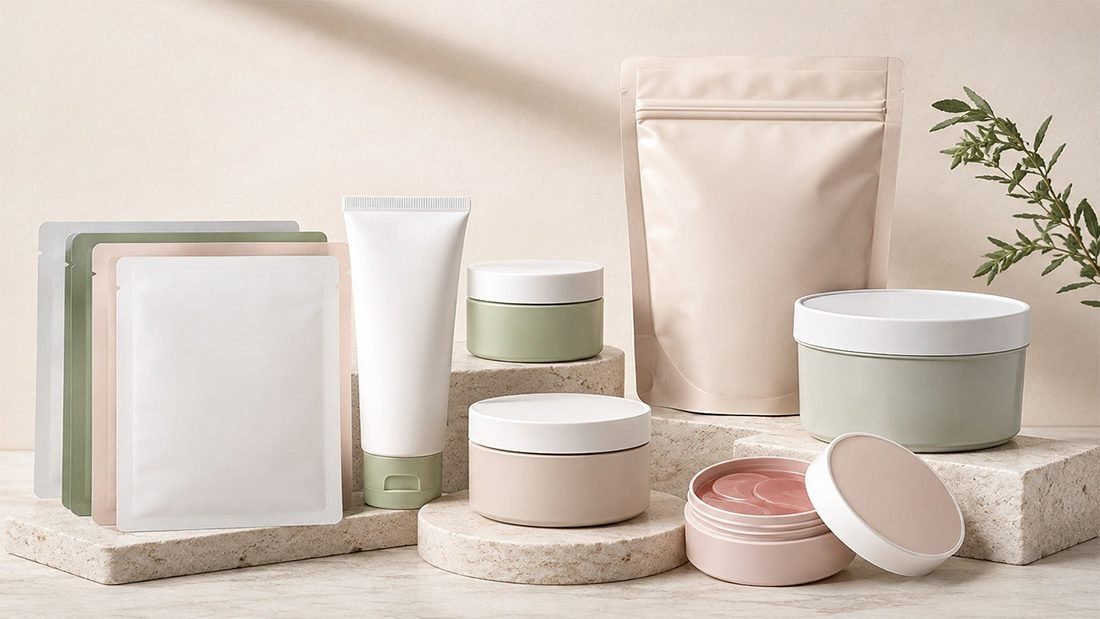
Several variables influence the final cost per unit. First, the formula complexity: basic hydrating masks cost less than those with premium actives like niacinamide or hyaluronic acid. Second, packaging: sachets are cheapest, while jars or tubes add cost. Third, order quantity: larger volumes reduce per-unit price. Fourth, certifications: if you need halal, organic, or cruelty-free certifications, expect additional costs. Fifth, shipping and duties: Southeast Asian countries have varying import taxes. Finally, the manufacturer's location and labor costs play a role. For a detailed breakdown, refer to our Production Process page.
Cost Breakdown Table
| Factor | Low Range (USD) | High Range (USD) |
|---|---|---|
| Formula (per kg) | 5 | 20 |
| Packaging (per unit) | 0.10 | 0.50 |
| Filling & Labor (per unit) | 0.05 | 0.15 |
| Testing & Certifications | 500 | 2000 |
| MOQ (units) | 500 | 5000 |
Note: These are indicative ranges for 2026. Actual quotes depend on specifications.
Understanding MOQ: What's Realistic for Southeast Asian Brands?
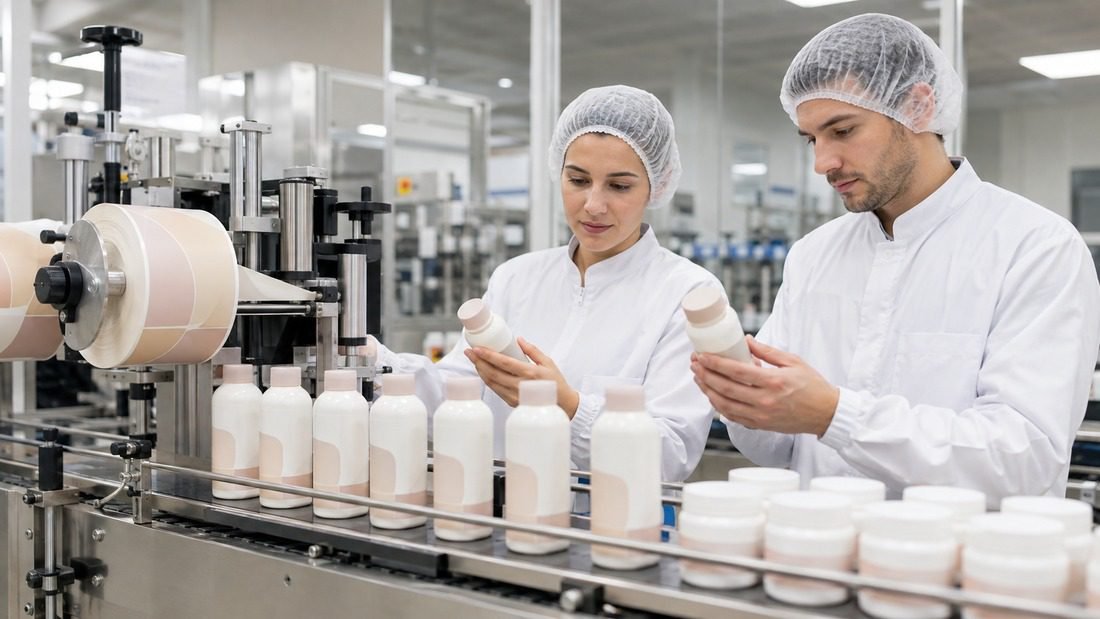
The minimum order quantity (MOQ) is often the biggest hurdle for emerging brands. Many manufacturers set MOQs at 5,000 to 10,000 units per SKU. However, some factories, including Flavor Sources, offer lower MOQs starting at 500 pieces for private label facial and body masks. This is particularly beneficial for small batch private label runs, allowing brands to test the market before scaling. When negotiating MOQ, consider the total cost of ownership: a lower MOQ may have a higher per-unit price, but it reduces inventory risk. For Southeast Asian markets, where consumer preferences vary, a 500 pcs MOQ is a smart starting point. You can request a sample to evaluate quality before committing to bulk.
How to Calculate Your Total Landed Cost
Total landed cost includes more than the ex-works price. Add freight, insurance, import duties, and local taxes. For Southeast Asia, ocean freight is cost-effective for large orders, while air freight suits urgent small batches. Work with a manufacturer that provides Export Support to navigate documentation. Also, consider warehousing and distribution costs. A common mistake is to overlook these, leading to margin erosion. Use our cost calculator template (available upon request) to estimate your landed cost accurately.
Practical Tips for Sourcing Private Label Facial & Body Masks
- Start with a clear product brief: define target market, key ingredients, and packaging style. 2. Request samples from multiple manufacturers to compare texture, scent, and efficacy. 3. Verify certifications: for Southeast Asia, halal certification is often essential. Check the manufacturer's Certificates. 4. Negotiate MOQ and payment terms: some factories offer flexible terms for repeat orders. 5. Plan for scalability: ensure the manufacturer can handle increased volumes as your brand grows. 6. Consider private label skincare for a cohesive line. 7. Use Packaging Design services to create shelf-ready appeal. 8. Always conduct Testing & Inspection before shipping.
Case Insights: Southeast Asian Beauty Brands Succeeding with Private Label Masks
While we cannot name specific clients, we've observed successful launches in markets like Indonesia, Thailand, and Vietnam. A beauty brand in Indonesia launched a hydrating facial mask with a 1,000-unit MOQ, leveraging local influencer marketing to drive sales. Within six months, they scaled to 10,000 units per SKU. In Thailand, a spa chain introduced a private label body mask using our Facial & Body Mask line, capitalizing on the wellness trend. Their initial order was 500 pieces, and they reordered within three months. These examples highlight that starting small is viable. For more inspiration, see our Case Studies.
FAQ: Private Label Facial & Body Mask for Southeast Asia
Q1: What is the typical MOQ for private label facial and body masks?
A: MOQs vary by manufacturer. Some require 5,000 units, but Flavor Sources offers MOQs as low as 500 pieces for private label masks.
Q2: How much does private label facial mask cost per unit?
A: Cost depends on formula, packaging, and quantity. For 1,000 units, expect $0.50 to $2.00 per unit ex-works.
Q3: Can I get a sample before placing a bulk order?
A: Yes, we provide samples for evaluation. You can Request Sample through our website.
Q4: Are there additional costs for certifications?
A: Yes, certifications like halal or organic incur extra fees and testing. Budget $500 to $2,000.
Q5: What is the lead time for private label mask production?
A: Typically 30 to 45 days after sample approval, depending on order size.
Q6: Do you support small batch private label for startups?
A: Absolutely. We cater to startups with low MOQs and scalable solutions. See our For Startups page.
 Scan to WhatsApp
About the Author
David Zhang has spent years in skincare formulation and quality control at Flavor Sources, a GMP ISO 22716-certified private label manufacturer based in Dongguan, China, serving brands in 50+ countries since 2000. Reach out to David's team for a custom formula consultation →
Ready to Launch Your Private Label Facial & Body Mask Line?
Take the next step with Flavor Sources. We offer low MOQs, competitive pricing, and end-to-end support for beauty brands in Southeast Asia. Whether you need 500 pieces or 50,000, our team ensures quality and compliance. Contact us today to discuss your project and get a personalized quote. For a seamless start, Get a Quote or explore our Private Label Skincare services. Let's bring your mask line to life in 2026.