The Complete 2026 Guide to Cream & Lotion Packaging & Branding for Beauty Brands
In 2026, successful cream lotion packaging branding beauty brands must prioritize sustainability, functionality, and regulatory compliance. The smartest brands are moving to refillable airless pumps and mono-material jars that protect formulas while cutting plastic waste. This guide gives you a proven framework to choose packaging, design labels, and navigate EU and US rules—so your next launch stands out on shelf and online.
Table of Contents
- Why Cream & Lotion Packaging & Branding Is a Make-or-Break Decision in 2026
- Key Packaging Formats for Cream & Lotion: A 2026 Comparison
- Sustainable Packaging: From Trend to Table Stakes
- Branding & Labeling: Compliance Meets Creativity
- Step-by-Step: How to Execute Your 2026 Packaging & Branding Plan
- FAQ: Cream & Lotion Packaging & Branding in 2026
- Trusted Manufacturing Partner for Your 2026 Launch
- Ready to Elevate Your Cream & Lotion Packaging?
Why Cream & Lotion Packaging & Branding Is a Make-or-Break Decision in 2026
Packaging is no longer just a container. For cream and lotion, it directly affects product stability, user experience, and brand perception. In 2026, three forces collide: stricter environmental regulations, rising consumer demand for refillable options, and the need for e-commerce-ready durability.
A poor packaging choice can cause leakage, oxidation, or contamination—leading to returns and damaged brand trust. Conversely, a well-designed airless pump or refillable jar can extend shelf life, reduce preservative needs, and signal premium quality. According to Grand View Research, the global skincare packaging market is projected to grow at a CAGR of 4.8% from 2023 to 2030, driven by sustainable and smart packaging. Brands that ignore this shift risk falling behind.
The 2026 Consumer Expectation Shift
Today's buyers scrutinize packaging for recyclability, refillability, and minimalism. A 2025 survey by Statista found that 62% of global consumers are willing to pay more for sustainable packaging. For cream lotion packaging branding beauty brands, this means moving away from virgin plastic and complex multi-material pumps toward mono-material or refillable systems.
Regulatory Pressure: EU PPWR and FDA MoCRA
The EU's Packaging and Packaging Waste Regulation (PPWR) sets strict recyclability and recycled content targets by 2030. In the US, the FDA's Modernization of Cosmetics Regulation Act (MoCRA) requires accurate labeling and adverse event reporting. Non-compliance can block market access. Therefore, packaging decisions must be made with regulatory teams early. You can learn more about compliance via Export Support.
Key Packaging Formats for Cream & Lotion: A 2026 Comparison
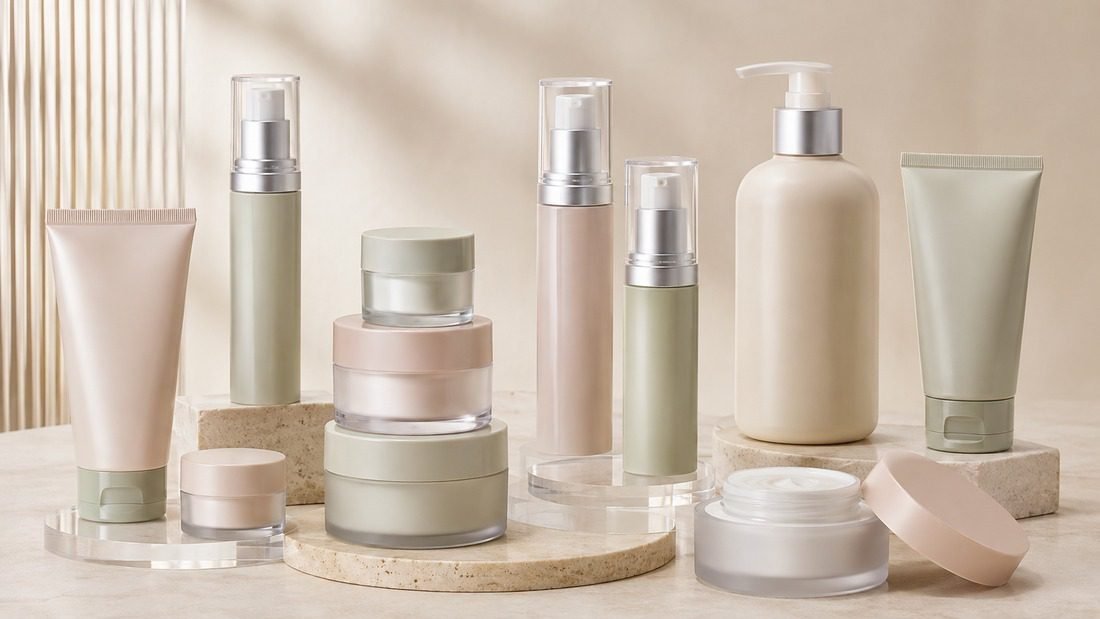
Choosing the right format depends on formula viscosity, preservative system, and brand positioning. Below is a comparison of four common options.
| Format | Best For | Sustainability | Cost (per unit) | Consumer Perception |
|---|---|---|---|---|
| Airless Pump | High-value serums, retinol creams | Moderate (refillable options exist) | High | Premium, hygienic |
| Jar | Thick butters, body creams | Low (often mixed materials) | Low | Classic, but unhygienic |
| Tube | Lotions, hand creams | High (mono-material PE) | Low | Convenient, travel-friendly |
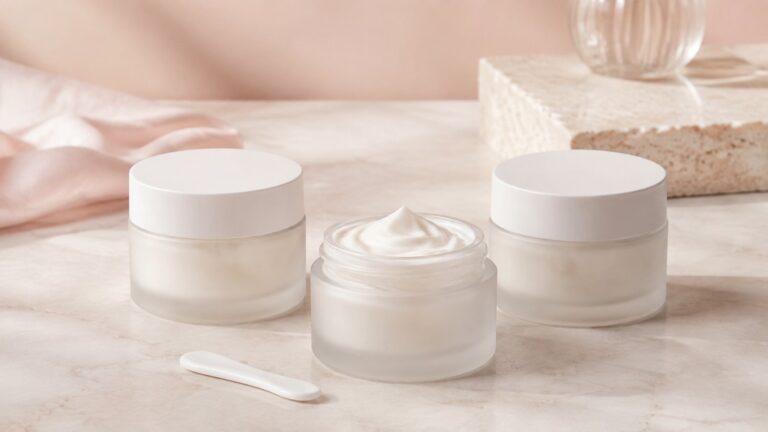
| Refillable Jar | Moisturizers, night creams | High (refill pods) | Medium | Eco-conscious, loyal |
For cream & lotion airless pump packaging, the main advantage is minimal air contact, which reduces oxidation and allows lower preservative levels. Tubes are the most recyclable if made from mono-material PE or PP. Refillable jars offer a premium unboxing experience but require a take-back or refill pod system.
Terminology: Airless Pump vs. Standard Pump
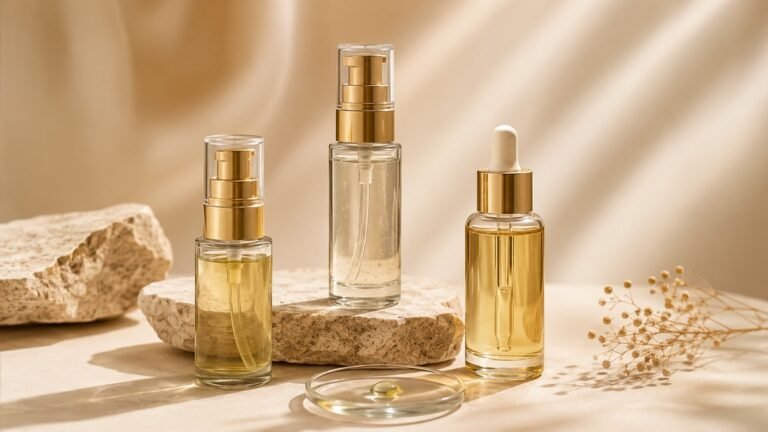
An airless pump uses a piston that moves up as product is dispensed, preventing backflow and contamination. A standard pump relies on a dip tube and allows air to enter, which can degrade sensitive actives. For cream lotion packaging branding beauty brands, airless pumps are a strong differentiator for anti-aging or probiotic formulas.
Sustainable Packaging: From Trend to Table Stakes
Sustainability is no longer optional. The EU PPWR will require all packaging to be recyclable or reusable by 2030. Brands selling in the UK, Germany, and France are already asked to register with extended producer responsibility (EPR) schemes. In the US, states like California and Maine have similar laws.
To future-proof, choose mono-material packaging (e.g., all-PE tubes) or refillable systems. Consider post-consumer recycled (PCR) content—many suppliers now offer up to 100% PCR in jars and tubes. However, PCR can affect color consistency and strength, so test compatibility with your formula. For cream & lotion sustainable packaging skincare, look for suppliers with ISCC PLUS or EuCertPlast certification.
Practical Steps to Sustainable Packaging
- Audit current packaging for recyclability and recycled content.
- Switch to mono-material tubes or refillable jars where possible.
- Reduce secondary packaging (boxes, inserts) or use FSC-certified paper.
- Communicate sustainability claims accurately to avoid greenwashing lawsuits.
Branding & Labeling: Compliance Meets Creativity
Your label must comply with regional regulations while standing out. In the EU, the Cosmetic Product Safety Report (CPSR) and Product Information File (PIF) are mandatory. In the US, MoCRA requires a US agent and adverse event reporting. Labels must include INCI names, batch code, PAO symbol, and manufacturer details.
From a branding perspective, 2026 trends favor minimalist typography, transparent ingredient lists, and tactile finishes (e.g., soft-touch coatings). But beware: overly complex labels can hinder recycling. Water-soluble adhesives and wash-off inks help. For cream & lotion custom packaging skincare, consider QR codes linking to digital leaflets—this reduces paper waste and allows real-time updates.
Case Snapshot: UK Brand Launches Refillable Night Cream
A UK-based indie brand launched a night cream in a refillable jar with a mono-material PP refill pod. They used a Custom Formula with a low-preservative system and airless pump for the travel size. Within six months, repeat purchase rate increased by 28%, and the brand reported a 40% reduction in packaging carbon footprint. No customer names are disclosed, but the strategy is replicable.
Step-by-Step: How to Execute Your 2026 Packaging & Branding Plan
Follow this eight-step roadmap to avoid costly mistakes.
- Define your formula: Viscosity, pH, and preservative system dictate packaging compatibility. Use Cream & Lotion as a starting point.
- Choose format: Airless pump for sensitive actives, tube for lotions, refillable jar for eco-claims.
- Select materials: Prioritize mono-material or PCR. Request material safety data sheets.
- Design label: Ensure regulatory compliance and brand consistency. Use Packaging Design services.
- Test compatibility: Run accelerated stability tests (e.g., 12 weeks at 40°C) with your chosen packaging.
- Validate sustainability claims: Get third-party certification if needed.
- Plan logistics: E-commerce requires drop-test and leak-proof designs. Work with Testing & Inspection.
- Launch and monitor: Collect consumer feedback and iterate.
For startups, leveraging Private Label Skincare can reduce development time. If you need a sample, you can Request Sample from a reliable manufacturer.
Case Snapshot: UAE Brand Scales with Airless Pump
A UAE-based beauty brand wanted a premium night cream for humid climates. They chose an airless pump with a matte finish and a custom formula containing niacinamide. The packaging was tested for 12 weeks at 45°C and 75% humidity. The product launched in 2025 and achieved 15,000 units in first-month sales. The brand used Bulk Production and Export Support to ship to GCC markets.
FAQ: Cream & Lotion Packaging & Branding in 2026
Q1: What is the most sustainable packaging for cream and lotion?
A: Mono-material PE or PP tubes and refillable jars with PCR content are currently the most sustainable. Avoid multi-layer laminates unless they are recyclable in your market.
Q2: How do I choose between airless pump and tube?
A: Choose airless pump for oxygen-sensitive actives (retinol, vitamin C) and premium positioning. Choose tubes for lotions and hand creams where cost and recyclability are priorities.
Q3: What labeling rules apply in the EU and US?
A: EU requires INCI names, PAO, batch code, and a Responsible Person. US MoCRA requires a US agent, adverse event reporting, and compliant labels. Always consult a regulatory expert.
Q4: Can I use the same packaging for multiple markets?
A: Often yes, but you may need to adjust labels for language and regulatory differences. Work with a manufacturer experienced in Export Support.
Q5: How long does packaging development take?
A: Typically 4–8 weeks for stock packaging, 12–16 weeks for custom molds. Add 2–4 weeks for stability testing.
Trusted Manufacturing Partner for Your 2026 Launch

 Scan to WhatsApp
About the Author
David Zhang has spent years in skincare formulation and quality control at Flavor Sources, a GMP ISO 22716-certified private label manufacturer based in Dongguan, China, serving brands in 50+ countries since 2000. Reach out to David's team for a custom formula consultation →
Ready to Elevate Your Cream & Lotion Packaging?
Don't let packaging hold your brand back. Whether you need airless pumps, refillable jars, or custom labeling, Flavor Sources offers end-to-end OEM/ODM support. We help you navigate regulations, choose sustainable materials, and scale production. Get a Quote or request a sample to see the quality for yourself. Let's make your 2026 launch a success.