2026 Q4 Definitive Guide: Best GMP-Certified Baby Care Manufacturer China for Confident Buyers
Finding a reliable baby care manufacturer china 2026 q4 sourcing cycle is easier when you separate marketing claims from verifiable evidence. The short answer: prioritize factories that can show a valid GMP certificate, a documented quality management system, and a traceable baby care production line. Request the certificate number, confirm the issuing body, and match the scope to baby lotions, washes, and creams before you negotiate pricing.
Table of Contents
What Makes Baby Care Sourcing Different From Adult Skincare?
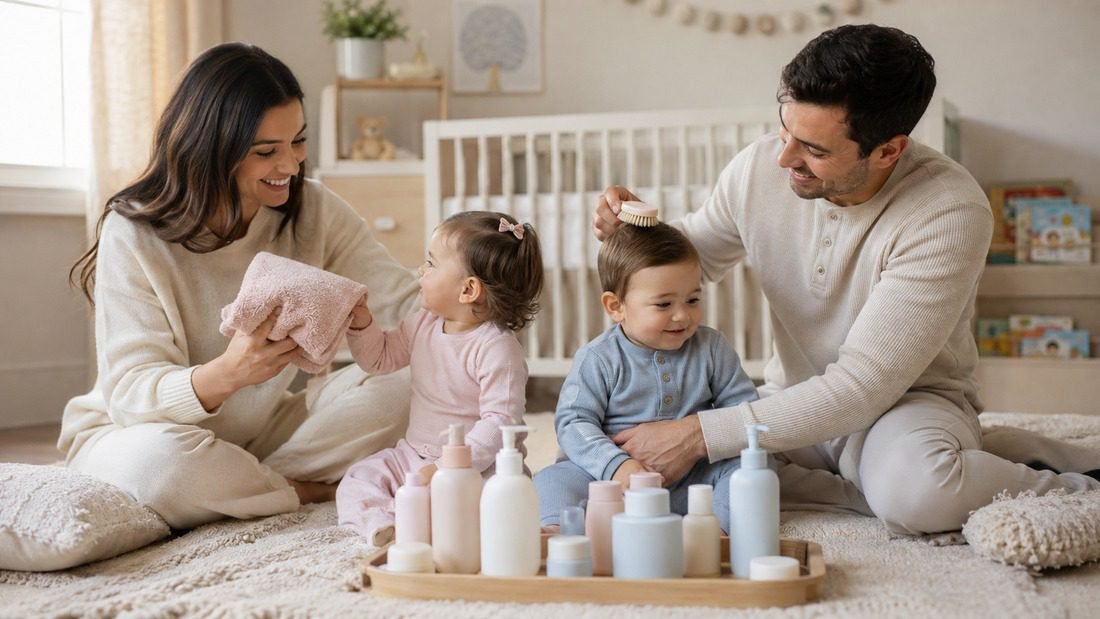
Baby care products sit in a stricter risk category than adult lotions. Formulators must reduce irritation potential, control preservative systems carefully, and document every raw material. Buyers therefore need more than a price list.
A baby care manufacturer china 2026 q4 shortlist should be built around evidence: GMP status, ingredient traceability, microbiological testing, and stability data. Without these, low quotes often hide reformulation or documentation gaps that surface at customs.
Why GMP Certification Is the Baseline, Not the Bonus
GMP (Good Manufacturing Practice) is a system for premises, personnel, equipment, and process control. For baby products, it signals that the factory manages contamination risk systematically rather than relying on final inspection alone.
ISO 22716 is the widely recognized cosmetics GMP guideline; you can review its scope on the ISO official site. A credible factory should map its quality system to ISO 22716 or an equivalent national GMP scheme and make that mapping auditable.
How Do You Verify a GMP-Certified Baby Care Factory?
Verification is a five-step desk and on-site process. Do it before samples, not after.
- Certificate check. Request the certificate PDF and the certificate number. Confirm the issuing body, validity dates, and scope. A certificate covering color cosmetics does not automatically cover baby lotions.
- Scope match. Ask whether the GMP scope explicitly includes leave-on and rinse-off baby products.
- Audit trail. Request the latest internal audit report summary and any third-party audit closure letters.
- Testing records. Ask for microbiological, heavy metal, and stability test reports on a comparable baby SKU.
- On-site or virtual tour. Walk the filling line, water treatment, and quarantine areas. Review our factory tour and quality control pages as a reference checklist.
Comparison Table: Certification Claims vs. What to Request
| Claim on Website | What It Usually Means | What a Buyer Should Request |
|---|---|---|
| “GMP certified” | Factory holds some GMP certificate | Certificate number, issuing body, scope, expiry date |
| “ISO 9001 factory” | Quality management system certified | Certificate plus scope; confirm it covers cosmetics |
| “Dermatologically tested” | A test was performed on a sample | Test report, lab name, protocol, sample identity |
| “Baby-safe formula” | Marketing language | Ingredient list, preservative rationale, irritation data |
| “Export-ready” | Has shipped abroad before | Destination-market documentation and label compliance support |
Key Terms Defined
- CPSR: Cosmetic Product Safety Report, required for EU-market cosmetics.
- MoCRA: US Modernization of Cosmetics Regulation Act, which expands facility registration and product listing duties.
- Tolerance testing: Clinical assessment of skin reaction under controlled use.
- Quarantine area: Segregated storage for materials awaiting release.
What Should a 2026 Q4 Baby Care Brief Include?
A strong brief reduces quotation cycles. Include product type, target age band, key claims, preservative preferences, packaging format, fill weight, and destination market. State whether you need private label skincare or custom formula development.
Destination market drives documentation. EU buyers need a CPSR and compliant labelling; US buyers should confirm MoCRA-related facility registration and product listing readiness. Review the FDA MoCRA page before finalizing claims.
MOQ, Lead Time, and Sampling Realities
Baby care MOQs are usually higher than adult skincare because of line cleaning and small-batch testing costs. Expect sampling to take two to four weeks and bulk production four to eight weeks after approval, depending on packaging.
Ask for a written sampling plan and a stability protocol. Our sample development and testing & inspection workflows show the documents a serious factory should provide.
Practical Steps to De-Risk Your Order
- Start with a signed NDA and a written specification sheet.
- Approve the formula and packaging separately to isolate delays.
- Require pre-shipment inspection with photos and retained samples.
- Confirm the label artwork review process and claim substantiation files.
- Keep a retained sample from every batch for at least the product shelf life.
For importers, our For Importers and export support resources outline documentation handover. Startups should review For Startups before locking MOQs.
Red Flags to Walk Away From
- Certificate numbers that cannot be verified with the issuer.
- Reluctance to share test reports or retained samples.
- Vague answers on preservative systems and water treatment.
- Quotes far below market without a documented reason.
Case Evidence From Real Sourcing Regions
A UK brand sourcing baby wash required a CPSR and EU-compliant labelling. The decisive factor was not price but a factory able to supply stability data and a documented preservative rationale within two weeks. The brand approved a private label run after a virtual audit.
A UAE distributor needed Arabic labelling and halal-conscious documentation. The winning factory provided a packaging artwork checklist and pre-shipment inspection photos, which reduced clearance friction.
A US e-commerce seller used MoCRA readiness as a screening filter. Factories that could explain facility registration and product listing steps moved forward; others were dropped early. An Australian buyer prioritized tolerance testing records and retained samples, which shortened internal sign-off.
These patterns repeat: documentation speed predicts production reliability. Explore our case studies for comparable sourcing scenarios.
FAQ
Is GMP certification legally required for baby care products?
It depends on the destination market. The EU expects cosmetics GMP under ISO 22716 principles, while the US relies on MoCRA facility registration and good manufacturing practices. Many buyers treat GMP as a mandatory screening criterion regardless.
How long does private label baby care take in 2026 Q4?
Typical timelines are two to four weeks for sampling and four to eight weeks for bulk production after approval. Packaging lead time often becomes the critical path, so approve artwork early.
Can one factory handle both formulation and packaging?
Many full-service factories do. Confirm whether packaging design and sourcing are in-house or outsourced, and ask who owns the artwork files and tooling.
What documents should accompany each shipment?
Request a certificate of analysis, batch record summary, packing list, and retained sample reference. EU-bound orders also need CPSR and compliant labelling.
How do I compare quotes fairly?
Normalize fill weight, packaging cost, testing scope, and Incoterms. A lower unit price with excluded testing is rarely cheaper overall.

 Scan to WhatsApp
About the Author
David Zhang has spent years in skincare formulation and quality control at Flavor Sources, a GMP ISO 22716-certified private label manufacturer based in Dongguan, China, serving brands in 50+ countries since 2000. Reach out to David's team for a custom formula consultation →
Next Step: Request Samples and a Quote
Shortlist two or three GMP-certified factories, send the same brief to each, and compare documentation quality before price. If you are evaluating a baby care manufacturer china 2026 q4 plan, review our Baby Care capabilities and certificates page, then request a sample or get a quote to start a documented sampling cycle. Our Baby Care team can align formulation, packaging, and export paperwork in one brief.