The Ultimate 2027 Baby Care Glossary for the UAE & GCC: A Trusted Buyer’s Guide
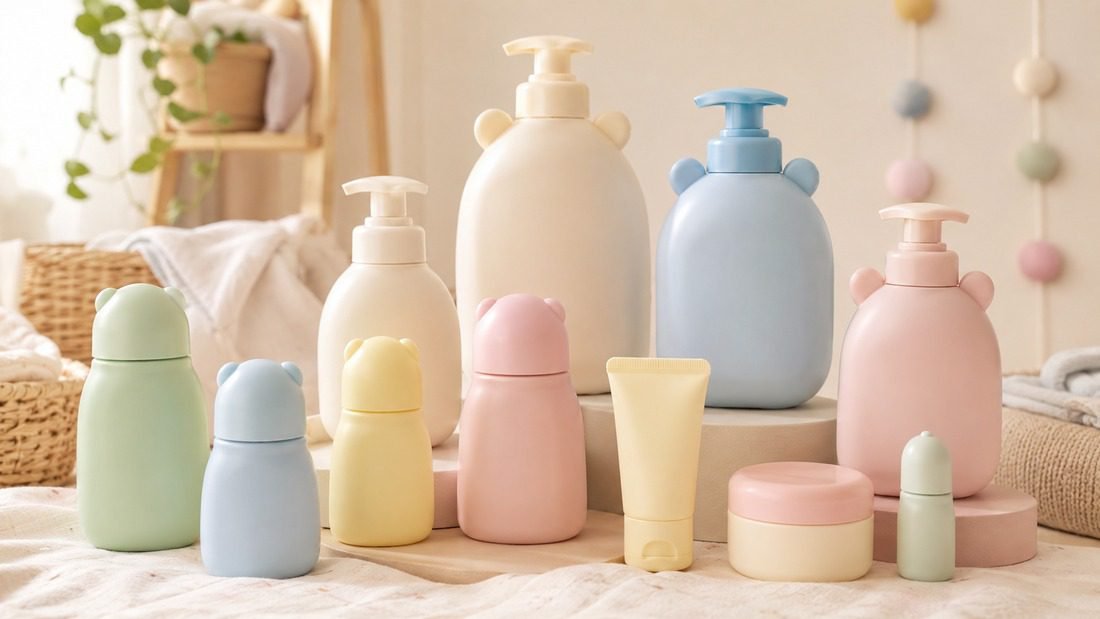
What Is the Baby Care Glossary for the UAE & GCC?
This baby care glossary the uae gcc is a plain-language reference for buyers sourcing infant skincare products in the Gulf. It decodes manufacturing, regulatory, and sourcing terms so you can communicate clearly with suppliers and avoid costly misunderstandings.
Table of Contents
- What Is the Baby Care Glossary for the UAE & GCC?
- Why You Need a Baby Care Glossary for the UAE & GCC
- Key Baby Care Manufacturing Terms Explained
- OEM vs. ODM: What's the Difference?
- MOQ (Minimum Order Quantity)
- Private Label
- GMP (Good Manufacturing Practice)
- ESMA Registration
- Halal Certification
- Stability Testing
- Dermatologically Tested
- pH Balanced
- Tear-Free
- Natural and Organic Certifications
- Free-From Claims
- Artwork and DI Lines
- Incoterms
- Lead Time
- Quality Control (QC)
- Certificate of Analysis (COA)
- Material Safety Data Sheet (MSDS)
- Practical Tips for Using This Glossary
- Case Studies: Applying the Glossary in the GCC
- Frequently Asked Questions (FAQ)
- Author Trust Module
- Ready to Source Baby Care Products?
Why You Need a Baby Care Glossary for the UAE & GCC
Sourcing baby care products involves specialized terminology that varies by region. In the UAE and GCC, buyers face unique regulatory landscapes, climate considerations, and market preferences. Without a clear grasp of terms like OEM, ODM, halal certification, and ESMA registration, you risk miscommunication and compliance delays.
This glossary helps you navigate conversations with manufacturers, understand contracts, and make informed decisions. Whether you're launching a new brand or expanding an existing line, knowing the language is your first step to success.
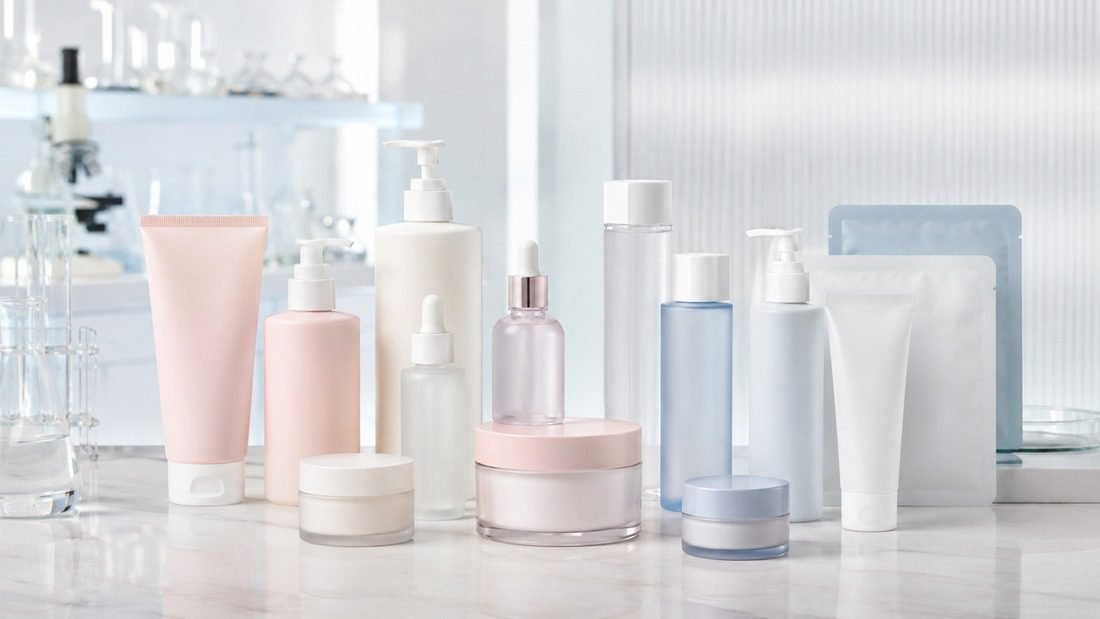
Key Baby Care Manufacturing Terms Explained
Below is a detailed breakdown of essential terms, organized for quick reference. We've included a comparison table and definitions to clarify differences.
OEM vs. ODM: What's the Difference?
| Term | Definition | Who Owns the Formula? | Ideal For |
|---|---|---|---|
| OEM (Original Equipment Manufacturer) | You provide the formula or specifications; the manufacturer produces to your design. | You | Brands with proprietary formulas |
| ODM (Original Design Manufacturer) | Manufacturer offers ready-made formulas; you customize branding and packaging. | Manufacturer | Startups and brands seeking speed |
Understanding these models is crucial. For baby care glossary the uae gcc purposes, OEM gives you full control, while ODM accelerates time-to-market. Many suppliers offer hybrid approaches, so clarify upfront.
MOQ (Minimum Order Quantity)
The smallest order a manufacturer will accept. MOQs vary widely; for baby care, they can range from 1,000 to 10,000 units. Lower MOQs suit startups, while higher volumes reduce per-unit costs.
Private Label
Products manufactured under your brand name using a manufacturer's formula. This is a form of ODM. It's popular for private label baby care glossary because it requires less R&D investment.
GMP (Good Manufacturing Practice)
A system ensuring products are consistently produced and controlled according to quality standards. GMP certification is a key indicator of a reliable manufacturer.
ESMA Registration
The Emirates Authority for Standardization and Metrology (ESMA) regulates product safety in the UAE. Registration is mandatory for cosmetics, including baby care. Ensure your supplier is familiar with ESMA requirements.
Halal Certification
Indicates products comply with Islamic dietary and hygiene laws. While not mandatory for all baby care, it's highly valued in GCC markets. Look for halal-certified manufacturers to appeal to Muslim consumers.
Stability Testing
Assesses product shelf life under various conditions. Essential for baby care due to sensitive skin. Reputable manufacturers conduct accelerated and real-time stability tests.
Dermatologically Tested
Indicates the product has been tested under dermatological control. It's a claim that supports skin compatibility, especially for baby products.
pH Balanced
Refers to products formulated at a pH close to skin's natural level (around 5.5). For baby care, mildness is critical; pH-balanced formulas help maintain skin barrier.
Tear-Free
A claim that the product is formulated to minimize eye irritation. It's a common feature in baby shampoos and body washes.
Natural and Organic Certifications
Such as COSMOS or USDA Organic. These verify the use of natural/organic ingredients. They can enhance brand credibility but require additional documentation.
Free-From Claims
Statements like “free from parabens” or “free from sulfates.” These are popular in baby care but must be substantiated to avoid regulatory issues.
Artwork and DI Lines
Packaging design files and dielines (templates) for printing. Accurate artwork ensures your product looks as intended.
Incoterms
International Commercial Terms defining shipping responsibilities (e.g., FOB, CIF). Understanding these helps manage logistics costs.
Lead Time
Time from order confirmation to delivery. For baby care, typical lead times are 30-60 days, depending on complexity.
Quality Control (QC)
Processes to ensure products meet specifications. Includes raw material inspection, in-process checks, and final product testing.
Certificate of Analysis (COA)
Document reporting test results for a batch. It's essential for verifying quality and compliance.
Material Safety Data Sheet (MSDS)
Provides safety information for handling chemicals. Required for shipping and regulatory compliance.
Practical Tips for Using This Glossary
- Ask for Clarification: Don't assume; ask suppliers to explain terms in context.
- Document Everything: Keep a record of definitions and agreements.
- Verify Certifications: Always request copies of certificates and check validity.
- Understand Local Regulations: Familiarize yourself with ESMA and GCC standards.
- Leverage Experts: Consult with sourcing agents or industry peers.
When discussing baby care manufacturing terms, use this glossary as a checklist. For example, when evaluating a supplier, ask about their MOQ, lead time, and certifications. This ensures alignment.
Case Studies: Applying the Glossary in the GCC
- UAE: A startup launched a private label baby lotion line. By understanding MOQ and ODM, they negotiated a low initial order and used the manufacturer's formula, reducing time to market by 40%.
- Saudi Arabia: An established brand sourced OEM baby shampoo. Clear communication on stability testing and halal certification ensured compliance and consumer trust.
- Qatar: A distributor used Incoterms knowledge to optimize shipping costs, improving margins on baby care imports.
These examples show how mastering terminology leads to tangible benefits.

Frequently Asked Questions (FAQ)
Q1: What is the difference between OEM and ODM in baby care?
A: OEM means you provide the formula; ODM means the manufacturer provides it. ODM is faster for new brands.
Q2: Is halal certification required for baby care in the UAE?
A: Not always mandatory, but it's highly recommended for market acceptance. Check with ESMA for specific product categories.
Q3: What is a typical MOQ for baby care products?
A: MOQs range from 1,000 to 10,000 units. Some manufacturers offer lower MOQs for startups.
Q4: How long does ESMA registration take?
A: Typically 4-8 weeks, depending on product complexity and documentation.
Q5: What should I look for in a baby care manufacturer?
A: GMP certification, experience with ESMA, and a clear understanding of halal and stability testing.
Q6: Can I use the same formula for different GCC countries?
A: Often yes, but regulations vary. Ensure compliance with each country's standards.
Author Trust Module

 Scan to WhatsApp
About the Author
David Zhang has spent years in skincare formulation and quality control at Flavor Sources, a GMP ISO 22716-certified private label manufacturer based in Dongguan, China, serving brands in 50+ countries since 2000. Reach out to David's team for a custom formula consultation →
Ready to Source Baby Care Products?
Now that you're equipped with the baby care glossary the uae gcc, take the next step. At Flavor Sources, we specialize in OEM/ODM manufacturing for baby care. Request a free sample or get a quote today. Our team is ready to help you navigate the complexities of baby care manufacturing in the GCC.
For more details, explore our Baby Care product line and Private Label Skincare services. Trusted by brands across the UAE and beyond.