Complete 2027 Roadmap: Private Label Cream Lotion Distributors Southeast Asia Formulation & Ingredient Sourcing Made Reliable
For distributors in Southeast Asia, building a reliable private label cream lotion distributors southeast asia formulation ingredient sourcing plan means choosing stable formulas, verified raw materials, compliant documentation and a manufacturing partner who understands tropical logistics. This 2027 roadmap explains the decisions, checks and timelines that keep your cream and lotion range consistent, export-ready and profitable.
Table of Contents
- What Does This Roadmap Actually Solve?
- The Core Building Blocks of Cream & Lotion Formulation
- Ingredient Sourcing Decisions That Protect Your Margin
- A Practical Step-by-Step Implementation Plan
- How Distributors in Different Markets Approach This
- Frequently Asked Questions
- Author Trust Module
- Next Step: Build Your 2027 Cream & Lotion Range With Confidence
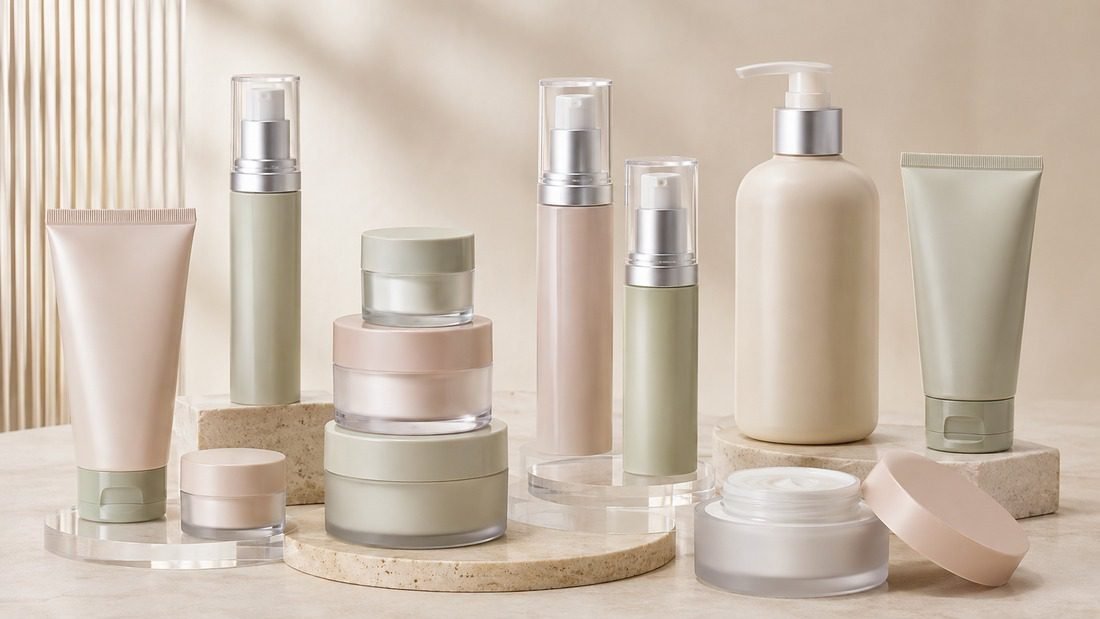
What Does This Roadmap Actually Solve?
Many distributors in Malaysia, Indonesia, Vietnam, Thailand and the Philippines want to launch or expand a cream and lotion line. The obstacle is rarely demand. It is the gap between a brand idea and a repeatable supply chain.
Formulation choices, active ingredient sourcing, stability in hot and humid climates, halal and ASEAN Cosmetic Directive documentation, MOQ planning and shipping schedules all interact. A weak link in any one of them shows up later as separation, colour drift or customs delays. This roadmap turns those moving parts into a clear sequence you can follow with any qualified OEM/ODM partner.
The Core Building Blocks of Cream & Lotion Formulation
A cream or lotion is an emulsion: water, oil, emulsifiers, thickeners, preservatives, actives and fragrance, balanced so the product stays stable through its shelf life. For distributors, the practical question is not chemistry for its own sake, but which choices affect cost, claims and stability in your market.
Key ingredient categories and what they mean for you
| Ingredient category | Typical function | Distributor consideration |
|---|---|---|
| Emollients and oils | Soften and smooth skin feel | Cost driver; check oxidation stability in heat |
| Humectants (e.g. glycerin) | Help skin hold moisture | Widely accepted; watch viscosity changes |
| Emulsifiers | Keep oil and water mixed | Critical for tropical stability testing |
| Preservatives | Help protect against microbial growth | Must match local regulatory limits |
| Actives | Support appearance benefits | Claims wording and dosage matter |
| Fragrance and colour | Sensory and branding | Allergen labelling and batch consistency |
For a deeper view of how these categories are combined, see our overview of Cream & Lotion.
Formulation routes: stock versus custom
Stock bases speed up launch and reduce development cost. Custom Formula development suits distributors who need a distinct texture, a specific active story or a regional scent profile. Most Southeast Asian distributors begin with a proven base, then customise texture, fragrance and packaging.
Ingredient Sourcing Decisions That Protect Your Margin
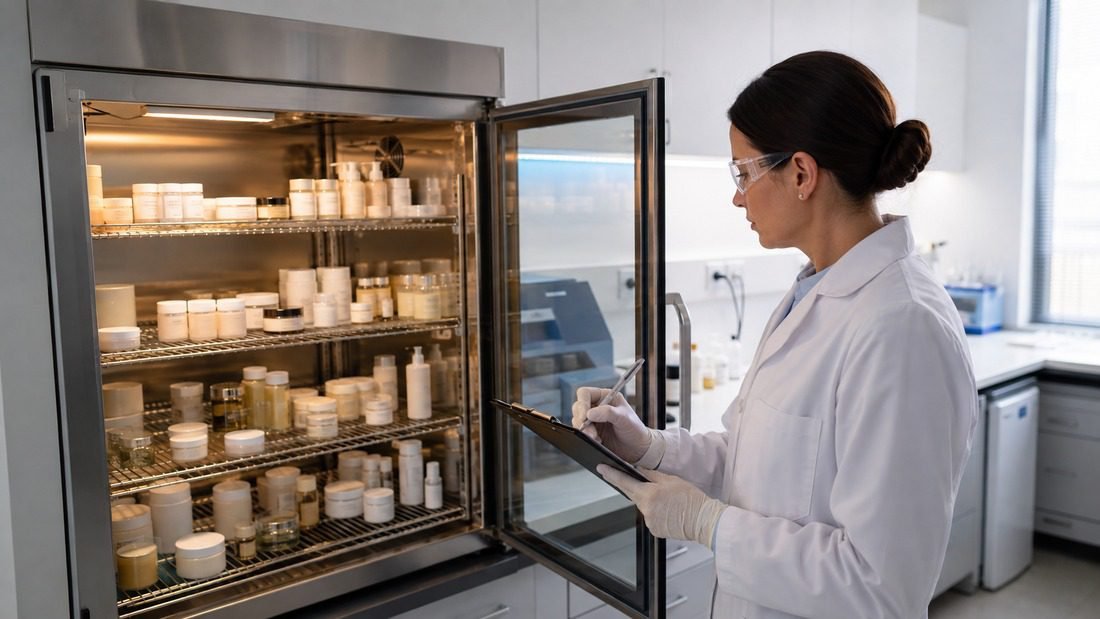
Cream & lotion raw material sourcing china remains the dominant route for most Southeast Asian distributors because of scale, ingredient breadth and cost. The key is verification, not simply price. Ask for specification sheets, certificates of analysis, allergen statements and origin documentation for every critical raw material.
Active ingredients: claims versus reality
When sourcing actives such as niacinamide, hyaluronic acid or botanical extracts, confirm the assay level, the recommended use rate and the claim wording permitted in each target country. Use compliant phrasing such as “helps improve the appearance of dry skin” rather than medical assertions. Dosage above or below the recommended range affects both stability and the credibility of your label.
Stability in tropical climates
Heat and humidity accelerate emulsion breakdown and preservative challenge. Request accelerated stability data, and where possible run a local real-time test in your warehouse conditions. Products destined for Body Care ranges often need richer textures that still absorb quickly in humid weather.
A Practical Step-by-Step Implementation Plan
Step 1: Define the range before the formula
Decide how many SKUs, which sizes and which price tiers you will sell. A tight launch range of three to five cream and lotion SKUs is easier to manage than a wide catalogue, and it keeps MOQ and working capital predictable.
Step 2: Screen suppliers against a fixed checklist
Use the same questions for every candidate: certificates held, testing capability, MOQ, lead time, documentation package and experience with your region. Our Quality Control page shows the kind of process evidence a serious partner should provide.
Step 3: Sample, test and only then commit
Order samples, evaluate texture and scent, then confirm stability and compatibility with your chosen pack. Sample Development lets you test before bulk commitment, which is far cheaper than correcting a failed launch.
Step 4: Lock packaging and documentation early
Packaging lead times often exceed formula lead times. Align jar, tube and pump decisions with Packaging Design support, and prepare labels, ingredient lists and certificates in parallel.
Step 5: Plan bulk production and export
Confirm the production window, inspection points and shipping schedule. Bulk Production and Export Support should be discussed together so that documentation, labelling and freight do not become last-minute bottlenecks.
How Distributors in Different Markets Approach This
A distributor in the UK typically prioritises CPSR documentation and UK responsible person arrangements before listing a cream and lotion range. Their lesson for Southeast Asian buyers is simple: paperwork designed early avoids relaunch costs.
A UAE-based importer often needs Arabic labelling and halal-friendly documentation, which pushes ingredient traceability to the front of the sourcing conversation. Distributors in the United States now plan for MoCRA facility registration and product listing, so they request evidence of manufacturing registration before signing.
In Australia, importers focus on ingredient compliance and claims substantiation, which encourages conservative, well-documented active levels. Across Southeast Asia, distributors in Vietnam, Indonesia and the Philippines increasingly combine these habits: verified raw materials, clear claim wording and complete export documentation. The common thread is that formulation and ingredient sourcing are treated as one project, not two.

Frequently Asked Questions
How long does a private label cream and lotion launch take?
With an existing base formula, sampling and evaluation typically take a few weeks, followed by stability checks, packaging and bulk production. A realistic first shipment window is often three to five months, depending on documentation and packaging complexity.
Is sourcing raw materials from China still competitive in 2027?
Yes, for most cream and lotion categories. The advantage now comes from ingredient breadth and documentation quality rather than price alone. Verify certificates of analysis and stability data before committing.
What documents should a distributor request?
Ask for ingredient specifications, certificates of analysis, safety assessment or cosmetic product documentation, stability reports, GMP evidence and labelling support. Requirements vary by country, so confirm with your local regulatory adviser.
Can one formula serve multiple Southeast Asian markets?
Often yes, if the claim wording and labelling are adapted per country. Some markets require additional registration steps, so plan documentation early and keep ingredient lists consistent.
How do I control quality across repeat orders?
Agree on a written specification, retain a golden sample, and request batch records and inspection reports. Our Testing & Inspection process explains how this is handled in practice.
Author Trust Module

 Scan to WhatsApp
About the Author
David Zhang has spent years in skincare formulation and quality control at Flavor Sources, a GMP ISO 22716-certified private label manufacturer based in Dongguan, China, serving brands in 50+ countries since 2000. Reach out to David's team for a custom formula consultation →
Next Step: Build Your 2027 Cream & Lotion Range With Confidence
If you are mapping out a private label cream lotion distributors southeast asia formulation ingredient sourcing plan, start with a conversation rather than a purchase order. You can request a sample to evaluate texture and stability, or get a quote for your target volumes. Distributors ready to scale can also review our For Distributors programme and compare Cream & Lotion options before finalising the range.