Hair Care vs Leave-In Conditioner Packaging & Branding: 2028 Ultimate Guide
When planning your 2028 product line, the decision between traditional hair care and leave-in conditioner involves distinct packaging and branding strategies. Hair care vs leave-in conditioner packaging branding requires careful consideration of format, materials, and market positioning. This guide provides a comprehensive comparison to help you make informed choices for a reliable and successful launch.
Table of Contents
- Understanding the Core Differences
- Packaging Comparison: Formats, Materials, and Sustainability
- Branding Strategies for Hair Care vs Leave-In Conditioner
- Practical Tips for Your 2028 Product Line
- Case Studies: Successful Launches in Diverse Markets
- Frequently Asked Questions
- 1. What are the key packaging differences between hair care and leave-in conditioner?
- 2. How can I brand my hair care and leave-in conditioner lines to stand out?
- 3. What sustainable packaging options are available for hair care products?
- 4. Should I offer both hair care and leave-in conditioner in my product line?
- 5. How do I choose the right manufacturer for my hair care line?
- Ready to Launch Your 2028 Hair Care Line?
Understanding the Core Differences
Hair care encompasses a broad range of products like shampoos, conditioners, and treatments, typically used in the shower and rinsed out. Leave-in conditioners, on the other hand, are applied to damp or dry hair and remain in the hair throughout the day. This fundamental difference in usage dictates packaging and branding approaches. For traditional hair care, packaging must withstand wet environments and often features larger sizes. Leave-in products require packaging that supports precise application and portability. Understanding these core differences is essential for effective hair care vs leave-in conditioner packaging branding.
Packaging Comparison: Formats, Materials, and Sustainability
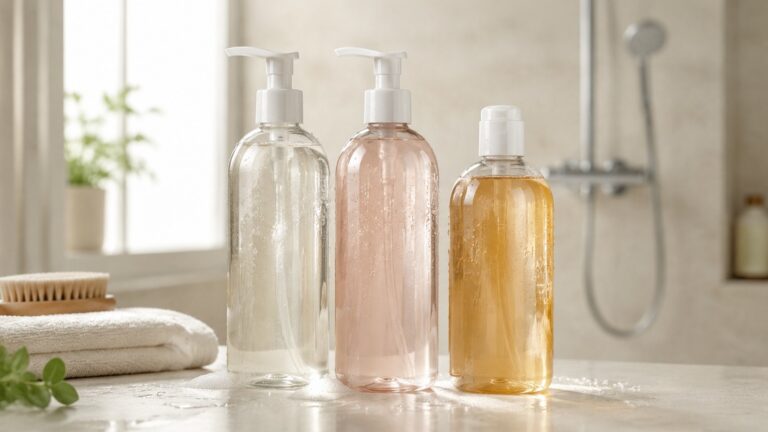
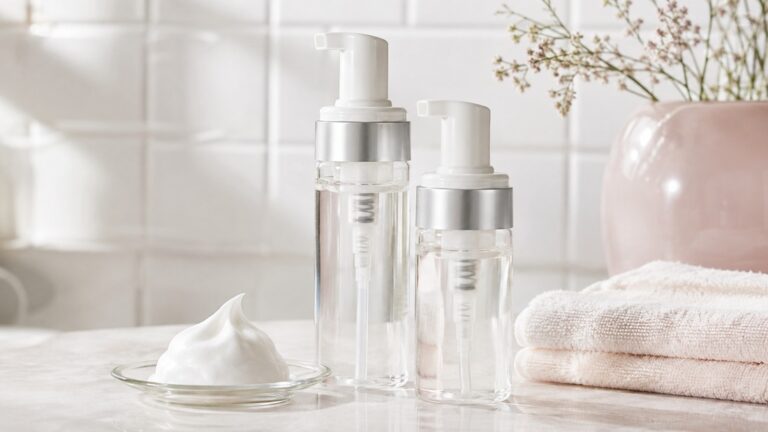
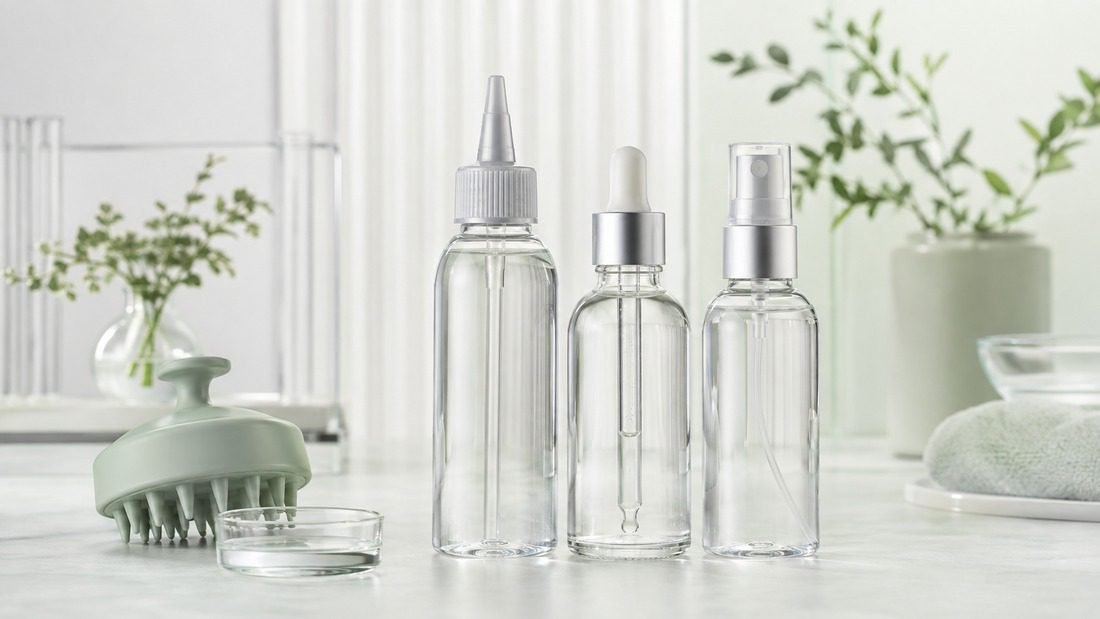
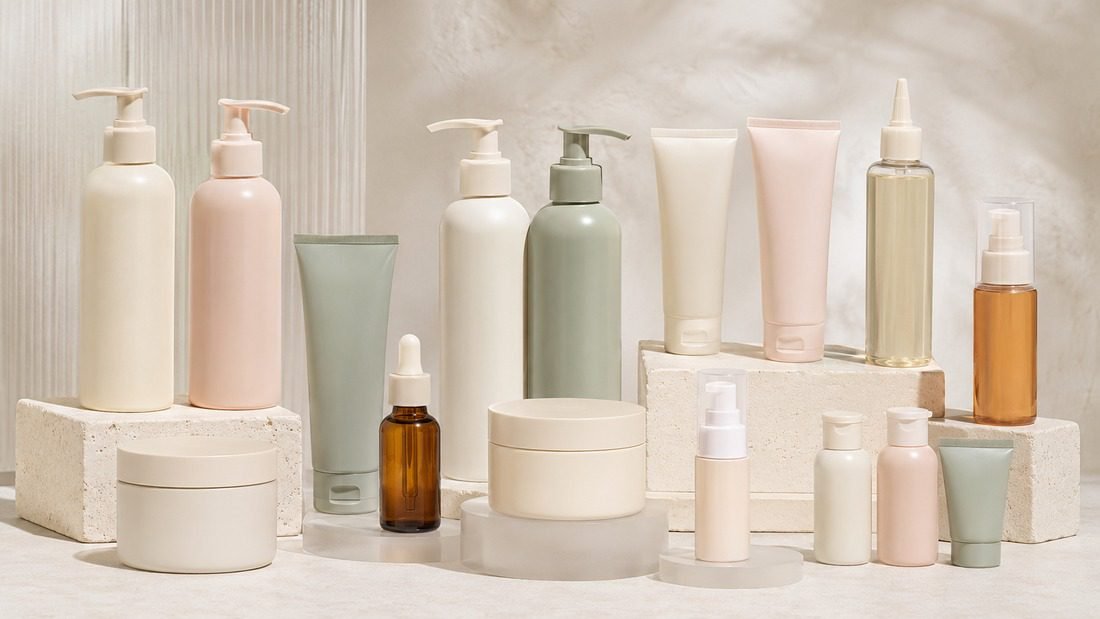
When comparing packaging for hair care vs leave-in conditioner, several factors come into play. Traditional hair care products like shampoos and rinse-out conditioners are commonly packaged in large bottles (250ml-1L) made of HDPE or PET, often with flip-top or disc-top caps for easy dispensing in the shower. Leave-in conditioners, being more concentrated and used sparingly, typically come in smaller bottles (100-250ml) or tubes, often with spray or pump dispensers for controlled application. Sustainability is a growing concern; both categories are seeing increased use of recycled plastics (PCR) and refillable options. For hair care, large formats can benefit from refill pouches to reduce plastic waste. For leave-in, concentrated formulas allow for smaller packaging, inherently reducing material usage. A comparison table below summarizes key packaging aspects.
| Aspect | Hair Care (Shampoo/Conditioner) | Leave-In Conditioner |
|---|---|---|
| Typical Formats | Bottles (250ml-1L), jars | Bottles (100-250ml), tubes, sprays |
| Common Materials | HDPE, PET, PP | PET, HDPE, aluminum (for sprays) |
| Dispensing | Flip-top, disc-top, pump | Pump, spray, flip-top, tube orifice |
| Sustainability Focus | Refill pouches, PCR content | Concentrated formulas, smaller sizes, PCR |
| Labeling Needs | Water-resistant labels, large area for info | Compact labels, clear instructions |
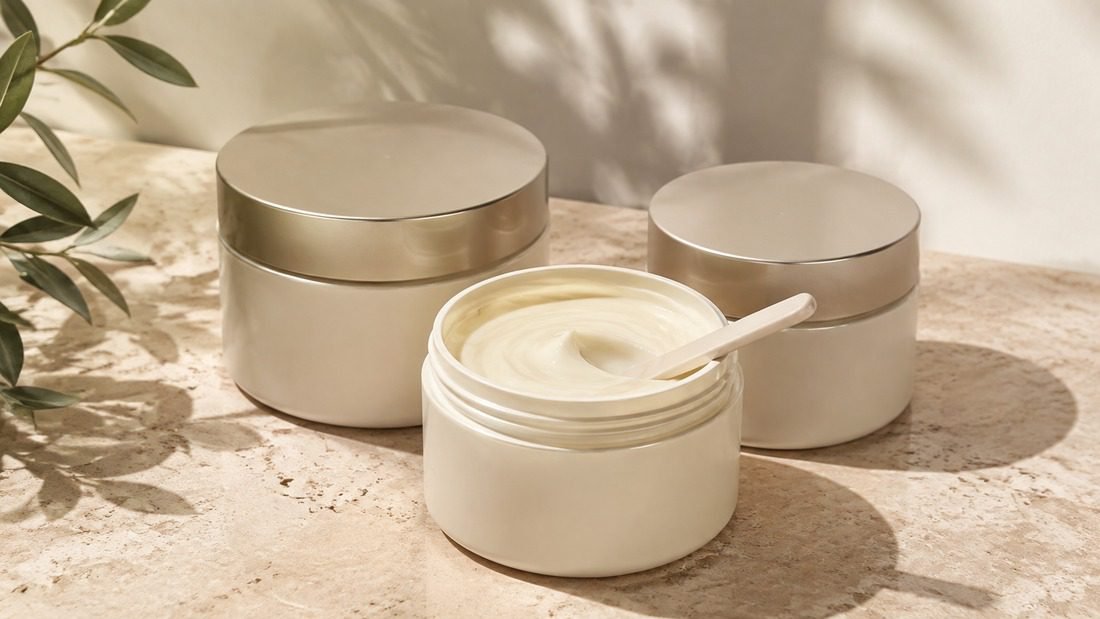
Branding Strategies for Hair Care vs Leave-In Conditioner
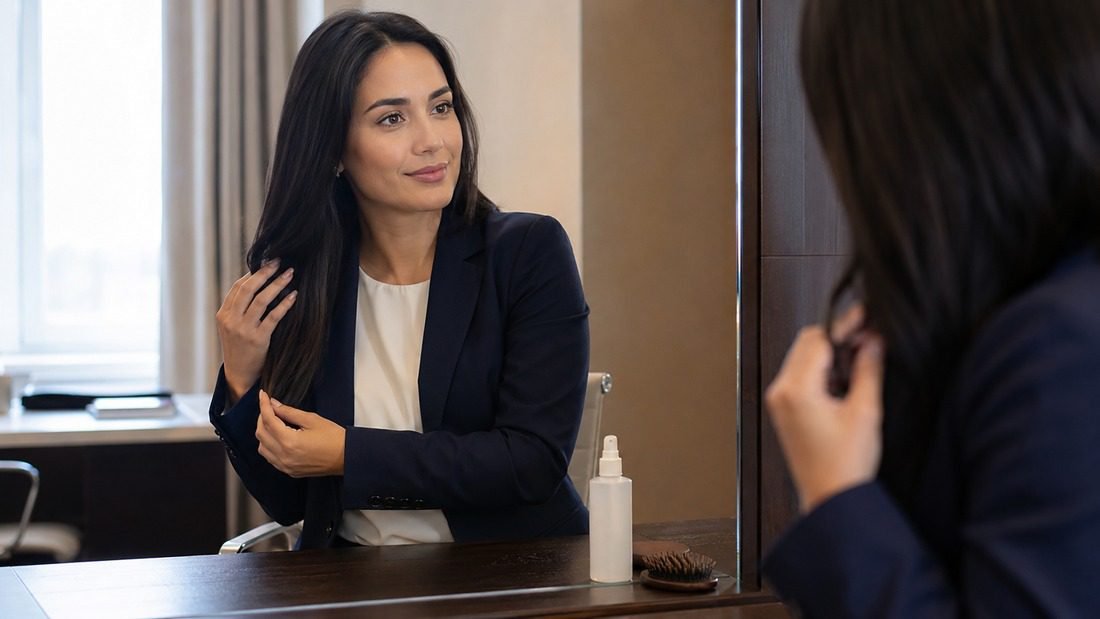
Branding for hair care often emphasizes trust, efficacy, and family-friendly appeal. Visuals may include images of healthy hair, natural ingredients, and claims like “deep repair” or “color protection.” For leave-in conditioner, branding tends to highlight convenience, lightweight feel, and on-the-go lifestyle. Messaging might focus on “no rinse needed” or “all-day moisture.” The target audience for leave-in skews younger and more urban, while hair care appeals to a broader demographic. When developing hair care vs leave-in conditioner packaging branding, consider these audience nuances. For private label hair care comparison, brands often differentiate by offering both formats under one umbrella, using consistent brand elements but distinct sub-lines. This approach leverages brand equity while catering to diverse consumer needs.
Practical Tips for Your 2028 Product Line
- Conduct Market Research: Identify gaps in the hair care vs leave-in conditioner space. Look for trending ingredients like fermented rice water or sustainable packaging demands.
- Choose Packaging that Aligns with Usage: For hair care, prioritize durability and ease of use in wet environments. For leave-in, focus on precise dispensing and portability.
- Leverage Sustainable Options: Consider PCR plastics, refillable systems, or concentrated formulas to appeal to eco-conscious consumers.
- Develop Clear Brand Messaging: Differentiate your hair care and leave-in lines with distinct value propositions while maintaining brand consistency.
- Partner with an Experienced Manufacturer: Work with a manufacturer that offers comprehensive Packaging Design and Custom Formula services to bring your vision to life.
Case Studies: Successful Launches in Diverse Markets
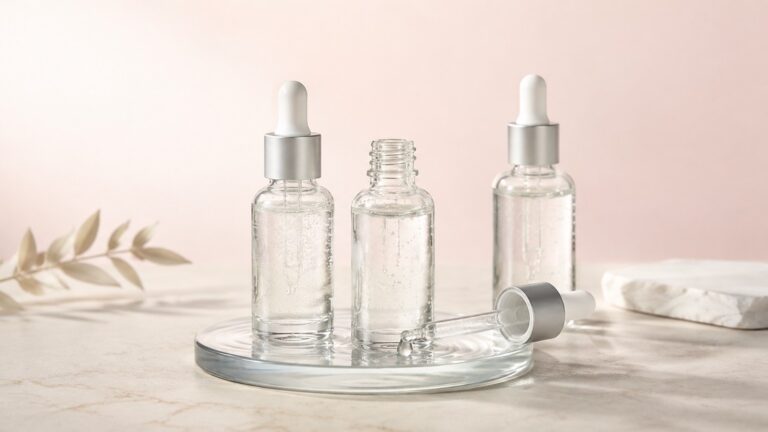
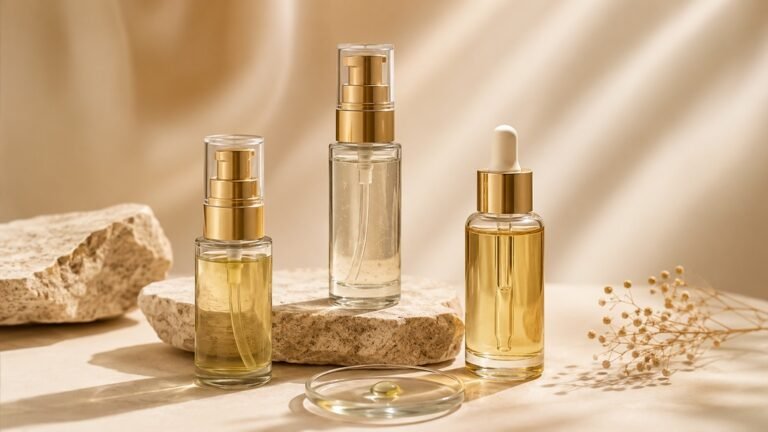
In the UK, a private label brand launched a hair care line with refillable bottles and a matching leave-in conditioner in a compact spray format. The refill system reduced plastic waste by 70%, resonating with eco-conscious consumers, while the leave-in spray became a cult favorite for its convenience. In the UAE, a distributor introduced a luxury hair care range featuring ornate packaging and a complementary leave-in serum in a glass dropper bottle, capturing the premium market. In Australia, an e-commerce seller focused on natural ingredients, offering a solid shampoo bar and a leave-in conditioner in a recycled aluminum bottle, appealing to minimalist and sustainable lifestyles. These examples illustrate how hair care vs leave-in conditioner packaging branding can be tailored to local preferences and values. For more inspiration, explore our Case Studies.
Frequently Asked Questions
1. What are the key packaging differences between hair care and leave-in conditioner?
Hair care products typically use larger bottles with flip-top caps for in-shower use, while leave-in conditioners often come in smaller bottles or tubes with pumps or sprays for precise application. Materials may vary, with leave-in products sometimes using aluminum for spray formats.
2. How can I brand my hair care and leave-in conditioner lines to stand out?
Focus on distinct value propositions: hair care can emphasize efficacy and trust, while leave-in can highlight convenience and lifestyle. Use consistent brand elements but differentiate through sub-lines, colors, and messaging. Consider sustainable packaging to appeal to modern consumers.
3. What sustainable packaging options are available for hair care products?
Options include PCR plastics, refillable bottles and pouches, concentrated formulas that reduce packaging size, and biodegradable materials. For leave-in conditioners, concentrated serums in small glass bottles or aluminum sprays are popular sustainable choices.
4. Should I offer both hair care and leave-in conditioner in my product line?
Offering both can cater to different consumer needs and increase shelf presence. Many brands successfully use a unified brand identity with distinct sub-lines. Conduct market research to ensure demand and align with your brand strategy.
5. How do I choose the right manufacturer for my hair care line?
Look for a manufacturer with expertise in hair care formulations, packaging design, and compliance. Ensure they offer sample development and can support your target markets. Flavor Sources provides comprehensive OEM/ODM services; learn more about our Hair Care capabilities.

 Scan to WhatsApp
About the Author
David Zhang has spent years in skincare formulation and quality control at Flavor Sources, a GMP ISO 22716-certified private label manufacturer based in Dongguan, China, serving brands in 50+ countries since 2000. Reach out to David's team for a custom formula consultation →
Ready to Launch Your 2028 Hair Care Line?
Whether you choose traditional hair care, leave-in conditioner, or both, Flavor Sources is here to support your journey. As a trusted OEM/ODM manufacturer, we offer end-to-end services from formula development to packaging and export. To make confident decisions, request a sample of our hair care products or get a quote for your custom project. Let us help you create a product line that stands out in the competitive market. Explore our Hair Care solutions today.