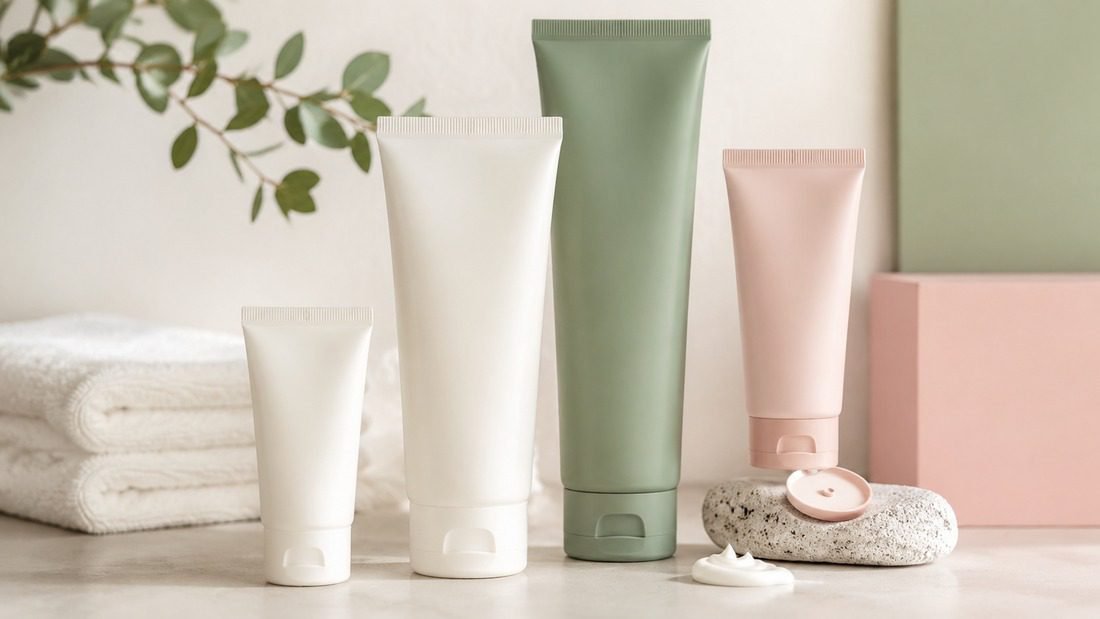
The Ultimate 2027 Q3 Guide to Finding a Reliable GMP-Certified Body Care Manufacturer in China
Finding a GMP-Certified Body Care Manufacturer in China for 2027 Q3
For B2B buyers planning 2027 Q3 launches, selecting a body care manufacturer china 2027 q3 that holds GMP certification is essential. This guide provides a direct answer: prioritize manufacturers with ISO 22716 and GMPc certifications, verified audit reports, and a proven track record in body care production. Use this framework to shortlist reliable partners.
Table of Contents
- Finding a GMP-Certified Body Care Manufacturer in China for 2027 Q3
- Why Sourcing Body Care in 2027 Q3 Requires a New Approach
- Key Criteria for Evaluating a GMP-Certified Body Care Manufacturer
- Practical Steps to Shortlist and Engage Suppliers
- Case Evidence: Lessons from Global Buyers
- Frequently Asked Questions (FAQ)
- 1. What does GMP certification mean for a body care manufacturer?
- 2. How can I verify a manufacturer's GMP certificate?
- 3. What is the typical lead time for body care production in China?
- 4. What are the common pitfalls when sourcing from China?
- 5. How do I ensure my products comply with EU or US regulations?
- Ready to Start Your 2027 Q3 Body Care Line?
Why Sourcing Body Care in 2027 Q3 Requires a New Approach
The global body care market is projected to grow steadily, with consumers demanding higher quality and transparency. According to Grand View Research, the market is expected to reach USD 45.6 billion by 2027, driven by natural and organic products. For B2B buyers, this means sourcing from manufacturers who can meet stringent quality standards.
However, the landscape in China is complex. Thousands of suppliers claim GMP certification, but not all are created equal. The 2027 Q3 timeframe adds urgency: buyers need partners who can scale production, navigate regulatory changes, and deliver on time. A body care manufacturer china 2027 q3 must demonstrate robust quality systems and export readiness.
Key Criteria for Evaluating a GMP-Certified Body Care Manufacturer
When assessing potential suppliers, focus on these critical factors:
1. Certification and Compliance
GMP (Good Manufacturing Practice) certification for cosmetics often refers to ISO 22716, the international standard for cosmetics GMP. Verify that the manufacturer holds a valid certificate from a recognized body. Additionally, check for compliance with target market regulations, such as EU CPSR or FDA MoCRA. A reputable GMP-certified body care manufacturer will provide certificates and audit reports upon request.
2. Production Capabilities and Capacity
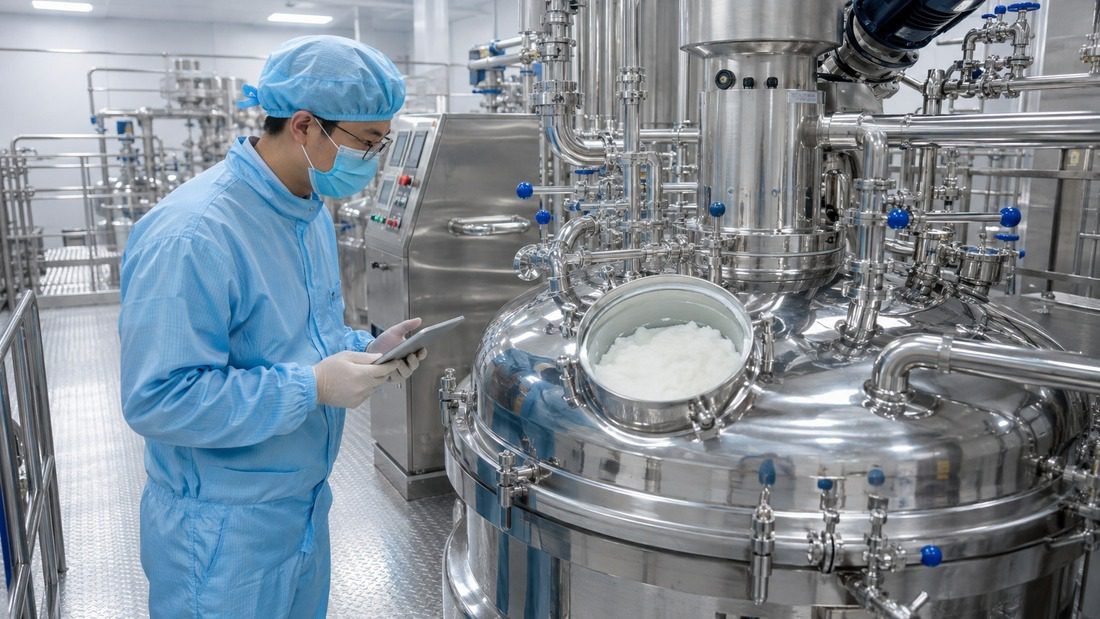
Evaluate the manufacturer's production lines, equipment, and capacity. Can they handle your order volume? Do they have dedicated body care lines? For example, a top private label body care factory should have automated filling and packaging systems. Request a virtual or in-person factory tour to assess cleanliness and organization.
3. Quality Control and Testing
Robust quality control is non-negotiable. Look for in-house testing laboratories, stability testing protocols, and microbial testing. The manufacturer should follow a documented quality management system. Ask for their quality control procedures and recent testing reports.
4. Research and Development
A strong R&D team indicates innovation and problem-solving capability. Check if they can develop custom formulas or adapt existing ones. For body care, this includes expertise in emulsions, surfactants, and natural ingredients.
5. Export Experience and Support
If you are importing, the manufacturer must have experience with export documentation, logistics, and regulatory requirements. They should offer support with customs clearance and product registration.
To simplify, here is a comparison table of key criteria:
| Criterion | What to Look For | Red Flags |
|---|---|---|
| Certification | ISO 22716, GMPc, FDA registration | No verifiable certificates |
| Production Capacity | Automated lines, sufficient capacity | Outdated equipment, limited capacity |
| Quality Control | In-house lab, documented procedures | No testing reports, vague processes |
| R&D | Custom formulation, stability testing | No R&D team, only standard formulas |
| Export Support | Experience with target markets, documentation | No export experience, poor communication |
Practical Steps to Shortlist and Engage Suppliers
Step 1: Define Your Requirements
Clearly outline your product specifications, target markets, order volumes, and timeline. This will help you filter suppliers efficiently.
Step 2: Request Information and Samples
Contact potential suppliers and request their company profile, certifications, and product samples. Evaluate sample quality and responsiveness.
Step 3: Conduct Audits
Schedule a factory audit, either on-site or via video. Use a checklist based on GMP standards. Verify that the manufacturer's practices align with their claims.
Step 4: Negotiate and Contract
Discuss pricing, MOQs, lead times, and payment terms. Ensure the contract includes quality guarantees and penalties for non-compliance.
Step 5: Monitor Production
Once production begins, maintain regular communication and request progress updates. Consider third-party inspections for large orders.

Case Evidence: Lessons from Global Buyers
Buyers from various countries have successfully sourced body care from China when following a rigorous selection process. For instance, a UK-based brand launched a line of moisturizers after partnering with a GMP-certified manufacturer that provided full regulatory support for EU compliance. Similarly, a UAE distributor expanded its portfolio with private label body care products, leveraging the manufacturer's export expertise to navigate Middle Eastern regulations.
In Australia, an e-commerce seller achieved fast turnaround by choosing a manufacturer with agile small-batch production capabilities. These cases highlight the importance of aligning supplier strengths with market needs. While specific company names are withheld, the patterns are clear: thorough due diligence and clear communication lead to successful outcomes.
Frequently Asked Questions (FAQ)
1. What does GMP certification mean for a body care manufacturer?
GMP certification indicates that the manufacturer follows good manufacturing practices, ensuring products are consistently produced and controlled according to quality standards. For cosmetics, ISO 22716 is the recognized standard.
2. How can I verify a manufacturer's GMP certificate?
Request a copy of the certificate and verify it with the issuing body. Check the scope of certification to ensure it covers body care products. You can also ask for audit reports.
3. What is the typical lead time for body care production in China?
Lead times vary based on order size and complexity, but typically range from 30 to 60 days after sample approval. Custom formulas may require additional time.
4. What are the common pitfalls when sourcing from China?
Common pitfalls include choosing suppliers based solely on price, failing to verify certifications, and inadequate quality control. Thorough vetting and clear contracts mitigate risks.
5. How do I ensure my products comply with EU or US regulations?
Work with a manufacturer experienced in your target market. They should provide documentation such as CPSR for the EU or assist with FDA registration for the US. Always confirm regulatory compliance before production.

 Scan to WhatsApp
About the Author
David Zhang has spent years in skincare formulation and quality control at Flavor Sources, a GMP ISO 22716-certified private label manufacturer based in Dongguan, China, serving brands in 50+ countries since 2000. Reach out to David's team for a custom formula consultation →
Ready to Start Your 2027 Q3 Body Care Line?
Finding the right body care manufacturer china 2027 q3 is a critical step for your business. At Flavor Sources, we are a GMP-certified manufacturer with extensive experience in body care. We offer Body Care manufacturing, Custom Formula development, and Packaging Design services. To ensure your products meet the highest standards, we provide Testing & Inspection and Export Support. For startups, our Sample Development service helps you test the market. Request a free sample or get a quote today to discuss your project. Let us be your trusted partner for body care excellence.