Complete 2027 Guide to Baby Care Compliance Certification for Importers: Reliable Market Entry
Navigating baby care compliance certification importers face in 2027 is complex but manageable with the right partner. This guide breaks down EU CPSR, FDA MoCRA, ISO 22716, and halal requirements, ensuring your products meet global standards. For importers, understanding these certifications is crucial to avoid delays and ensure market access. With a reliable manufacturer, you can streamline the process and focus on growing your brand.
Table of Contents
- What Is Baby Care Compliance Certification for Importers?
- The 2027 Regulatory Landscape: What's Changing?
- Essential Certifications for Baby Care Products
- How to Choose a Compliant Baby Care Manufacturer
- Practical Steps for Importers to Achieve Compliance
- Case Studies: Successful Compliance in Key Markets
- FAQ: Baby Care Compliance Certification for Importers
- 1. What is the difference between EU CPSR and FDA MoCRA?
- 2. Is ISO 22716 mandatory for baby care products?
- 3. How long does it take to obtain halal certification?
- 4. Can I use my own formula with a certified manufacturer?
- 5. What happens if my products are not compliant?
- 6. How often do certifications need to be renewed?
- Conclusion: Secure Your Market Entry with Certified Baby Care
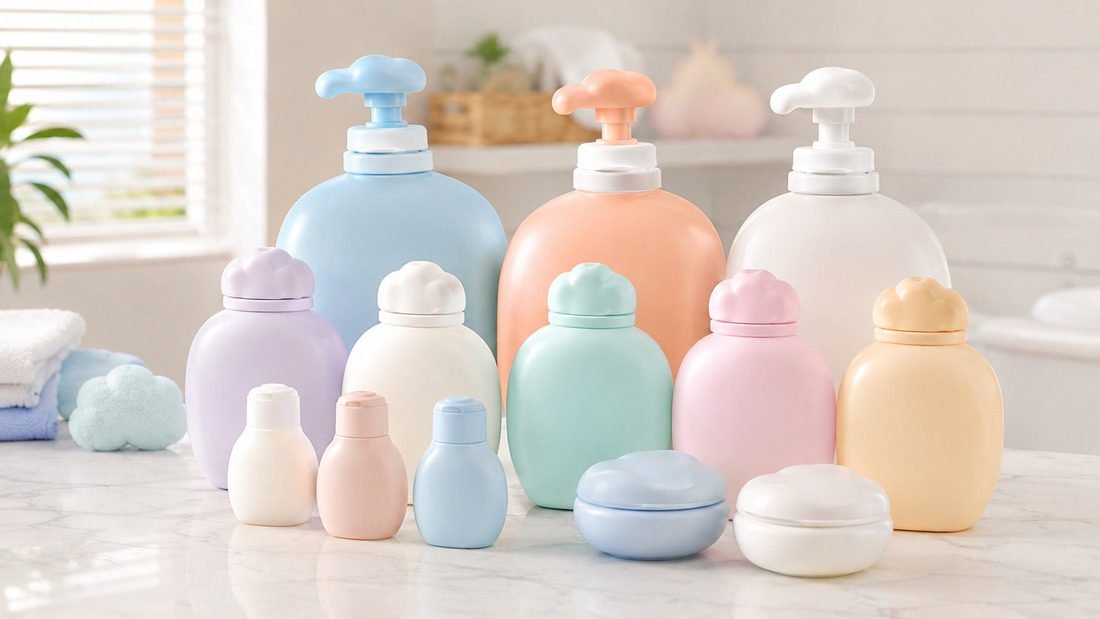
What Is Baby Care Compliance Certification for Importers?
Baby care compliance certification for importers refers to the set of regulatory requirements and standards that baby care products must meet before they can be legally sold in a target market. These certifications ensure product safety, quality, and efficacy, protecting both consumers and importers from legal and financial risks. In 2027, the landscape is expected to evolve with stricter regulations, making it essential for importers to stay informed and partner with certified manufacturers.
Key Regulatory Bodies and Standards
- EU: Cosmetic Products Regulation (EC) No 1223/2009 requires a Cosmetic Product Safety Report (CPSR) and notification via CPNP.
- US: FDA's Modernization of Cosmetics Regulation Act (MoCRA) mandates facility registration, product listing, and adverse event reporting.
- International: ISO 22716 provides guidelines for Good Manufacturing Practices (GMP) for cosmetics.
- Halal: For Muslim-majority markets, halal certification ensures products comply with Islamic law.
Importers must verify that their manufacturing partner holds these certifications to ensure smooth customs clearance and market acceptance.
The 2027 Regulatory Landscape: What's Changing?
By 2027, several regulatory updates will impact baby care imports. The EU is expected to tighten restrictions on certain preservatives and fragrances, requiring updated safety assessments. The FDA will likely increase enforcement of MoCRA, with mandatory electronic submissions. Additionally, more countries are adopting ISO 22716 as a baseline for GMP, and halal certification is gaining traction beyond traditional markets. Importers should proactively update their compliance strategies.
Impact on Importers
- Increased documentation requirements.
- Higher testing and certification costs.
- Need for traceability and transparency.
- Potential delays if manufacturers are not certified.
To mitigate risks, importers should source from manufacturers with a proven track record in compliance.
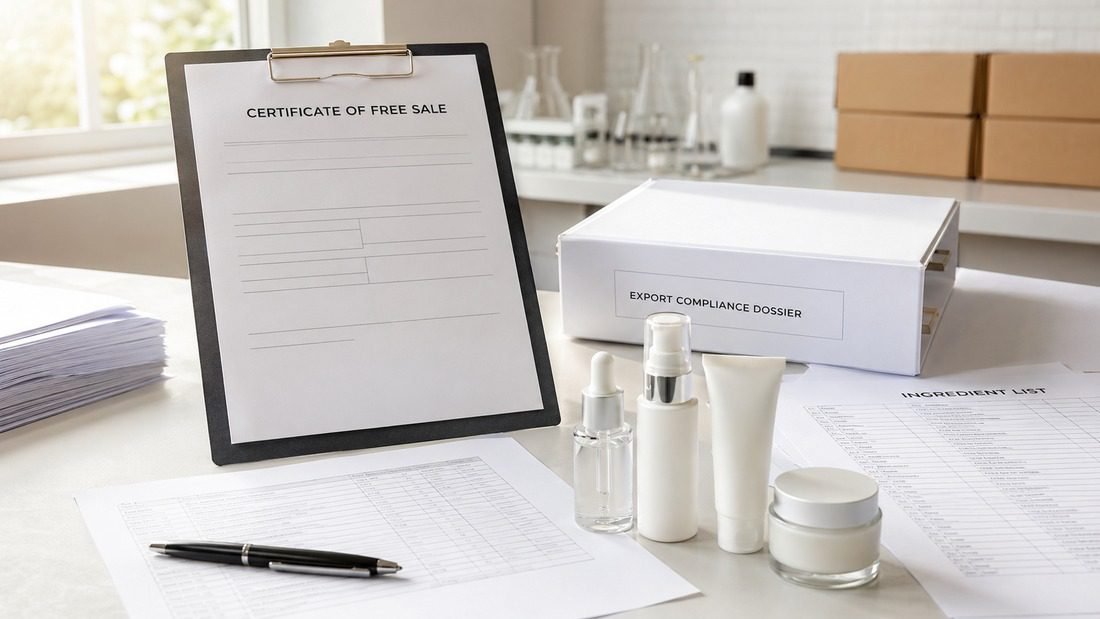
Essential Certifications for Baby Care Products
When importing baby care products, certain certifications are non-negotiable. Below is a comparison of key certifications and their relevance.
| Certification | Region | Purpose | Validity |
|---|---|---|---|
| EU CPSR | European Union | Safety assessment for cosmetic products | Product-specific, updated with formula changes |
| FDA MoCRA | United States | Facility registration and product listing | Facility registration biennial; product listing ongoing |
| ISO 22716 | International | GMP guidelines for cosmetics | Certification valid for 3 years |
| Halal | Global (Muslim markets) | Compliance with Islamic law | Annual renewal |
| GMP | Global | Good Manufacturing Practices | Varies by certifying body |
EU CPSR: Detailed Requirements
The EU CPSR is a comprehensive safety report prepared by a qualified safety assessor. It includes toxicological data, stability testing, and packaging compatibility. Importers must ensure the CPSR is available before placing products on the EU market. The report must be updated if the formula or packaging changes.
FDA MoCRA: What Importers Need to Know
MoCRA requires cosmetic facilities to register with the FDA and list products. Importers must ensure their manufacturer is registered and that product listings are accurate. Failure to comply can result in product detention at customs. The FDA has increased scrutiny on baby care products due to their sensitive nature.
ISO 22716 and GMP: Quality Assurance
ISO 22716 provides a framework for quality management in cosmetics manufacturing. It covers production, control, storage, and shipment. A GMP-certified manufacturer ensures consistent product quality and safety. Importers should request audit reports and certificates to verify compliance.
Halal Certification: Expanding Market Access
Halal certification is essential for markets in the Middle East, Southeast Asia, and increasingly in Western countries with Muslim populations. It assures consumers that products do not contain prohibited ingredients and are produced according to Islamic principles. The certification process involves audits and ingredient verification.
How to Choose a Compliant Baby Care Manufacturer
Selecting the right manufacturer is critical. Here are key factors to consider:
- Certifications: Verify ISO 22716, GMP, and relevant regional certifications.
- Experience: Look for a manufacturer with a history of exporting to your target market.
- Testing: Ensure they conduct stability, microbiological, and safety testing.
- Documentation: They should provide complete documentation for customs and regulatory submissions.
- Communication: A responsive team can help navigate regulatory changes.
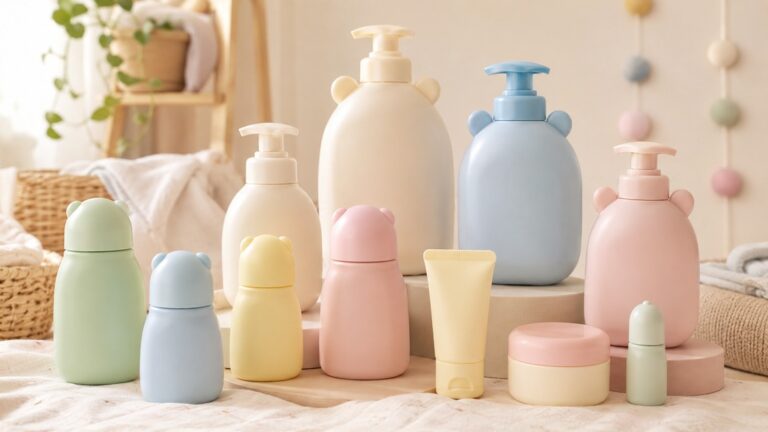
At Flavor Sources, we hold ISO 22716, GMP, and other certifications, and we offer full support for importers. Our Baby Care line is designed with compliance in mind.
Practical Steps for Importers to Achieve Compliance
- Identify Target Market Regulations: Research specific requirements for each country.
- Partner with a Certified Manufacturer: Ensure they have the necessary certifications.
- Obtain Required Documentation: Collect CPSR, MoCRA registration, ISO certificates, etc.
- Conduct Product Testing: Verify safety and stability.
- Label Appropriately: Meet labeling requirements, including ingredient lists and warnings.
- Register with Authorities: Where required, register products and facilities.
- Maintain Records: Keep documentation for audits and renewals.
By following these steps, importers can minimize risks and ensure smooth market entry.
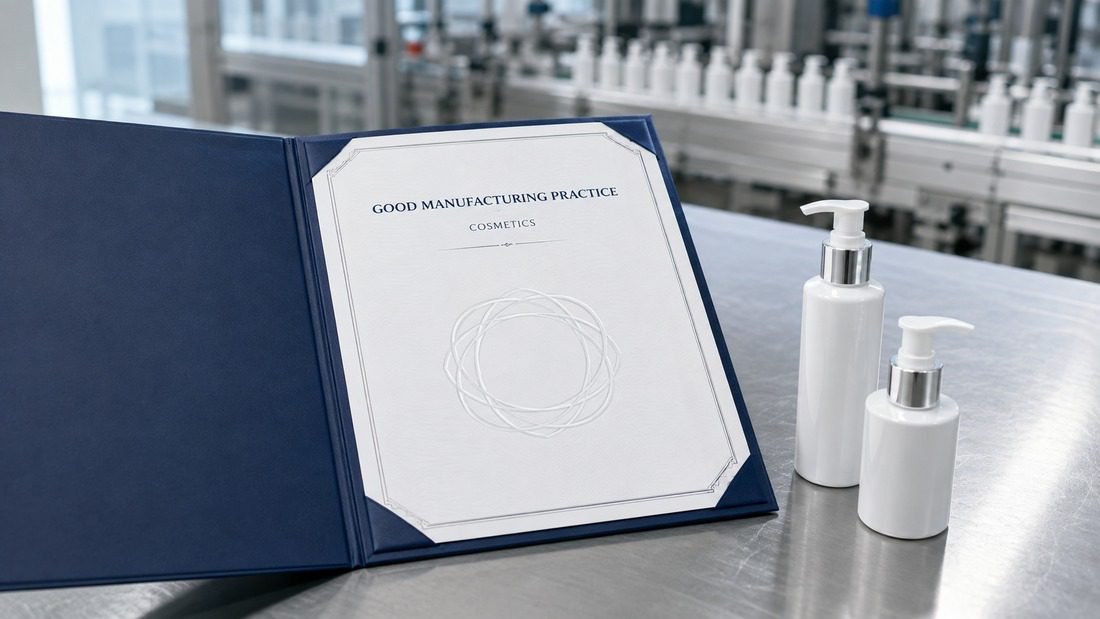
Case Studies: Successful Compliance in Key Markets
- UK: An importer sourced baby lotion from a Chinese manufacturer with ISO 22716 and EU CPSR. The product passed UK regulations and is now sold in major retailers.
- UAE: A distributor required halal-certified baby care products. By partnering with a halal-certified manufacturer, they gained access to the Middle Eastern market.
- US: An e-commerce brand ensured their manufacturer was MoCRA-compliant, avoiding customs issues and building consumer trust.
- Australia: An importer used a GMP-certified manufacturer and met AICIS requirements, enabling successful launch.
These cases highlight the importance of certification in gaining market access.
FAQ: Baby Care Compliance Certification for Importers
1. What is the difference between EU CPSR and FDA MoCRA?
EU CPSR is a safety assessment required for cosmetics in the EU, while FDA MoCRA is a US regulation requiring facility registration and product listing. Both aim to ensure product safety but have different processes and scopes.
2. Is ISO 22716 mandatory for baby care products?
ISO 22716 is not mandatory in all markets, but it is widely recognized as a benchmark for GMP. Many importers require it to ensure quality and safety.
3. How long does it take to obtain halal certification?
The timeline varies by certifying body, but typically takes 2-6 months, including audits and ingredient review.
4. Can I use my own formula with a certified manufacturer?
Yes, many manufacturers offer custom formula services. Ensure the formula complies with target market regulations and is included in the CPSR if required.
5. What happens if my products are not compliant?
Non-compliant products can be detained at customs, fined, or banned from sale. It can also damage your brand reputation.
6. How often do certifications need to be renewed?
Renewal periods vary: ISO 22716 every 3 years, halal annually, and CPSR updated with formula changes. MoCRA facility registration is biennial.

 Scan to WhatsApp
About the Author
David Zhang has spent years in skincare formulation and quality control at Flavor Sources, a GMP ISO 22716-certified private label manufacturer based in Dongguan, China, serving brands in 50+ countries since 2000. Reach out to David's team for a custom formula consultation →
Conclusion: Secure Your Market Entry with Certified Baby Care
Navigating baby care compliance certification importers in 2027 requires diligence and the right partner. By understanding key regulations and choosing a certified manufacturer like Flavor Sources, you can ensure smooth market access and build consumer trust. Ready to start? Request a sample or get a quote today. Our team is here to support your compliance journey. For more details on our certifications, visit our Certificates page. Let's bring safe, compliant baby care products to your market.