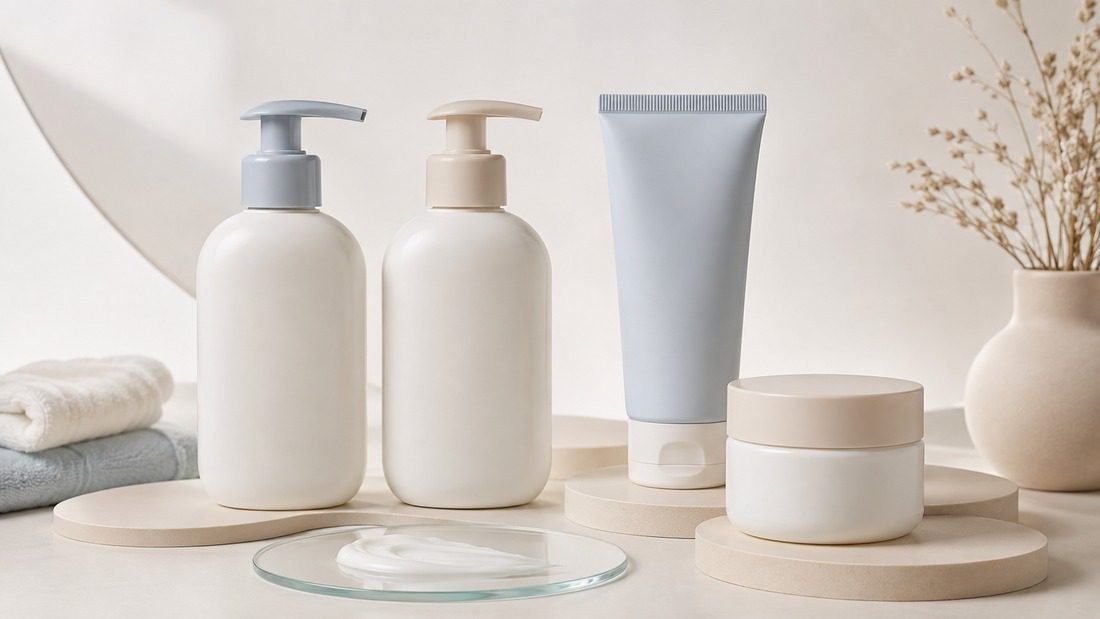
The Ultimate Baby Care Glossary for Germany Buyers in 2026: Essential Terms for Confident Sourcing

What Is a Baby Care Glossary and Why It Matters for Germany Buyers
A baby care glossary germany is a curated list of terms specific to sourcing, manufacturing, and regulating baby care products in the German market. It helps buyers, brands, and importers communicate clearly with suppliers and ensure compliance. In 2026, with evolving EU regulations, having a reliable glossary is essential for smooth procurement.
Table of Contents
- What Is a Baby Care Glossary and Why It Matters for Germany Buyers
- The Problem: Jargon Overload in Baby Care Sourcing
- Essential Baby Care Terms for Germany Buyers
- Practical Tips for Using This Glossary
- Case Evidence: How a Glossary Prevents Costly Mistakes
- Frequently Asked Questions (FAQ)
- Ready to Source Baby Care Products for Germany?
The Problem: Jargon Overload in Baby Care Sourcing
Buyers new to the German baby care market face a maze of technical terms, from “CPSR” to “OEM/ODM.” Without a clear understanding, misunderstandings can lead to costly delays, non-compliance, or product quality issues. This glossary cuts through the confusion, providing definitions and context for the most critical terms you'll encounter.
Essential Baby Care Terms for Germany Buyers
Regulatory and Compliance Terms
Understanding the regulatory landscape is non-negotiable. Here are key terms:
- EU Cosmetics Regulation (EC) No 1223/2009: The overarching framework for cosmetic products in the EU, including baby care. It sets safety, labeling, and notification requirements.
- CPSR (Cosmetic Product Safety Report): A mandatory safety assessment for each cosmetic product before it's placed on the EU market. It's prepared by a qualified safety assessor.
- CPNP (Cosmetic Products Notification Portal): The online notification system for cosmetic products in the EU. Products must be notified before sale.
- INCI (International Nomenclature of Cosmetic Ingredients): Standardized naming system for ingredients, used on labels.
- MoCRA (Modernization of Cosmetics Regulation Act): While a US regulation, it's relevant for exporters to the US, but for Germany, focus on EU rules.
For a deeper dive into compliance, refer to the EU Cosmetics Regulation.
Manufacturing and Sourcing Terms
- OEM (Original Equipment Manufacturer): A manufacturer that produces goods based on a client's specifications, often under the client's brand. The client provides the formula or design.
- ODM (Original Design Manufacturer): A manufacturer that designs and produces goods under the client's brand. The client selects from existing designs.
- Private Label: Products manufactured by a third party and sold under the retailer's brand. Similar to OEM but often implies the manufacturer has more input on formulation.
- MOQ (Minimum Order Quantity): The smallest order a manufacturer will accept.
- Lead Time: The time from order confirmation to delivery.
- Batch/Lot Number: A unique identifier for a production batch, essential for traceability.
Table 1: Comparison of OEM vs. ODM vs. Private Label
| Aspect | OEM | ODM | Private Label |
|---|---|---|---|
| Who designs? | Buyer | Manufacturer | Manufacturer (with buyer input) |
| Who formulates? | Buyer | Manufacturer | Manufacturer |
| Brand ownership | Buyer | Buyer | Buyer |
| Typical MOQ | Higher | Moderate | Variable |
| Time to market | Longer | Shorter | Shorter |
Product Development Terms
- Stability Testing: Testing to ensure product remains stable over time under various conditions.
- Challenge Test (Preservative Efficacy Test): Assesses the effectiveness of preservatives in the product.
- Dermatologically Tested: The product has been tested under dermatological control, often on sensitive skin.
- Hypoallergenic: Formulated to minimize the risk of allergic reactions, though not a guarantee.
- Tear-Free: Formulated to be less irritating to eyes, common in baby shampoos.
Packaging and Labeling Terms
- Primary Packaging: The container directly holding the product (e.g., bottle, tube).
- Secondary Packaging: Outer packaging like boxes or shrink wrap.
- PAO (Period After Opening): The symbol indicating how long the product is safe to use after opening.
- Batch Code: See Batch/Lot Number.
Practical Tips for Using This Glossary
- Prepare Your Questions: Use these terms to ask suppliers specific questions about their capabilities and compliance.
- Verify Certifications: Ask for proof of certifications like ISO 22716 (Good Manufacturing Practices for cosmetics).
- Clarify Responsibilities: In OEM/ODM agreements, clearly define who handles CPSR, CPNP notification, and labeling.
- Request Samples: Always test samples before committing to bulk production. For baby care, consider Sample Development services.
- Check References: Look for suppliers with experience in the German market. Our Case Studies show successful partnerships.
Case Evidence: How a Glossary Prevents Costly Mistakes
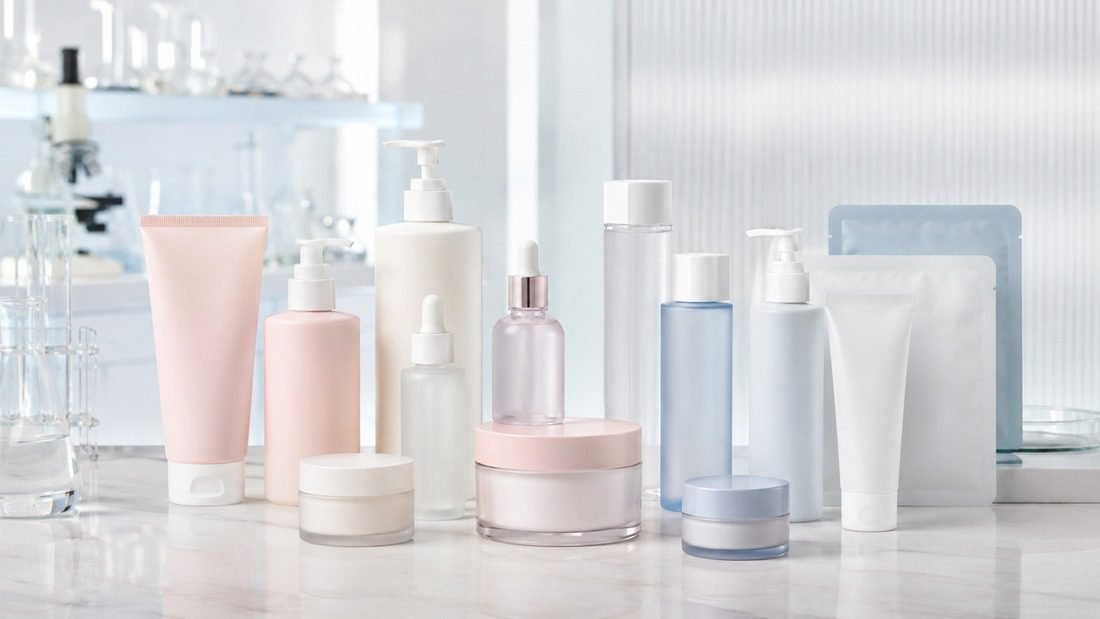
A UK-based baby brand approached us to develop a private label line for the German market. They were unfamiliar with CPSR requirements and initially planned to use their existing UK safety assessments. Our team explained that a new CPSR under EU regulations was mandatory. We guided them through the process, including Testing & Inspection and CPNP notification. The product launched successfully in Germany in 2025, with full compliance. This highlights the importance of understanding local terminology.
Similarly, a UAE distributor wanted to import baby care products into Germany. They were confused by INCI names and labeling requirements. By providing a glossary and connecting them with our Export Support team, we helped them navigate the complexities. The shipment cleared customs without issues.
Frequently Asked Questions (FAQ)
1. What is the difference between OEM and ODM in baby care?
OEM means the manufacturer produces to your specifications, while ODM means the manufacturer designs and produces the product, often with their own formula. For baby care, ODM can speed up development but may limit customization.
2. Do I need a CPSR for baby care products in Germany?
Yes, all cosmetic products, including baby care, require a CPSR before being placed on the EU market. This is non-negotiable.
3. What is the typical MOQ for private label baby care?
MOQs vary by manufacturer and product type. At Flavor Sources, we strive to accommodate startups with flexible MOQs. Contact us for details.
4. How long does it take to develop a baby care product?
Timelines depend on complexity, from 8 to 16 weeks. Factors include formulation, testing, and packaging. Our Production Process page outlines the steps.
5. Can you help with CPNP notification?
Yes, we assist with CPNP notification as part of our Export Support services. We ensure all documentation is in order.

 Scan to WhatsApp
About the Author
David Zhang has spent years in skincare formulation and quality control at Flavor Sources, a GMP ISO 22716-certified private label manufacturer based in Dongguan, China, serving brands in 50+ countries since 2000. Reach out to David's team for a custom formula consultation →
Ready to Source Baby Care Products for Germany?
Understanding the baby care glossary germany is your first step to successful sourcing. Whether you're launching a new brand or expanding an existing line, our team at Flavor Sources is here to help. We offer comprehensive OEM/ODM services, from custom formulation to packaging and compliance. To get started, request a free sample or get a quote today. Let us be your trusted partner in bringing safe, effective baby care products to the German market.