Body Care vs Body Butter Quality Control: A Complete 2028 Guide for Confident Brands
Body Care vs Body Butter Quality Control: The Direct Answer
Choosing between lotions and rich butters starts with one question: body care vs body butter quality control — which format demands more rigorous testing? The short answer: body butter requires stricter stability, microbial and fill-weight control due to its high oil load and heat sensitivity, while lotions demand tighter emulsion and viscosity discipline. Both are manageable with the right OEM partner.
Table of Contents
- Body Care vs Body Butter Quality Control: The Direct Answer
- Why This Comparison Matters for Your 2028 Line
- Body Care vs Body Butter: Format Fundamentals
- Quality Control Differences That Actually Affect Your Launch
- Practical Sourcing Advice for 2028 Product Lines
- Case Evidence from Export Markets
- Frequently Asked Questions
- Is body butter harder to quality control than body care lotion?
- How long should stability testing take before launch?
- Do anhydrous body butters need preservative efficacy testing?
- Why does fill weight vary more in whipped butters?
- Can one manufacturer handle both formats in a single line?
- What documents should I request before signing?
- About the Author
- Ready to Compare Formats for Your 2028 Range?
Why This Comparison Matters for Your 2028 Line
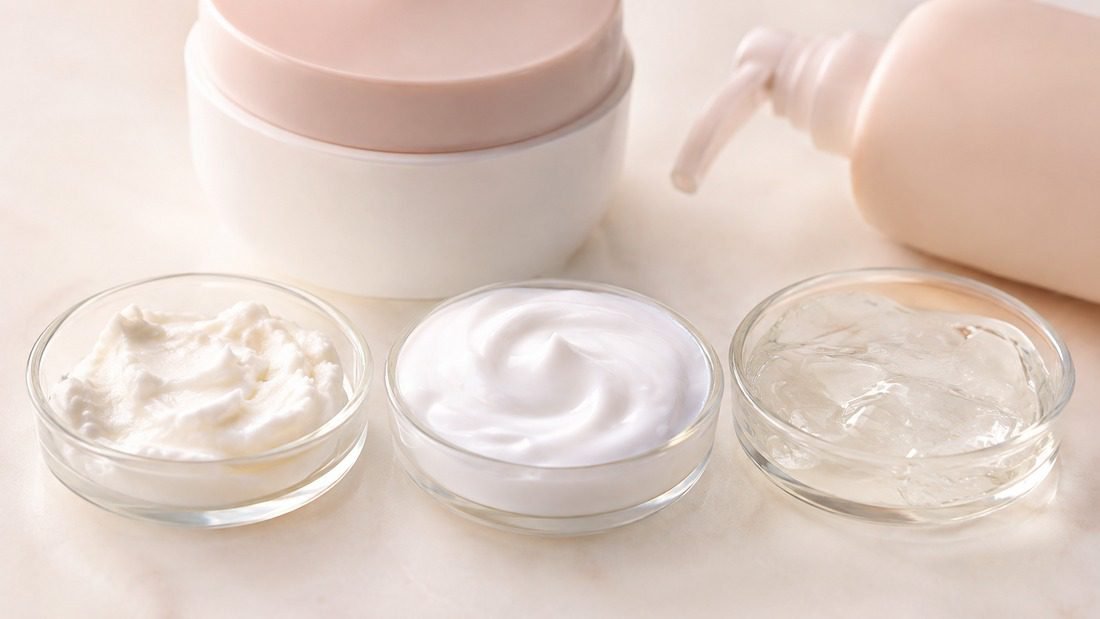
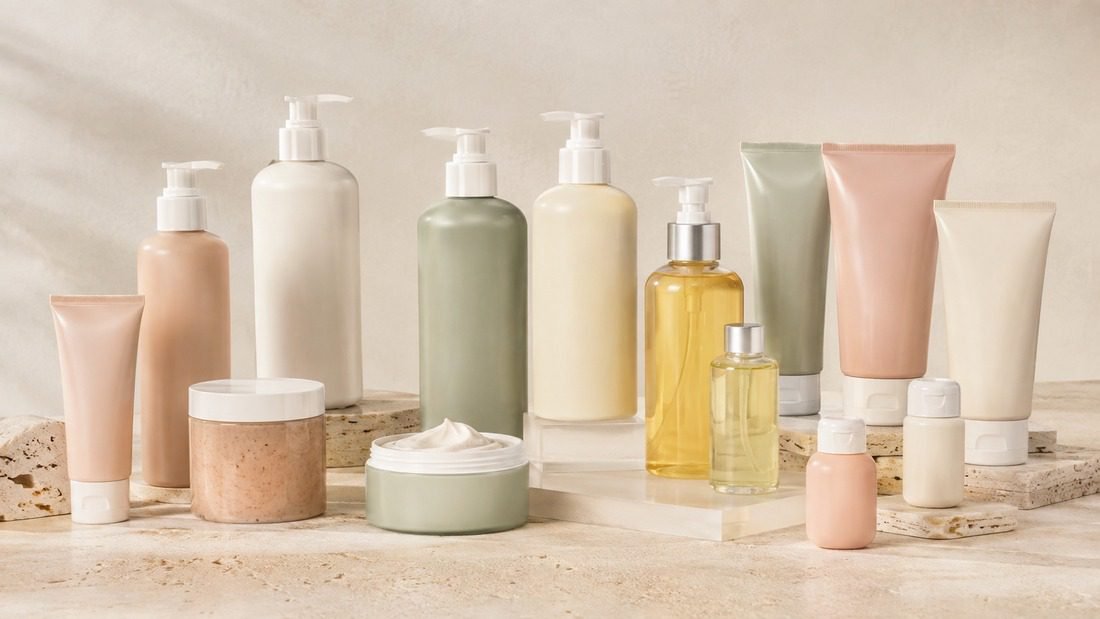
Body care is no longer a single category. Lotions, creams, gels, oils and butters now sit side by side on shelf, and each format carries a different risk profile. Buyers and brand owners often assume quality control is a universal checklist applied equally to every SKU.
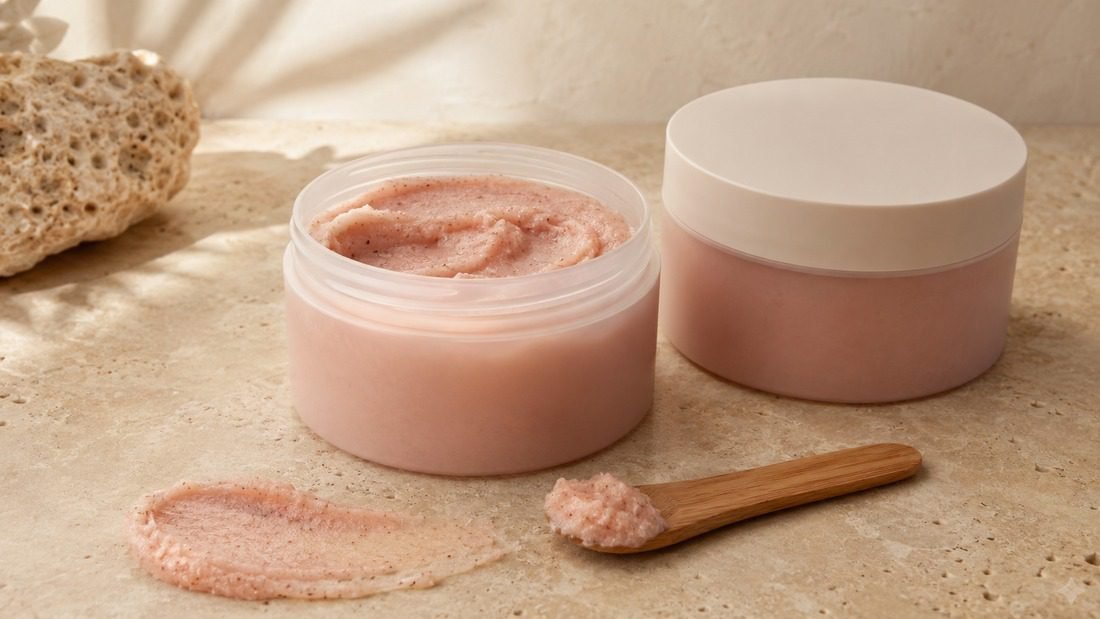
It is not. A whipped shea butter and a lightweight daily lotion fail in completely different ways. One splits or grains under heat; the other loses viscosity or separates at the emulsion interface. Understanding these differences before you brief a manufacturer protects your launch timeline and your margin.
This guide breaks down the body care vs body butter quality control comparison into practical, audit-ready criteria you can use in supplier conversations.
Body Care vs Body Butter: Format Fundamentals
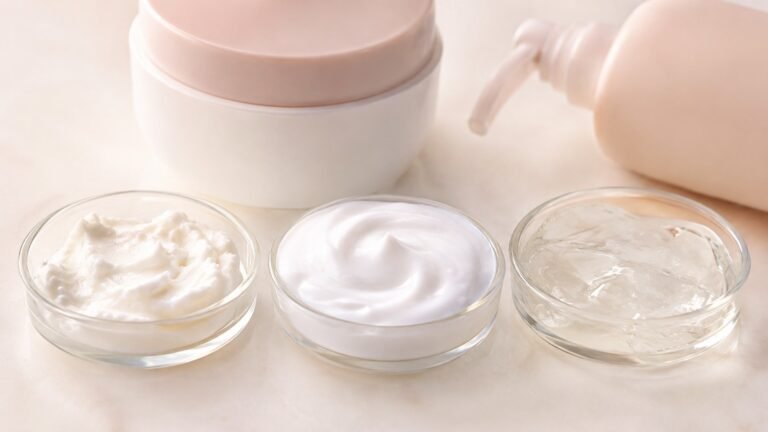
Before comparing quality control, align on what each format actually is. The table below summarizes the core technical differences that drive testing decisions.
| Criterion | Body Care (Lotions & Creams) | Body Butter |
|---|---|---|
| Oil phase load | Typically 5–20% | Often 30–70% |
| Water content | High (60–85%) | Low or zero (anhydrous) |
| Primary risk | Emulsion instability, viscosity drift | Graininess, phase separation, heat melt |
| Microbial sensitivity | High (water activity supports growth) | Lower, but contamination at fill is still a risk |
| Stability testing focus | Freeze-thaw cycles, 3-month accelerated | Elevated temperature, cycling, texture recovery |
| Fill weight behavior | Dense, predictable flow | Air entrapment from whipping affects net weight |
| Sensory consistency | Texture and spreadability | Whipped density and melt point |
Key Terms Defined
- Accelerated stability testing: Storage at elevated temperature (commonly 40°C) to predict long-term shelf life in weeks rather than years.
- Preservative efficacy test (PET): A challenge test confirming the preservative system controls microbial growth in water-containing formulas.
- Fill weight control: Statistical monitoring of net content per unit, critical for whipped products where density varies.
These definitions matter because a body care format comparison without them becomes a marketing debate rather than a technical one.
Quality Control Differences That Actually Affect Your Launch
Stability and Texture
Water-based lotions live or die by emulsion integrity. Freeze-thaw cycling reveals whether a formula will separate during winter shipping. Body butters face a different test: heat exposure can cause shea or cocoa butter to melt, recrystallize and turn grainy.
A robust Quality Control program therefore runs different protocols per format rather than one blanket standard.
Microbial Control
Any formula containing water needs a validated preservative system and PET data. Anhydrous butters carry lower water-activity risk, but contamination during filling, jar handling and cooling still occurs. Environmental monitoring at the fill line is non-negotiable for both.
Fill Weight and Density
Whipped butter traps air. If your supplier fills by volume without density correction, net weight can drift outside tolerance and trigger retail compliance issues. Lotion filling is more predictable but still requires in-process weight checks.
Packaging Compatibility
Jars and tubes interact differently with formula chemistry. A rich butter in a poorly chosen jar can show oil migration at the thread. A lotion in an incompatible tube may show phase separation at the shoulder. Compatibility testing belongs in every body care vs body butter quality control plan.
Practical Sourcing Advice for 2028 Product Lines
-
Ask for format-specific stability data. Request accelerated and real-time results for the exact formula, not a similar SKU.
-
Request fill-weight capability studies. For whipped butters, confirm how density variation is measured and controlled.
-
Verify preservative efficacy for water-based SKUs. A PET report should match your formula and packaging.
-
Review packaging compatibility reports. Confirm the jar or tube was tested with the finished formula.
-
Audit the fill line. A Factory Tour reveals whether environmental monitoring and in-process checks are genuinely practiced.
-
Confirm export documentation early. Regulatory dossiers differ by market; plan them into your timeline via Export Support.
For brands building a full range, a private label body care comparison across formats helps you allocate testing budget where risk is highest.
Case Evidence from Export Markets
In the UK, a brand launching a whipped shea butter line discovered graininess after winter storage. The cause was insufficient cooling-curve control during filling. Adding a temperature-logged cooling stage and a 12-week elevated-temperature stability protocol resolved the issue before retail rollout.
In the UAE, a distributor importing lotions faced viscosity drift in summer transit. Freeze-thaw and 45°C cycling data from the manufacturer allowed the brand to adjust the emulsifier system and thickener level for the Gulf climate.
In Australia, an e-commerce seller of body butters found net-weight shortfalls on whipped jars. Introducing density-corrected fill weights and in-process weight sampling brought every unit within tolerance.
In the US, a startup preparing for MoCRA-aligned documentation needed format-specific testing records. A structured Testing & Inspection program supplied stability, PET and fill-weight data in one audit-ready package.
These cases share a pattern: the body care vs body butter quality control gap is rarely about effort — it is about applying the right protocol to the right format.
Frequently Asked Questions
Is body butter harder to quality control than body care lotion?
Not harder overall, but different. Body butter demands tighter control of heat exposure, cooling curves, density and fill weight. Lotions demand tighter emulsion, viscosity and preservative control. Both are routine for an experienced OEM.
How long should stability testing take before launch?
Accelerated testing commonly runs 8–12 weeks at elevated temperature, supported by freeze-thaw cycling. Real-time data continues in parallel. Plan this into your 2028 launch calendar rather than treating it as a final step.
Do anhydrous body butters need preservative efficacy testing?
Water-containing formulas require PET as standard. Anhydrous butters carry lower risk, but fill-line hygiene and environmental monitoring remain essential. Your manufacturer should define the rationale in writing.
Why does fill weight vary more in whipped butters?
Whipping introduces air, so density varies between batches and within a batch. Suppliers must measure density and adjust fill volume accordingly, then verify net weight statistically.
Can one manufacturer handle both formats in a single line?
Yes, provided cleaning validation and changeover procedures prevent cross-contamination. Ask how the factory validates changeovers between anhydrous and water-based products.
What documents should I request before signing?
Request stability reports, PET data, fill-weight capability studies, packaging compatibility reports, certificates of analysis and relevant certifications. Our Certificates page shows the documentation we routinely provide.
About the Author

 Scan to WhatsApp
About the Author
David Zhang has spent years in skincare formulation and quality control at Flavor Sources, a GMP ISO 22716-certified private label manufacturer based in Dongguan, China, serving brands in 50+ countries since 2000. Reach out to David's team for a custom formula consultation →
Ready to Compare Formats for Your 2028 Range?
Whether you are developing a lightweight daily lotion, a rich whipped butter or a complete body care vs body butter quality control framework across both, the right partner makes the difference. Explore our Body Care capabilities, review our Body Care manufacturing standards, or start with a Sample Development project to test texture and stability.
You can request a sample or get a quote and our team will map the right testing protocol to each format in your line.