Body Care vs Body Oil Cost & MOQ: The Complete 2028 Guide for Reliable Sourcing
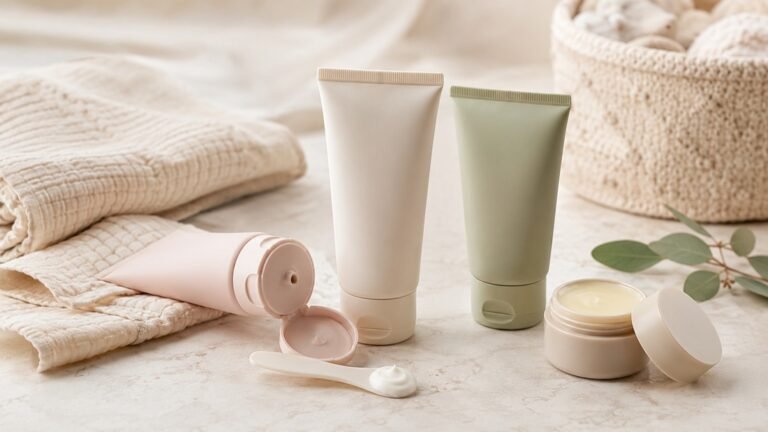
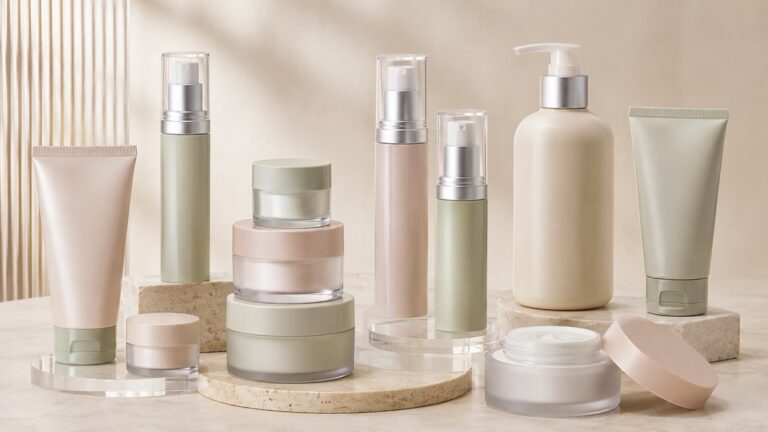
When sourcing body care products, the choice between body care vs body oil cost moq often determines your launch strategy. Body care (lotions, creams) typically requires higher MOQs (3,000–5,000 units) and lower unit costs ($1.50–$3.00), while body oils demand lower MOQs (1,000–2,000 units) but higher unit costs ($3.00–$6.00). Your decision hinges on budget, target market, and formulation complexity.
Table of Contents
Understanding the Body Care vs Body Oil Cost & MOQ Dilemma
Brand owners and sourcing managers frequently face a critical question: should you invest in traditional body care formats like lotions and creams, or pivot to body oils? The answer isn't straightforward. It depends on your target market, budget, and supply chain capabilities.
Cost and minimum order quantity (MOQ) are the two biggest barriers to entry. Many brands underestimate how these factors interact. A low MOQ sounds attractive, but if the unit cost is high, your margins suffer. Conversely, a low unit cost with a high MOQ ties up capital and warehouse space.
This guide breaks down the body care vs body oil cost moq landscape for 2028, giving you a reliable framework to make smart sourcing decisions. We'll compare formulation, packaging, production, and compliance—all through the lens of cost and MOQ.
Body Care vs Body Oil: A Head-to-Head Comparison
To make an informed decision, you need a clear side-by-side view. The table below summarizes key differences in cost, MOQ, and sourcing considerations.
| Factor | Body Care (Lotion/Cream) | Body Oil |
|---|---|---|
| Typical MOQ | 3,000–5,000 units | 1,000–2,000 units |
| Unit Cost (FOB) | $1.50–$3.00 | $3.00–$6.00 |
| Formulation Complexity | Medium (emulsifiers, thickeners) | Low (blends of oils) |
| Packaging Cost | $0.50–$1.00 (pump bottle) | $0.80–$1.50 (glass dropper) |
| Lead Time | 45–60 days | 30–45 days |
| Shelf Life | 24–36 months | 18–24 months |
| Regulatory Burden | Higher (CPSR, stability testing) | Lower (simpler safety assessment) |
Key takeaway: Body oils offer lower MOQs and faster lead times, making them ideal for startups or test launches. Body care products, while requiring higher MOQs, deliver lower unit costs at scale—perfect for established brands.
Why MOQ Matters More Than You Think
MOQ isn't just a number; it affects your cash flow, storage, and ability to iterate. A high MOQ means you must commit to a large inventory before validating market demand. For body care, MOQs are driven by the complexity of emulsification and filling lines. Manufacturers need to run large batches to amortize setup costs.
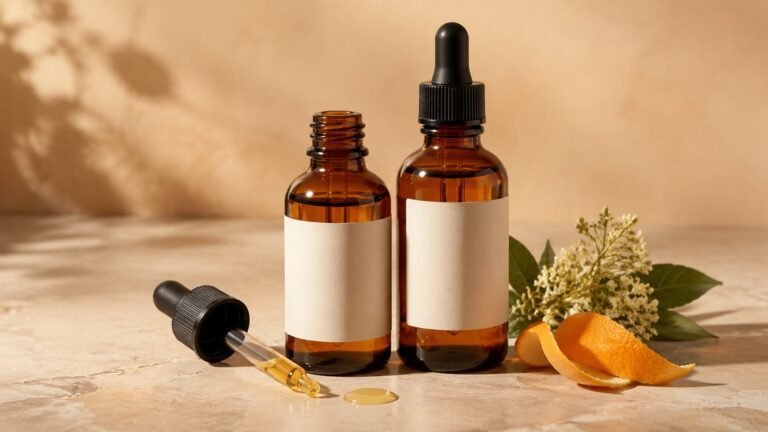
Body oils, by contrast, are simpler to produce. They often involve blending carrier oils with actives, requiring less specialized equipment. This simplicity translates to lower MOQs. However, the trade-off is higher per-unit cost due to premium ingredients like jojoba or argan oil.
If you're a startup, a lower MOQ on body oil can help you test the market without overcommitting. If you're an established brand, the higher MOQ on body care may be justified by better margins at scale.
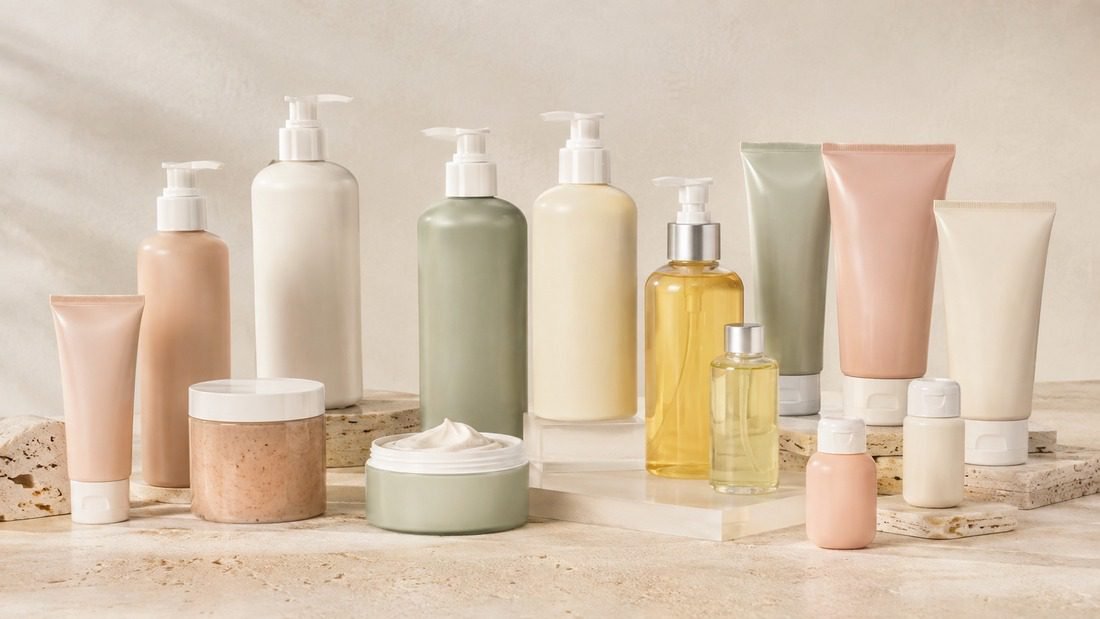
The Real Cost Drivers: Ingredients, Packaging, and Production
When comparing body care vs body oil cost moq, you must dissect the cost structure. Ingredients, packaging, and production each play a role.
Ingredient Costs
Body care lotions and creams contain water (often 60–80%), emulsifiers, thickeners, and preservatives. Water is cheap, but emulsifiers and preservatives add cost. Body oils are anhydrous (no water), so they don't require preservatives. However, they rely on expensive carrier oils and active ingredients. For example, a basic lotion might cost $1.00 per unit in ingredients, while a body oil could cost $2.50 per unit.
Packaging Costs
Packaging is a significant cost driver. Body care typically uses pump bottles or tubes, which cost $0.50–$1.00 per unit. Body oils often come in glass dropper bottles or pump dispensers, costing $0.80–$1.50. Glass is heavier and more expensive to ship, adding to landed cost.
Production Costs
Production efficiency favors body care at scale. Once a lotion line is set up, it can run thousands of units per hour. Body oil filling lines are slower because oils are more viscous and require precise filling. However, body oil production requires less energy for emulsification, partially offsetting the speed disadvantage.
Practical Sourcing Advice for 2028
Armed with the cost and MOQ data, how should you proceed? Here are actionable steps.
- Define your target market. If you're targeting mass-market retail, body care's lower unit cost is attractive. For niche, premium markets, body oils can command higher retail prices.
- Evaluate your cash flow. Can you afford a 5,000-unit MOQ? If not, start with body oil at 1,000 units.
- Consider formulation complexity. If you lack R&D resources, body oils are easier to develop. For custom formulas, partner with a manufacturer experienced in both formats.
- Plan for scalability. If you expect rapid growth, choose a manufacturer that can scale both formats. A reliable partner like Flavor Sources offers Body Care and Private Label Skincare services with flexible MOQs.
- Don't forget compliance. Body care requires a Cosmetic Product Safety Report (CPSR) in the EU. Body oils also need safety assessments, but the process is simpler. Always work with a manufacturer that provides Certificates and regulatory support.
Case Study: How a UK Brand Optimized Sourcing
A UK-based skincare brand wanted to launch a body care line but faced budget constraints. They initially considered body lotion but balked at the 5,000-unit MOQ. Instead, they launched a body oil with a 1,500-unit MOQ. The lower upfront investment allowed them to test the market. After positive feedback, they reinvested profits into a body lotion line with a higher MOQ, achieving better margins. This phased approach minimized risk and maximized learning.
Similarly, a UAE distributor compared body care vs body oil cost moq and chose body oil for its lower MOQ and faster lead time. They sourced from a manufacturer in China and used Export Support to navigate customs. The product launched in 2027 and exceeded sales targets within six months.
FAQ: Body Care vs Body Oil Cost & MOQ
Q1: Which has a lower MOQ, body care or body oil?
Body oil typically has a lower MOQ (1,000–2,000 units) compared to body care (3,000–5,000 units). This is because body oil production is simpler and requires less setup.
Q2: Is body oil more expensive to produce than body care?
Yes, body oil usually has a higher unit cost due to premium ingredients like jojoba and argan oil. However, the lower MOQ can make it more accessible for startups.
Q3: Can I get custom formulations for both formats?
Absolutely. Many manufacturers offer Custom Formula services for both body care and body oil. Be prepared to pay for sample development and testing.
Q4: What is the typical lead time for each?
Body oil: 30–45 days. Body care: 45–60 days. Lead times can vary based on packaging and customization.
Q5: How do MOQs affect my ability to scale?
Lower MOQs allow you to test the market with less risk. Once demand is proven, you can negotiate higher volumes for better unit costs. For scaling, consider Bulk Production services.
Q6: Are there regulatory differences between body care and body oil?
Yes. Body care requires more extensive stability and preservative efficacy testing. Body oil, being anhydrous, has a lower risk of microbial contamination, simplifying compliance. Always check with your manufacturer for Testing & Inspection protocols.
Author Trust Module

 Scan to WhatsApp
About the Author
David Zhang has spent years in skincare formulation and quality control at Flavor Sources, a GMP ISO 22716-certified private label manufacturer based in Dongguan, China, serving brands in 50+ countries since 2000. Reach out to David's team for a custom formula consultation →
Ready to Source with Confidence?
Choosing between body care and body oil doesn't have to be overwhelming. By understanding the cost and MOQ trade-offs, you can align your sourcing strategy with your business goals. Whether you're a startup or an established brand, Flavor Sources is here to help. We offer flexible MOQs, custom formulations, and end-to-end support.
Request a sample or get a quote today to see how we can bring your vision to life. For more insights, explore our Case Studies or take a Factory Tour. Let's build your next successful product line together.