Body Care vs Body Oil Packaging & Branding: The Complete 2026 Comparison for Smart Brands
When choosing between body care and body oil, packaging and branding often decide the winner. Body care vs body oil packaging branding hinges on format, cost, and compliance. Lotions suit pumps and mass retail; oils demand glass and droppers but signal premium. For most private label launches, body care wins on volume and branding flexibility, while body oil wins on luxury positioning. This guide compares both for 2026.
Table of Contents
- Why the Body Care vs Body Oil Packaging Branding Decision Matters
- Defining the Two Formats: Body Care vs Body Oil
- Packaging Comparison: Bottles, Pumps, and Branding Real Estate
- Branding Strategy: How Each Format Tells Your Story
- Manufacturing and Compliance Considerations
- Practical Recommendations for Choosing Your Format
- Real-World Case Patterns: UK, UAE, US, and Australia
- FAQ: Body Care vs Body Oil Packaging Branding
- Conclusion: Match Format to Brand, Not Trends
Why the Body Care vs Body Oil Packaging Branding Decision Matters
Brands often treat packaging as an afterthought. That is a costly mistake. The format you choose dictates your packaging options, your branding story, and your compliance path.
A body lotion in a 250ml pump bottle tells shoppers “everyday hydration.” A body oil in amber glass with a dropper whispers “ritual luxury.” Both can succeed, but they attract different buyers and require different supply chains.
This comparison focuses on the packaging and branding angle, not just the formula. By the end, you will know which format fits your brand, budget, and target market.
Defining the Two Formats: Body Care vs Body Oil
Before comparing packaging, define what each format actually is. This matters for sourcing, labeling, and marketing claims.
What Counts as Body Care
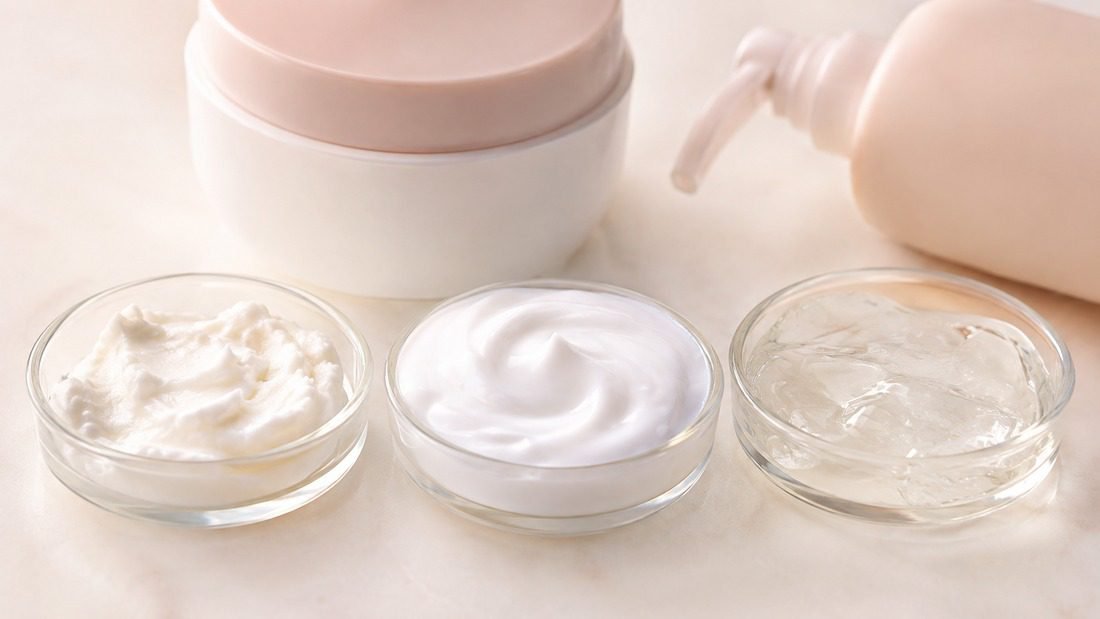
Body Care covers lotions, creams, butters, scrubs, and washes. These are emulsion-based or water-based products. They usually contain water, emulsifiers, and emollients.
Because they contain water, they need preservation. They also need packaging that prevents contamination and evaporation. Pumps, tubes, and jars are standard.
What Counts as Body Oil
Body oil is anhydrous, meaning it contains no water. It is a blend of carrier oils, essential oils, and sometimes silicones. Without water, it needs no preservative in most cases.
Packaging is typically glass or PET with a dropper, pump, or rollerball. The absence of water makes the formula more stable but often more expensive per milliliter.
Quick Definition Table
| Feature | Body Care (Lotion/Cream) | Body Oil |
|---|---|---|
| Base | Water + emulsifiers | Anhydrous oils |
| Preservation | Required | Usually not required |
| Typical Packaging | Pump, tube, jar | Glass dropper, pump, rollerball |
| Cost per ml | Lower | Higher |
| Brand Signal | Everyday, accessible | Premium, ritual |
| Shelf Life | 24-36 months | 24-36 months |
Packaging Comparison: Bottles, Pumps, and Branding Real Estate
Packaging is where the two formats diverge most. Each offers different branding real estate and cost structures.
Body Care Packaging Options
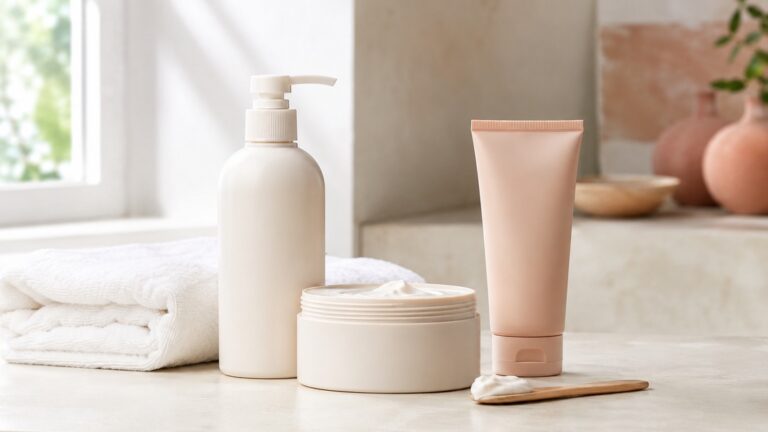
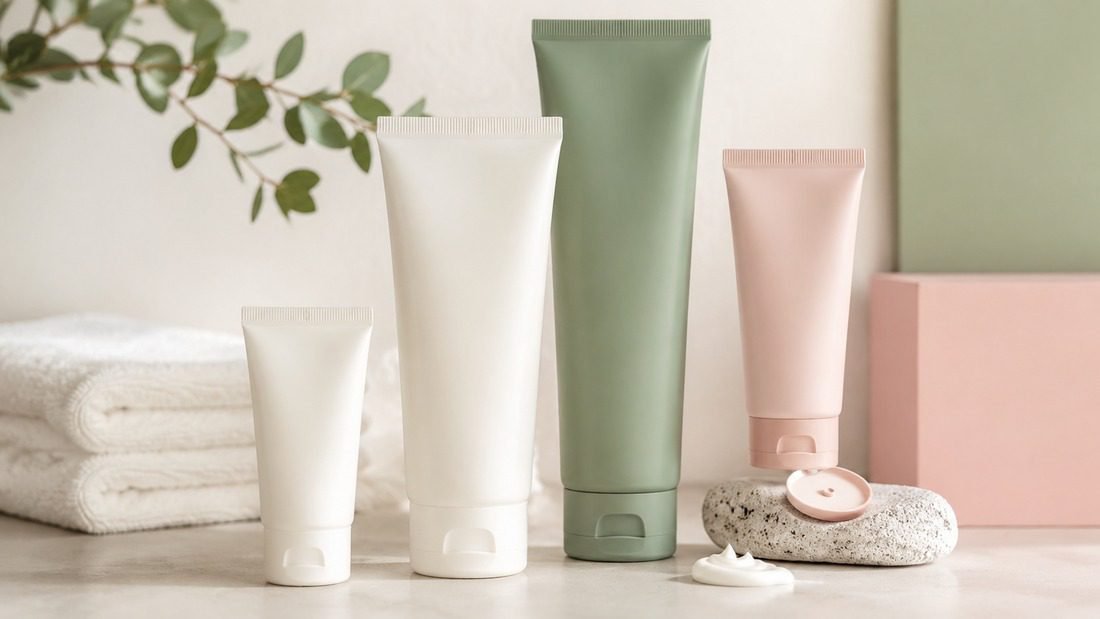
Lotions and creams fit many container types. Airless pumps, tubes, and jars are common. This flexibility helps brands scale from 50ml travel sizes to 500ml family sizes.
Print area is generous. A 250ml tube offers a large canvas for logos, claims, and ingredient callouts. This suits brands that want to communicate a lot on-pack.
Body Oil Packaging Options
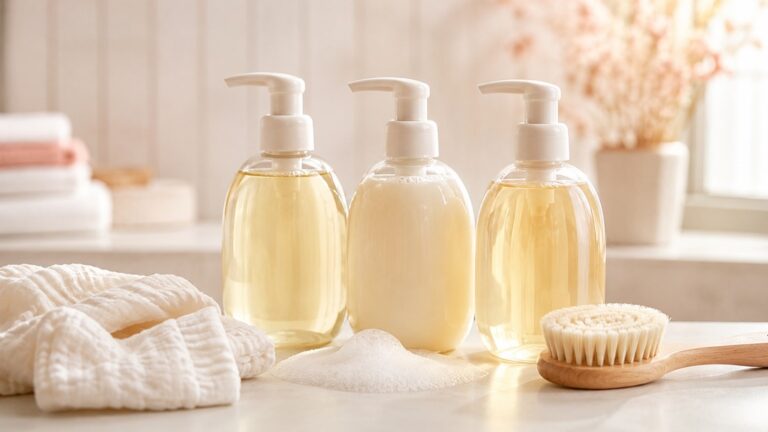
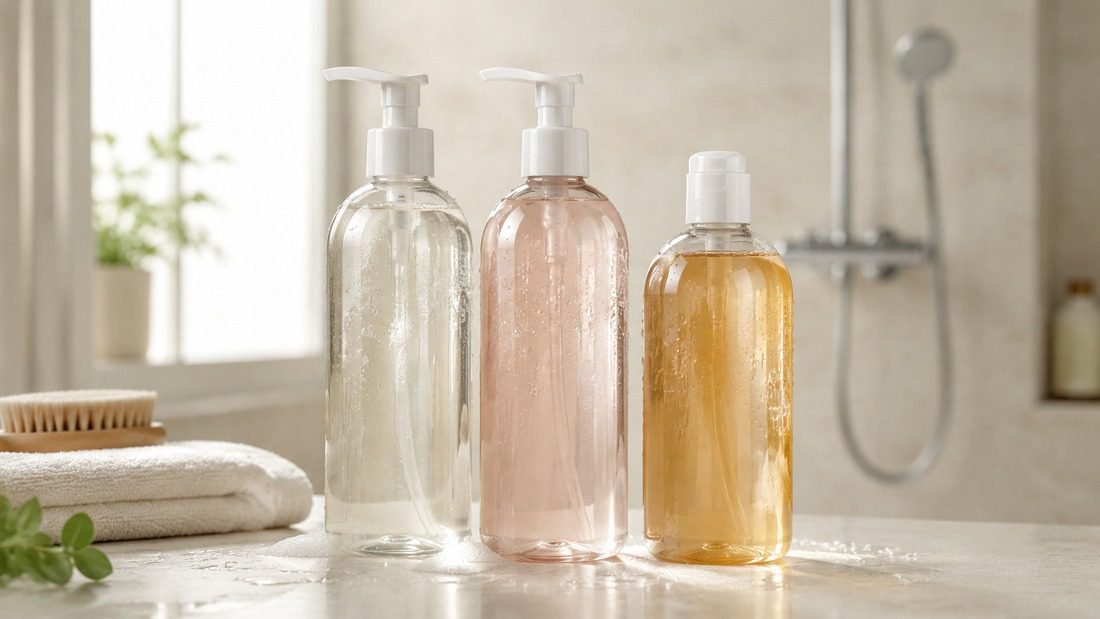
Body oil usually comes in glass. Glass signals premium and protects oil from light degradation. Dropper bottles dominate, though pumps and rollerballs are growing.
Print area is smaller. Many brands use minimal labels and rely on bottle shape and color for branding. This suits luxury and clean-beauty positioning.
Packaging Cost and MOQ Comparison
| Factor | Body Care | Body Oil |
|---|---|---|
| Common Container | Plastic pump/tube | Glass dropper |
| Unit Cost | $0.20-$0.60 | $0.50-$1.50 |
| MOQ (typical) | 5,000-10,000 | 3,000-10,000 |
| Print Area | Large | Small to medium |
| Breakage Risk | Low | Moderate |
| Sustainability Options | PCR plastic, refills | Glass, aluminium |
Costs vary by supplier and region. For accurate figures, request a quote based on your spec.
Branding Strategy: How Each Format Tells Your Story
Branding is not just a label. It is the entire sensory and visual promise. The format you choose shapes that promise.
Branding Body Care
Body care brands often lead with function: hydration, smoothing, nourishment. Claims like “helps improve the appearance of dry skin” are common and compliant.
Visual language tends toward clean, clinical, or playful. Colors are often soft. Typography is readable. This suits mass retail, e-commerce, and subscription models.
Branding Body Oil
Body oil brands lead with ritual and sensuality. Claims focus on glow, scent, and self-care moments. Visual language is darker, richer, and more minimal.
Gold, amber, and matte finishes dominate. This suits spa, boutique, and gifting channels. It also commands higher price points.
Which Format Builds Trust Faster?
Body care builds trust through familiarity and value. Body oil builds trust through perceived luxury and ingredient transparency. Neither is inherently better. It depends on your audience.
For a deeper look at format-specific branding, see our Body Care range.
Manufacturing and Compliance Considerations
Packaging and branding decisions must respect manufacturing and regulatory realities. Ignoring these leads to delays and reformulations.
Preservation and Stability
Body care needs a preservation system. This adds cost and testing time. Stability testing ensures the emulsion does not separate over 24-36 months.
Body oil skips preservatives but still needs stability testing. Oxidation is the main risk. Antioxidants like vitamin E help.
Regulatory Paths
In the EU, both formats require a Cosmetic Product Safety Report (CPSR). In the US, FDA MoCRA registration now applies. Labeling rules differ by format, especially for claims.
For market-specific guidance, see our Export Support services.
Quality Control
Both formats require microbial and heavy-metal testing. Body care needs extra preservative efficacy testing. Body oil needs oxidation and rancidity checks.
Our Quality Control team handles both. Learn more about our Testing & Inspection protocols.
Practical Recommendations for Choosing Your Format
Use these guidelines to decide which format fits your next launch.
Choose Body Care If:
- You want lower cost per unit and higher volume.
- Your brand targets mass, e-commerce, or subscription.
- You need large print areas for claims and education.
- You want refillable or PCR packaging options.
Choose Body Oil If:
- You want premium positioning and higher price points.
- Your brand targets spa, gifting, or boutique retail.
- You prefer minimal, shape-led branding.
- You can accept higher unit costs and glass logistics.
Consider Launching Both
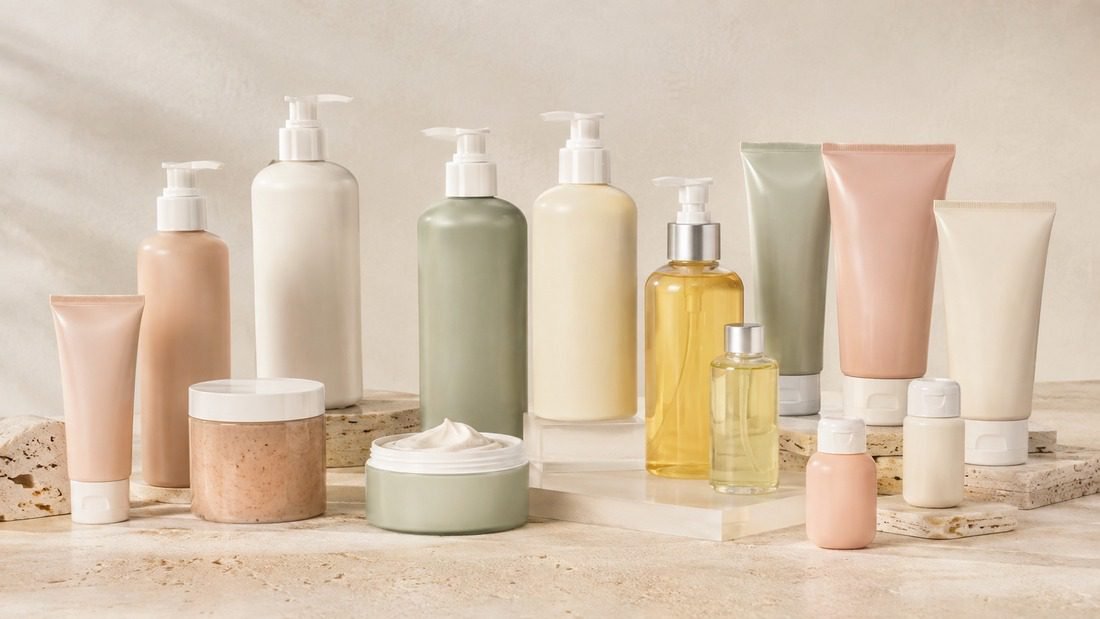
Many brands launch a lotion and an oil as a paired ritual. This increases basket size and shelf presence. It also spreads compliance and packaging investment across two SKUs.
For private label support, explore our Private Label Skincare program. Brands can also start with Sample Development before committing to bulk.
Real-World Case Patterns: UK, UAE, US, and Australia
We cannot name clients, but we can share anonymized patterns from these markets.
UK Brand: Body Care First
A UK startup launched a body lotion in a 250ml PCR pump. Low MOQ and recyclable packaging matched UK sustainability expectations. The brand later added a body oil for gifting.
UAE Brand: Oil-Led Luxury
A UAE brand led with a 100ml glass dropper oil. Gold accents and Arabic-English bilingual labels signaled premium. The oil outperformed the later-added lotion in boutique channels.
US Brand: Dual Launch
A US e-commerce brand launched both formats simultaneously. The lotion drove repeat purchases. The oil drove higher AOV and influencer gifting. Both used consistent branding for cross-selling.
Australia Brand: Spa Channel
An Australian spa brand chose body oil for massage and retail. Amber glass and minimal labels matched the spa aesthetic. Compliance with AICIS was managed through our Export Support.
These patterns show that format choice should follow channel and audience, not trends.
FAQ: Body Care vs Body Oil Packaging Branding
Which format is cheaper to package?
Body care is generally cheaper. Plastic pumps and tubes cost less than glass droppers. MOQs are also often lower for standard plastic containers.
Can body oil use plastic packaging?
Yes. PET and HDPE are options. However, glass remains the premium signal. Plastic may reduce perceived luxury but lowers breakage and shipping cost.
Do body oils need preservatives?
Usually not, because they contain no water. But they still need antioxidants and stability testing to prevent oxidation.
Which format is better for e-commerce?
Body care ships more safely and cheaply. Body oil in glass risks breakage and higher shipping weight. If you choose oil, consider protective packaging.
Can I launch both formats with one supplier?
Yes. Many OEM/ODM manufacturers handle both. This simplifies branding consistency and logistics. See our Body Care capabilities.
What about refillable packaging?
Refills are growing in both formats. Body care refills are more common due to plastic pouch options. Body oil refills exist but are less standardized.
Conclusion: Match Format to Brand, Not Trends
The body care vs body oil packaging branding decision is strategic, not cosmetic. Body care offers scale, flexibility, and lower costs. Body oil offers luxury, ritual, and higher margins.
Your channel, audience, and budget should drive the choice. Test with samples. Validate packaging with real shoppers. Then scale with a manufacturing partner who understands both formats.

 Scan to WhatsApp
About the Author
David Zhang has spent years in skincare formulation and quality control at Flavor Sources, a GMP ISO 22716-certified private label manufacturer based in Dongguan, China, serving brands in 50+ countries since 2000. Reach out to David's team for a custom formula consultation →
Ready to compare samples for your brand? Request a free sample kit or get a custom quote from our OEM/ODM team. We help brands in the UK, UAE, US, Australia, and beyond launch body care and body oil lines with confidence.