Ultimate 2026 Guide to Cleanser & Toner Compliance & Certification for Beauty Brands
For beauty brands, cleanser toner compliance certification beauty brands is a critical priority in 2026. Ensuring your products meet EU CPSR, FDA MoCRA, GMP, ISO 22716, and halal standards is essential for market access and consumer trust. This guide provides a complete roadmap to navigate regulations and choose the right OEM partner.
Table of Contents
- Understanding Cleanser & Toner Compliance and Certification
- Key Regulations and Standards for Cleanser & Toner
- Practical Steps to Achieve Compliance
- Case Studies: Compliance in Action
- Frequently Asked Questions (FAQ)
- 1. What is the difference between compliance and certification?
- 2. Do I need separate certifications for cleanser and toner?
- 3. How long does it take to obtain EU CPSR?
- 4. Is halal certification mandatory for the Middle East?
- 5. Can I use the same certification for multiple markets?
- 6. How can Flavor Sources help with compliance?
- Ready to Ensure Your Cleanser & Toner Compliance?
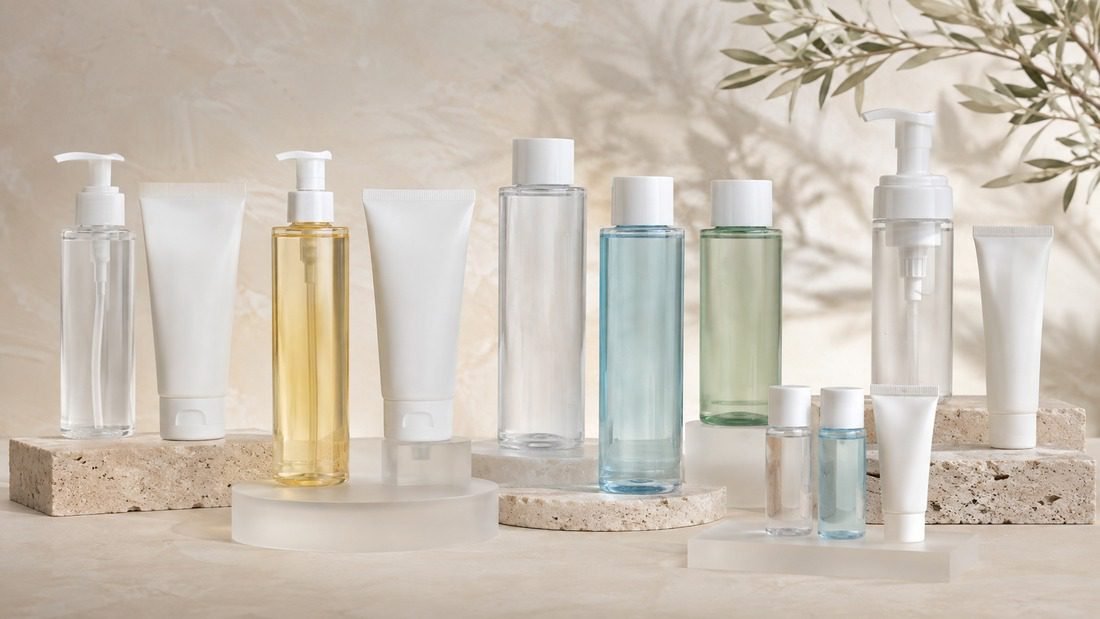
Understanding Cleanser & Toner Compliance and Certification
Cleanser and toner products, while seemingly simple, are subject to complex regulatory frameworks that vary by region. Compliance involves meeting safety, labeling, and manufacturing standards, while certification validates these through third-party audits. For beauty brands, non-compliance can lead to recalls, fines, and reputational damage. The global cosmetics market is projected to reach $758 billion by 2025, with cleansers and toners representing a significant share, making regulatory adherence non-negotiable.
Key Regulations and Standards for Cleanser & Toner
EU Cosmetics Regulation and CPSR
The EU Cosmetics Regulation (EC) No 1223/2009 requires a Cosmetic Product Safety Report (CPSR) for every product. The CPSR is prepared by a qualified safety assessor and includes a safety assessment of the formulation, raw materials, and packaging. For cleanser & toner EU CPSR compliance, brands must ensure the CPSR is available before placing products on the EU market. Additionally, products must be notified via the Cosmetic Products Notification Portal (CPNP).
FDA MoCRA for the US Market
The FDA Modernization of Cosmetics Regulation Act (MoCRA) of 2022 significantly expanded FDA oversight. Under MoCRA, facilities must register with the FDA, and products must be listed. For cleanser & toner FDA MoCRA compliance, brands need to ensure facility registration, product listing, adverse event reporting, and safety substantiation. MoCRA also requires fragrance allergen labeling and recalls. Non-compliance can result in enforcement actions.
GMP and ISO 22716
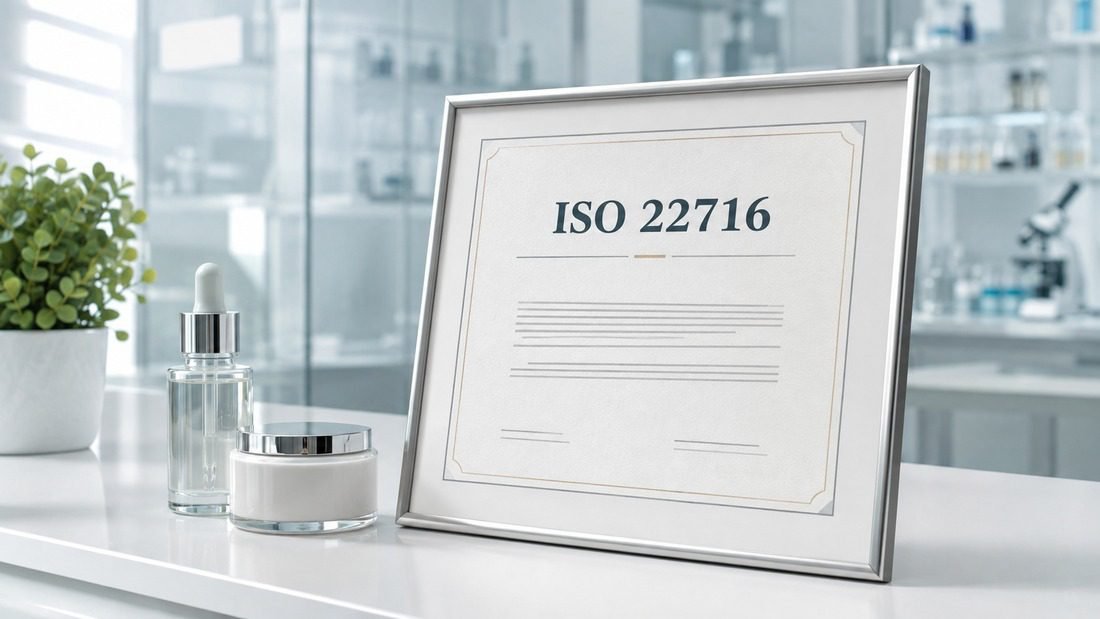
Good Manufacturing Practices (GMP) are essential for ensuring product quality and safety. ISO 22716 is the international standard for cosmetics GMP, covering production, control, storage, and shipment. A cleanser & toner GMP certified manufacturer follows ISO 22716 guidelines, which are recognized globally. Certification to ISO 22716 demonstrates a commitment to quality and is often a prerequisite for major retailers.
Halal Certification
For markets in the Middle East and Southeast Asia, halal certification is crucial. Halal certified cleanser & toner ensures that products do not contain prohibited ingredients and are manufactured according to Islamic principles. This certification opens doors to Muslim-majority markets and builds trust with consumers.
Comparison of Major Certifications
| Certification | Region | Key Requirements | Benefits |
|---|---|---|---|
| EU CPSR | European Union | Safety assessment by qualified assessor, CPNP notification | Market access to EU, consumer safety assurance |
| FDA MoCRA | United States | Facility registration, product listing, adverse event reporting | Legal compliance, avoid penalties |
| ISO 22716 (GMP) | Global | Quality management system, production controls | Quality assurance, retailer acceptance |
| Halal | Global (Muslim markets) | No prohibited ingredients, halal-certified supply chain | Access to halal markets, brand trust |

Practical Steps to Achieve Compliance
- Formulation Review: Ensure all ingredients are permitted in target markets and meet restrictions (e.g., EU Annexes). For cleanser & toner, pay attention to surfactants and preservatives.
- Safety Assessment: Engage a qualified safety assessor for CPSR if targeting the EU. For the US, ensure safety substantiation under MoCRA.
- Manufacturing Standards: Partner with a GMP certified manufacturer like Flavor Sources, which holds ISO 22716 and other certifications. Our Certificates page details our compliance.
- Labeling and Claims: Ensure labels comply with local regulations, including ingredient lists, warnings, and claims. Avoid medical claims; use phrases like ‘helps improve the appearance of'.
- Testing: Conduct stability, compatibility, and microbiological testing. Our Testing & Inspection services ensure your products meet standards.
- Documentation: Maintain proper documentation, including CPSR, batch records, and certificates, for audits.
Case Studies: Compliance in Action
- UK Brand: A UK-based beauty brand launched a new cleanser & toner line. By partnering with a GMP certified manufacturer and obtaining EU CPSR, they successfully entered the EU market and saw a 30% increase in sales within six months.
- UAE Distributor: A distributor in the UAE required halal certified cleanser & toner. By sourcing from a halal-certified manufacturer, they gained access to premium retailers and doubled their customer base.
- US E-commerce Seller: An online seller needed FDA MoCRA compliance. With proper facility registration and product listing, they avoided FDA warnings and built trust with customers.
- Australian Startup: A startup launched a gentle toner. By using a manufacturer with ISO 22716, they ensured quality and secured a listing with a major retailer.
Frequently Asked Questions (FAQ)
1. What is the difference between compliance and certification?
Compliance means adhering to regulations, while certification is third-party validation of meeting specific standards (e.g., ISO 22716). Both are important for market access.
2. Do I need separate certifications for cleanser and toner?
The requirements are generally the same for both product types, as they fall under the same cosmetic category. However, specific ingredients may trigger additional assessments.
3. How long does it take to obtain EU CPSR?
Typically 2-4 weeks, depending on the complexity of the formulation and the assessor's workload.
4. Is halal certification mandatory for the Middle East?
It is not always mandatory but highly recommended for consumer trust and market access. Some retailers require it.
5. Can I use the same certification for multiple markets?
ISO 22716 and GMP are recognized internationally, but EU CPSR and FDA MoCRA are region-specific. You may need multiple certifications.
6. How can Flavor Sources help with compliance?
We are a GMP certified manufacturer with ISO 22716, halal, and other certifications. We provide full documentation support, including CPSR, and can guide you through FDA MoCRA requirements. Contact us for a consultation.

 Scan to WhatsApp
About the Author
David Zhang has spent years in skincare formulation and quality control at Flavor Sources, a GMP ISO 22716-certified private label manufacturer based in Dongguan, China, serving brands in 50+ countries since 2000. Reach out to David's team for a custom formula consultation →
Ready to Ensure Your Cleanser & Toner Compliance?
Don't let regulatory hurdles delay your product launch. At Flavor Sources, we specialize in manufacturing compliant cleanser & toner products for beauty brands worldwide. Our certifications include ISO 22716, GMP, and halal, and we provide comprehensive support for EU CPSR and FDA MoCRA. Whether you're a startup or an established brand, we can help you navigate the complexities of cosmetic regulations. Request a sample or get a quote today to discuss your project. Let us be your trusted partner in compliance and quality.