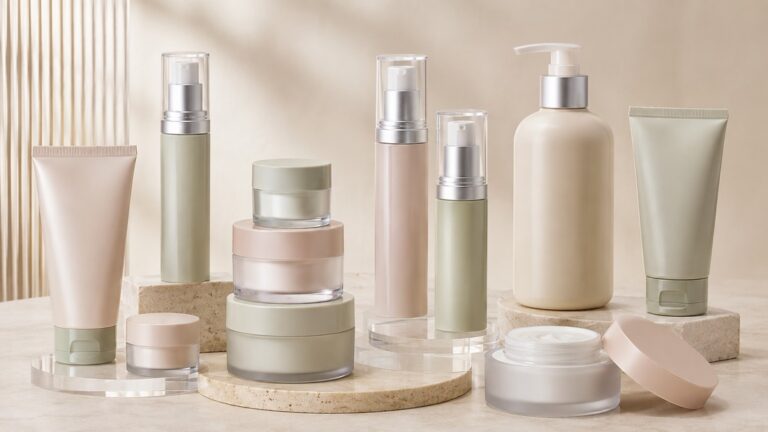
The Definitive Cleanser & Toner Glossary for the Netherlands: 2027 Buyer’s Guide
Looking for a reliable cleanser toner glossary the Netherlands? This guide decodes essential manufacturing terms, from surfactants to pH adjusters, helping Dutch brands and importers navigate OEM/ODM sourcing with confidence in 2027. Below, we break down the jargon and offer practical insights for your next private label project.
Table of Contents
- Why a Cleanser & Toner Glossary Matters for Netherlands Buyers
- Key Cleanser & Toner Manufacturing Terms Decoded
- Practical Tips for Sourcing Cleanser & Toner in the Netherlands
- Case Studies: How Glossary Knowledge Pays Off
- FAQ: Cleanser & Toner Sourcing in the Netherlands
- What does “pH-balanced” mean for cleansers and toners?
- Why is a CPSR important for selling in the Netherlands?
- Can I claim “preservative-free” for my toner?
- How do I choose between OEM and ODM for cleanser & toner?
- What are common surfactants used in cleansers for the Netherlands market?
- How long does shipping take from China to the Netherlands?
- Ready to Source Cleanser & Toner for Your Netherlands Brand?
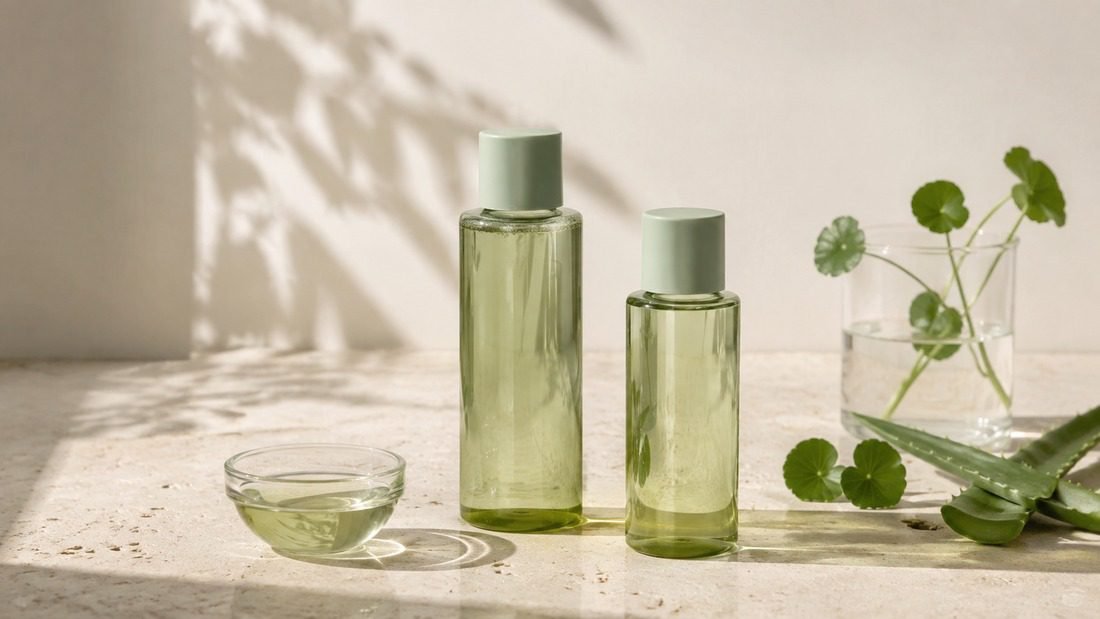
Why a Cleanser & Toner Glossary Matters for Netherlands Buyers
Sourcing cleansers and toners from overseas manufacturers involves a language of its own. Terms like “SLS-free,” “pH-balanced,” and “micellar water” are thrown around, but what do they really mean for your formulation and compliance? For Netherlands-based brands, understanding this vocabulary is crucial to avoid miscommunication and ensure product quality.
Without a clear grasp of manufacturing terminology, you risk ordering products that don't meet EU regulations or your brand's standards. This glossary aims to bridge that gap, empowering you to ask the right questions and make informed decisions when partnering with an OEM/ODM manufacturer.
Key Cleanser & Toner Manufacturing Terms Decoded
To simplify your sourcing journey, we've compiled a table of common terms you'll encounter when discussing cleanser & toner manufacturing terms with suppliers. This glossary covers formulations, testing, and regulatory aspects.
| Term | Definition | Relevance to Netherlands Market |
|---|---|---|
| Surfactant | Surface-active agent that helps oil and water mix, enabling cleansing. | Essential for foaming cleansers; must comply with EU Detergents Regulation. |
| Micellar Water | Cleanser using micelles (surfactant clusters) to lift makeup and impurities without rinsing. | Popular in Netherlands for sensitive skin; requires mild surfactants. |
| pH Adjuster | Ingredient (e.g., citric acid) used to balance product pH. | Critical for skin compatibility; EU cosmetics regulation emphasizes pH stability. |
| Humectant | Moisture-binding ingredient (e.g., glycerin) that helps hydrate the skin. | Appeals to Dutch consumers seeking hydrating toners. |
| Preservative | Substance that prevents microbial growth. | Must meet EU Cosmetics Regulation Annex V; challenging for “preservative-free” claims. |
| Viscosity Modifier | Thickener that alters product texture. | Affects consumer perception; often used in gel cleansers. |
| Stability Testing | Assessing product integrity under various conditions. | Required for EU CPSR; ensures shelf life and safety. |
| CPSR | Cosmetic Product Safety Report. | Mandatory for all cosmetics sold in the EU, including the Netherlands. |
Understanding these terms is the first step. For a deeper dive into specific product categories, explore our Cleanser & Toner range, which exemplifies how these terms come together in real formulations.
Formulation-Specific Terms
When discussing formulations, you'll hear terms like “anionic surfactant” (good foaming, but can be harsh) versus “amphoteric surfactant” (milder, often used in baby products). For toners, “astringent” (tightens pores) and “soothing” (calms irritation) are common descriptors. Knowing these helps you specify the right sensory profile.
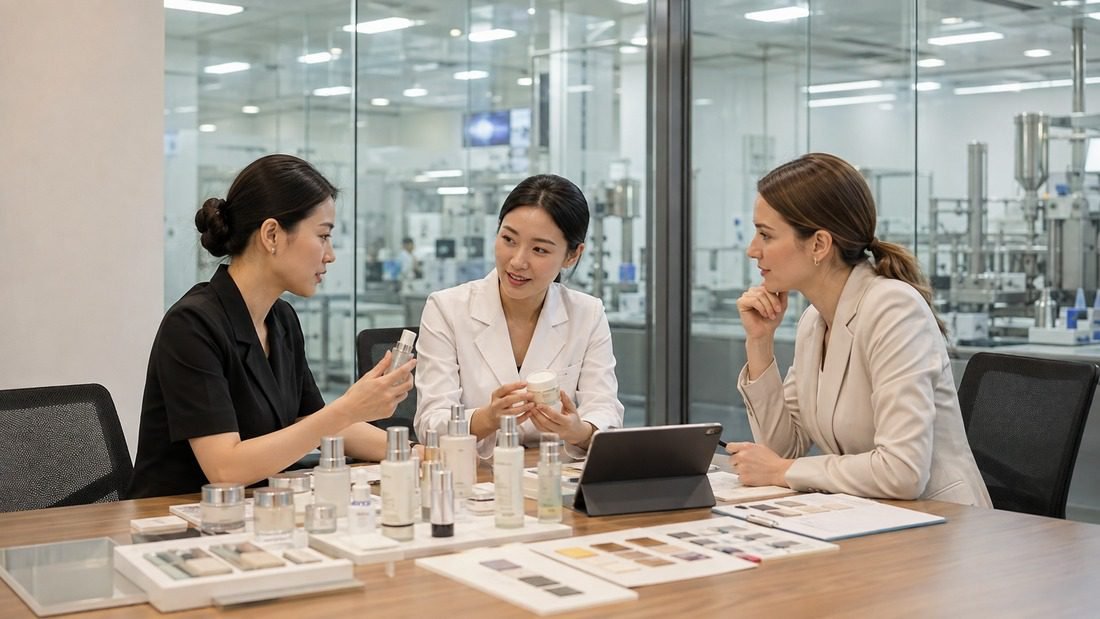
Practical Tips for Sourcing Cleanser & Toner in the Netherlands
Armed with glossary knowledge, how do you put it into practice? Start by clearly defining your product brief. Specify the surfactant system, pH range, and claims (e.g., “vegan,” “cruelty-free”) upfront. This reduces back-and-forth and ensures alignment with EU regulations.
Next, request samples and review test reports. A reputable manufacturer will provide stability data and CPSR documentation. For Netherlands-bound products, verify compliance with EU Cosmetics Regulation (EC) No 1223/2009. Our Sample Development service can help you evaluate prototypes before committing to bulk production.
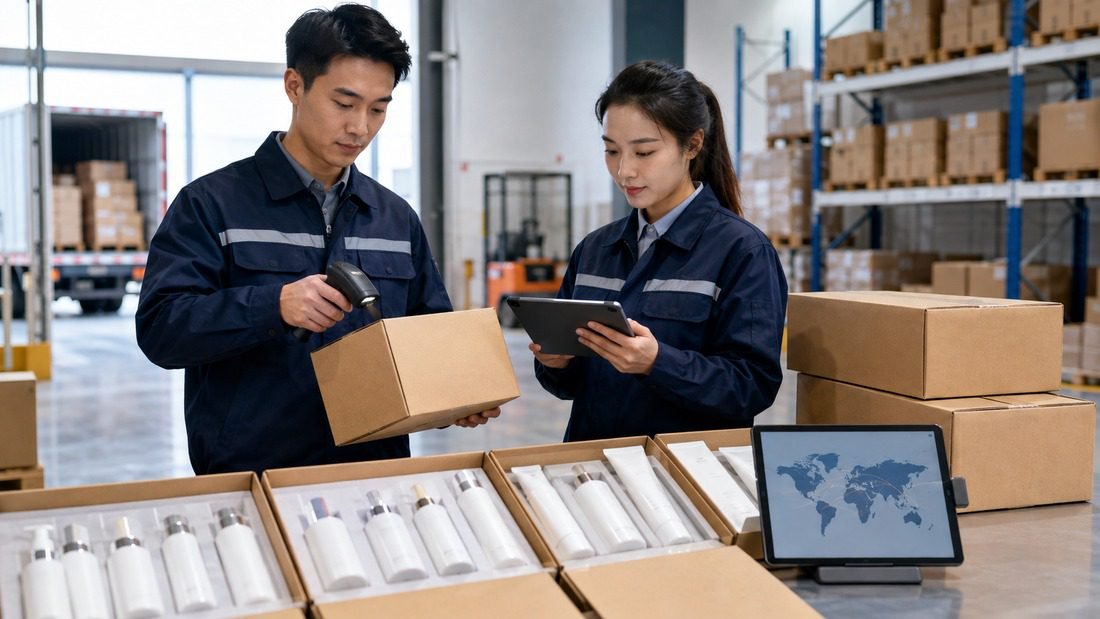
Finally, consider logistics. The Netherlands is a gateway to Europe, so ensure your manufacturer offers robust Export Support and understands Dutch labeling requirements.
Navigating EU Regulations
Compliance is non-negotiable. The EU Cosmetics Regulation requires a responsible person established in the EU, a CPSR, and proper labeling. Work with a manufacturer experienced in EU exports. For authoritative details, refer to the European Commission's cosmetics legislation.
Case Studies: How Glossary Knowledge Pays Off
Consider a UK-based skincare brand that wanted to launch a micellar water in the Netherlands. By understanding the term “micellar water” and its surfactant requirements, they avoided a common pitfall: using harsh surfactants that caused irritation. They sourced from an OEM/ODM partner who provided mild surfactants and stability testing, leading to a successful launch.
Another example: a UAE distributor sought a private label toner with “alcohol-free” claims. Armed with glossary terms like “humectant” and “pH adjuster,” they communicated effectively with their manufacturer, ensuring the final product was hydrating and compliant with EU labeling. These cases highlight how a shared vocabulary streamlines sourcing.
For more success stories, visit our Case Studies page.
FAQ: Cleanser & Toner Sourcing in the Netherlands
What does “pH-balanced” mean for cleansers and toners?
pH-balanced typically refers to a product's pH being close to the skin's natural pH (around 4.5-5.5). This helps maintain the skin barrier and is a key term in our cleanser toner glossary the Netherlands buyers should know.
Why is a CPSR important for selling in the Netherlands?
A Cosmetic Product Safety Report (CPSR) is legally required for all cosmetics in the EU. It ensures the product is safe for consumer use and must be available for authorities upon request.
Can I claim “preservative-free” for my toner?
Only if the formulation truly contains no preservatives and passes challenge testing. However, some ingredients may have preservative-like properties, so careful labeling is essential to comply with EU regulations.
How do I choose between OEM and ODM for cleanser & toner?
OEM (Original Equipment Manufacturer) means you provide the formula; ODM (Original Design Manufacturer) means the manufacturer develops the formula. For startups, ODM may be easier; for established brands, OEM offers more control.
What are common surfactants used in cleansers for the Netherlands market?
Common mild surfactants include cocamidopropyl betaine and sodium cocoyl isethionate. Avoid harsh sulfates like SLS if targeting sensitive skin, as Dutch consumers often prefer gentle formulations.
How long does shipping take from China to the Netherlands?
Typically 4-6 weeks by sea freight, depending on the port. Air freight is faster but costlier. Ensure your manufacturer handles export documentation for smooth customs clearance.

 Scan to WhatsApp
About the Author
David Zhang has spent years in skincare formulation and quality control at Flavor Sources, a GMP ISO 22716-certified private label manufacturer based in Dongguan, China, serving brands in 50+ countries since 2000. Reach out to David's team for a custom formula consultation →
Ready to Source Cleanser & Toner for Your Netherlands Brand?
Don't let terminology barriers hold you back. At Flavor Sources, we specialize in OEM/ODM manufacturing of cleansers and toners, with deep expertise in EU compliance and export to the Netherlands. Whether you need a private label line or a custom formula, our team is here to help. Request a free sample or get a quote today and experience a seamless sourcing journey.