Cleanser & Toner vs Micellar Water: The Complete 2027 Compliance Guide for Trusted Sourcing
When comparing cleanser toner vs micellar water compliance certification for your 2027 sourcing strategy, the answer is: both formats can achieve full regulatory compliance, but they require distinct certification pathways and formulation considerations. This guide breaks down the essential differences, practical steps, and expert insights to help you make a trusted sourcing decision.
Table of Contents
- Why Compliance & Certification Differ Between Cleanser & Toner and Micellar Water
- Key Differences in Formulation and Compliance Requirements
- Practical Steps for Achieving Compliance in 2027
- Real-World Case Study: Navigating EU and US Markets
- Frequently Asked Questions
- Ready to Source with Confidence?
Why Compliance & Certification Differ Between Cleanser & Toner and Micellar Water
The global skincare market is projected to reach $186.4 billion by 2027, according to Grand View Research. As brands expand into new markets, understanding the regulatory landscape for each product format is critical. Cleanser toner vs micellar water compliance certification is not a one-size-fits-all scenario. Cleansers and toners are typically rinse-off or leave-on products with specific ingredient restrictions, while micellar waters are often considered leave-on cosmetics with unique preservative and surfactant requirements.
In the EU, both products fall under Regulation (EC) No 1223/2009, requiring a Cosmetic Product Safety Report (CPSR) and notification via CPNP. In the US, the FDA's MoCRA (Modernization of Cosmetics Regulation Act) mandates facility registration and product listing. However, the testing and documentation for each format can vary significantly based on formulation and intended use.
Key Differences in Formulation and Compliance Requirements
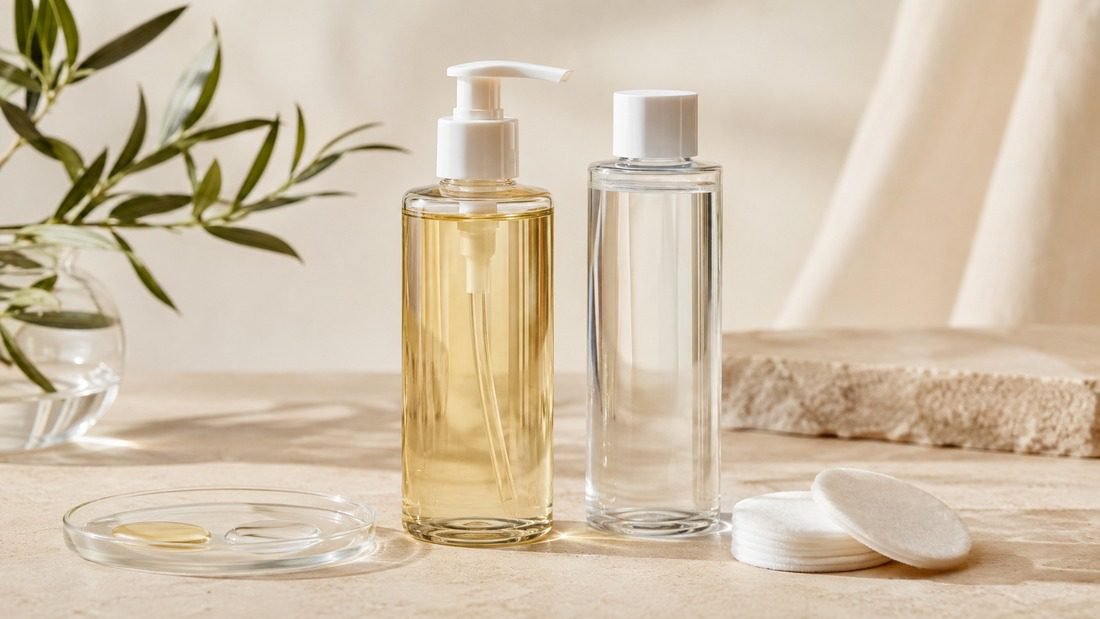
To navigate cleanser toner vs micellar water compliance certification, you must first understand their formulation differences. Cleansers often contain higher concentrations of surfactants, while toners are water-based with humectants and botanical extracts. Micellar waters use micelles—tiny oil molecules suspended in soft water—to attract dirt and oil without rinsing.
| Aspect | Cleanser & Toner | Micellar Water |
|---|---|---|
| Primary Function | Rinse-off (cleanser) or leave-on (toner) | Leave-on, no-rinse |
| Surfactant Content | 10-30% (cleanser), 0-5% (toner) | 1-5% mild surfactants |
| Preservative Challenges | Lower risk if rinse-off | Higher risk due to leave-on exposure |
| EU Compliance | CPSR, CPNP notification | CPSR, CPNP notification |
| US Compliance (MoCRA) | Facility registration, product listing | Facility registration, product listing |
| Microbial Testing | Required for all | Enhanced testing due to water content |
This table highlights that while the regulatory framework is similar, the technical documentation for micellar water often requires more extensive stability and preservative efficacy testing. A trusted OEM partner can guide you through these nuances.
Practical Steps for Achieving Compliance in 2027
To ensure your cleanser toner vs micellar water compliance certification meets global standards, follow these five steps:
-
Select a compliant formulation: Work with your manufacturer to choose ingredients listed in the EU Annexes or FDA's prohibited/restricted lists. Avoid controversial preservatives like methylisothiazolinone (MI) in leave-on products.
-
Conduct stability and safety assessments: For micellar water, perform accelerated stability tests and challenge tests to prove preservative efficacy. For cleanser/toner, ensure pH and compatibility with packaging.
-
Prepare a Product Information File (PIF): In the EU, compile the PIF including CPSR, manufacturing method, and safety data. For the US, maintain records under MoCRA.
-
Register and notify: Submit your product to the CPNP (EU) or FDA (US) before market launch. Include all required documentation.
-
Partner with a certified OEM: Choose a manufacturer with ISO 22716 (GMP) certification and export experience. Our Cleanser & Toner line is produced under strict GMP conditions.
Real-World Case Study: Navigating EU and US Markets
A UK-based skincare startup recently approached us to develop a micellar water and a toner for simultaneous launch in the EU and US. They initially assumed the same compliance process would apply. Our team highlighted the differences in labeling, ingredient restrictions (e.g., sunscreen filters in the US), and testing requirements. By adjusting the formulation for each market and preparing dual documentation, they achieved compliance within 6 months. This case illustrates the importance of expert guidance in cleanser toner vs micellar water compliance certification.
For brands targeting multiple regions, we recommend early consultation with our Export Support team to avoid costly delays.
Frequently Asked Questions
Q1: Is micellar water considered a cleanser or toner for regulatory purposes?
A: It is typically classified as a leave-on cosmetic, separate from rinse-off cleansers. This affects preservative choices and safety assessments.
Q2: What certifications are mandatory for exporting cleanser & toner to the EU?
A: You need a CPSR, CPNP notification, and compliance with EU Regulation 1223/2009. No separate certification is required, but GMP compliance (ISO 22716) is expected.
Q3: Does MoCRA require separate registration for each product format?
A: Yes, each product (cleanser, toner, micellar water) must be listed separately with the FDA, including formulation and labeling information.
Q4: Can a single formulation serve both cleanser and toner purposes?
A: Technically possible, but it would need to meet both rinse-off and leave-on safety requirements, which may increase testing costs.
Q5: How long does compliance certification typically take?
A: For a standard formulation, 3-6 months including stability testing and regulatory submission. Custom formulas may take longer.

 Scan to WhatsApp
About the Author
David Zhang has spent years in skincare formulation and quality control at Flavor Sources, a GMP ISO 22716-certified private label manufacturer based in Dongguan, China, serving brands in 50+ countries since 2000. Reach out to David's team for a custom formula consultation →
Ready to Source with Confidence?
Understanding cleanser toner vs micellar water compliance certification is the first step. To ensure your product meets all regulations, partner with an experienced OEM. We offer Private Label Skincare services, including formulation, testing, and documentation support. Request a sample or get a quote today to start your compliant product journey.