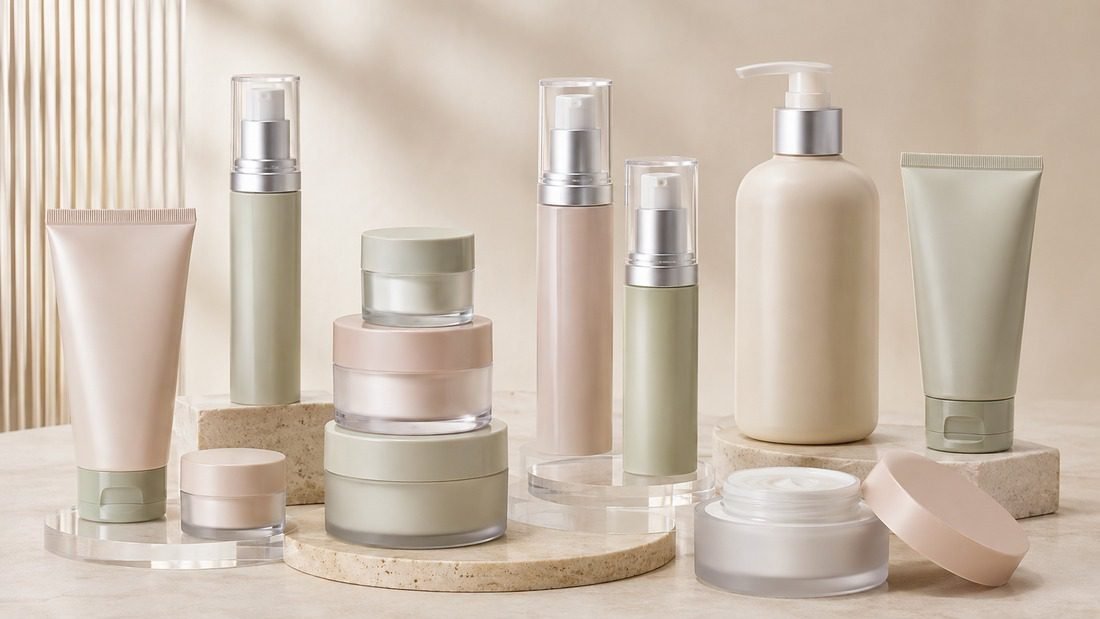
Cream Lotion vs BB Cream Quality Control: Ultimate 2027 Guide for Trusted Product Lines
When comparing cream lotion vs bb cream quality control, the key difference lies in formulation complexity and testing scope: creams and lotions require rigorous emulsion stability and microbial testing, while BB creams demand additional color-matching and SPF validation. For a reliable 2027 product line, partner with an OEM/ODM that tailors QC protocols to each format.
Table of Contents
- Understanding the Quality Control Challenge
- Cream & Lotion vs BB Cream: Core Differences in Formulation
- Quality Control Protocols: A Side-by-Side Comparison
- Practical Tips for Ensuring Quality in Your 2027 Line
- Case Studies: Real-World Quality Control Success
- Frequently Asked Questions (FAQ)
- 1. What is the main difference in QC between cream & lotion and BB cream?
- 2. How long does stability testing take for each format?
- 3. Can I use the same preservative system for both formats?
- 4. What regulations apply to BB creams with SPF?
- 5. How can I ensure color consistency across batches?
- 6. What should I look for in an OEM/ODM partner for QC?
- Ready to Ensure Quality for Your 2027 Product Line?
Understanding the Quality Control Challenge
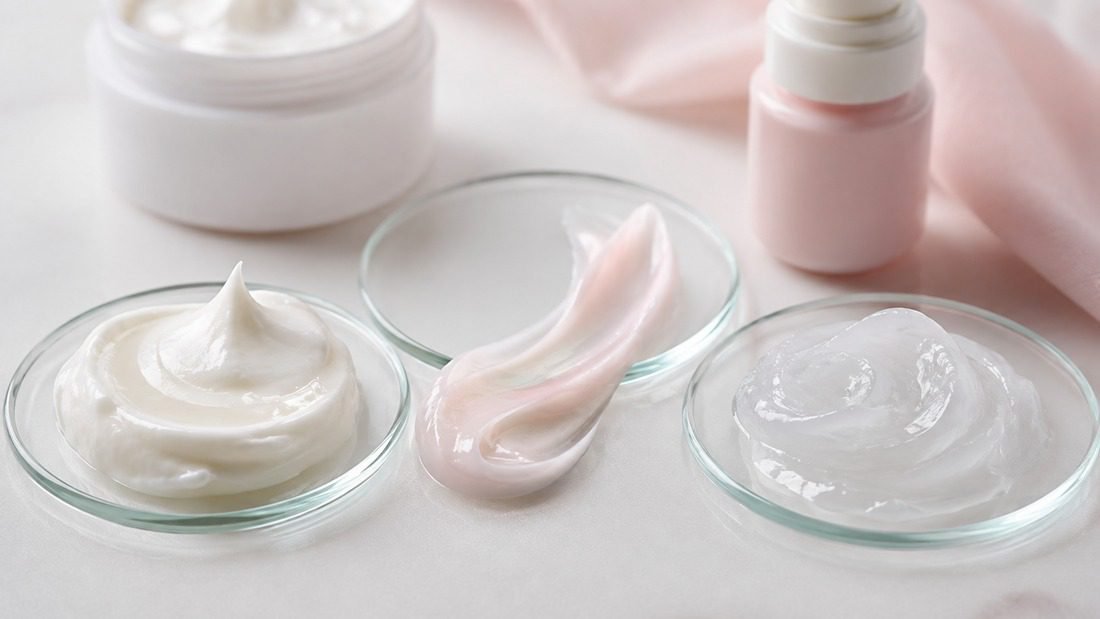
Formulating a successful skincare product goes beyond mixing ingredients; it demands a robust quality control (QC) system. For product managers planning a 2027 line, the choice between a classic Cream & Lotion and a multifunctional BB cream can significantly impact QC resources. Each format presents unique challenges—from emulsion stability to pigment dispersion—that must be addressed to ensure consumer safety and brand reputation.
This article breaks down the critical QC differences, provides actionable insights, and guides you toward a smart partnership for your next launch.
Cream & Lotion vs BB Cream: Core Differences in Formulation
Creams and lotions are oil-in-water or water-in-oil emulsions designed for hydration and skin barrier support. Their QC focuses on emulsion stability, viscosity, pH, and preservative efficacy. BB creams (beauty balms) are hybrid products that combine skincare benefits with light coverage, often including pigments, UV filters, and additional actives. This complexity introduces variables like color consistency, SPF performance, and texture uniformity.
Key Formulation Components
| Component | Cream & Lotion | BB Cream |
|---|---|---|
| Base | Emulsion (oil + water + emulsifiers) | Emulsion + pigments + UV filters |
| Actives | Hydrators, barrier repair agents | Antioxidants, SPF, skin-tone correctors |
| Testing Focus | Stability, pH, microbial | Stability, color, SPF, texture |
| QC Complexity | Moderate | High |
Understanding these differences is crucial for allocating QC resources effectively. For a deeper dive into formulation options, explore our Custom Formula services.
Quality Control Protocols: A Side-by-Side Comparison
To ensure a cream lotion vs bb cream quality control strategy that works, you need to tailor your testing protocols. Below is a comparison of essential QC tests for each format.
Essential QC Tests
| Test Category | Cream & Lotion | BB Cream |
|---|---|---|
| Stability Testing | Required (3-6 months accelerated) | Required (3-6 months accelerated) + color stability |
| Microbial Testing | Required (USP <61>, <62>) | Required (USP <61>, <62>) |
| pH Testing | Required (4.5-6.5 typical) | Required (5.0-7.0, depending on actives) |
| Viscosity | Required | Required + texture uniformity |
| SPF Testing | Not applicable | Required (in vivo or in vitro) |
| Color Matching | Not applicable | Required (spectrophotometer) |
| Packaging Compatibility | Required | Required + pigment migration |
Stability Testing
Both formats require accelerated stability testing to predict shelf life. Creams and lotions are evaluated for phase separation, viscosity changes, and pH drift. BB creams undergo additional color stability testing to ensure pigments do not migrate or fade over time. Partner with a manufacturer that follows ISO 17025 guidelines for testing labs.
Microbial Testing
All cosmetics must pass microbial limit tests. However, BB creams with higher water activity may require more stringent preservative efficacy testing (e.g., ISO 11930). Ensure your QC partner conducts challenge tests to validate preservation.
SPF and Color Testing for BB Creams
BB creams with SPF claims must undergo in vivo SPF testing (ISO 24444) or in vitro methods (ISO 24443). Color consistency is verified using spectrophotometers to ensure each batch matches the approved shade. These additional steps increase QC time and cost.
For a comprehensive overview of our testing capabilities, visit Testing & Inspection.
Practical Tips for Ensuring Quality in Your 2027 Line
- Define Clear Specifications: Work with your OEM/ODM to establish detailed specifications for each format, including acceptable ranges for pH, viscosity, and color.
- Conduct Pilot-Scale Trials: Before full production, run pilot batches to identify potential QC issues. This is especially critical for BB creams where pigment dispersion can be challenging.
- Validate Packaging Compatibility: Ensure your chosen packaging protects the product from light, air, and microbial contamination. For BB creams, test for pigment migration into the container.
- Leverage Third-Party Testing: Partner with accredited labs for SPF and stability testing to ensure compliance with regulations like EU CPSR and FDA MoCRA.
- Implement Batch Traceability: Maintain detailed records of each batch's raw materials, process parameters, and QC results. This is essential for recalls and continuous improvement.
For brands targeting specific markets, consider our Export Support services to navigate regulatory requirements.
Case Studies: Real-World Quality Control Success
UK Brand Launches Stable BB Cream Line
A UK-based beauty brand sought to launch a BB cream with SPF 30. By partnering with an OEM/ODM that conducted rigorous color stability and SPF testing, they achieved a product that passed all EU compliance checks and received positive consumer feedback on shade consistency.
UAE Distributor Expands Cream & Lotion Range
A distributor in the UAE needed a reliable cream and lotion supplier for a private label range. Through comprehensive stability testing and packaging compatibility checks, the products maintained quality in high-temperature conditions, leading to repeat orders.
Australian Startup Validates Preservative System
An Australian startup developing a BB cream for sensitive skin worked with a QC team to perform challenge tests (ISO 11930). The optimized preservative system ensured microbial safety without irritation, supporting a successful launch.
These examples highlight the importance of tailored QC. For more insights, explore our Case Studies.
Frequently Asked Questions (FAQ)
1. What is the main difference in QC between cream & lotion and BB cream?
The main difference is that BB creams require additional testing for color consistency and SPF performance, while creams and lotions focus on emulsion stability and microbial safety.
2. How long does stability testing take for each format?
Accelerated stability testing typically takes 3-6 months for both, but BB creams may require extended testing for color stability.
3. Can I use the same preservative system for both formats?
Not necessarily. BB creams with higher pigment and active content may require a different preservative system. Challenge testing is essential to validate efficacy.
4. What regulations apply to BB creams with SPF?
BB creams with SPF are regulated as cosmetics in most markets but may require additional documentation. In the EU, they must comply with ISO 24444 for SPF testing. In the US, FDA MoCRA applies.
5. How can I ensure color consistency across batches?
Work with your manufacturer to establish a color standard and use spectrophotometric analysis for each batch. Proper pigment dispersion during manufacturing is also critical.
6. What should I look for in an OEM/ODM partner for QC?
Look for certifications like ISO 22716 (GMP), ISO 17025 for testing labs, and experience with both cream & lotion and BB cream formats. Request a Factory Tour to assess their QC processes.

 Scan to WhatsApp
About the Author
David Zhang has spent years in skincare formulation and quality control at Flavor Sources, a GMP ISO 22716-certified private label manufacturer based in Dongguan, China, serving brands in 50+ countries since 2000. Reach out to David's team for a custom formula consultation →
Ready to Ensure Quality for Your 2027 Product Line?
Whether you choose a classic Cream & Lotion or a multifunctional BB cream, robust quality control is non-negotiable. At Flavor Sources, we specialize in tailored QC protocols for each format, ensuring your products meet the highest standards. Contact us to request a sample or get a quote for your next project. Let's build a reliable product line together.