Facial Body Mask vs Sleeping Mask: Complete 2026 Cost & MOQ Guide for Smart Sourcing
Facial Body Mask vs Sleeping Mask: The Complete 2026 Cost & MOQ Guide
Choosing between a facial body mask vs sleeping mask for your private label line? The answer directly impacts your budget, inventory, and product strategy. In this 2026 guide, we break down the cost, MOQ, and sourcing factors for each format, so you can make a reliable decision that fits your brand goals.
Table of Contents
- Facial Body Mask vs Sleeping Mask: The Complete 2026 Cost & MOQ Guide
- Why Cost and MOQ Matter in Mask Sourcing
- Cost Drivers: Materials, Formulation, and Packaging
- MOQ Strategies for Different Business Sizes
- Practical Sourcing Recommendations
- Real-World Case: A UK Startup’s Choice
- FAQ
- Get Started with Confidence
Why Cost and MOQ Matter in Mask Sourcing
When planning a skincare launch, cost per unit and minimum order quantity (MOQ) are two of the most critical metrics. They determine your initial investment, pricing strategy, and cash flow. A facial body mask vs sleeping mask comparison reveals distinct differences in production complexity and material costs, which influence these numbers significantly. Understanding these differences helps you align your product choice with your budget and market positioning.
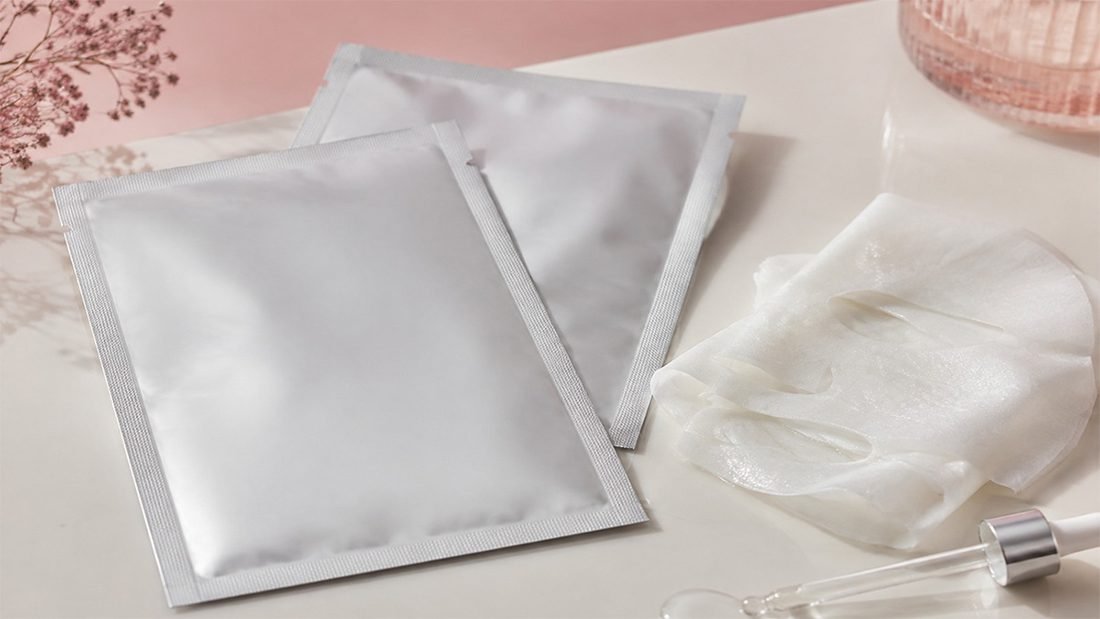
For example, sheet masks often require specialized cutting and packaging machinery, while sleeping masks are typically formulated in jars or tubes, which may have lower tooling costs. Your choice affects not only the unit price but also the MOQ set by manufacturers. By evaluating these factors early, you can avoid costly mistakes and ensure your product remains competitive.
Cost Drivers: Materials, Formulation, and Packaging
Raw Material Costs
The formulation of each mask type drives raw material expenses. Facial & body masks often contain higher concentrations of active ingredients, like hyaluronic acid or botanical extracts, to deliver immediate benefits. Sleeping masks, on the other hand, may include occlusive agents like ceramides to lock in moisture overnight. These ingredient choices affect the per-unit cost, with premium actives raising the price.
Packaging and Filling
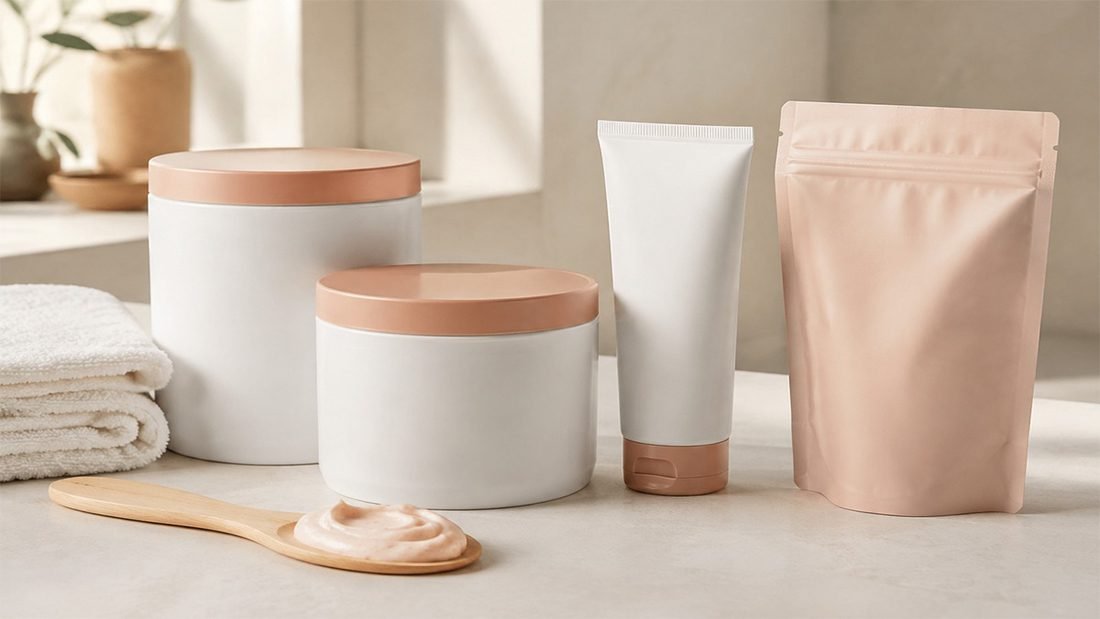
Packaging is a major cost differentiator. Sheet masks require individual foil pouches, which are lightweight but involve high-speed filling lines. Sleeping masks use jars, tubes, or airless pumps, which are more expensive per unit but offer better product preservation. The table below summarizes typical cost ranges:
| Mask Type | Packaging Cost per Unit | MOQ Range | Lead Time |
|---|---|---|---|
| Facial & Body Mask (sheet) | $0.10 – $0.30 | 5,000 – 10,000 pcs | 4 – 6 weeks |
| Sleeping Mask (jar/tube) | $0.30 – $0.80 | 3,000 – 5,000 pcs | 6 – 8 weeks |
Note: Costs vary based on formulation complexity, packaging size, and supplier location.
Formulation Complexity
Sleeping masks often require more complex formulations to ensure stability over longer periods, especially if they contain water-based and oil-based phases. This can increase development costs. Facial & body masks, especially sheet masks, may have simpler water-based formulas but require careful preservation to prevent microbial growth in the pouch.
MOQ Strategies for Different Business Sizes
Startups and Small Brands
For startups, lower MOQs are crucial to test the market without overcommitting capital. Many suppliers offer MOQs as low as 3,000 units for sleeping masks, while sheet masks might require 5,000 units. Partnering with a flexible manufacturer can help you start small and scale up as demand grows. Look for suppliers that offer sample development and small-batch production to validate your product.
Established Brands and Distributors
Larger brands can leverage higher MOQs to negotiate better unit prices. If you have a proven market, ordering 10,000+ units of either mask type can reduce costs significantly. However, be mindful of shelf life and storage costs. A facial body mask vs sleeping mask decision here hinges on your sales velocity and distribution channels.
Practical Sourcing Recommendations
Evaluate Your Target Market
Consider your audience's preferences. If your customers value convenience and instant results, facial & body masks are ideal. For those seeking overnight treatment, sleeping masks offer a unique selling point. Align your product choice with market trends from sources like Grand View Research, which projects steady growth in the mask segment.
Request Samples and Compare
Always request samples of both formats before committing. This allows you to test texture, efficacy, and packaging quality. Use the Facial & Body Mask page to explore options, and don't hesitate to ask for a sample kit. Compare costs, MOQs, and lead times from multiple suppliers to find the best fit.
Consider Private Label Services
If you're new to manufacturing, private label services can simplify the process. Our [Private Label Skincare] service handles formulation, packaging, and compliance, reducing your workload. Alternatively, [Custom Formula] allows you to create a unique product tailored to your brand.
Real-World Case: A UK Startup’s Choice
A UK-based startup faced a dilemma between launching a sheet mask or a sleeping mask. They analyzed costs and MOQs, discovering that sheet masks had a lower unit cost but higher MOQ. By negotiating a pilot run of 5,000 units with a flexible supplier, they successfully tested the market. This approach minimized risk and allowed them to refine their formula based on customer feedback before scaling.
Similarly, an Australian distributor chose sleeping masks for their premium line, leveraging higher unit margins despite higher packaging costs. Their decision was based on a loyal customer base that valued overnight care. These examples illustrate how facial body mask vs sleeping mask decisions are context-dependent.
FAQ
What is the typical MOQ for facial & body masks?
MOQs for sheet masks typically range from 5,000 to 10,000 units, but some manufacturers offer lower minimums for startups. It's best to inquire directly.
Are sleeping masks more expensive to produce than sheet masks?
Generally, yes. Sleeping masks require more complex formulations and premium packaging, raising unit costs. However, they offer higher perceived value.
Can I order small batches for testing?
Many suppliers offer sample development or small-batch production. Request a quote to see if they accommodate low MOQs.
How long does it take to produce masks?
Lead times vary from 4 to 8 weeks, depending on the mask type, packaging, and order volume. Confirm timelines with your supplier.
Do I need regulatory compliance for mask products?
Yes, depending on your target market. For example, EU requires CPSR, while US mandates MoCRA registration. Ensure your supplier provides compliance support.
What is the best mask type for a new brand?
It depends on your budget and market. Sheet masks are cost-effective for testing, while sleeping masks offer differentiation. Evaluate your resources and goals.

 Scan to WhatsApp
About the Author
David Zhang has spent years in skincare formulation and quality control at Flavor Sources, a GMP ISO 22716-certified private label manufacturer based in Dongguan, China, serving brands in 50+ countries since 2000. Reach out to David's team for a custom formula consultation →
Get Started with Confidence
Ready to source your mask line? Contact us for a free consultation and request samples to compare quality. Request a Sample or Get a Quote today. Our team is here to help you navigate the facial body mask vs sleeping mask landscape with reliable expertise.