The Complete Guide to Finding a GMP-Certified Hair Care Manufacturer in China for 2027 Q1
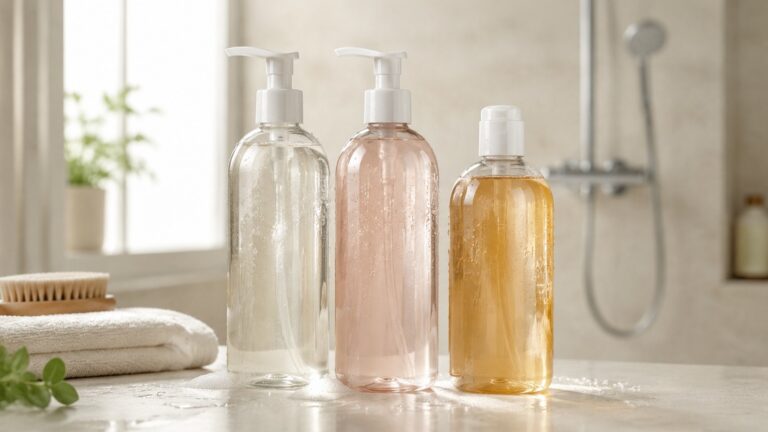
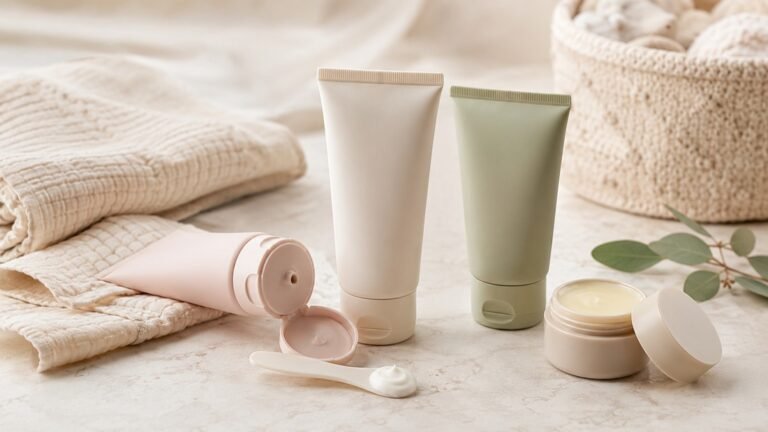
Finding a reliable hair care manufacturer china 2027 q1 is critical for brands planning to launch or expand their product lines. A GMP-certified partner ensures quality, compliance, and scalability. This guide provides a comprehensive framework for sourcing, evaluating, and partnering with the best manufacturers in China.
Table of Contents

Understanding the Challenges of Sourcing Hair Care Manufacturers
Sourcing hair care products from China can be daunting. Buyers face issues like inconsistent quality, unclear certifications, and communication gaps. Many suppliers claim GMP compliance but lack verifiable proof. Without proper due diligence, brands risk product recalls, legal issues, and reputational damage. The complexity increases with regulatory requirements in different markets (e.g., EU, US, UAE). Therefore, a structured approach is essential to identify a trustworthy hair care manufacturer china 2027 q1 that meets your specific needs.
Key Criteria for Selecting a GMP-Certified Hair Care Manufacturer
When evaluating potential partners, focus on these critical factors:
1. Certifications and Compliance
GMP (Good Manufacturing Practice) certification is non-negotiable. Look for ISO 22716 (cosmetics GMP) and additional certifications like ISO 9001. Verify with the certifying body. For exports to the EU, ensure compliance with EU Cosmetics Regulation (EC) No 1223/2009, which requires a Cosmetic Product Safety Report (CPSR). For the US, FDA MoCRA registration is increasingly important. A reputable manufacturer will readily provide certificates and support regulatory filings.
2. Manufacturing Capabilities
Assess their production capacity, equipment, and technology. Can they handle your order volumes? Do they have dedicated lines for hair care (shampoos, conditioners, treatments)? Ask about their R&D capabilities for custom formulas. A manufacturer with a robust Custom Formula service can tailor products to your brand's needs.
3. Quality Control
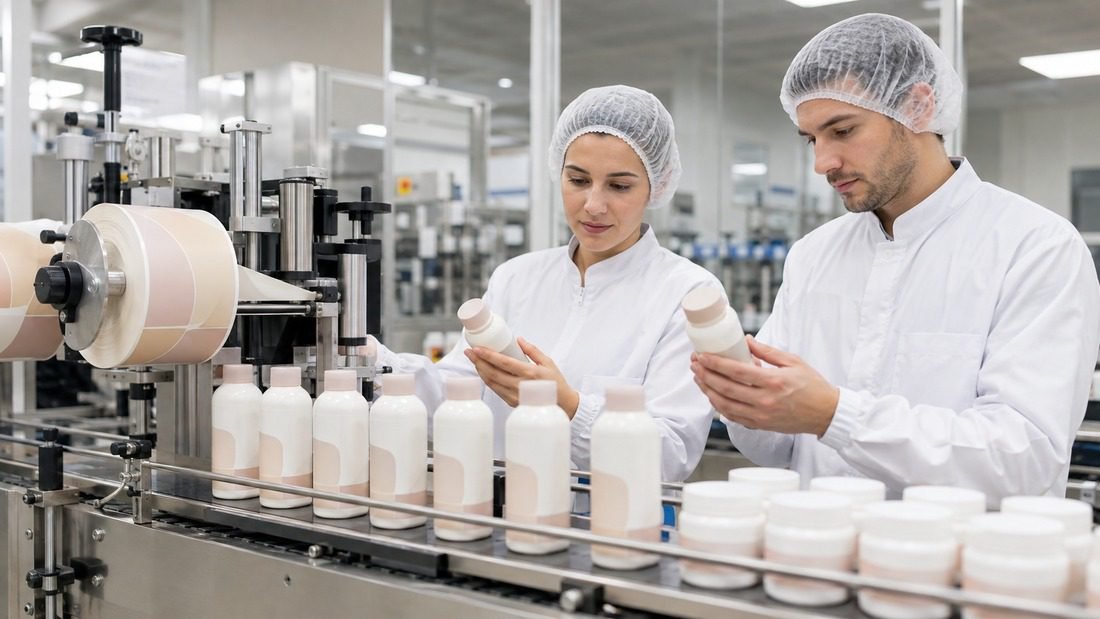
A strong quality control system is vital. Look for in-house testing labs, stability testing, and microbial testing. Request their Quality Control procedures. They should follow strict batch record-keeping and have a clear traceability system.
4. Sample Development and Turnaround
Efficient sample development is crucial for product launches. A good manufacturer offers quick turnaround for samples and provides detailed specifications. Check their Sample Development process.
5. Packaging and Design Support
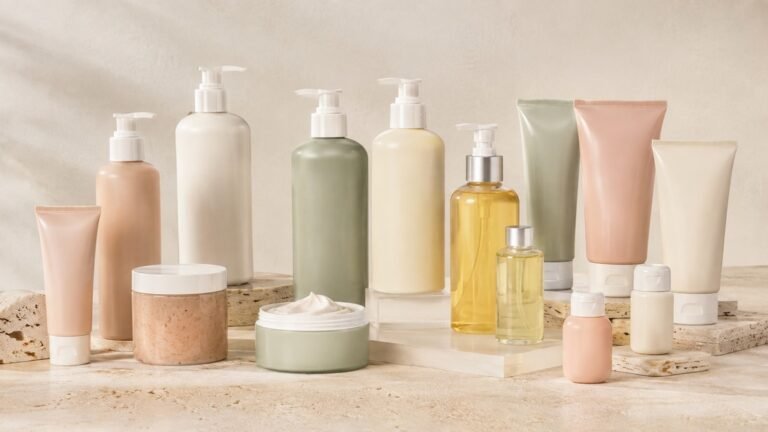
Packaging can make or break a product. Choose a manufacturer that offers Packaging Design support, including compatibility testing and sourcing of components.
6. Export and Logistics
If you're exporting, ensure they have experience with international shipping and documentation. Their Export Support team should handle customs, labeling, and compliance.
7. Communication and Transparency
Clear communication is key. Choose a partner who responds promptly, provides regular updates, and is transparent about lead times and costs.
Comparison Table: GMP vs. Non-GMP Manufacturers
| Aspect | GMP-Certified Manufacturer | Non-GMP Manufacturer |
|---|---|---|
| Quality Assurance | High, with documented processes | Variable, often inconsistent |
| Compliance | Meets international regulations | May lack necessary certifications |
| Risk | Low risk of recalls | Higher risk of quality issues |
| Cost | Slightly higher but worth it | Lower upfront but costly long-term |
| Market Access | Global | Limited |
Practical Steps to Source a Hair Care Manufacturer in China
- Define Your Requirements: Clearly outline product types, volumes, target markets, and budget.
- Research and Shortlist: Use industry directories, trade shows, and referrals. Look for manufacturers with a strong online presence and verified certifications.
- Request Information: Ask for their certificates, company profile, and product catalogs. Check if they have a Factory Tour option (virtual or in-person).
- Evaluate Samples: Order samples to assess quality, texture, and packaging. Test stability and compatibility.
- Conduct Audits: If possible, schedule a third-party audit or visit the factory. Review their Production Process and Testing & Inspection protocols.
- Negotiate Terms: Discuss MOQs, pricing, lead times, and payment terms. Ensure contracts include quality clauses and penalties for non-compliance.
- Place a Trial Order: Start with a small order to test their performance before committing to larger volumes.
Case Studies: Successful Partnerships
- UK Brand: A startup launched a line of sulfate-free shampoos using a GMP-certified manufacturer in China. The manufacturer assisted with CPSR compliance and packaging design, enabling a smooth entry into the EU market. The brand achieved a 30% repeat purchase rate within six months.
- UAE Distributor: Partnered with a Chinese OEM to develop a private label hair care range for salon use. The manufacturer provided custom formulas and bulk production, helping the distributor expand its portfolio and increase revenue by 25%.
- US E-commerce Seller: Sourced a custom hair mask from a GMP-certified factory. The manufacturer's rigorous quality control and fast sample turnaround allowed the seller to test multiple variations and launch a best-selling product on Amazon.
- Australian Spa Chain: Collaborated with a manufacturer to create a line of natural hair care products. The manufacturer's export support and compliance with Australian regulations facilitated a successful launch across 50 locations.
These examples highlight the importance of choosing a partner with strong credentials and support services. For more insights, see our Case Studies.

Frequently Asked Questions (FAQ)
Q1: What does GMP certification mean for hair care manufacturers?
A: GMP (Good Manufacturing Practice) certification ensures that products are consistently produced and controlled according to quality standards. It covers all aspects of production, from raw materials to finished products.
Q2: How can I verify a manufacturer's GMP certificate?
A: Request a copy of the certificate and check with the issuing body. Reputable manufacturers will also provide audit reports and allow third-party inspections.
Q3: What is the typical MOQ for private label hair care?
A: MOQs vary by manufacturer and product. Generally, they range from 1,000 to 5,000 units per SKU. Some manufacturers offer lower MOQs for startups.
Q4: How long does it take to develop a custom hair care formula?
A: Depending on complexity, formula development can take 4-8 weeks, including sampling and testing.
Q5: What are the key regulations for exporting hair care to the EU?
A: EU Cosmetics Regulation requires a CPSR, responsible person, and compliance with labeling and ingredient restrictions. A GMP-certified manufacturer can assist with these requirements.
Q6: Can I visit the factory before placing an order?
A: Yes, many manufacturers welcome factory visits. Alternatively, you can request a virtual tour or a third-party audit.

 Scan to WhatsApp
About the Author
David Zhang has spent years in skincare formulation and quality control at Flavor Sources, a GMP ISO 22716-certified private label manufacturer based in Dongguan, China, serving brands in 50+ countries since 2000. Reach out to David's team for a custom formula consultation →
Ready to Start Your Hair Care Line?
Partnering with the right manufacturer is the first step to success. At Flavor Sources, we are a GMP-certified hair care manufacturer china 2027 q1, offering comprehensive OEM/ODM services. Whether you need custom formulas, private label, or packaging design, our team supports you from concept to delivery. Explore our Hair Care range and request a sample to experience our quality firsthand. For a personalized quote, get a quote today. Let us help you bring your hair care vision to life.