Ultimate 2026 Guide to Private Label Facial & Body Mask Beauty Brands US Compliance Certification
How the US Beauty Brands Can Source Facial & Body Mask the Right Way: Compliance & Certification Explained (2026)
Sourcing private label facial body mask beauty brands the us compliance certification is critical for success in the US market. This guide explains the essential compliance and certification requirements, helping you navigate FDA MoCRA, EU CPSR, GMP, ISO 22716, and halal certification to ensure product safety and legality.
Table of Contents
- How the US Beauty Brands Can Source Facial & Body Mask the Right Way: Compliance & Certification Explained (2026)
- Understanding the Compliance Landscape for Facial & Body Masks in the US
- The Essential Certifications and Compliance for Facial & Body Mask Sourcing
- Practical Steps to Source Compliant Facial & Body Masks
- Case Studies: Successful Compliance in Action
- Frequently Asked Questions (FAQ)
- Conclusion: Partner with a Certified Manufacturer for Success
Understanding the Compliance Landscape for Facial & Body Masks in the US
The US beauty industry is projected to reach $100 billion by 2026, with facial and body masks being one of the fastest-growing segments. However, with growth comes stringent regulations. The FDA Modernization of Cosmetics Regulation Act (MoCRA) 2022 has significantly increased compliance requirements for cosmetics, including masks. Brands must ensure their manufacturing partners adhere to these regulations to avoid recalls, fines, and reputational damage.
Compliance is not just a legal necessity; it's a competitive advantage. Products that meet high safety and quality standards build consumer trust and can command premium pricing. Therefore, selecting a manufacturer with robust compliance and certification credentials is paramount.
Key Regulatory Bodies and Standards
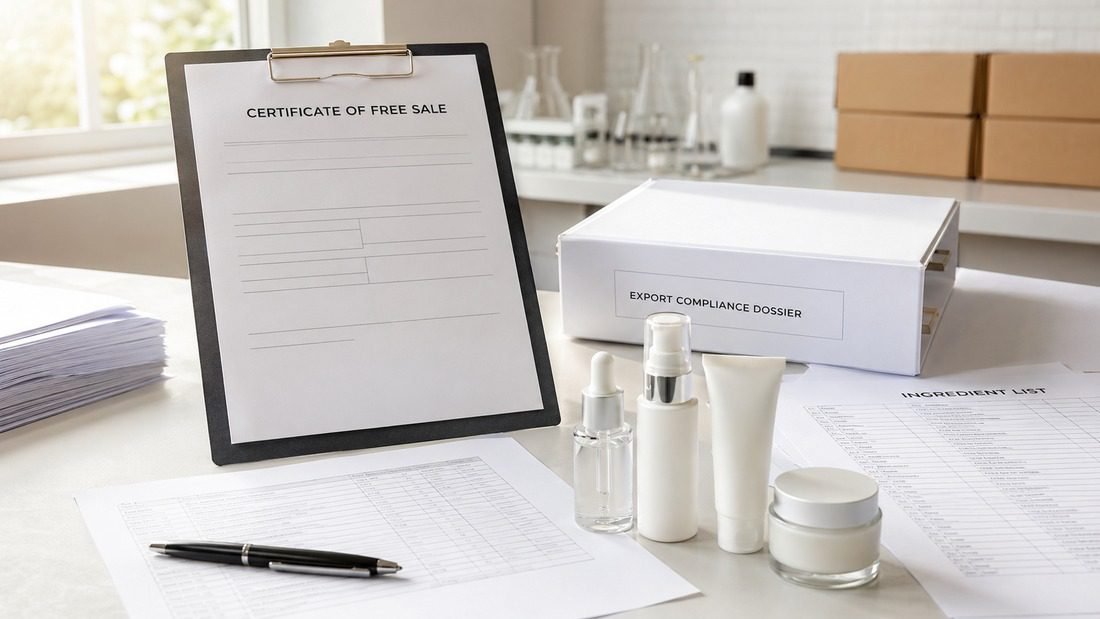
In the US, the FDA oversees cosmetics under MoCRA. For export to the EU, the EU Cosmetics Regulation (EC) No 1223/2009 requires a Cosmetic Product Safety Report (CPSR). Additionally, international standards like ISO 22716 (Good Manufacturing Practices) and halal certification for specific markets are often expected. A reliable manufacturer will have these certifications in place.
The Essential Certifications and Compliance for Facial & Body Mask Sourcing
When sourcing private label facial body mask beauty brands the us compliance certification, you must verify that your manufacturer holds the necessary certifications. Below is a comparison of key certifications and their relevance.
| Certification/Standard | Region | Relevance for Facial & Body Masks |
|---|---|---|
| FDA MoCRA Registration | US | Mandatory for cosmetics; requires facility registration and product listing. |
| EU CPSR | EU | Required for export to EU; ensures product safety assessment. |
| ISO 22716 | International | GMP for cosmetics; ensures consistent quality and safety. |
| GMP (FDA) | US | Good Manufacturing Practices; recommended for all cosmetics. |
| Halal Certification | Global (Muslim markets) | Required for halal claims; ensures ingredients and processes comply. |
| ISO 9001 | International | Quality management system; indicates operational excellence. |
FDA MoCRA: What US Brands Must Know
MoCRA mandates that cosmetic facilities register with FDA and list products. It also requires adverse event reporting and safety substantiation. For facial and body masks, this means your manufacturer must have a registered facility and provide documentation for product listing. Non-compliance can lead to enforcement actions.
EU CPSR: Gateway to European Markets
If you plan to sell in the EU, a CPSR is mandatory. This safety report is prepared by a qualified safety assessor and covers all aspects of the product, including ingredients, packaging, and manufacturing. Choose a manufacturer experienced in compiling CPSR documentation.
GMP and ISO 22716: Quality Assurance
Good Manufacturing Practices (GMP) ensure products are consistently produced and controlled according to quality standards. ISO 22716 is the international standard for cosmetics GMP. A manufacturer certified to ISO 22716 demonstrates a commitment to quality and safety, which is crucial for private label facial body mask beauty brands the us compliance certification.
Halal Certification: Expanding Market Reach
Halal certification is essential if you target Muslim consumers. It verifies that the product and its manufacturing process comply with Islamic law. This certification can open doors to markets in Southeast Asia and the Middle East.

Practical Steps to Source Compliant Facial & Body Masks
- Assess Your Target Markets: Determine where you will sell (US only, or international). This dictates which certifications are needed.
- Vet Manufacturers Thoroughly: Request copies of certifications (FDA registration, ISO 22716, halal, etc.) and verify their validity. Ask about their CPSR capabilities.
- Conduct Audits: Visit the factory or request a third-party audit to ensure compliance with GMP.
- Review Documentation: Ensure the manufacturer provides Safety Data Sheets (SDS), Certificates of Analysis (CoA), and CPSR if needed.
- Test Products: Always test samples for stability, compatibility, and safety before mass production.
- Establish a Quality Agreement: Clearly define quality standards, responsibilities, and corrective actions.
Case Studies: Successful Compliance in Action
- UK Brand: A UK-based skincare brand launched a line of clay masks for the US market. By partnering with a GMP-certified manufacturer with FDA registration, they navigated MoCRA smoothly and achieved a successful launch.
- UAE Distributor: A distributor in the UAE sourced halal-certified sheet masks from a manufacturer with ISO 22716 certification. This allowed them to market the products with confidence, resulting in strong sales.
- Australian Startup: An Australian startup developed a range of body masks for export to the EU. Their manufacturer provided comprehensive CPSR documentation, enabling seamless entry into European markets.
Frequently Asked Questions (FAQ)
Q1: Is FDA registration mandatory for cosmetic manufacturers?
A: Yes, under MoCRA, cosmetic facilities must register with the FDA and list products. This applies to both domestic and foreign manufacturers selling in the US.
Q2: What is the difference between GMP and ISO 22716?
A: GMP is a general term for Good Manufacturing Practices, while ISO 22716 is an international standard specifically for cosmetics GMP. ISO 22716 provides detailed guidelines for production, control, storage, and shipment.
Q3: Do I need a CPSR to sell in the US?
A: No, CPSR is required for the EU market. In the US, MoCRA requires safety substantiation, which may involve similar safety assessments but is not identical to CPSR.
Q4: How can I verify a manufacturer's certifications?
A: Request copies of certificates and check with the issuing bodies. For FDA registration, you can check the FDA database. For ISO, verify with the certification body.
Q5: What are the consequences of non-compliance?
A: Non-compliance can lead to product recalls, warning letters, fines, and damage to brand reputation. In severe cases, it can result in facility closure.

 Scan to WhatsApp
About the Author
David Zhang has spent years in skincare formulation and quality control at Flavor Sources, a GMP ISO 22716-certified private label manufacturer based in Dongguan, China, serving brands in 50+ countries since 2000. Reach out to David's team for a custom formula consultation →
Conclusion: Partner with a Certified Manufacturer for Success
Sourcing private label facial body mask beauty brands the us compliance certification doesn't have to be overwhelming. By understanding the regulatory landscape and partnering with a manufacturer that holds the necessary certifications, you can ensure a smooth path to market. Flavor Sources is a GMP-certified, ISO 22716-certified manufacturer with extensive experience in FDA MoCRA, EU CPSR, and halal certification. We offer comprehensive OEM/ODM services for Facial & Body Mask and other skincare products. To learn more about our compliance and certification, visit our Certificates page. Ready to start your project? Request a sample or get a quote today. Let us help you bring compliant, high-quality facial and body masks to the US market.