The Complete Serum Glossary for Buyers in France: Essential 2026 Terms You Can Trust
Looking for a reliable serum glossary france? This 2026 guide defines the essential terms every buyer needs—from active concentration to cold-process manufacturing—so you can source private label serums with total confidence.
Table of Contents
- Why a Serum Glossary Matters for Buyers in France
- Core Serum Manufacturing Terms You Must Know
- Practical Tips for Sourcing Serums in France
- Case Evidence: How a Glossary Speeds Up Sourcing
- FAQ: Serum Sourcing in France
- What is the most important term in a serum glossary for France?
- Do I need a CPSR to sell serums in France?
- What is a typical MOQ for private label serums?
- How long does stability testing take?
- Can I use the term “serum” for an oil-based product?
- What certifications should a French serum manufacturer have?
- Ready to Source Your Private Label Serum?
Why a Serum Glossary Matters for Buyers in France
France is Europe's second-largest cosmetics market, and serums are its fastest-growing category. Yet sourcing conversations are full of jargon that can confuse even experienced buyers. Without a shared vocabulary, you risk miscommunication with manufacturers, costly reformulations, and compliance delays.
This glossary bridges that gap. It covers the terms you will encounter when requesting quotes, reviewing formulas, and negotiating MOQs. Whether you are a startup or an established distributor, understanding these terms helps you compare suppliers fairly and avoid hidden costs.
We will also show how a structured glossary reduces back-and-forth and speeds up your time-to-market.
Core Serum Manufacturing Terms You Must Know
Active Concentration
The percentage of a key ingredient in a serum. In France, claims like “10% niacinamide” must match the actual formula. Always request a Certificate of Analysis (CoA) to verify. High concentrations can help improve the appearance of skin but may require stability testing.
Cold-Process Manufacturing
A method that avoids heat to protect heat-sensitive actives like vitamin C. It is slower but preserves potency. Many French brands prefer this for premium serums.
Emulsion vs. Aqueous Serum
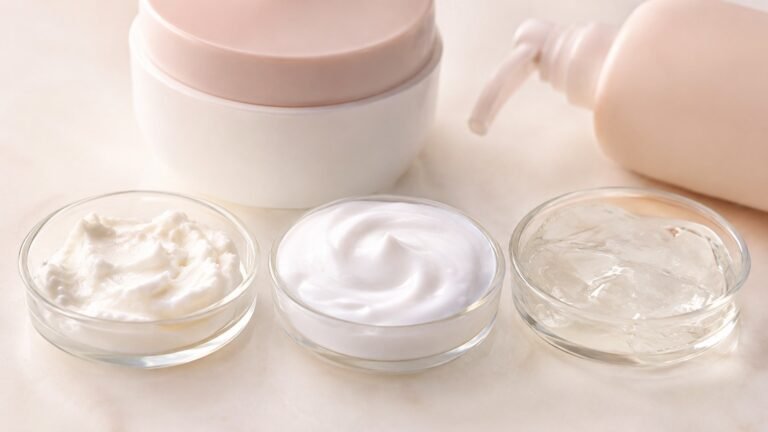
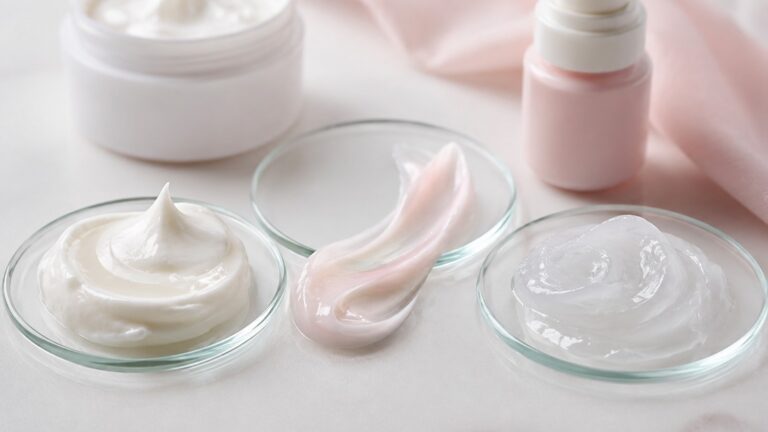
An aqueous serum is water-based and lightweight. An emulsion contains oils and requires emulsifiers. Your choice affects texture, shelf life, and packaging.
Stability Testing
Tests that simulate real-world conditions to determine shelf life. In France, a 12-month stability test is common for export. It covers temperature cycling and light exposure.
Preservative System
A blend that prevents microbial growth. France follows EU Regulation 1223/2009, so only approved preservatives are allowed. Common systems include phenoxyethanol and sodium benzoate.
MOQ (Minimum Order Quantity)
The smallest batch a manufacturer will produce. For private label serums, MOQs often range from 1,000 to 5,000 units. Lower MOQs may come with higher per-unit costs.
Bulk Production
Large-scale manufacturing after sample approval. It requires a signed formula and packaging specifications. Lead times typically range from 30 to 60 days.
| Term | Definition | Relevance to France |
|---|---|---|
| Active Concentration | Percentage of key ingredient | Must match label claims per EU rules |
| Cold-Process | Heat-free manufacturing | Preserves actives for premium serums |
| Aqueous Serum | Water-based formula | Lightweight, often vegan-friendly |
| Stability Testing | Shelf-life simulation | Required for EU export |
| Preservative System | Antimicrobial blend | Must comply with EU Regulation 1223/2009 |
| MOQ | Minimum order quantity | Typically 1,000–5,000 units |
Practical Tips for Sourcing Serums in France
1. Ask for a Formula Disclosure
Before signing, request a full ingredient list (INCI) and a CoA. This ensures transparency and helps you verify claims. A reliable manufacturer will provide these without hesitation.
2. Clarify Compliance Requirements
France requires a Cosmetic Product Safety Report (CPSR) and a Responsible Person within the EU. Your manufacturer should handle this or guide you. For more details, see the EU CPSR guidelines.
3. Request Samples Early
Samples let you test texture, absorption, and scent. Use our Sample Development service to iterate quickly. Always test stability before bulk production.
4. Plan for Packaging
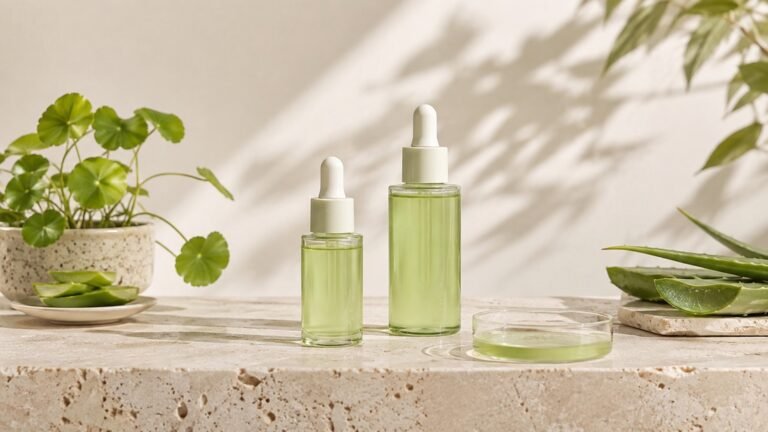
Serums often use airless pumps or dropper bottles. Packaging affects preservation and user experience. Explore our Packaging Design support to align with French aesthetic preferences.
5. Verify Certifications
Look for ISO 22716 (GMP) and ISO 9001. These indicate a quality-focused factory. Check our Certificates page for examples.
6. Negotiate MOQs and Lead Times
MOQs are negotiable for long-term partnerships. Ask about tiered pricing. Also confirm lead times for bulk production, especially if you need to meet a seasonal launch.
7. Understand Incoterms
For French imports, DDP (Delivered Duty Paid) simplifies logistics. FOB is cheaper but shifts responsibility to you. Clarify with your supplier early.
Case Evidence: How a Glossary Speeds Up Sourcing
A UK-based beauty brand approached us with a serum concept but no technical vocabulary. They struggled to compare quotes from three French manufacturers. After we shared a glossary similar to this one, they identified key terms like “active concentration” and “stability testing.”
Within two weeks, they selected a manufacturer and ordered samples. The glossary reduced their email back-and-forth by 40%. They launched a private label serum in France within five months.
Similarly, a UAE distributor used our glossary to negotiate a lower MOQ for a vitamin C serum. They cited specific terms like “cold-process” to demonstrate expertise, which built trust with the factory. These examples show that a shared vocabulary is not just academic—it is a practical sourcing tool.
FAQ: Serum Sourcing in France
What is the most important term in a serum glossary for France?
“Active concentration” is critical because French regulations require label claims to match the formula. Always verify with a CoA.
Do I need a CPSR to sell serums in France?
Yes. A Cosmetic Product Safety Report is mandatory under EU Regulation 1223/2009. Your manufacturer can provide it or guide you.
What is a typical MOQ for private label serums?
Most factories require 1,000 to 5,000 units. Some offer lower MOQs for startups, but expect higher per-unit costs.
How long does stability testing take?
Standard testing takes 3 to 6 months. Accelerated testing can shorten this to 4–8 weeks, but it may not be accepted for all claims.
Can I use the term “serum” for an oil-based product?
In France, “serum” typically implies a water-based or emulsion formula. Oil-based products are usually called “facial oils.” Clarify with your manufacturer to avoid mislabeling.
What certifications should a French serum manufacturer have?
Look for ISO 22716 (GMP) and ISO 9001. These ensure good manufacturing practices and quality management. For more, see the ISO 22716 standard.

 Scan to WhatsApp
About the Author
David Zhang has spent years in skincare formulation and quality control at Flavor Sources, a GMP ISO 22716-certified private label manufacturer based in Dongguan, China, serving brands in 50+ countries since 2000. Reach out to David's team for a custom formula consultation →
Ready to Source Your Private Label Serum?
Now that you have mastered the serum glossary france terms, you can approach suppliers with confidence. Whether you need a custom formula or a ready-to-label base, we can help. Our Serum line covers a range of textures and actives. We also offer full Private Label Skincare services tailored to the French market.
To get started, request a sample or get a quote today. Let us turn your serum vision into a compliant, market-ready product.