The Ultimate Serum Glossary for Saudi Arabia Buyers in 2026: Essential Terms for Confident Sourcing
As a buyer in Saudi Arabia's booming beauty market, understanding the serum glossary saudi arabia is essential for confident sourcing. This guide defines key terms from active ingredients to packaging, helping you communicate effectively with OEM/ODM partners and make informed decisions in 2026.
Table of Contents
Why a Serum Glossary Matters for Saudi Arabia Buyers
Saudi Arabia's beauty and personal care market is projected to grow significantly, driven by a young, brand-conscious population and regulatory reforms. For buyers, this presents opportunities but also challenges: navigating technical jargon can lead to costly misunderstandings. A clear grasp of serum terminology ensures you specify products correctly, compare quotes accurately, and comply with local regulations. This glossary focuses on terms you'll encounter when sourcing serums from manufacturers, empowering you to ask the right questions and build reliable supplier relationships.
Key Serum Manufacturing Terms Defined
When discussing serums with manufacturers, you'll hear terms like active concentration, pH level, and viscosity. These affect product performance and stability. For instance, active concentration refers to the percentage of key ingredients like vitamin C or hyaluronic acid. pH level impacts skin compatibility and preservative efficacy. Viscosity determines texture and flow. Understanding these helps you set realistic specifications and evaluate samples. Below is a comparison of common serum types and their typical characteristics to aid your decision-making.
| Term | Definition | Importance for Buyers |
|---|---|---|
| Active Concentration | Percentage of key functional ingredients (e.g., 10% vitamin C) | Determines efficacy and cost; must be stable and within regulatory limits |
| pH Level | Acidity or alkalinity of the formula (0-14 scale) | Affects skin tolerance, preservative system, and ingredient stability |
| Viscosity | Thickness or flow resistance of the serum | Influences user experience and packaging compatibility |
| Preservative System | Ingredients that prevent microbial growth | Ensures safety and shelf life; must comply with Saudi regulations |
| Emulsion | Mixture of oil and water phases stabilized by emulsifiers | Common in milky serums; affects texture and absorption |
| Humectant | Ingredient that attracts and retains water (e.g., glycerin) | Provides hydration; often paired with occlusives |
Private Label Serum Glossary: Terms for Branded Products
In private label arrangements, you'll encounter terms like MOQ (Minimum Order Quantity), custom formulation, and stability testing. MOQ is the smallest batch a manufacturer will produce, often 1,000-5,000 units for serums. Custom formulation means tailoring the formula to your specifications, while stability testing ensures the product remains safe and effective over time. These terms are crucial for planning your launch and budgeting. For a seamless private label experience, consider partnering with a manufacturer that offers comprehensive support, such as Private Label Skincare services.
OEM ODM Serum Terminology: Understanding Manufacturing Models
OEM (Original Equipment Manufacturer) and ODM (Original Design Manufacturer) are two common models. In OEM, you provide the formula and specifications, and the manufacturer produces it. In ODM, the manufacturer offers ready-made formulas that you brand. Key terms include turnkey solution (full-service from formula to packaging), bulk production (large-scale manufacturing), and quality control (testing at various stages). Knowing these helps you choose the right partnership model. For instance, if you have a unique formula, OEM might suit you; if you want speed to market, ODM could be better. Our Custom Formula service supports both approaches.
Practical Tips for Navigating Serum Sourcing in Saudi Arabia
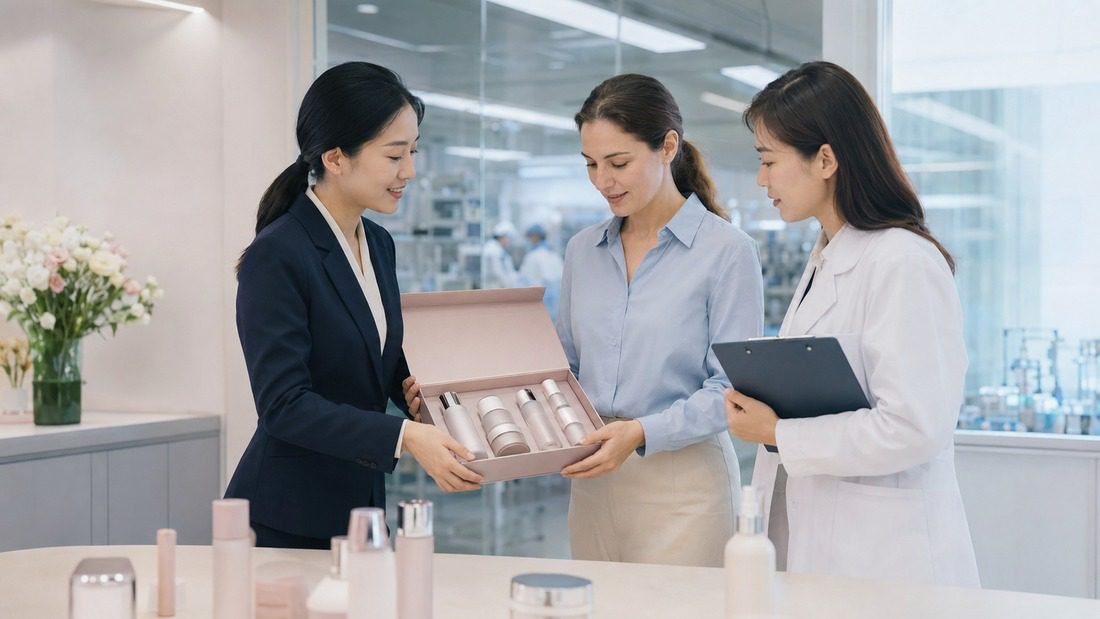
First, always request a detailed specification sheet that lists active concentrations, pH, and preservatives. Second, ask about compliance with Saudi Food and Drug Authority (SFDA) regulations, including product notification and labeling in Arabic. Third, consider climate: serums must be stable in high temperatures, so request accelerated stability data. Fourth, clarify MOQs and lead times upfront to avoid delays. Finally, build a relationship with your supplier by visiting their facility or requesting a Factory Tour to verify capabilities. These steps reduce risks and ensure a smooth sourcing process.
Case Examples: How a Glossary Aids Successful Sourcing
In the UK, a brand used a serum glossary to specify a vitamin C serum with 15% active and pH 3.5, avoiding miscommunication that could have led to a failed batch. In the UAE, a distributor referenced terms like ‘humectant' and 'emulsion' to compare suppliers, ultimately choosing one with better texture. In Australia, a startup used ODM terminology to launch a hyaluronic acid serum within three months. These examples show that a shared vocabulary streamlines negotiations and builds trust. For more insights, explore our Case Studies.
Frequently Asked Questions (FAQ)
What is the difference between OEM and ODM in serum manufacturing?
OEM means you provide the formula, and the manufacturer produces it. ODM means the manufacturer provides a ready formula that you brand. OEM offers more customization, while ODM is faster and often more cost-effective for standard products.
How do I ensure my serum complies with Saudi regulations?
Work with a manufacturer experienced in exporting to Saudi Arabia. They should provide documentation for SFDA registration, including ingredient safety and stability tests. Also, ensure labeling is in Arabic and English, and claims are compliant.
What is a typical MOQ for private label serums?
MOQs vary by manufacturer, but for serums, they often range from 1,000 to 5,000 units. Some manufacturers may offer lower MOQs for startups, but expect higher per-unit costs.
How long does it take to develop a custom serum?
From formula development to delivery, it can take 8-12 weeks, including sampling, stability testing, and production. Factors like ingredient sourcing and packaging can affect timelines.
What are key stability tests for serums?
Accelerated stability testing (e.g., 3 months at 40°C) and real-time testing (up to 2 years) are common. These assess formula integrity, color, odor, and pH over time.

 Scan to WhatsApp
About the Author
David Zhang has spent years in skincare formulation and quality control at Flavor Sources, a GMP ISO 22716-certified private label manufacturer based in Dongguan, China, serving brands in 50+ countries since 2000. Reach out to David's team for a custom formula consultation →
Ready to Source Serums for Saudi Arabia?
Don't let terminology barriers hold you back. Partner with a manufacturer who speaks your language. At Flavor Sources, we offer comprehensive OEM/ODM services, from custom formulation to packaging. To experience our quality firsthand, request a free sample or get a quote today. Our team is ready to help you navigate the serum glossary saudi arabia and launch a successful product. Let's bring your vision to life with reliable, compliant serums tailored for the Saudi market.