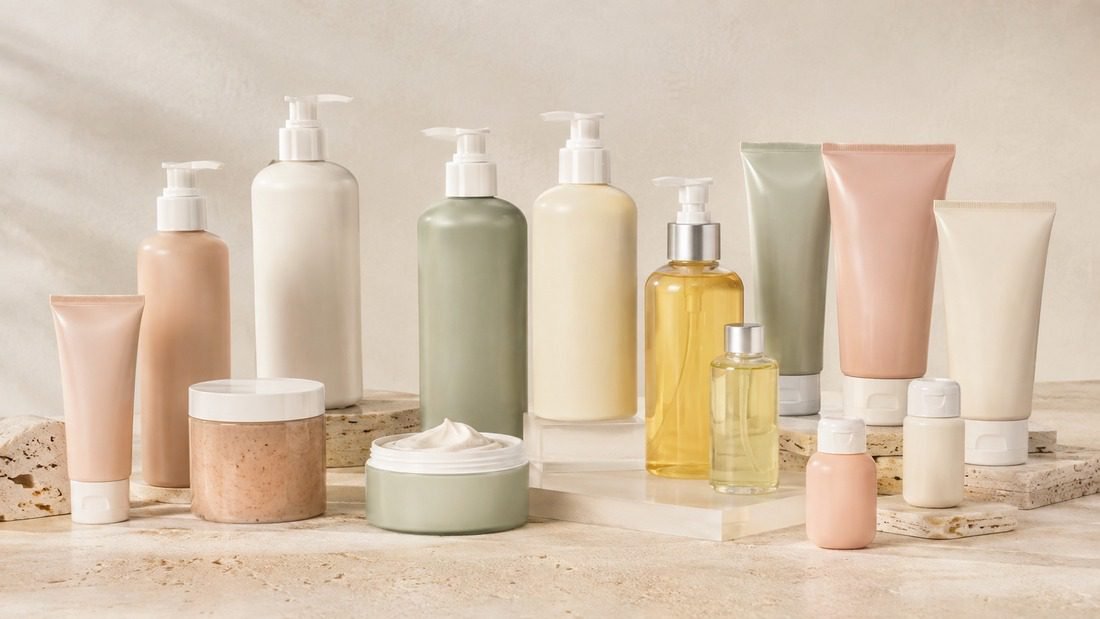
Complete 2028 Guide: Body Care vs Body Oil Quality Control for Reliable Private Label
When planning your 2028 product line, the decision between body care and body oil isn't just about texture—it's about mastering distinct body care vs body oil quality control protocols. The short answer: while both require rigorous safety and stability testing, body oil demands extra attention to oxidation and packaging compatibility, whereas body care (creams, lotions) requires more complex microbial and emulsion stability checks. This guide breaks down the critical differences so you can choose confidently and manufacture without costly recalls.
Table of Contents
- Understanding the Quality Control Landscape for Body Care and Body Oil
- Why Quality Control Differs: Emulsions vs. Anhydrous Formulas
- Key Quality Control Steps for Both Formats
- Practical Recommendations for Your 2028 Line
- Case Studies: How Brands Navigate Format-Specific QC
- FAQ: Body Care vs Body Oil Quality Control
- Ready to Launch Your 2028 Product Line?
Understanding the Quality Control Landscape for Body Care and Body Oil
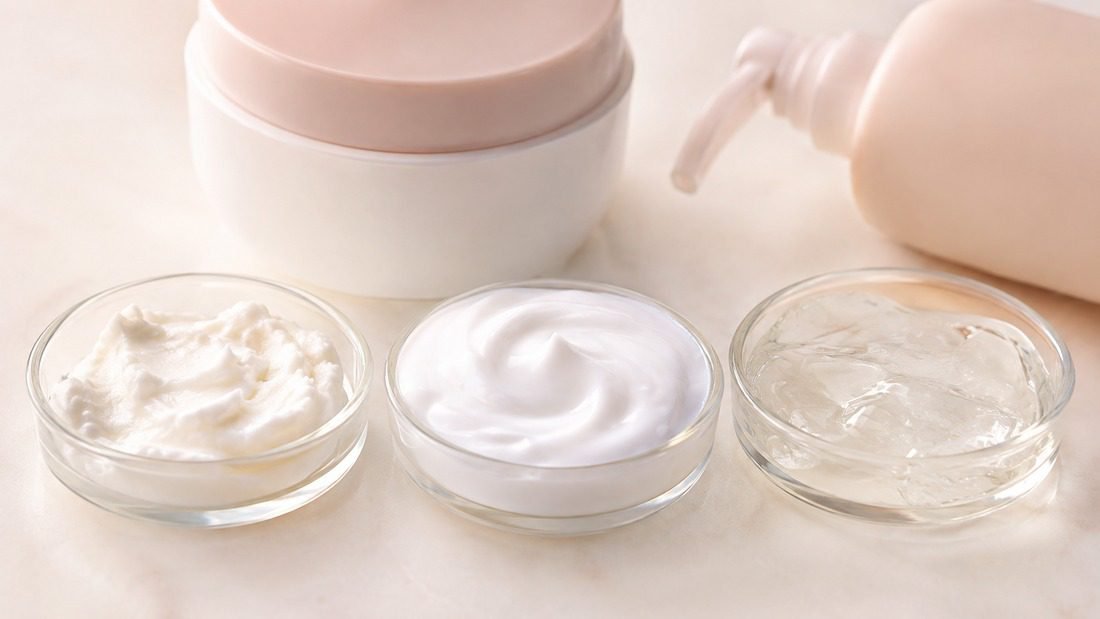
Quality control (QC) is the backbone of any cosmetic product launch, but the specific challenges vary dramatically between formats. Body care vs body oil quality control starts with the raw materials. Body care products—creams, lotions, and serums—are water-based emulsions that require preservatives and careful pH management. Body oils, being anhydrous (no water), have lower microbial risk but are prone to oxidation and rancidity. Both must comply with international regulations like the EU's CPSR or FDA's MoCRA, but the testing protocols differ.
For instance, a lotion must undergo challenge testing to verify preservative efficacy, while an oil needs accelerated oxidation tests to predict shelf life. This fundamental difference shapes every aspect of your QC plan, from supplier audits to final batch release.
Why Quality Control Differs: Emulsions vs. Anhydrous Formulas
Emulsion-Based Body Care: The Microbial Challenge
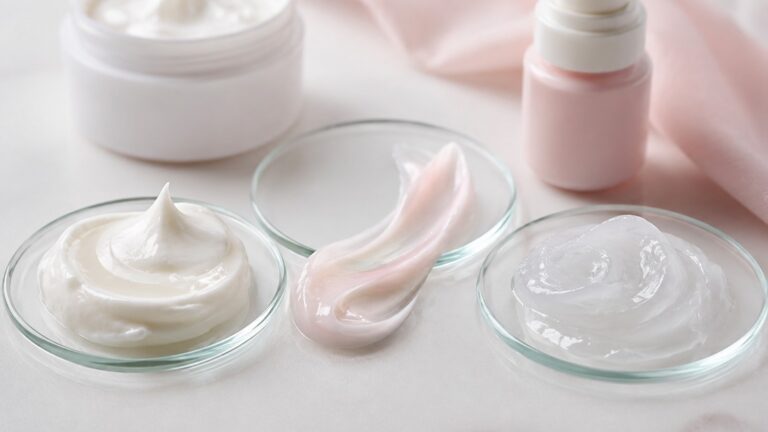
Body care products like creams and lotions contain water, creating a perfect breeding ground for bacteria, mold, and yeast. Therefore, QC focuses on microbial limits and preservative effectiveness. You'll need to test each batch for total viable count (TVC) and pathogens like Staphylococcus aureus and Pseudomonas aeruginosa. Additionally, emulsion stability is crucial—you must ensure the product doesn't separate, curdle, or change viscosity over time.
Anhydrous Body Oils: The Oxidation Factor
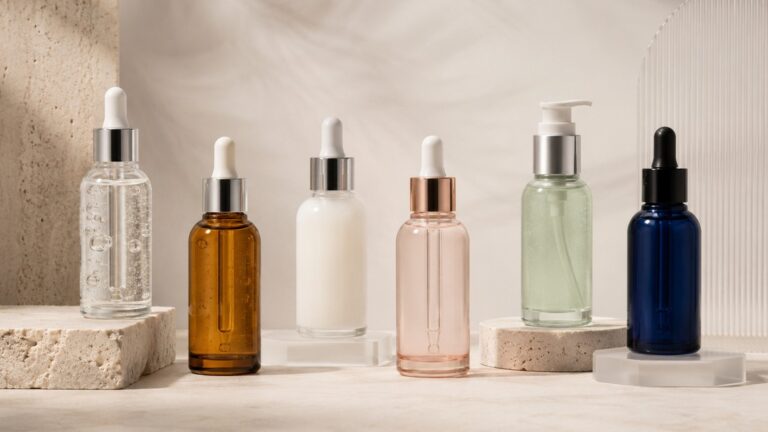
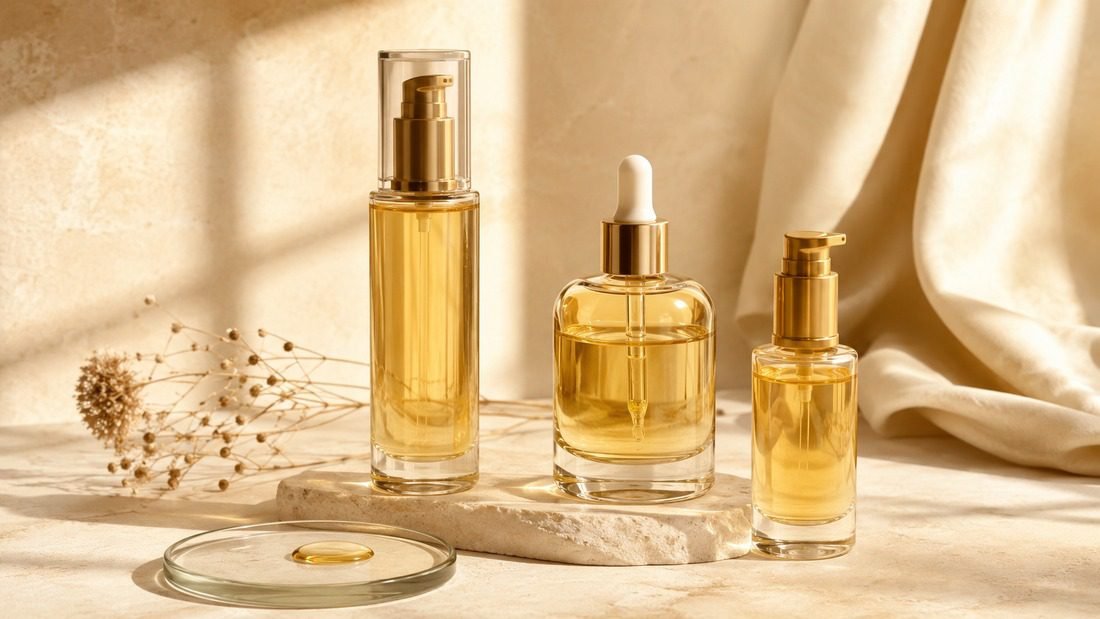
Body oils, on the other hand, are oil-based without water, which reduces microbial risk. However, they are highly susceptible to oxidation, which causes rancidity, color changes, and unpleasant odors. QC for oils involves peroxide value tests, anisidine value tests, and antioxidant efficacy checks. You also need to verify that the packaging material doesn't leach into the oil or react with it, which could compromise safety.
| Aspect | Body Care (Emulsions) | Body Oil (Anhydrous) |
|---|---|---|
| Microbial risk | High | Low |
| Key stability concern | Emulsion separation, viscosity change | Oxidation, rancidity |
| Main QC tests | Challenge test, TVC, pH, viscosity | Peroxide value, anisidine value, UV stability |
| Preservatives | Required | Often not needed |
| Packaging compatibility | Less critical | Critical (must resist oil migration) |
Key Quality Control Steps for Both Formats
Regardless of format, every product must follow a robust QC pipeline:
- Raw material inspection: Verify identity, purity, and source. For oils, check fatty acid profiles; for emulsions, check emulsifier quality.
- In-process checks: During manufacturing, monitor temperature, mixing time, and pH to ensure consistency.
- Finished product testing: Conduct full specification tests, including organoleptic (appearance, odor), physicochemical (pH, viscosity), and stability.
- Stability studies: Accelerated stability tests (e.g., 40°C/75% RH for 3 months) to predict shelf life.
- Compliance documentation: Ensure all test results align with your target market's regulations.
Practical Recommendations for Your 2028 Line
To minimize risk and maximize efficiency, consider these actionable steps:
- Partner with an experienced OEM/ODM: A manufacturer like Flavor Sources can guide you through format-specific QC. For instance, our Body Care production lines are designed for emulsion stability, while our oil filling lines ensure oxygen-free packaging.
- Define your product spec clearly: Include acceptance criteria for all critical parameters. For body care, specify pH range and viscosity; for oils, specify peroxide value limits.
- Invest in stability testing early: Don't wait until final formulation. Conduct pre-stability tests with your chosen packaging to avoid surprises.
- Leverage third-party labs: For regulatory submissions, use accredited labs for safety assessments.
- Request samples: Before committing to bulk, order samples and conduct your own QC checks. Use our Request Sample page to get started.
Case Studies: How Brands Navigate Format-Specific QC
In the UK, a startup launched a body oil line and faced early rancidity issues due to improper antioxidant selection. By partnering with a manufacturer that emphasized oxidation testing, they reformulated and extended shelf life from 6 to 18 months. Meanwhile, an Australian brand introduced a body lotion with inadequate preservative system, leading to microbial contamination and a costly recall. They switched to a supplier with rigorous challenge testing, ensuring compliance with TGA standards. These examples highlight the importance of format-specific QC expertise.
FAQ: Body Care vs Body Oil Quality Control
Q1: Which format has stricter quality control?
Both are strict but in different ways. Body care requires more microbiological testing, while body oil demands more oxidation and packaging tests. The ‘stricter' one depends on your risk assessment.
Q2: Can I use the same QC plan for both if I have a hybrid product?
If you have a water-in-oil emulsion or an oil-in-water with oil phase, you'll need combined testing. Always consult with your manufacturer.
Q3: How long does stability testing take?
Typically 3-6 months for accelerated studies, but real-time stability may extend to 2 years. Plan your launch timeline accordingly.
Q4: Do I need preservatives in body oil?
Generally no, as there's no water, but if your oil contains botanical extracts, they might introduce microbial risk. Always test.
Q5: What regulations apply to body care vs body oil?
Both fall under cosmetic regulations like EU CPSR or FDA MoCRA. However, oil products might have specific labeling requirements for ingredients like essential oils.

 Scan to WhatsApp
About the Author
David Zhang has spent years in skincare formulation and quality control at Flavor Sources, a GMP ISO 22716-certified private label manufacturer based in Dongguan, China, serving brands in 50+ countries since 2000. Reach out to David's team for a custom formula consultation →
Ready to Launch Your 2028 Product Line?
Choosing between body care and body oil is easier when you have the right quality control partner. At Flavor Sources, we specialize in both formats, offering comprehensive testing and compliance support. Explore our Body Care products or contact us for a Get a Quote to discuss your project. Our team is ready to ensure your product meets the highest standards of safety and efficacy.