
Hair Care vs Scalp Serum: Complete Formulation & Ingredient Sourcing Guide (2026)
When deciding between hair care vs scalp serum formulation ingredient sourcing, the key difference lies in the target layer: hair care focuses on the fiber, while scalp serum targets the skin beneath. This guide breaks down the formulation, ingredient sourcing, and manufacturing nuances to help you choose the right path for your brand in 2026.
Table of Contents
- The Core Difference: Hair Care vs Scalp Serum
- Why This Choice Matters for Your Brand
- Key Differences in Formulation and Sourcing
- Formulation Comparison Table
- Practical Tips for Choosing and Developing Your Product
- Case Studies: How Brands Succeed with Each Format
- Frequently Asked Questions
- Q1: Can I use the same active ingredients in both hair care and scalp serum?
- Q2: Which format is more cost-effective for a new brand?
- Q3: How long does it take to develop a scalp serum vs a hair care product?
- Q4: Do I need different regulatory approvals for each?
- Q5: Can I offer both products in my line?
- Q6: What should I look for in a manufacturing partner?
- Final Thoughts and Next Steps
The Core Difference: Hair Care vs Scalp Serum
Hair care products—shampoos, conditioners, and treatments—are designed to cleanse, condition, and protect the hair shaft. They typically contain surfactants, silicones, and conditioning agents that coat the fiber. Scalp serums, on the other hand, are leave-on treatments formulated with active ingredients like peptides, niacinamide, and botanical extracts to address scalp health directly.
From a formulation perspective, the key difference is the delivery system. Hair care often uses rinse-off formats, while serums are leave-on and require higher compatibility with skin. This affects ingredient selection, preservative systems, and viscosity. For hair care vs scalp serum formulation ingredient sourcing, understanding these differences is crucial for product success.
Why This Choice Matters for Your Brand
Choosing the wrong format can lead to poor performance, consumer dissatisfaction, and wasted R&D investment. For instance, a scalp serum with a high oil content might weigh down hair, while a hair care product with harsh surfactants could irritate the scalp. The decision impacts formulation complexity, sourcing strategy, and regulatory compliance.
Moreover, market trends show increasing demand for scalp-focused products. According to Grand View Research, the global scalp care market is projected to grow significantly, driven by rising awareness of scalp health. This makes the comparison between hair care and scalp serum more relevant than ever.
Key Differences in Formulation and Sourcing
1. Product Format and Texture
Hair care products range from shampoos (high water content, surfactants) to leave-in conditioners (emulsions with oils and silicones). Scalp serums are typically lightweight, water-based or oil-based, with low viscosity for easy application. The texture affects packaging, stability, and user experience.
2. Active Ingredients and Concentrations
Hair care often uses ingredients like keratin, argan oil, and panthenol at lower concentrations because they are rinsed off. Scalp serums require higher concentrations of actives like caffeine, salicylic acid, or peptides to penetrate the skin and show visible benefits. For example, a scalp serum might contain 5% niacinamide, while a shampoo only has 1%.
3. Preservative and Stability Requirements
Leave-on products like scalp serums need robust preservative systems to prevent microbial growth, especially if they contain water. Rinse-off products have more flexibility. Additionally, scalp serums may require antioxidants to protect sensitive actives. This impacts ingredient sourcing and testing.
4. Regulatory and Safety Considerations
Scalp serums, being leave-on, are subject to stricter safety assessments, including skin irritation and sensitization tests. In the EU, they must comply with the Cosmetic Regulation (EC) No 1223/2009, and in the US, with FDA's MoCRA. Hair care products also need safety data but may have lower risk profiles. Ensure your supplier can provide necessary documentation.
Formulation Comparison Table
| Parameter | Hair Care (Shampoo/Conditioner) | Scalp Serum |
|---|---|---|
| Format | Rinse-off | Leave-on |
| Primary Target | Hair fiber | Scalp skin |
| Key Actives | Keratin, oils, silicones | Peptides, niacinamide, botanical extracts |
| Active Concentration | Low (1-3%) | High (5-10%) |
| Preservative Needs | Moderate | High (if water-based) |
| Viscosity | High (for shampoo) | Low (watery or oil) |
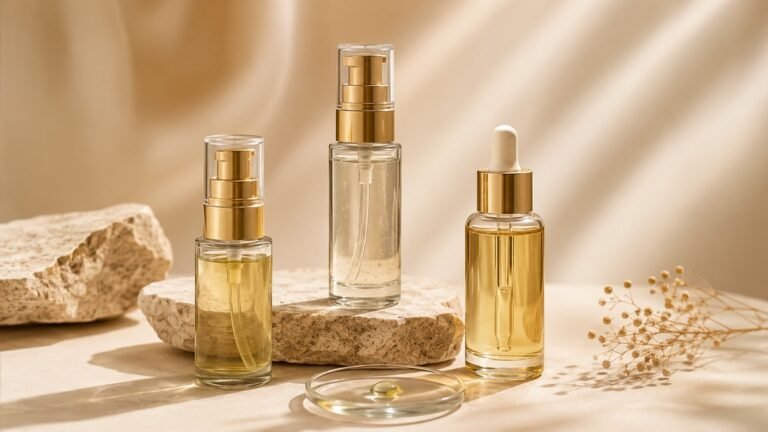
| Packaging | Pump bottle, tube | Dropper bottle, ampoule |
| Regulatory Risk | Lower | Higher (leave-on) |
Practical Tips for Choosing and Developing Your Product
1. Define Your Target Consumer and Problem
If your audience struggles with hair damage, split ends, or frizz, a hair care product like a conditioner or treatment may be the right choice. If they have dandruff, itchiness, or hair thinning, a scalp serum targeting the root cause is more appropriate. Clarify the primary benefit to guide formulation.
2. Consider Your Budget and Manufacturing Capabilities
Scalp serums often require more sophisticated manufacturing processes, such as aseptic filling or nitrogen flushing, to maintain stability. Hair care products are simpler to produce. Evaluate your manufacturing partner's capabilities. At Flavor Sources, we offer both Hair Care and custom serum development, with flexible options for startups and established brands.
3. Choose Ingredients Wisely
For scalp serums, prioritize ingredients with proven efficacy for scalp health, such as salicylic acid for exfoliation, zinc pyrithione for dandruff, or peptides for hair follicle stimulation. For hair care, focus on conditioning agents like behentrimonium chloride, natural oils, and hydrolyzed proteins. Always source from certified suppliers and request documentation.
4. Plan for Stability and Packaging
Scalp serums with active ingredients may need opaque or amber glass packaging to protect from light. Airless pumps prevent oxidation. Hair care products can use standard bottles. Work with your manufacturer to ensure packaging compatibility and stability testing.

Case Studies: How Brands Succeed with Each Format
In the UK, a niche brand launched a scalp serum containing caffeine and niacinamide, targeting hair thinning. They positioned it as a daily leave-on treatment and used clinical testing to support claims. The product gained traction due to its targeted approach and scientific backing.
In the UAE, a distributor introduced a private label hair care line with argan oil shampoos and conditioners. They focused on premium packaging and natural ingredients, appealing to the luxury market. The line performed well, but they later added a scalp serum to address consumer requests for scalp-specific solutions.
In Australia, a startup developed a scalp serum with tea tree oil and salicylic acid for oily scalps. They used sustainable packaging and transparent labeling, which resonated with eco-conscious consumers. The success highlighted the importance of ingredient sourcing and clear communication.
These cases show that both formats can succeed, but the choice depends on market positioning and consumer needs.
Frequently Asked Questions
Q1: Can I use the same active ingredients in both hair care and scalp serum?
Some ingredients like niacinamide can be used in both, but concentrations and delivery systems differ. For scalp serums, you need higher concentrations and skin-compatible formulations. Always test for irritation.
Q2: Which format is more cost-effective for a new brand?
Hair care products like shampoos are generally cheaper to produce due to simpler formulations and lower active costs. Scalp serums require more expensive actives and testing, but they can command higher prices. Assess your budget and target price point.
Q3: How long does it take to develop a scalp serum vs a hair care product?
Scalp serums typically take longer due to stability testing and safety assessments, especially if they contain novel actives. Hair care products can be developed faster. Plan your timeline accordingly.
Q4: Do I need different regulatory approvals for each?
Both are cosmetics, but leave-on products like scalp serums may require more rigorous safety testing. In the EU, you need a PIF (Product Information File) and CPSR for both, but the risk assessment is stricter for leave-on. In the US, MoCRA requires facility registration and product listing for all cosmetics.
Q5: Can I offer both products in my line?
Absolutely. Many brands offer a shampoo, conditioner, and scalp serum as a complete regimen. This can increase customer loyalty and average order value. Consider developing a coordinated line with shared branding.
Q6: What should I look for in a manufacturing partner?
Look for experience with both formats, transparent ingredient sourcing, and robust quality control. Ask for samples and certifications. At Flavor Sources, we provide end-to-end support, from formulation to export.
Final Thoughts and Next Steps
Choosing between hair care and scalp serum is a strategic decision that impacts your formulation, sourcing, and market positioning. Evaluate your target audience, budget, and manufacturing capabilities. Both formats offer unique opportunities, and a well-planned approach can lead to success.
If you're ready to start, request a sample or get a quote from our team. We offer Hair Care and serum development, with expertise in hair care vs scalp serum formulation ingredient sourcing. Contact us today to discuss your project.

 Scan to WhatsApp
About the Author
David Zhang has spent years in skincare formulation and quality control at Flavor Sources, a GMP ISO 22716-certified private label manufacturer based in Dongguan, China, serving brands in 50+ countries since 2000. Reach out to David's team for a custom formula consultation →
For more insights, explore our Case Studies and Quality Control pages to see how we ensure excellence. Let's create a product that stands out in 2026.