The Complete 2026 Guide to Cream & Lotion Formulation & Ingredient Sourcing for Beauty Brands
For beauty brands in 2026, mastering cream lotion formulation ingredient sourcing beauty brands is critical to deliver safe, effective, and market-ready products. This guide covers formulation basics, ingredient sourcing strategies, and quality control, helping you navigate complexities and make informed decisions.
Table of Contents
- Why Cream & Lotion Formulation & Ingredient Sourcing Is a Challenge for Beauty Brands
- The Essentials of Cream & Lotion Formulation
- Ingredient Sourcing: Strategies for Quality and Reliability
- Practical Tips for Successful Cream & Lotion Development
- Case Studies: Real-World Success
- FAQ
- Ready to Develop Your Cream & Lotion?
Why Cream & Lotion Formulation & Ingredient Sourcing Is a Challenge for Beauty Brands
Developing a cream or lotion involves more than mixing ingredients. It requires balancing efficacy, stability, safety, and sensory appeal. Brands must also source high-quality raw materials while managing costs and regulatory compliance. The complexity increases with global supply chain disruptions and stringent regulations. Without proper expertise, brands risk product failures, recalls, or delays. This guide addresses these challenges, offering actionable insights for successful product development.
The Essentials of Cream & Lotion Formulation
Formulation is both science and art. A well-designed cream or lotion delivers active ingredients effectively while providing a pleasant user experience. Key considerations include emulsification, viscosity, pH, and preservation. Understanding these fundamentals helps brands communicate with manufacturers and evaluate samples.
Key Components of Cream & Lotion
| Component | Function | Examples |
|---|---|---|
| Emollients | Soften and smooth skin | Plant oils, esters |
| Humectants | Attract and retain moisture | Glycerin, hyaluronic acid |
| Emulsifiers | Blend oil and water phases | Cetearyl alcohol, polysorbates |
| Thickeners | Adjust viscosity | Xanthan gum, carbomer |
| Preservatives | Prevent microbial growth | Phenoxyethanol, sodium benzoate |
| Active Ingredients | Deliver specific benefits | Vitamins, peptides, botanical extracts |
Each component must be carefully selected to ensure compatibility and stability. For custom formulation, brands can leverage Custom Formula services to tailor products to their brand vision.
Formulation Types: Cream vs. Lotion
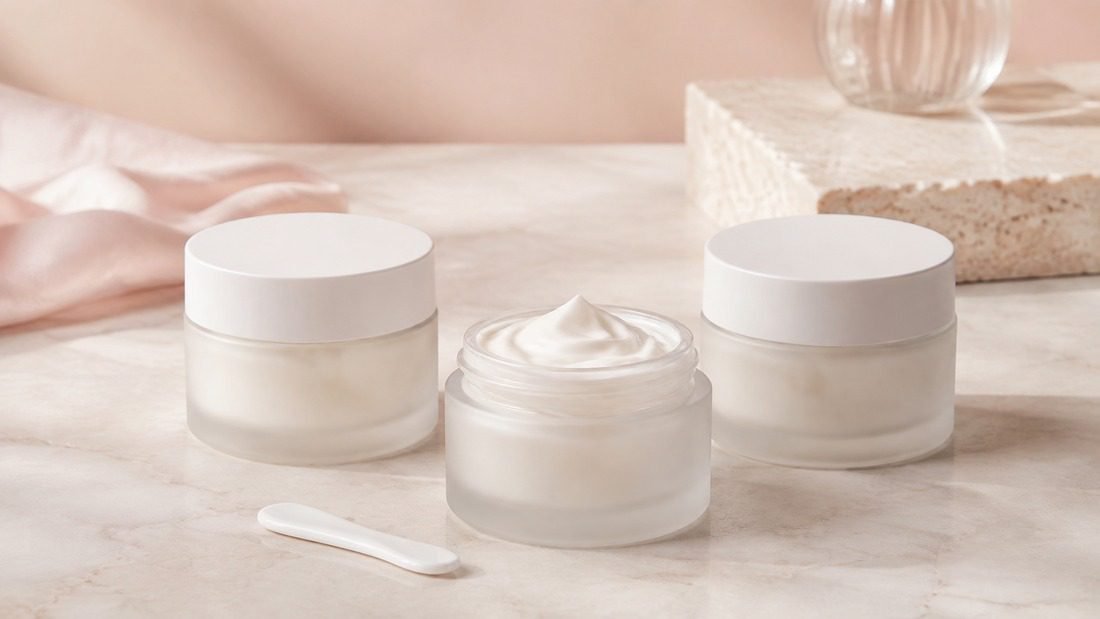
Creams are thicker, with higher oil content, suitable for dry skin and night care. Lotions are lighter, with higher water content, ideal for daily hydration. The choice depends on target skin type and consumer preferences. Both require precise emulsification to prevent separation.

Ingredient Sourcing: Strategies for Quality and Reliability
Sourcing ingredients is a critical step. Brands must ensure raw materials meet quality standards, are ethically sourced, and comply with regulations. Building a reliable supply chain mitigates risks.
Sourcing Active Ingredients
Active ingredients like retinol, vitamin C, and peptides require careful handling. Cream lotion formulation ingredient sourcing beauty brands should prioritize suppliers with verified purity and potency. Consider encapsulation technologies to stabilize actives. For active ingredients sourcing, work with manufacturers who provide certificates of analysis (COA) and test for heavy metals and microbial contamination.
Raw Material Sourcing from China
China is a major supplier of cosmetic raw materials. However, quality varies. Brands should audit suppliers and request samples for testing. Partnering with a reputable OEM/ODM like Flavor Sources simplifies sourcing, as we have established relationships with vetted suppliers. Our Quality Control processes ensure every batch meets specifications.
Ensuring Regulatory Compliance
Ingredients must comply with regulations in target markets. For example, the EU Cosmetics Regulation prohibits certain substances, while the US FDA MoCRA requires facility registration. Brands must stay updated. Leverage resources like the EU Cosmetics Regulation and FDA guidelines. Your manufacturing partner should provide documentation for compliance.
Practical Tips for Successful Cream & Lotion Development
- Define Your Product Vision: Clearly outline target consumer, benefits, and sensory attributes.
- Select a Reliable Manufacturing Partner: Choose an OEM/ODM with expertise in cream and lotion formulation. Flavor Sources offers Cream & Lotion manufacturing with full support from concept to delivery.
- Test Prototypes: Request samples and conduct stability and compatibility tests. Use Sample Development services to refine formulas.
- Validate Claims: Ensure marketing claims are substantiated with clinical or consumer studies. Avoid medical assertions; use phrases like “helps improve the appearance of.”
- Plan for Scale-Up: Work with your manufacturer to transition from lab to bulk production smoothly. Our Bulk Production capabilities ensure consistency.
- Consider Packaging Early: Packaging affects product stability. Our Packaging Design team can assist.
- Document Everything: Maintain records for traceability and regulatory audits.
Case Studies: Real-World Success
- UK Brand: A startup launched a vegan moisturizer using custom formulation and sustainable packaging. With Flavor Sources' support, they achieved a stable formula and passed EU compliance, leading to successful market entry.
- UAE Distributor: Sourced a private label lotion with SPF for the Middle East market. We helped select suitable UV filters and ensured halal certification, resulting in strong sales.
- US E-commerce Seller: Developed a retinol cream with encapsulated retinol for stability. Our testing ensured potency, and the product received positive reviews for efficacy.
- Australia Spa Chain: Required a nourishing body lotion with native botanicals. We sourced Australian extracts and manufactured in bulk, meeting strict TGA requirements.
These examples demonstrate how strategic formulation and sourcing lead to market success. For more insights, visit our Case Studies.
FAQ
Q1: How long does cream and lotion formulation take?
A: Typical development takes 4-8 weeks, including sampling and stability testing. Complex formulas may take longer.
Q2: What are the minimum order quantities (MOQs) for custom cream and lotion?
A: MOQs vary by formula and packaging. Flavor Sources offers flexible MOQs for startups and established brands. Contact us for details.
Q3: Can you source organic and natural ingredients?
A: Yes, we source certified organic and natural ingredients upon request, ensuring documentation for claims.
Q4: How do you ensure ingredient quality?
A: We audit suppliers, request COAs, and conduct in-house testing for identity, purity, and microbial safety.
Q5: What regulations should I be aware of for exporting to the EU?
A: EU Cosmetics Regulation requires a Cosmetic Product Safety Report (CPSR) and notification via CPNP. We assist with documentation.
Q6: Can you help with packaging and design?
A: Absolutely. Our packaging design team offers structural and graphic design support to create shelf-ready products.

 Scan to WhatsApp
About the Author
David Zhang has spent years in skincare formulation and quality control at Flavor Sources, a GMP ISO 22716-certified private label manufacturer based in Dongguan, China, serving brands in 50+ countries since 2000. Reach out to David's team for a custom formula consultation →
Ready to Develop Your Cream & Lotion?
Launching a successful cream or lotion requires the right partner. Flavor Sources provides end-to-end OEM/ODM services, from formulation and sourcing to manufacturing and export. We ensure quality, compliance, and timely delivery. To get started, request a sample or get a quote today. Let us help you bring your vision to life.