Cleanser & Toner Compliance Certification for Importers: 2027 Ultimate Guide
What Compliance Certifications Do Importers Need for Cleanser & Toner in 2027?
Importers of cleanser and toner must ensure products meet destination market regulations. Key certifications include EU CPSR, FDA MoCRA, ISO 22716, and Halal certification. This cleanser toner compliance certification importers guide breaks down requirements, helping you avoid delays and ensure smooth market entry.
Table of Contents
- What Compliance Certifications Do Importers Need for Cleanser & Toner in 2027?
- Why Is Cleanser & Toner Compliance a Growing Challenge for Importers?
- Essential Certifications for Cleanser & Toner Importers
- Practical Steps for Importers to Ensure Compliance
- Case Studies: Real-World Compliance Success
- Frequently Asked Questions (FAQ)
- Ready to Simplify Your Cleanser & Toner Compliance?
Why Is Cleanser & Toner Compliance a Growing Challenge for Importers?
Cleanser and toner are rinse-off and leave-on products with direct skin contact, subject to strict safety and labeling rules. Importers face varying regulations across regions, from the EU’s CPNP to the US FDA’s MoCRA. Non-compliance risks recalls, fines, and reputational harm. With 2027 regulatory updates looming, understanding certification is more critical than ever.
Essential Certifications for Cleanser & Toner Importers
EU Cosmetics Product Safety Report (CPSR)
The EU requires a CPSR for all cosmetic products, including cleanser and toner. It involves safety assessment by a qualified toxicologist, covering ingredients, stability, and packaging. Importers must ensure the CPSR is available before placing products on the EU market. Non-EU manufacturers need an EU Responsible Person.
FDA Modernization of Cosmetics Regulation Act (MoCRA)
In the US, MoCRA mandates facility registration, product listing, and adverse event reporting. Cleanser and toner products must comply with FDA labeling and safety substantiation. Importers should verify that manufacturing facilities are registered and products are listed.
ISO 22716 Good Manufacturing Practices (GMP)
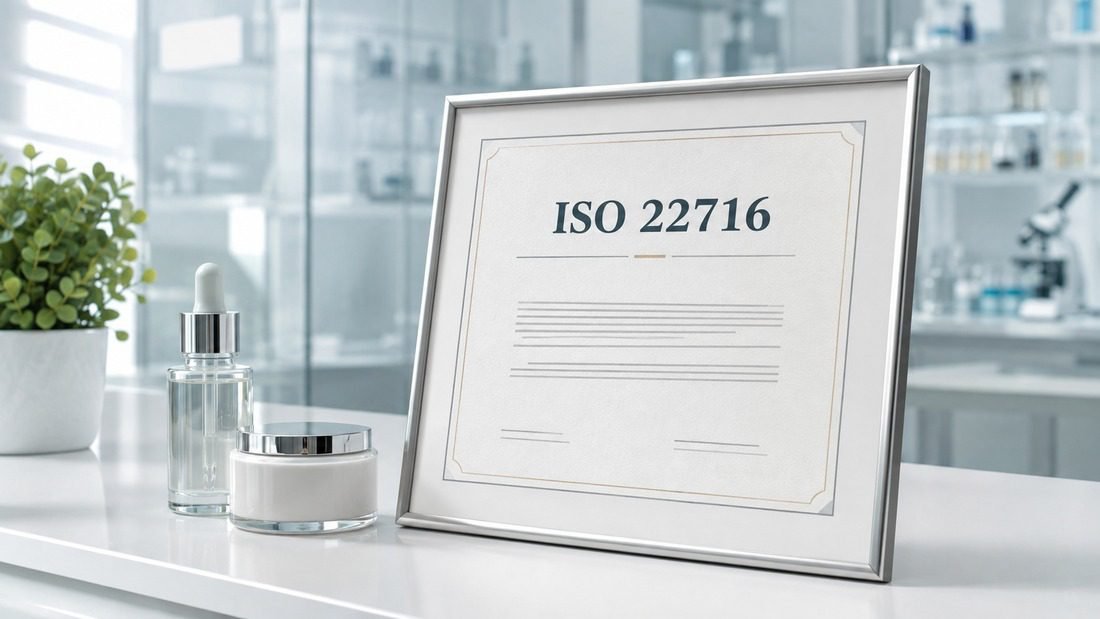
ISO 22716 is the global benchmark for cosmetic GMP. It ensures consistent quality and safety. Importers should source from ISO 22716 certified manufacturers to reduce risks. Many markets, including the EU, expect GMP compliance.
Halal Certification
For Muslim-majority markets, Halal certification is essential. It confirms products are free from prohibited ingredients and produced according to Islamic principles. Halal certified cleanser & toner opens doors to Southeast Asia, the Middle East, and beyond.
Other Regional Requirements
- UK: UK SCPN and responsible person.
- Australia: AICIS registration.
- UAE: ESMA registration and labeling.
Comparison Table: Key Certifications by Market
| Certification | Region | Purpose | Key Requirements |
|---|---|---|---|
| EU CPSR | EU | Safety assessment | Toxicologist report, CPNP notification |
| FDA MoCRA | US | Facility registration, product listing | FDA registration, adverse event reporting |
| ISO 22716 | Global | GMP certification | Audit, quality system |
| Halal | Global (Muslim markets) | Halal compliance | Ingredient screening, halal production |
Practical Steps for Importers to Ensure Compliance
- Select a certified manufacturer: Choose a GMP-certified partner like Flavor Sources, which holds ISO 22716 and other certifications. See our Certificates.
- Request documentation: Obtain CPSR, MoCRA registration, and Halal certificates. For custom formulations, ensure Custom Formula services include compliance support.
- Verify labeling: Check ingredient lists, warnings, and language requirements for each market.
- Conduct testing: Use Testing & Inspection to validate stability and safety.
- Stay updated: Monitor regulatory changes, such as EU allergen labeling updates.

Case Studies: Real-World Compliance Success
- UK: An importer of Cleanser & Toner faced delays due to missing CPSR. By partnering with a GMP-certified manufacturer and obtaining CPSR, they achieved UK SCPN notification and launched on time.
- UAE: A distributor required Halal certification for a toner line. With Halal certified Cleanser & Toner from Flavor Sources, they entered the UAE market successfully.
- US: A brand needed MoCRA compliance. Our facility registration and product listing ensured smooth customs clearance.
Frequently Asked Questions (FAQ)
Q1: What is the difference between CPSR and MoCRA?
A: CPSR is an EU safety assessment, while MoCRA is US legislation requiring facility registration and product listing.
Q2: Is ISO 22716 mandatory?
A: Not always mandatory, but it is a strong indicator of quality and is expected by many regulators and retailers.
Q3: How long does Halal certification take?
A: Typically 4-8 weeks, depending on the certifier and product complexity.
Q4: Can I use my own formula?
A: Yes, but you must ensure compliance with destination market regulations. Our Custom Formula team can assist.
Q5: What are the penalties for non-compliance?
A: Fines, product recalls, and market bans. In the EU, penalties vary by member state but can be severe.

 Scan to WhatsApp
About the Author
David Zhang has spent years in skincare formulation and quality control at Flavor Sources, a GMP ISO 22716-certified private label manufacturer based in Dongguan, China, serving brands in 50+ countries since 2000. Reach out to David's team for a custom formula consultation →
Ready to Simplify Your Cleanser & Toner Compliance?
Don’t let certification complexities delay your launch. Partner with Flavor Sources for end-to-end support. Request a sample or get a quote today to ensure your Cleanser & Toner meets all 2027 regulations.