Ultimate 2028 Guide: Facial Body Mask Compliance Certification for Distributors
Distributors of facial and body masks must ensure compliance with regional regulations and obtain certifications like EU CPSR, FDA MoCRA, ISO 22716, GMP, and halal. This guide provides a proven framework for navigating facial body mask compliance certification distributors need to succeed in 2028 and beyond.
Table of Contents

Understanding Facial & Body Mask Compliance for Distributors
As a distributor, you play a critical role in the supply chain. You are not just moving products; you are responsible for ensuring that the facial and body masks you distribute meet all legal and safety standards in your target markets. Non-compliance can lead to recalls, fines, and reputational damage. This section defines the scope of compliance and why it matters.
Compliance encompasses product safety, labeling, manufacturing practices, and documentation. Certifications validate that a manufacturer meets specific standards. For distributors, understanding these requirements is essential to avoid disruptions and build trust with retailers and consumers.
Key Regulations and Certifications for Facial & Body Masks
EU Cosmetics Regulation and CPSR
In the European Union, facial and body masks are governed by Regulation (EC) No 1223/2009. A Cosmetic Product Safety Report (CPSR) is mandatory for each product. The CPSR must be prepared by a qualified safety assessor and includes a safety assessment and a product information file. Distributors must verify that the manufacturer has a valid CPSR before placing products on the EU market.
FDA MoCRA for the US Market
The Modernization of Cosmetics Regulation Act (MoCRA) enhances FDA oversight. Facilities must register, products must be listed, and adverse events must be reported. Distributors should ensure that the manufacturer complies with MoCRA and provides necessary documentation.
ISO 22716 and GMP
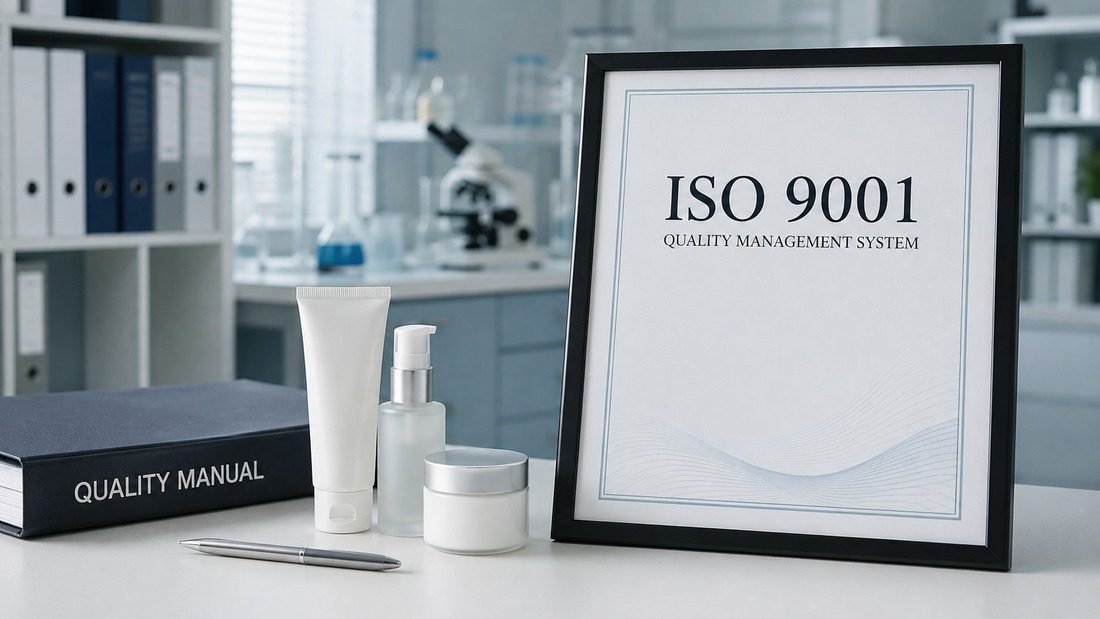
ISO 22716 provides guidelines for Good Manufacturing Practices (GMP) for cosmetics. A GMP certified manufacturer ensures consistent quality and safety. Distributors should prioritize suppliers with ISO 22716 certification.
Halal Certification
For markets with Muslim populations, halal certification is crucial. It confirms that the product and its ingredients are permissible according to Islamic law. Distributors targeting these markets should source halal certified facial and body masks.
Comparison of Key Certifications
| Certification | Region | Purpose | Key Requirements |
|---|---|---|---|
| EU CPSR | European Union | Safety assessment | Product information file, safety report by qualified assessor |
| FDA MoCRA | United States | Facility registration, product listing, adverse event reporting | Registration, listing, labeling |
| ISO 22716 | International | GMP guidelines | Quality management, production controls |
| Halal | Global (Muslim markets) | Permissibility | No prohibited ingredients, halal-certified supply chain |
Practical Steps for Distributors to Ensure Compliance
- Verify Supplier Certifications: Request copies of CPSR, ISO 22716, GMP, and halal certificates from your manufacturer. Ensure they are current and cover the specific products.
- Review Labeling and Claims: Check that product labels comply with local regulations, including ingredient lists, warnings, and claims. Avoid medical claims; use phrases like “helps improve the appearance of.”
- Conduct Due Diligence: Audit manufacturing facilities or request third-party audit reports. A GMP certified manufacturer with a robust quality control system reduces risks.
- Maintain Documentation: Keep records of certifications, safety assessments, and correspondence. This is essential for regulatory inspections and recalls.
- Stay Updated: Regulations evolve. Subscribe to updates from regulatory bodies and industry associations.
Case Studies: Real-World Compliance Success
UK Distributor Achieves Smooth EU Entry
A UK-based distributor of facial and body masks wanted to expand into the EU. They partnered with a GMP certified manufacturer that provided EU CPSR for each product. By ensuring all documentation was in order, they avoided customs delays and quickly gained shelf space in major retailers.
UAE Distributor Leverages Halal Certification
A distributor in the UAE focused on halal-certified facial and body masks. By sourcing from a manufacturer with halal certification, they built trust with local consumers and expanded their market share. The certification also opened doors to neighboring Gulf markets.
US Distributor Navigates MoCRA
A US distributor of facial masks faced challenges with MoCRA compliance. They switched to a manufacturer that was already MoCRA-compliant, with facility registration and product listings in place. This proactive step ensured uninterrupted supply and avoided potential FDA penalties.
Australian Distributor Emphasizes Quality
An Australian distributor prioritized ISO 22716 certification when selecting a supplier. The certification assured them of consistent product quality, leading to high customer satisfaction and repeat orders. They also used the certification as a marketing tool to differentiate their brand.

Frequently Asked Questions (FAQ)
1. What is the difference between EU CPSR and FDA MoCRA?
EU CPSR is a safety assessment required for cosmetics in the EU, while FDA MoCRA is a US regulation focusing on facility registration, product listing, and adverse event reporting. Both aim to ensure product safety but have different scopes and processes.
2. How can distributors verify if a manufacturer is GMP certified?
Request a copy of the ISO 22716 certificate or other GMP certification. Verify the certificate's validity and scope with the issuing body. You can also conduct a factory audit or request third-party inspection reports.
3. Is halal certification mandatory for all markets?
No, halal certification is not mandatory globally, but it is essential for markets with Muslim consumers, such as the Middle East and Southeast Asia. It demonstrates compliance with Islamic dietary laws and can be a competitive advantage.
4. What are the consequences of non-compliance for distributors?
Non-compliance can lead to product recalls, fines, legal action, and damage to brand reputation. In severe cases, distributors may be banned from selling in certain markets. Therefore, due diligence is crucial.
5. How often do certifications need to be renewed?
Certifications like ISO 22716 and halal typically require annual audits for renewal. EU CPSR must be updated if the formulation or packaging changes. FDA MoCRA requires annual facility registration renewal. Distributors should monitor expiration dates and ensure manufacturers maintain valid certifications.
Author Trust Module

 Scan to WhatsApp
About the Author
David Zhang has spent years in skincare formulation and quality control at Flavor Sources, a GMP ISO 22716-certified private label manufacturer based in Dongguan, China, serving brands in 50+ countries since 2000. Reach out to David's team for a custom formula consultation →
Conclusion & Next Steps
Ensuring facial body mask compliance certification distributors is an ongoing process. By partnering with a reliable manufacturer like Flavor Sources, you can navigate regulations confidently. We offer a range of Facial & Body Mask products with full compliance support. Visit our Certificates page to view our certifications, or request a sample to experience our quality firsthand. For tailored solutions, get a quote today. Let us help you bring safe, compliant facial and body masks to your market.
For more information on our OEM/ODM services, explore Private Label Skincare and Custom Formula. Distributors can also benefit from our Export Support and Testing & Inspection services. Learn more about our Quality Control processes and Production Process. For distributors specifically, visit our For Distributors page. Stay informed with industry regulations from Cosmetics Europe and FDA.
Facial body mask compliance certification distributors must stay vigilant. With the right partner, you can turn compliance into a competitive edge.