Body Care vs Body Oil: The Complete 2026 Compliance & Certification Comparison for Your Product Line
Choosing between a lotion and an oil for your 2026 body line? The short answer: body care vs body oil compliance certification is not a single checklist. Lotions, creams, butters, and oils share core rules like ISO 22716 GMP and a Cosmetic Product Safety Report (CPSR), but they diverge on preservative testing, stability protocols, labeling claims, and export documentation. Your format decision directly shapes your compliance budget, timeline, and risk profile.
Table of Contents
- What Does “Body Care vs Body Oil Compliance Certification” Actually Mean?
- Body Care vs Body Oil: A Compliance & Certification Comparison
- Practical Advice for Building a 2026 Body Line
- Case Evidence: How Format Choices Play Out in Real Markets
- Frequently Asked Questions
- Is body oil easier to certify than body lotion?
- Do I need a separate CPSR for each body care SKU?
- Does MoCRA apply to body oil as well as lotion?
- Which certificates should I request from an OEM body care manufacturer?
- Can one factory produce both body care and body oil under the same certification?
- How long does compliance take for a new body line?
- Why Work With a Compliance-Aware OEM/ODM Partner

What Does “Body Care vs Body Oil Compliance Certification” Actually Mean?
Most founders treat compliance as a final step. In reality, it is a design constraint that starts with your format choice. A water-based body lotion and an anhydrous body oil are regulated as cosmetics in the EU and US, yet they trigger different testing pathways.
The confusion usually comes from three places. First, suppliers quote “certification” loosely, mixing GMP audits with product safety reports. Second, water-containing formulas need preservative efficacy and microbial testing that oils often skip. Third, retailers in the UK, UAE, and Australia ask for different documents at onboarding.
Defining your format early lets you map the exact certificates, tests, and labels you will need before you pay for tooling or packaging.
Body Care vs Body Oil: A Compliance & Certification Comparison
Below is a practical comparison for private label body care comparison and body care format comparison decisions. It reflects typical requirements for cosmetic body products sold in the EU, US, UK, and Gulf markets. Always confirm current rules with your regulatory partner.
| Compliance Area | Water-Based Body Care (Lotion, Cream, Wash) | Anhydrous Body Oil / Butter |
|---|---|---|
| Primary regulation | EU Cosmetic Regulation 1223/2009; US FD&C Act & MoCRA | Same framework, but fewer water-related clauses |
| Safety report | EU CPSR required; US safety substantiation under MoCRA | EU CPSR required; US safety substantiation under MoCRA |
| GMP standard | ISO 22716 expected by most buyers | ISO 22716 expected by most buyers |
| Preservative efficacy | Challenge test (ISO 11930) usually required | Often not required if truly anhydrous |
| Microbial limits | Strict; water activity supports growth | Lower risk; still tested for contamination |
| Stability testing | 12-week accelerated plus real-time | 12-week accelerated plus real-time |
| Labeling focus | PAO symbol, full INCI, allergen disclosure | PAO often longer; INCI and allergen disclosure |
| Typical export docs | CPSR, GMP cert, CoA, MSDS, Free Sale | CPSR, GMP cert, CoA, MSDS, Free Sale |
Key Terms You Should Know
CPSR (Cosmetic Product Safety Report): An EU-required safety assessment signed by a qualified safety assessor before a product is placed on the market.
ISO 22716: The internationally recognized Good Manufacturing Practices guideline for cosmetics. It is not a product certification, but a factory-level system audit.
MoCRA: The US Modernization of Cosmetics Regulation Act, which introduced facility registration and product listing obligations for many cosmetic products.
Challenge Test (ISO 11930): A preservative efficacy test that simulates microbial contamination in water-containing formulas.
PAO (Period After Opening): The open-jar symbol showing how long a product remains stable after the consumer opens it.
Practical Advice for Building a 2026 Body Line
1. Match Format to Your Target Market First
If you plan to launch in the EU, a water-based lotion adds challenge testing and preservative documentation. An anhydrous body oil can reduce that burden, but it may limit claims around lightweight hydration. Decide your market before your format.
2. Budget Compliance as a Line Item, Not an Afterthought
CPSR, stability, and microbial testing can add weeks and meaningful cost per SKU. For a five-SKU body line, plan compliance as a fixed percentage of development budget rather than a surprise at the end.
3. Ask Suppliers for Documents, Not Promises
Request sample CPSR templates, ISO 22716 certificates, and CoA formats before committing. A reliable OEM/ODM partner will share these during sampling, not after deposit. You can review typical documentation expectations on our Certificates page.
4. Keep Labels Flexible Across Markets
Design artwork with zones for INCI, allergens, PAO, and batch codes. UAE and UK retailers often request Arabic or specific warning statements that US labels may not include.
5. Use Sampling to Validate Both Formula and Paperwork
Order physical samples and a documentation sample pack together. This confirms the formula feels right and the compliance file is export-ready. Start with our Sample Development service.
Case Evidence: How Format Choices Play Out in Real Markets
A UK-based brand developing a body range found that its water-based lotion required a full challenge test and a revised preservative system after initial microbial results. Switching two SKUs to anhydrous body oil reduced testing scope and shortened the timeline to shelf.
A UAE importer comparing private label body care comparison options chose a mixed line: body wash and lotion for volume, plus a body oil as a premium SKU. The oil SKU needed fewer preservative documents, which simplified registration paperwork.
An Australian e-commerce seller launching a body care format comparison test used the same ISO 22716 factory for both formats. This kept GMP documentation consistent while allowing separate stability protocols per format.
A US startup under MoCRA requirements prioritized facility registration and product listing early. By choosing a partner already familiar with MoCRA, it avoided reformulation delays when moving from sample to bulk.
These examples show that compliance differences between body care and body oil are manageable when planned at the formula stage. You can explore similar scenarios in our Case Studies.
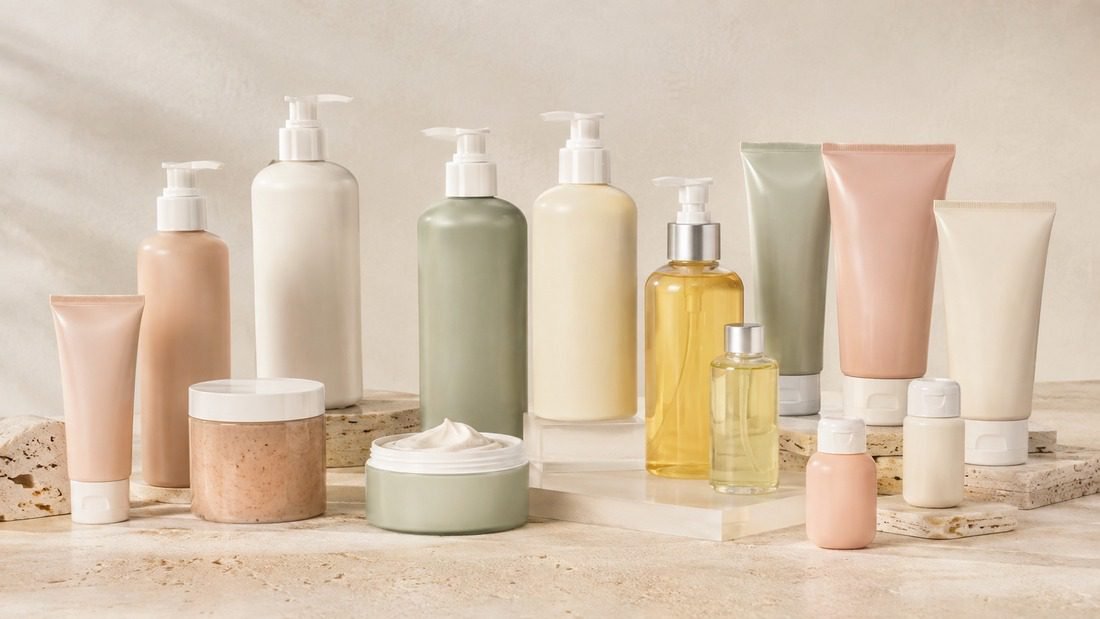
For brands building broader ranges, it also helps to compare adjacent categories. Our Body Care range covers lotions, washes, and oils, while Cream & Lotion and Cleanser & Toner show how water-based formats are handled across categories.
Frequently Asked Questions
Is body oil easier to certify than body lotion?
Often yes, because truly anhydrous oils usually skip preservative efficacy testing. However, both formats still need a CPSR in the EU, safety substantiation in the US, and ISO 22716 GMP at the factory level.
Do I need a separate CPSR for each body care SKU?
Yes, in the EU each cosmetic product generally requires its own CPSR. Similar formulas may share testing data, but the safety report is product-specific.
Does MoCRA apply to body oil as well as lotion?
MoCRA covers cosmetic products broadly, including body oils and lotions. Facility registration and product listing obligations can apply depending on your role and market.
Which certificates should I request from an OEM body care manufacturer?
Ask for ISO 22716, GMP certificates, CoA samples, MSDS, and CPSR templates. For export, request Free Sale Certificates where applicable. See our Quality Control page for context.
Can one factory produce both body care and body oil under the same certification?
Yes. A factory with ISO 22716 can produce both formats. The product-level testing differs, but the facility certification can cover both lines.
How long does compliance take for a new body line?
Typical timelines range from 4 to 12 weeks depending on format, market, and testing scope. Anhydrous oils often move faster due to fewer microbial requirements.
Why Work With a Compliance-Aware OEM/ODM Partner
Your format decision is also a partner decision. A manufacturer that understands body care vs body oil compliance certification can flag testing needs during sampling, not after production. That saves money and protects your launch date.

 Scan to WhatsApp
About the Author
David Zhang has spent years in skincare formulation and quality control at Flavor Sources, a GMP ISO 22716-certified private label manufacturer based in Dongguan, China, serving brands in 50+ countries since 2000. Reach out to David's team for a custom formula consultation →
Ready to compare formats for your 2026 line? Request a sample or get a quote and our team will map the compliance path for your chosen body care format.