Hair Care vs Scalp Serum Quality Control: The Complete 2027 Comparison for Smart Brands
When comparing hair care vs scalp serum quality control, the answer is clear: hair care formulas demand broader microbiological and thermal stability testing due to higher water activity, while scalp serums require stricter viscosity and preservative-efficacy checks. Your choice should follow your brand's risk tolerance, target market regulations, and supply chain capacity.
Table of Contents
- Defining the Quality Control Gap Between Hair Care and Scalp Serum
- Core Quality Control Differences: A Side-by-Side Breakdown
- Why Scalp Serum Quality Control Is Often Underestimated
- Practical Quality Control Checklist for Brand Owners
- Case Evidence: How Format Choice Affects Market Entry
- FAQ: Hair Care vs Scalp Serum Quality Control
- Next Steps: Get Your Format and Quality Control Right
Defining the Quality Control Gap Between Hair Care and Scalp Serum
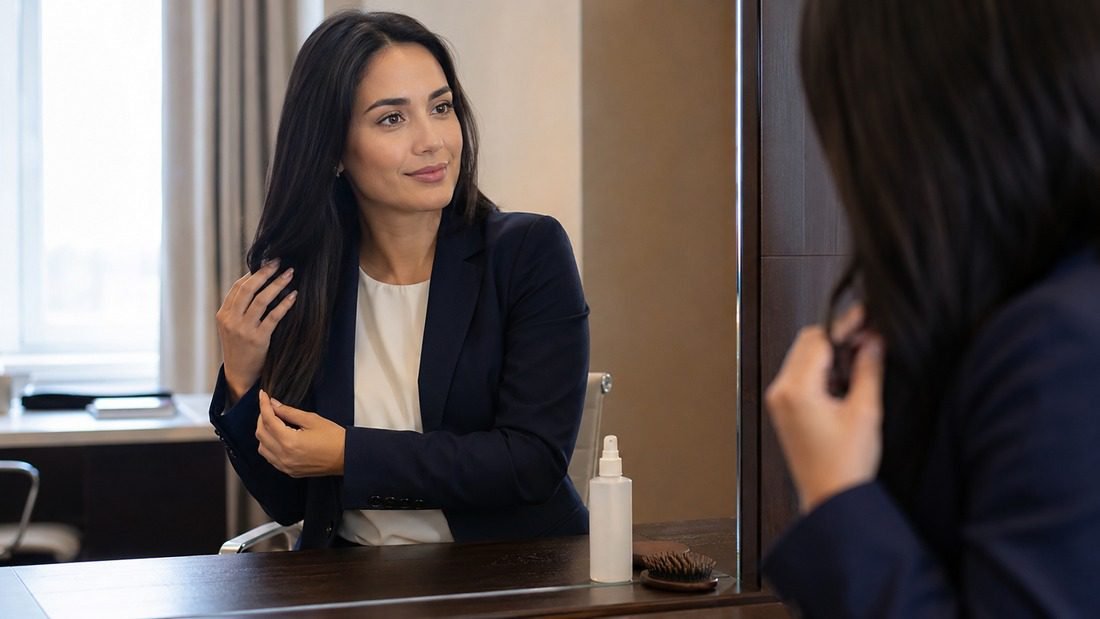
Brands often treat hair care and scalp serum as interchangeable categories. They are not. A shampoo or conditioner is a high-volume, water-based emulsion. A scalp serum is typically a low-viscosity, often anhydrous or low-water formula. These structural differences change everything about quality control.
Water activity drives microbial risk. High-water hair care products need robust preservative systems and challenge testing. Scalp serums with little or no water may need less preservative but face viscosity drift and phase separation. Understanding this gap is the first step toward a reliable private label hair care comparison.
Core Quality Control Differences: A Side-by-Side Breakdown
The table below summarizes the main quality control checkpoints for each format. Use it as a screening tool when briefing your manufacturer.
| Quality Control Checkpoint | Hair Care (Shampoo, Conditioner, Mask) | Scalp Serum |
|---|---|---|
| Water activity | High; supports microbial growth | Low to moderate; lower risk |
| Preservative efficacy test | Mandatory challenge test | Often reduced or targeted |
| Viscosity control | Moderate; batch-to-batch tolerance | Critical; small shifts visible to users |
| Thermal stability | 3 months at 40°C / 45°C | 3 months at 40°C; freeze-thaw cycles |
| pH range | 4.5–6.5 typical | 4.0–6.0, often tighter |
| Packaging compatibility | Broad; pump, bottle, jar | Narrow; dropper, airless pump |
| Microbial limits (ISO 17516) | Strict | Strict but lower water risk |
| Fill weight accuracy | ±2–3% | ±1–2% |
This hair care format comparison shows that scalp serums are not simply “lighter” hair care. They are a different quality control discipline.

Why Scalp Serum Quality Control Is Often Underestimated
Scalp serums are trendy. They photograph well and promise targeted treatment. But their low viscosity makes them unforgiving. A 5% viscosity shift in a shampoo is invisible. The same shift in a serum changes how the dropper dispenses, how the product spreads, and how users perceive efficacy.
Preservative efficacy is another trap. Some brands assume “low water equals no preservative needed.” That is false. Even anhydrous serums can be contaminated during filling or by consumer use. A proper hair care vs scalp serum quality control plan includes preservative efficacy testing for both formats, scaled to risk.
Practical Quality Control Checklist for Brand Owners
Before you commit to a format, ask your manufacturer these questions. They apply to both hair care and scalp serum, but the answers differ.
- What is the water activity of the formula, and how does it drive preservative strategy?
- How many thermal stability cycles are run, and at what temperatures?
- Is viscosity tested at 25°C and 40°C, and what is the acceptable range?
- What is the fill weight tolerance, and how is it verified on the line?
- Are packaging components tested for compatibility and leachables?
- What microbiological limits are applied, and against which standard?
For brands sourcing from overseas, these questions should be answered in writing before sample approval. A robust Quality Control system will have documented answers ready.
Case Evidence: How Format Choice Affects Market Entry
A UK-based indie brand launched a scalp serum without freeze-thaw testing. Six months after launch, customers in northern Europe reported phase separation during winter shipping. The brand had to reformulate and recall one production run.
A UAE brand chose a cream-based hair mask instead. Its higher viscosity tolerated temperature swings from 15°C to 45°C. The brand scaled to 50,000 units with no stability complaints.
An Australia-based e-commerce seller compared both formats. It launched a scalp serum for summer and a hair care line for winter, using the same manufacturer. By aligning format with climate and shipping routes, it reduced returns by 18% year over year.
These cases do not name clients. They illustrate a pattern: format choice is a quality control decision, not just a marketing one.
FAQ: Hair Care vs Scalp Serum Quality Control
Q1: Which format requires more quality control testing?
Hair care generally requires more microbiological testing due to higher water content. Scalp serums require more viscosity and packaging compatibility testing.
Q2: Can I use the same preservative system for both?
No. Preservative efficacy must be validated for each formula. A system that passes in a shampoo may fail in a low-water serum.
Q3: What is the biggest stability risk for scalp serums?
Viscosity drift and phase separation, especially under freeze-thaw or high-heat shipping conditions.
Q4: How do I choose a manufacturer for both formats?
Look for a partner with documented testing protocols for both. Ask for stability data from similar formulas, not just marketing claims.
Q5: Does packaging affect quality control?
Yes. Dropper bottles and airless pumps interact differently with low-viscosity formulas. Compatibility testing is essential.
Q6: What regulations apply to each format?
Both fall under cosmetic regulations such as EU CPSR and FDA MoCRA. Testing requirements differ by water activity and claim profile.

 Scan to WhatsApp
About the Author
David Zhang has spent years in skincare formulation and quality control at Flavor Sources, a GMP ISO 22716-certified private label manufacturer based in Dongguan, China, serving brands in 50+ countries since 2000. Reach out to David's team for a custom formula consultation →
Next Steps: Get Your Format and Quality Control Right
Choosing between hair care and scalp serum is not about trends. It is about matching formula risk to your supply chain, target climate, and regulatory market. A quality-first approach reduces recalls, returns, and reformulation costs.
If you are ready to compare formats with real testing data, request a sample or get a quote from a manufacturer that treats quality control as a launch strategy, not an afterthought. You can also explore Hair Care and Serum capabilities to see how each format is developed, tested, and scaled for global markets. For brands comparing private label options, a private label skincare partner with cross-category experience can help you avoid the most common stability pitfalls. Finally, review Testing & Inspection protocols before you sign any production agreement.