Serum Quality Control for E-commerce Sellers: The Complete 2026 Guide to Reliable Sourcing
What Serum Quality Control Really Means for E-commerce Sellers in 2026
For e-commerce sellers, serum quality control ecommerce sellers can trust means verifying every batch against stability, microbial, and packaging standards before it reaches customers. It is a documented system—not a final glance. In 2026, marketplaces demand proof, and a single compromised batch can ruin reviews. This guide breaks down the essential protocols, from batch testing to pre-shipment inspection, so you can source with confidence.
Table of Contents
- What Serum Quality Control Really Means for E-commerce Sellers in 2026
- Why Serum Quality Control Is Non-Negotiable for Online Sellers
- The Core Pillars of Serum Quality Control
- Practical Steps to Implement Serum Quality Control
- Case Evidence: How Quality Control Protects Brands
- Frequently Asked Questions
- Ready to Secure Your Serum Supply?
Why Serum Quality Control Is Non-Negotiable for Online Sellers
Serums are concentrated, water-based formulas prone to microbial growth and oxidation. Unlike creams, they often lack preservative buffers, making quality control critical. E-commerce sellers face unique risks: products sit in warehouses, endure temperature swings, and are judged by unboxing reviews. A failed batch leads to returns, chargebacks, and platform penalties. According to Grand View Research, the global skincare market is projected to reach USD 189.3 billion by 2025, with serums among the fastest-growing segments. In this competitive landscape, serum quality control ecommerce sellers implement becomes a differentiator—not just a cost center. It protects brand equity and ensures repeat purchases.
The Core Pillars of Serum Quality Control
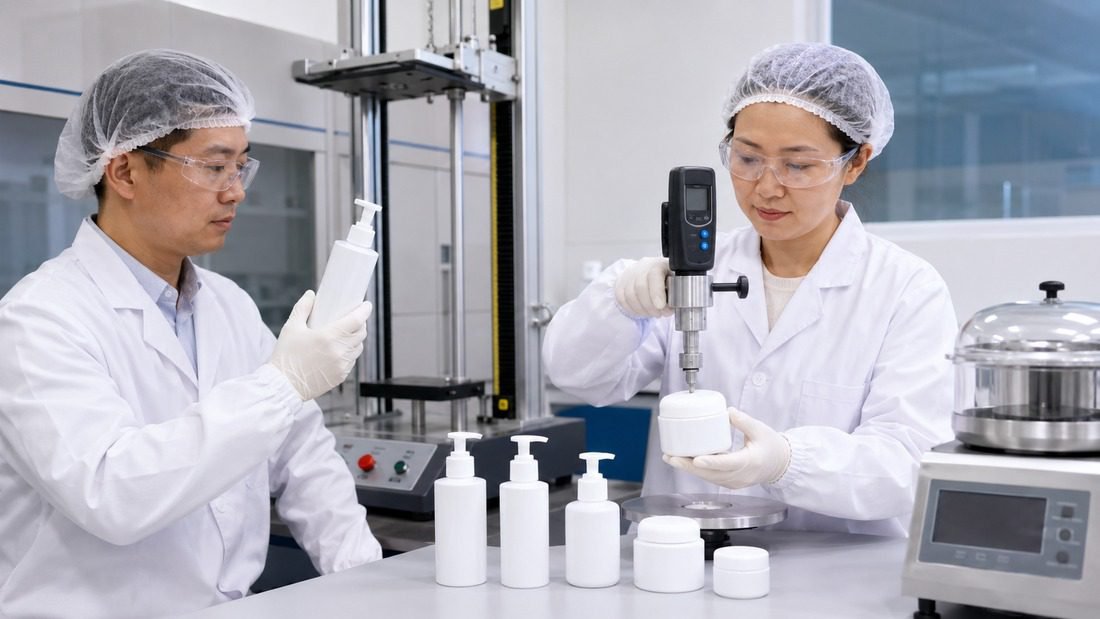
A robust quality control program rests on four pillars: batch testing, stability testing, certificate of analysis (COA) verification, and pre-shipment inspection. Each addresses a distinct risk. Batch testing confirms the formula meets specifications. Stability testing ensures the product remains effective over time. COA verification validates supplier claims. Pre-shipment inspection catches packaging and labeling errors. Together, they form a closed-loop system that prevents defective products from reaching customers. For e-commerce sellers, these pillars must be integrated into the manufacturing agreement from the start.
Batch Testing and COA: Your First Line of Defense
Batch testing involves physical, chemical, and microbiological analyses. Key parameters include pH, viscosity, active ingredient concentration, and microbial limits. A COA documents these results for each batch. Sellers should demand a COA with every shipment and verify that testing was performed by an accredited third-party lab. Without a COA, you cannot prove compliance with regulations like the EU Cosmetics Regulation or FDA MoCRA. For serum quality control ecommerce sellers cannot skip, batch testing and COA verification are the foundation.
Stability Testing: Ensuring Shelf-Life and Efficacy
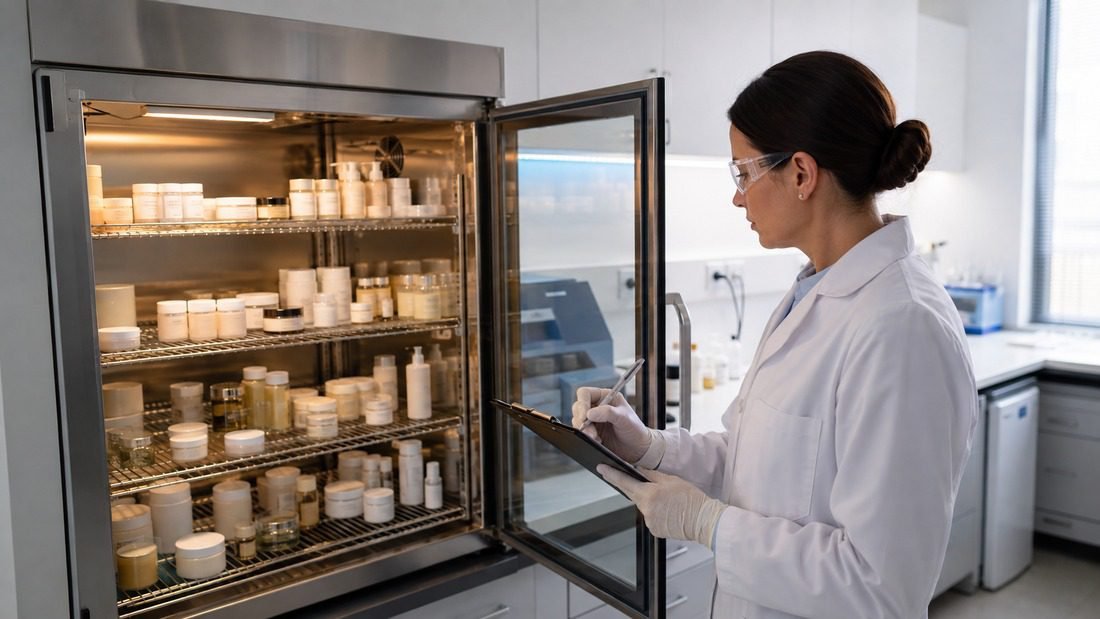
Stability testing simulates real-world conditions—elevated temperatures, humidity, and light exposure—to predict shelf-life. Accelerated stability testing (e.g., 3 months at 40°C/75% RH) can reveal potential issues like phase separation or pH drift. For e-commerce sellers, stability testing is crucial because products may be stored in non-climate-controlled warehouses. A serum that separates after two months will generate negative reviews. Insist on stability data covering at least 12 months at room temperature, plus accelerated results. This is a key aspect of serum stability testing skincare brands should require.
Pre-Shipment Inspection: The Last Checkpoint
Even the best formula can be compromised by packaging defects. Pre-shipment inspection (PSI) verifies that the correct product, label, and packaging are used, and that fill weights are accurate. A PSI checklist should include: label placement, cap tightness, carton integrity, and batch code legibility. For e-commerce sellers, PSI reduces the risk of receiving unsellable inventory. It also ensures that the product matches the approved sample. Conduct PSI on every batch, not just the first.
Comparison Table: Quality Control Stages and Their Purposes
| Stage | What It Checks | Frequency | Who Performs |
|---|---|---|---|
| Batch Testing | pH, viscosity, actives, microbial | Every batch | Third-party lab |
| Stability Testing | Shelf-life, phase separation, pH drift | Per formula | Third-party lab |
| COA Verification | Documentation accuracy | Every batch | Seller/QA team |
| Pre-Shipment Inspection | Packaging, labeling, fill weight | Every batch | Third-party inspector |
Key Terms Defined
- COA (Certificate of Analysis): A document listing test results for a specific batch.
- Stability Testing: A method to predict product shelf-life by simulating storage conditions.
- PSI (Pre-Shipment Inspection): A final check before goods leave the factory.
- Microbial Limits: The maximum allowable levels of bacteria and fungi.
Practical Steps to Implement Serum Quality Control
Start by selecting a manufacturer with a documented quality management system, such as ISO 22716. Request a quality agreement that specifies testing protocols and acceptance criteria. Next, establish a COA review process: compare results against specifications and reject batches that deviate. Schedule stability testing for each new formula and maintain a retain sample library. For pre-shipment inspection, hire a third-party inspector or use the manufacturer's in-house team—but ensure independence. Finally, audit the factory annually. For serum quality control ecommerce sellers can manage, these steps are actionable and scalable.
Case Evidence: How Quality Control Protects Brands
In the UK, an e-commerce seller launched a vitamin C serum without stability testing. After three months, customers reported discoloration and reduced efficacy. The brand faced a wave of returns and negative reviews. After implementing a stability testing protocol, they avoided a repeat. In the UAE, a seller received a batch with incorrect labeling due to a missing PSI. The products were held at customs, causing delays. By adding a pre-shipment inspection step, they ensured compliance with local labeling laws. In Australia, a brand used COA verification to reject a batch with microbial contamination, preventing a potential recall. These examples show that serum quality control ecommerce sellers adopt directly impacts brand reputation and bottom line.
Frequently Asked Questions
1. How often should I test serum batches?
Every batch should undergo batch testing and COA verification. Stability testing is required per formula, not per batch, but should be repeated if the formula changes.
2. What is the difference between batch testing and stability testing?
Batch testing confirms the current batch meets specifications, while stability testing predicts how the product will age over time.
3. Can I rely on the manufacturer's COA?
It is best to verify the COA with a third-party lab, especially for the first few batches. This ensures independence and accuracy.
4. What should a pre-shipment inspection include for serums?
PSI should cover fill weight, label accuracy, cap tightness, batch code legibility, and carton condition. It should also verify that the product matches the approved sample.
5. How do I choose a manufacturer with strong quality control?
Look for certifications like ISO 22716, request a quality manual, and ask for sample COAs and stability reports. Conduct a factory audit if possible.

 Scan to WhatsApp
About the Author
David Zhang has spent years in skincare formulation and quality control at Flavor Sources, a GMP ISO 22716-certified private label manufacturer based in Dongguan, China, serving brands in 50+ countries since 2000. Reach out to David's team for a custom formula consultation →
Ready to Secure Your Serum Supply?
Don't leave quality to chance. Partner with a manufacturer that prioritizes serum quality control ecommerce sellers can trust. Request a sample of our premium serums or get a quote for your next production run. Our team provides full documentation, including COAs and stability reports, to ensure your products meet the highest standards. Visit our Serum page to explore our formulations, and learn more about our quality control processes. For e-commerce sellers, we offer tailored support—see our For E-commerce Sellers solutions. Let's build a reliable supply chain together.