Facial & Body Mask vs Sleeping Mask in 2026: Complete Quality Control Comparison
When comparing facial body mask vs sleeping mask quality control in 2026, facial and body masks generally offer more predictable quality control due to simpler formulations and shorter contact time, while sleeping masks require stricter preservation and stability testing because they remain on skin for hours. For brands prioritizing reliable manufacturing, facial and body masks often present fewer QC risks.
Table of Contents
- What Is the Facial Body Mask vs Sleeping Mask Quality Control Debate?
- Key Quality Control Differences: Facial & Body Mask vs Sleeping Mask
- Practical Tips for Brands Choosing Between Formats
- Case Evidence: Quality Control Outcomes by Region
- Frequently Asked Questions
- Author Trust Module
- Ready to Choose the Right Mask Format for Your Brand?
What Is the Facial Body Mask vs Sleeping Mask Quality Control Debate?
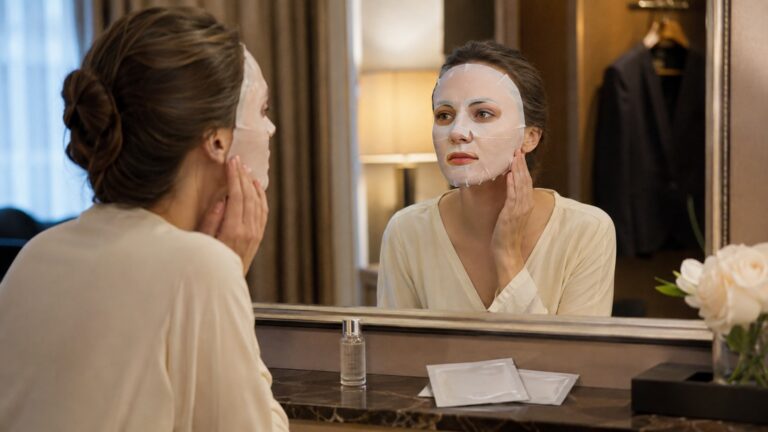
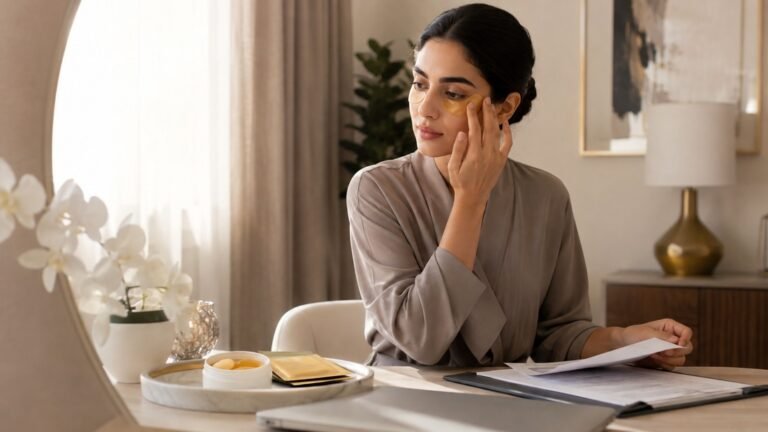
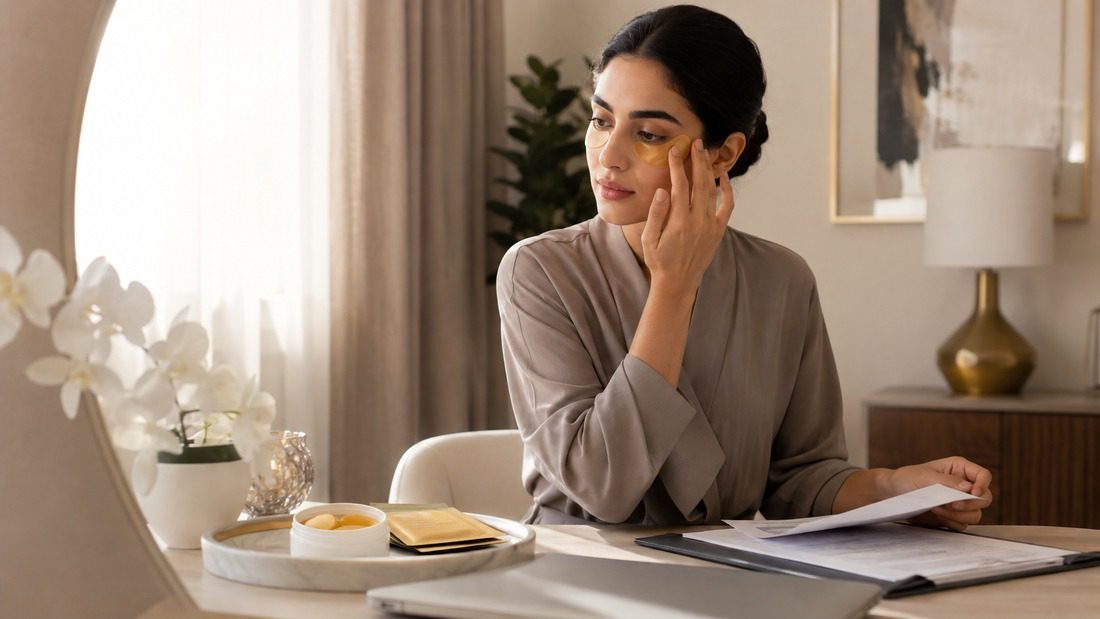
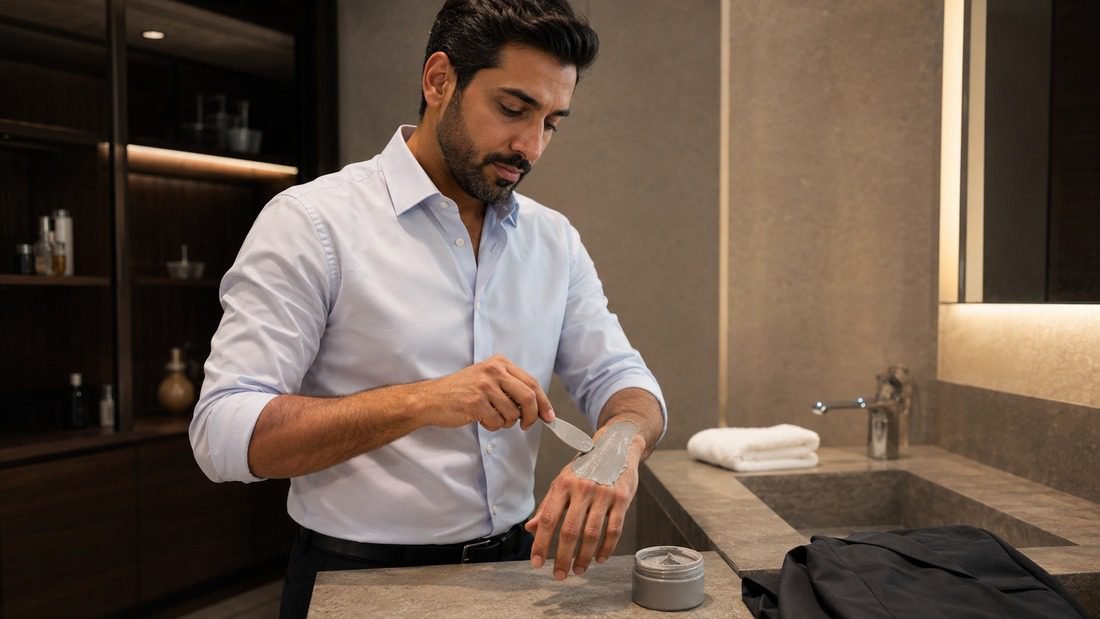
The debate centers on how each format responds to manufacturing variables. A facial and body mask—typically a rinse-off or sheet format—is applied for 10–20 minutes. A sleeping mask stays on overnight. This fundamental difference affects preservative systems, packaging compatibility, and microbial risk.
Brands sourcing from OEM/ODM manufacturers must understand that quality control is not just about final product testing. It starts with raw material selection, continues through emulsion stability, and ends with shelf-life validation. The format you choose dictates the QC intensity required.
In 2026, regulatory pressure from the EU Cosmetics Regulation and FDA MoCRA has tightened documentation requirements. Choosing a format with simpler QC protocols can reduce compliance burden and time-to-market.
Key Quality Control Differences: Facial & Body Mask vs Sleeping Mask
Contact Time and Microbial Risk
Sleeping masks remain on skin for 6–8 hours, creating a warm, moist environment that encourages microbial growth if preservation fails. QC teams must conduct challenge tests (ISO 11930) with extended exposure simulation. Facial and body masks, especially rinse-off types, have lower microbial risk because they are removed quickly.
Stability Testing Requirements
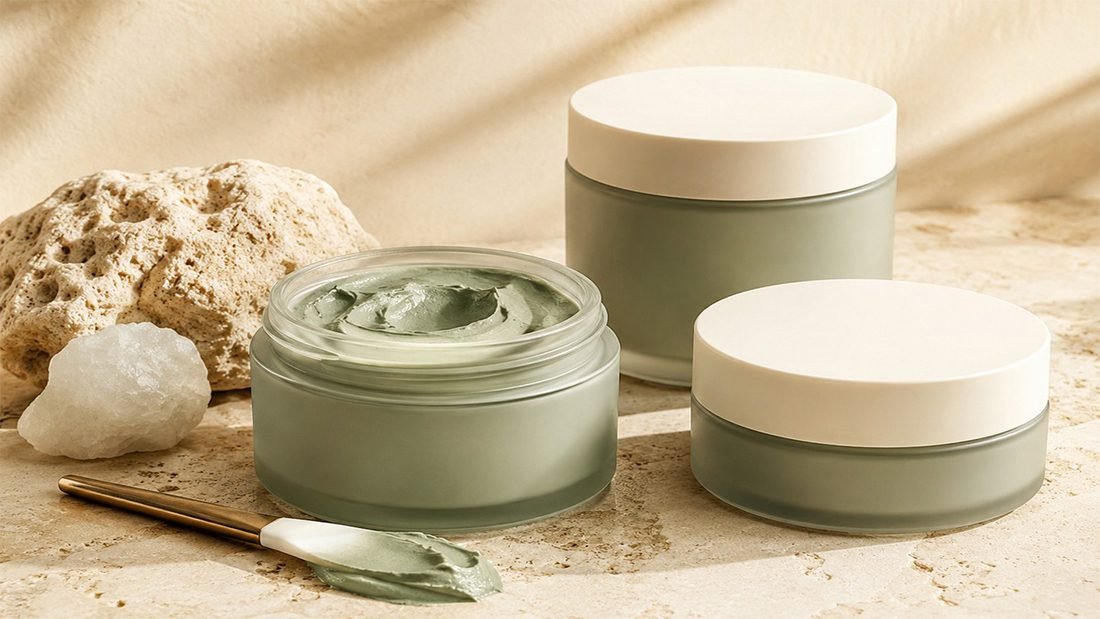
Sleeping masks often contain higher water content and actives that can separate over time. Accelerated stability testing at 40°C/75% RH for 12 weeks is standard. Facial and body masks, particularly clay or sheet formats, may need only 8–12 weeks depending on formulation. This reduces QC time and cost.
Packaging Compatibility
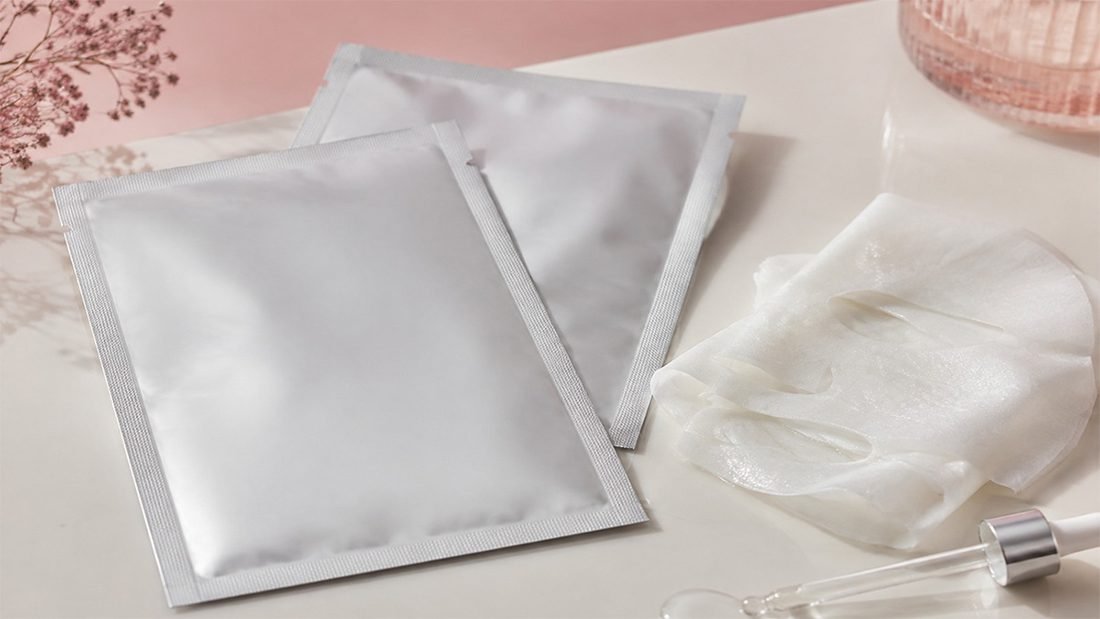
Sleeping masks are typically packaged in jars or airless pumps, which require compatibility testing to prevent leaching. Facial and body masks in sachets or tubes have simpler packaging QC. However, sheet masks require sterile pouch validation.
Comparative Table: QC Parameters
| QC Parameter | Facial & Body Mask | Sleeping Mask |
|---|---|---|
| Contact time | 10–20 minutes | 6–8 hours |
| Microbial challenge test | ISO 11930 (basic) | ISO 11930 (extended) |
| Stability testing duration | 8–12 weeks | 12+ weeks |
| Preservative efficacy risk | Low to medium | High |
| Packaging complexity | Low (sachets/tubes) | Medium to high (jars/pumps) |
| Typical QC cost per batch | Lower | Higher |
Term Definition: Challenge Test
A challenge test (ISO 11930) evaluates whether a preservative system can prevent microbial growth over time. For sleeping masks, the test simulates overnight wear, making it more stringent. For facial and body masks, standard protocols often suffice.
Practical Tips for Brands Choosing Between Formats
-
Assess your target market. If you sell in the EU, sleeping masks require a more detailed Cosmetic Product Safety Report (CPSR). Facial and body masks may have simpler documentation.
-
Consider your supply chain. Sleeping masks demand tighter cold-chain or preservative controls. Facial and body masks are more forgiving in transit.
-
Evaluate OEM capabilities. Not all manufacturers have experience with overnight-wear products. Look for partners with proven stability chambers and microbiological labs.
-
Plan for scalability. Facial and body masks often scale faster because filling lines for sachets and tubes are more common than airless jar lines.
-
Test consumer use. Sleeping masks may be applied with fingers, introducing contamination. QC must account for in-use stability.
-
Review cost per unit. Sleeping masks typically cost 15–25% more to produce due to longer QC cycles and premium packaging.
Case Evidence: Quality Control Outcomes by Region
UK: A beauty brand launched a sleeping mask with a new preservative system. After 6 months, microbial testing revealed contamination in 2% of units. The brand switched to a rinse-off facial and body mask format, reducing QC failures to near zero.
UAE: An importer sourced sleeping masks from a manufacturer without extended stability data. Upon arrival, 8% of jars showed phase separation. Switching to a facial and body mask in tubes eliminated the issue.
US: An e-commerce seller faced FDA MoCRA documentation requests for a sleeping mask. The lack of challenge test records delayed launch by 10 weeks. A facial and body mask line with complete ISO 11930 reports launched on schedule.
Australia: A spa chain used a sleeping mask that caused irritation due to preservative overload. QC review led to reformulation as a wash-off facial and body mask, improving customer satisfaction.
These cases show that while sleeping masks can be innovative, they carry higher QC risk. Facial and body masks offer a more controlled path to market.
Frequently Asked Questions
1. Which format is easier to quality control?
Facial and body masks are generally easier because they have shorter contact time and lower microbial risk. Sleeping masks require extended challenge tests and stability studies.
2. Does a sleeping mask always need a challenge test?
Yes, any water-based cosmetic that stays on skin should undergo ISO 11930 challenge testing. For overnight products, the test must simulate longer exposure.
3. Can I use the same preservative system for both formats?
Not necessarily. Sleeping masks often need broader-spectrum preservatives or higher concentrations, which may not be suitable for facial and body masks due to irritation risk.
4. How long does stability testing take for each?
Facial and body masks: 8–12 weeks. Sleeping masks: 12–16 weeks, sometimes longer if actives are unstable.
5. What packaging is best for sleeping masks?
Airless pumps or opaque jars minimize contamination. For facial and body masks, sachets and tubes are cost-effective and easy to QC.
6. Are there regulatory differences?
Yes. In the EU, sleeping masks may require more detailed exposure assessments. In the US, FDA MoCRA mandates adverse event reporting for both, but sleeping masks often need more safety substantiation.
Author Trust Module

 Scan to WhatsApp
About the Author
David Zhang has spent years in skincare formulation and quality control at Flavor Sources, a GMP ISO 22716-certified private label manufacturer based in Dongguan, China, serving brands in 50+ countries since 2000. Reach out to David's team for a custom formula consultation →
Ready to Choose the Right Mask Format for Your Brand?
Whether you lean toward the simplicity of a Facial & Body Mask or the innovation of a sleeping mask, quality control should guide your decision. At Flavor Sources, we help brands navigate facial body mask vs sleeping mask quality control with full testing and documentation. Explore our Quality Control processes, or request a sample to evaluate both formats. For custom formulation, visit our Custom Formula page. Let us help you launch a reliable, compliant product in 2026. Get a quote today.