The Ultimate 2026 Checklist for Body Care Quality Control: 7 Proven Steps for E-commerce Sellers
For e-commerce sellers, body care quality control ecommerce sellers must prioritize in 2026 to avoid costly recalls and reputational damage. This checklist covers seven critical steps: supplier qualification, COA verification, batch testing, stability testing, packaging inspection, pre-shipment inspection, and documentation review. Implement these measures to ensure product safety, regulatory compliance, and customer satisfaction.
Table of Contents
- Why Body Care Quality Control Matters for E-commerce Sellers
- The 7-Step Body Care Quality Control Checklist
- Key Terms in Body Care Quality Control
- Practical Tips for Implementing Quality Control
- Case Studies: Real-World Examples
- Frequently Asked Questions (FAQ)
- Ready to Ensure Your Body Care Quality?
Why Body Care Quality Control Matters for E-commerce Sellers
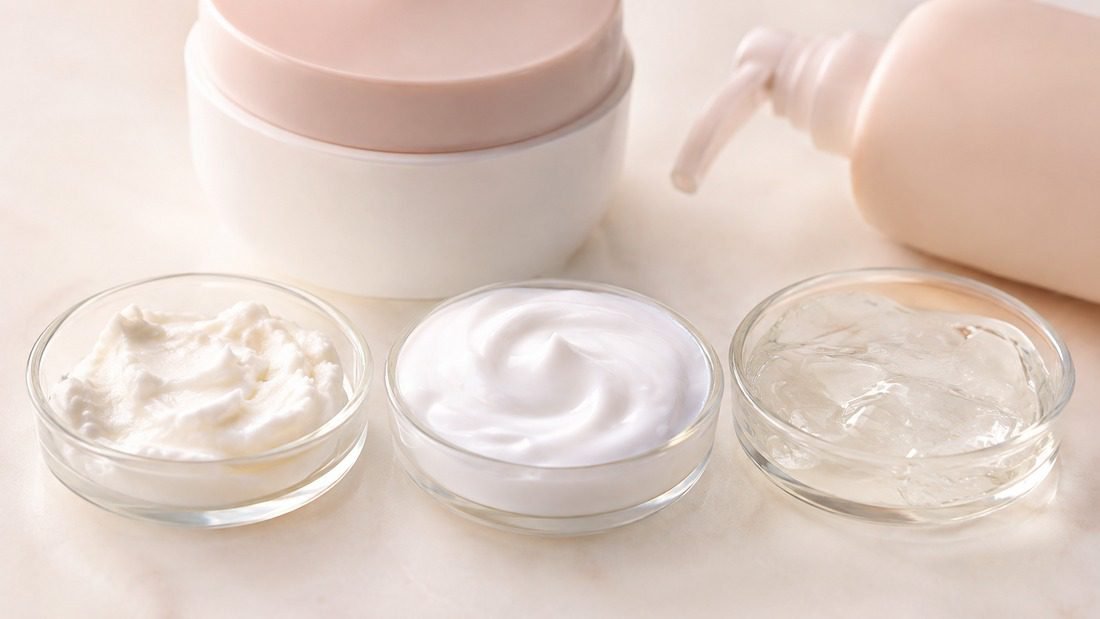
Selling body care products online comes with unique challenges. Unlike physical stores, customers cannot smell, touch, or test products before purchase. They rely entirely on your brand's reputation and the product's perceived quality. A single compromised batch can lead to negative reviews, returns, and even legal issues. In 2026, with increasing regulatory scrutiny and consumer awareness, body care quality control ecommerce sellers is not optional—it's a necessity. This section outlines the risks and sets the stage for a robust quality control system.
The Risks of Poor Quality Control
Poor quality control can result in microbial contamination, inconsistent texture, packaging failures, and inaccurate labeling. These issues can cause skin irritations, allergic reactions, and product recalls. For e-commerce sellers, the fallout is amplified: bad reviews spread quickly, and social media can magnify a single complaint. Moreover, authorities like the FDA and EU regulators are cracking down on non-compliant cosmetics. Therefore, investing in quality control protects your customers and your brand.
Regulatory Landscape in 2026
Regulations are tightening globally. The FDA's MoCRA (Modernization of Cosmetics Regulation Act) requires stricter safety substantiation and adverse event reporting. The EU Cosmetics Regulation (EC) No 1223/2009 mandates a Cosmetic Product Safety Report (CPSR) and responsible person. In Asia, countries like Japan and South Korea have rigorous standards. As an e-commerce seller, you must ensure your products meet the regulations of every market you sell into. This checklist will help you navigate these requirements.
The 7-Step Body Care Quality Control Checklist
Implementing a comprehensive quality control system can seem daunting, but breaking it down into seven actionable steps makes it manageable. Each step is designed to be practical and scalable for e-commerce sellers, whether you're a startup or an established brand. Use this checklist as your roadmap to ensure every batch meets your standards.
Step 1: Supplier Qualification and Audits
Before you place an order, qualify your supplier thoroughly. Request their business license, manufacturing license, and quality management certificates (e.g., ISO 22716, GMP). Conduct a factory audit—either in person or via a third-party inspection service. Check their production environment, equipment, and hygiene practices. A reliable supplier should be transparent and welcoming to audits. For a virtual tour, you can explore our Factory Tour to see how a compliant facility operates.
Step 2: Certificate of Analysis (COA) Verification
A COA is a document that confirms the quality of a specific batch. It should include tests for appearance, odor, pH, viscosity, microbial content, and heavy metals. Always request a COA for each batch and verify that the results meet your specifications. Cross-check the COA with third-party lab reports if possible. For body care products, ensure the COA covers key parameters like total aerobic microbial count and absence of pathogens. This is a critical component of body care quality control ecommerce sellers.
Step 3: Batch Testing and Sampling
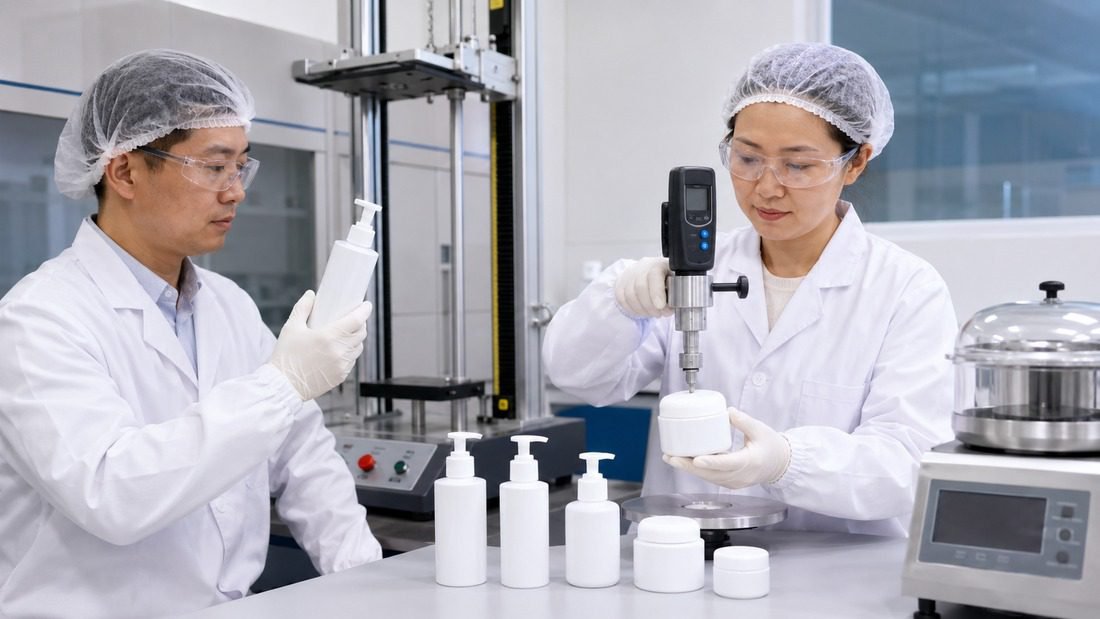
Batch testing goes beyond the COA. It involves testing samples from each production batch for consistency and safety. Implement a sampling plan: for every batch, randomly select units and test for pH, viscosity, and microbial contamination. Use accredited labs for microbiological testing. Additionally, conduct challenge tests to ensure preservative efficacy. This step helps catch issues before products reach your customers. For more on testing, see our Testing & Inspection services.
Step 4: Stability Testing for Shelf Life
Stability testing determines how your product holds up over time under various conditions. It's essential for setting an accurate shelf life and ensuring product integrity. Perform accelerated stability tests (e.g., 3 months at 40°C/75% RH) and real-time tests. Check for changes in color, odor, pH, and viscosity. Also, assess packaging compatibility. For skincare products, stability testing is non-negotiable. Learn more about our Quality Control approach.
Step 5: Packaging and Labeling Inspection
Packaging protects the product and conveys your brand. Inspect packaging materials for defects: leaks, cracks, or poor seals. Ensure labeling is accurate and compliant with local regulations. Check for mandatory information: ingredient list (INCI), net content, batch number, and expiration date. For e-commerce, also consider shipping robustness—test packaging under simulated transit conditions. A packaging failure can lead to leaks and customer complaints. For packaging design support, visit Packaging Design.
Step 6: Pre-Shipment Inspection (PSI)
Before your goods leave the factory, conduct a pre-shipment inspection. This is a final check to ensure the order meets your specifications. A typical PSI includes checking quantity, packaging condition, labeling, and random sampling for functional tests. You can hire a third-party inspection company or use your supplier's QC team. The goal is to catch any last-minute issues and prevent defective products from being shipped. This step is a cornerstone of body care quality control ecommerce sellers.
Step 7: Documentation and Traceability
Maintain comprehensive records for every batch: COA, batch testing reports, stability test results, and inspection reports. This documentation is essential for traceability and regulatory compliance. In case of a customer complaint or recall, you need to quickly identify the batch and take action. Use a digital system to store and organize these documents. Traceability from raw materials to finished product is a hallmark of a mature quality control system.

Key Terms in Body Care Quality Control
Understanding the terminology is crucial for effective communication with suppliers and labs. The table below defines some common terms.
| Term | Definition |
|---|---|
| COA (Certificate of Analysis) | A document that reports the results of tests performed on a specific batch of product. |
| Batch Testing | Testing samples from a production batch to ensure consistency and safety. |
| Stability Testing | Testing products under accelerated and real-time conditions to determine shelf life. |
| Pre-Shipment Inspection (PSI) | A final inspection of goods before shipment to ensure they meet specifications. |
| GMP (Good Manufacturing Practice) | A system for ensuring that products are consistently produced and controlled according to quality standards. |
| ISO 22716 | An international standard for cosmetics GMP. |
Practical Tips for Implementing Quality Control
Implementing a quality control system requires planning and commitment. Here are some practical tips to get started:
- Start with a risk assessment: Identify the most critical quality attributes for your products and focus your resources there.
- Build relationships with suppliers: Choose suppliers who share your commitment to quality and are transparent about their processes.
- Use technology: Leverage software for document management and traceability.
- Train your team: Ensure your staff understands the importance of quality control and their role in it.
- Stay updated: Keep abreast of regulatory changes and industry best practices.
Case Studies: Real-World Examples
UK-Based E-commerce Brand
A UK-based e-commerce seller of body lotions faced inconsistent product quality from a previous supplier. After implementing a checklist similar to this one, they switched to a supplier with ISO 22716 certification and required COA and batch testing for every order. Within six months, their return rate dropped by 30%, and customer reviews improved significantly.
UAE Distributor
A UAE distributor importing body care products from Asia encountered issues with packaging leaks during transit. They introduced pre-shipment inspections focusing on packaging integrity and stability testing for shipping conditions. As a result, they reduced damaged goods claims by 40% and strengthened their brand reputation.
US Startup
A US-based startup launching a new body scrub line used a contract manufacturer without proper stability testing. After three months, products showed phase separation. They then partnered with a manufacturer that provided comprehensive stability testing and documentation. The relaunch was successful, with no quality complaints.
These examples highlight the importance of rigorous quality control. For more insights, explore our Case Studies.
Frequently Asked Questions (FAQ)
What is a COA and why is it important?
A COA (Certificate of Analysis) is a document that reports the test results for a specific batch of product. It is important because it verifies that the product meets your specifications and regulatory requirements. Always request a COA for each batch and review it carefully.
How often should I conduct batch testing?
Batch testing should be done for every production batch. At minimum, test for pH, viscosity, and microbial contamination. For products with active ingredients, consider additional testing.
What is stability testing and how long does it take?
Stability testing assesses how a product changes over time under various conditions. Accelerated testing typically takes 3 months, while real-time testing can take up to 2 years. It is essential for determining shelf life and ensuring product quality.
What should I look for in a pre-shipment inspection?
A pre-shipment inspection should cover quantity, packaging condition, labeling accuracy, and random sampling for functional tests. It ensures that the goods meet your specifications before they leave the factory.
How do I choose a reliable body care manufacturer?
Look for manufacturers with certifications like ISO 22716 and GMP. Request a factory audit and check their quality control processes. A reliable manufacturer will be transparent and provide documentation. For a trusted partner, consider Body Care from Flavor Sources.

 Scan to WhatsApp
About the Author
David Zhang has spent years in skincare formulation and quality control at Flavor Sources, a GMP ISO 22716-certified private label manufacturer based in Dongguan, China, serving brands in 50+ countries since 2000. Reach out to David's team for a custom formula consultation →
Ready to Ensure Your Body Care Quality?
Don't leave quality control to chance. Partner with a manufacturer that prioritizes quality at every step. At Flavor Sources, we provide comprehensive quality control documentation, including COA, batch testing, and stability testing. Our facilities are ISO 22716 and GMP certified. Whether you're an e-commerce seller, distributor, or brand owner, we can help you deliver safe, high-quality body care products. Request a free sample or get a quote today to discuss your needs. Let us be your trusted partner in body care quality control.