Body Care vs Body Scrub in 2028: The Complete Quality Control Comparison
Body Care vs Body Scrub Quality Control: The 2028 Verdict
For 2028, body care vs body scrub quality control hinges on one factor: formulation complexity. Lotions and creams require simpler microbial and stability testing, while scrubs demand abrasive-particle uniformity checks and preservative efficacy challenges. If your brand prioritizes lower QC risk and faster time-to-market, body care wins. If you want sensory differentiation, scrubs need stricter oversight.
Table of Contents
- Body Care vs Body Scrub Quality Control: The 2028 Verdict
- What Exactly Is the Quality Control Question Here?
- Head-to-Head: QC Parameters That Matter
- Practical Recommendations for Brand Owners
- Case Evidence: Real-World QC Outcomes
- FAQ: Body Care vs Body Scrub Quality Control
- Ready to Choose Your Format?
What Exactly Is the Quality Control Question Here?
The core issue is not which product feels nicer on the shelf. It is which format introduces more variables that can fail during mass production. A body lotion's critical control points are pH, viscosity, and microbial limits. A body scrub adds particle size distribution, abrasion-induced emulsion breakdown, and preservative depletion over time. These extra variables mean more testing, more documentation, and higher batch rejection risk. For importers and brand owners, this directly affects landed cost and compliance timelines. The question is whether the sensory payoff of a scrub justifies its heavier QC burden in 2028's regulatory climate.
Head-to-Head: QC Parameters That Matter
Defining the Two Formats
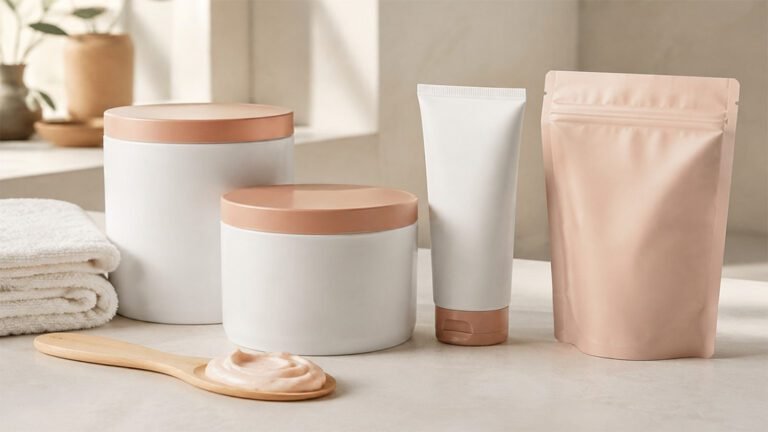
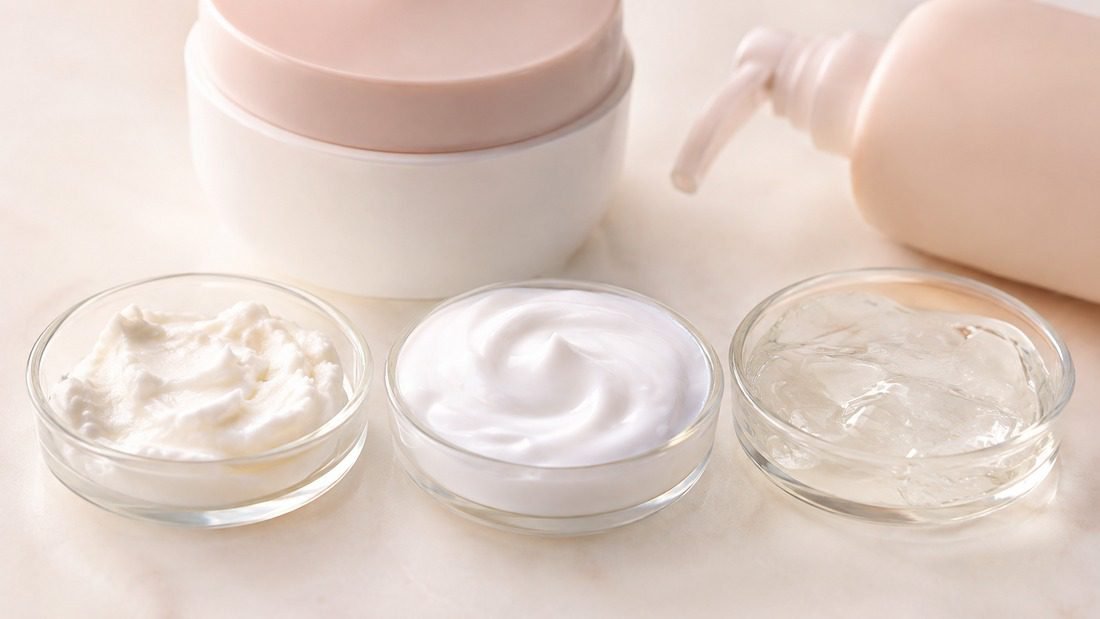
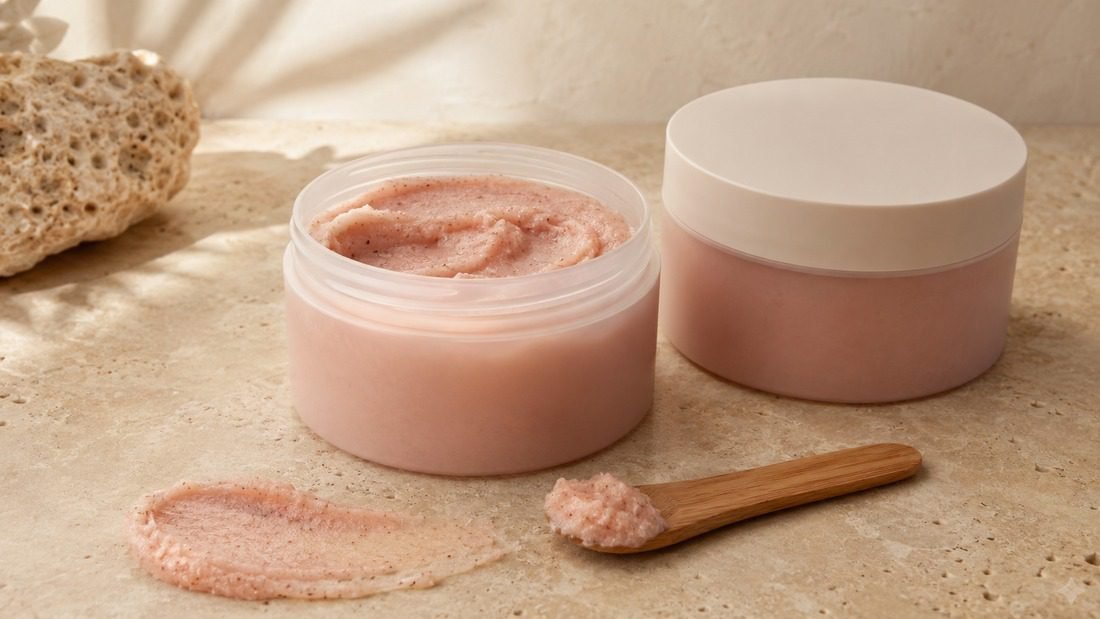
Body care refers to leave-on or rinse-off formulations like lotions, creams, and butters designed for daily skin conditioning. Body scrub is a rinse-off exfoliating product containing physical particles (salt, sugar, jojoba esters) or chemical exfoliants. Both fall under cosmetic regulations, but scrubs face additional scrutiny because particles can interact with packaging, preservatives, and skin barrier integrity.
Comparison Table: Quality Control Demands
| QC Parameter | Body Care (Lotion/Cream) | Body Scrub |
|---|---|---|
| Microbial limits testing | Standard (USP <61>/<62>) | Standard plus preservative efficacy |
| Stability testing | 12 weeks real-time, 4 weeks accelerated | 12 weeks real-time plus particle settling |
| pH drift risk | Low to moderate | Moderate to high (salt/sugar interaction) |
| Viscosity control | ±10% specification | ±15% due to particle load |
| Particle size uniformity | Not applicable | Critical (D50 ± 50 µm) |
| Packaging compatibility | Standard compatibility | Abrasion and seal integrity tests |
| Batch rejection rate (industry avg.) | 1–2% | 3–5% |
Why Scrubs Demand More Attention
Scrubs contain solid particles that can settle, clump, or abrade packaging. This means every batch needs particle size verification, not just visual inspection. Preservatives can bind to particle surfaces, reducing efficacy. In 2028, with tighter EU CPSR requirements and FDA MoCRA enforcement, failing a preservative efficacy test is not just a quality issue—it is a compliance stop-ship. Body care avoids these particle-driven risks, making QC more predictable.
Practical Recommendations for Brand Owners
If You Choose Body Care
Focus your QC budget on emulsion stability and preservative system validation. Request accelerated stability data at 40°C/75% RH for 12 weeks. Ensure your manufacturer performs challenge testing per ISO 11930. For private label body care, standardize your viscosity and pH specs before bulk production. This keeps batch rejection low and speeds up export documentation.
If You Choose Body Scrub
Insist on particle size distribution reports for every batch. Verify preservative efficacy after particle addition, not before. Run packaging compatibility tests for at least 8 weeks. Consider sugar-based scrubs over salt-based ones if your target market has high humidity—salt can absorb moisture and cause microbial spikes. Work with a manufacturer experienced in Testing & Inspection to catch issues early.
Hybrid Strategy
Many brands launch a body care line first to establish QC benchmarks, then add a scrub as a limited edition. This staggers your testing investment and reduces risk. Use the same base emulsion for both where possible—this simplifies stability protocols and reduces raw material SKUs.
Case Evidence: Real-World QC Outcomes
UK Brand: Body Care First
A UK-based indie brand launched a private label body lotion line in 2027. By focusing on emulsion stability and using a single preservative system, they achieved a 0.8% batch rejection rate across 12 months. Their export to EU markets cleared CPSR without additional testing. They later added a sugar scrub, which required 3 extra weeks of particle size validation but still met launch deadlines.
UAE Importer: Scrub Challenges
A UAE importer sourced a salt scrub from a low-cost manufacturer in 2026. Within 4 months, 18% of units showed phase separation and microbial counts near upper limits. The root cause was preservative depletion from salt-particle binding. Switching to a sugar-based scrub with a validated preservative system resolved the issue, but the importer lost 6 months of sales. This illustrates why body care vs body scrub quality control is not academic—it has direct P&L impact.
Australia E-commerce: Hybrid Wins
An Australian e-commerce seller launched a body care lotion and a scrub simultaneously. They used the same emulsion base for both, adding particles only for the scrub. QC testing was streamlined: one stability protocol, one preservative efficacy test. Batch rejection stayed under 1.5%. Their strategy proves that format comparison can be optimized when formulations share a common foundation.
FAQ: Body Care vs Body Scrub Quality Control
Q1: Which format has lower QC costs?
Body care generally has lower QC costs. Scrubs require additional particle size analysis, preservative efficacy testing after particle addition, and packaging abrasion tests. Expect 20–30% higher QC budget for scrubs.
Q2: Can I use the same preservative system for both?
Not always. Particles can bind to preservatives, reducing free concentration. You need a preservative efficacy test (ISO 11930) for each format. What works for a lotion may fail for a scrub.
Q3: How does MoCRA affect scrub QC in 2028?
MoCRA requires adverse event reporting and batch records. For scrubs, you must document particle size and preservative efficacy per batch. Missing records can trigger FDA inspection findings.
Q4: Is stability testing different for scrubs?
Yes. Scrubs need real-time stability for 12 weeks plus particle settling observation. Accelerated testing at 40°C can cause particle melting or clumping, so interpret results carefully.
Q5: Which format is better for export to the EU?
Body care is simpler for EU CPSR because it has fewer variables. Scrubs need additional safety assessment for particle abrasion and preservative depletion. Work with a manufacturer familiar with Export Support.
Q6: Can I private label a scrub without a full QC lab?
No. You need a manufacturer with in-house Quality Control or a certified third-party lab. Particle size and preservative efficacy cannot be verified visually.

 Scan to WhatsApp
About the Author
David Zhang has spent years in skincare formulation and quality control at Flavor Sources, a GMP ISO 22716-certified private label manufacturer based in Dongguan, China, serving brands in 50+ countries since 2000. Reach out to David's team for a custom formula consultation →
Ready to Choose Your Format?
Whether you lean toward body care or body scrub, the right QC partner makes the difference. At Flavor Sources, we help brands compare formats, validate formulations, and scale production with confidence. Explore our Body Care capabilities, or learn more about Private Label Skincare and Custom Formula services. For a deeper dive into our quality systems, visit our Quality Control page. Ready to test the difference? Request a sample or get a quote today. Let's make your 2028 launch your most reliable yet.