Serum Quality Control for Spa & Salon Owners: The Complete 2027 Guide
For spa and salon owners, serum quality control spa salon owners is the process of verifying every serum batch meets safety, efficacy, and stability standards before it reaches your treatment rooms or retail shelves. In 2027, this means demanding batch testing, COA certificates, and stability data from your manufacturer. Start by auditing your supplier's QC protocols today.
Table of Contents
- Why Serum Quality Control Is a Growing Challenge for Spa & Salon Owners
- Key Components of a Robust Serum Quality Control Program
- Practical Steps for Spa & Salon Owners to Implement Serum Quality Control
- Case Studies: Real-World Examples of Serum Quality Control
- Frequently Asked Questions
- About the Author
- Ready to Elevate Your Serum Quality Control?
Why Serum Quality Control Is a Growing Challenge for Spa & Salon Owners
Serums are concentrated formulations with active ingredients that can degrade or become contaminated if not properly controlled. For spa and salon owners, a single compromised batch can lead to client reactions, refunds, and lasting reputational damage. The global skincare market is projected to exceed $200 billion by 2027, intensifying competition and raising the bar for quality assurance. Regulatory frameworks like the EU Cosmetics Regulation and FDA MoCRA are also tightening, making serum quality control spa salon owners a non-negotiable part of your business strategy.
The Unique Risks of Serum Products
Unlike creams or lotions, serums often contain high concentrations of actives such as vitamin C, retinol, and peptides. These ingredients are sensitive to light, heat, and oxygen, making them prone to oxidation and potency loss. Without rigorous serum stability testing skincare protocols, you risk selling products that underperform or cause irritation. Moreover, the water-based nature of many serums makes them susceptible to microbial growth if preservative systems are inadequate.
Regulatory Pressures in 2027
By 2027, more countries are expected to enforce stricter cosmetic regulations. The EU's Cosmetics Regulation (EC) No 1223/2009 already requires a Cosmetic Product Safety Report (CPSR) for each product, and the FDA's Modernization of Cosmetics Regulation Act (MoCRA) in the US mandates adverse event reporting and facility registration. For spa and salon owners sourcing private label serums, ensuring your manufacturer complies with these rules is essential. Ignorance is not a defense; the responsibility ultimately falls on the brand owner.
Key Components of a Robust Serum Quality Control Program
A comprehensive serum quality control program covers raw material verification, in-process controls, finished product testing, and post-market surveillance. For spa and salon owners, the focus should be on what you can verify and document. This section outlines the essential elements and provides a comparison of in-house versus third-party testing.
Batch Testing and COA Certificates
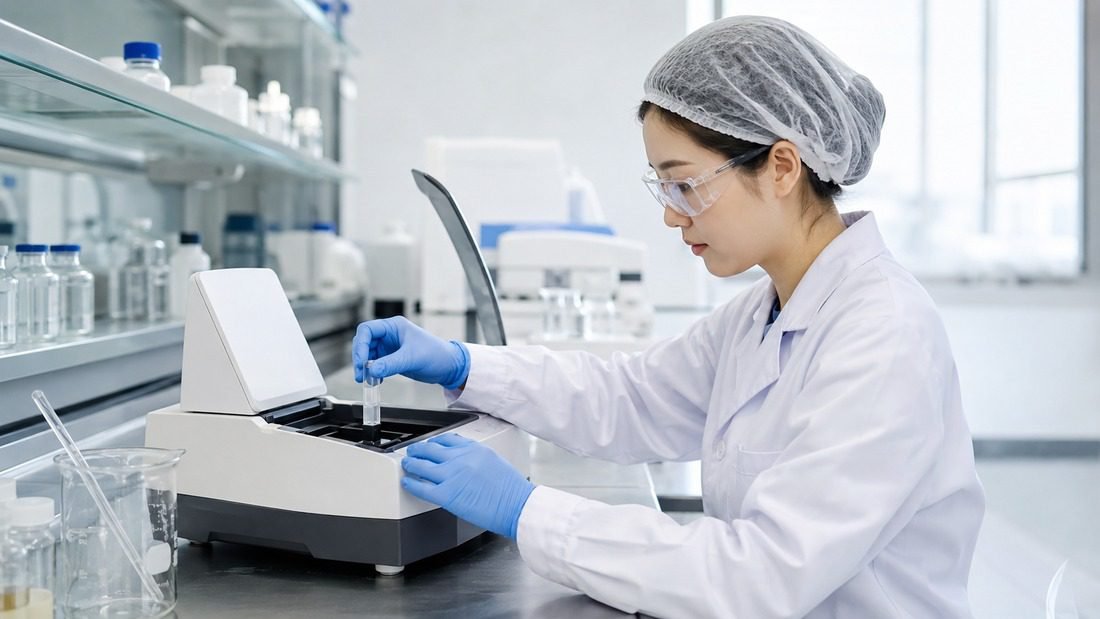
Every batch of serum should undergo microbiological and chemical testing. A Certificate of Analysis (COA) is your proof that the batch meets specifications. Key tests include:
- Microbial limits: Total aerobic count, yeast and mold, and absence of pathogens like E. coli and S. aureus.
- Chemical parameters: pH, viscosity, and active ingredient assay (e.g., vitamin C concentration).
- Physical tests: Appearance, odor, and homogeneity.
Always request a serum COA certificate for each batch and verify that the testing laboratory is accredited (e.g., ISO 17025).
Stability Testing
Serum stability testing skincare is critical to determine shelf life and compatibility with packaging. Accelerated stability testing at elevated temperatures (e.g., 40°C for 3 months) can predict long-term stability. Real-time testing at ambient conditions is also recommended. Ensure your manufacturer provides stability data for the exact formula and packaging you are using.
Pre-Shipment Inspection
Before your serum leaves the factory, a pre-shipment inspection (PSI) can catch issues like labeling errors, packaging defects, or discrepancies in fill weight. Independent inspection services or your own QA team can conduct a PSI using AQL sampling. This step is especially important for international orders.
Comparison Table: In-House vs. Third-Party Testing
| Aspect | In-House Testing | Third-Party Testing |
|---|---|---|
| Cost | Lower per test, but requires investment in equipment and staff | Higher per test, but no capital expenditure |
| Expertise | Limited to available staff | Access to specialized expertise |
| Accreditation | May not be accredited | Often ISO 17025 accredited |
| Speed | Faster turnaround for routine tests | May have longer lead times |
| Objectivity | Potential bias | Independent and unbiased |
| Regulatory Acceptance | May be questioned by authorities | Widely accepted |
For spa and salon owners, third-party testing of finished serums is often the most practical way to ensure objectivity and regulatory compliance. However, partnering with a manufacturer that has robust in-house QC and provides full documentation can reduce the need for external testing.
Practical Steps for Spa & Salon Owners to Implement Serum Quality Control
Implementing serum quality control doesn't require a science degree, but it does require diligence. Follow these steps to protect your brand.
1. Vet Your Manufacturer Thoroughly
Before placing an order, audit your manufacturer's quality system. Ask for their ISO 22716 (Cosmetics GMP) certificate, quality manual, and examples of COAs. Visit the factory if possible, or request a virtual tour. At Flavor Sources, we provide a Factory Tour and detailed Quality Control documentation to give you confidence.
2. Establish Clear Specifications
Work with your manufacturer to define specifications for your serum, including pH range, viscosity, color, and odor. These specifications should be documented in a quality agreement. For custom formulations, our Custom Formula service helps you set precise parameters.
3. Require Batch Testing and COA
Make batch testing and COA provision a contractual requirement. Specify the tests to be performed and the acceptance criteria. For serums, microbial testing and active ingredient assay are non-negotiable. Request a serum COA certificate for every batch and keep records for at least 5 years.
4. Conduct Stability Testing
Ensure your manufacturer performs stability testing on the final formula in its intended packaging. Request the stability protocol and results. If you're launching a new serum, consider additional testing to support claims. Our Testing & Inspection service includes stability testing.
5. Implement Pre-Shipment Inspections
For each order, arrange a pre-shipment inspection. This can be done by a third-party or by your own representative. Check product appearance, packaging integrity, labeling accuracy, and fill weight. A well-documented inspection report can be your safeguard against disputes.
6. Monitor Post-Market
Once your serum is in use, monitor for any adverse reactions or complaints. Keep records and investigate any issues promptly. This not only helps with regulatory compliance but also informs future quality improvements.
Case Studies: Real-World Examples of Serum Quality Control
UK Spa Chain Implements Batch Testing
A UK-based spa chain with multiple locations sourced private label serums from an overseas manufacturer. After experiencing inconsistent product texture, they implemented a policy requiring batch testing and COA for every shipment. They also conducted random pre-shipment inspections. Within six months, customer complaints dropped by 40%, and they avoided a potential recall. The chain now specifies serum quality control spa salon owners as a key criterion in supplier selection.
UAE Salon Group Ensures Stability
A salon group in the UAE launched a vitamin C serum but faced oxidation issues within weeks. They partnered with a manufacturer that provided stability testing data and switched to airless packaging. The new formula, supported by serum stability testing skincare protocols, maintained potency for 12 months. The group now requires stability testing for all new products.
US Distributor Demands COA Compliance
A US distributor of professional skincare products was audited by the FDA and needed to demonstrate due diligence. They requested COAs for all serums from their manufacturer. One supplier could not provide complete documentation and was dropped. The distributor now uses a supplier scorecard that includes COA compliance, batch testing, and pre-shipment inspection results.
Frequently Asked Questions
What is a COA and why is it important for serums?
A Certificate of Analysis (COA) is a document that confirms a batch of serum has been tested and meets specified quality criteria. It typically includes test results for microbial limits, pH, viscosity, and active ingredient concentration. For spa and salon owners, a serum COA certificate is proof that the product is safe and meets label claims. It also serves as documentation for regulatory inspections.
How often should serum batches be tested?
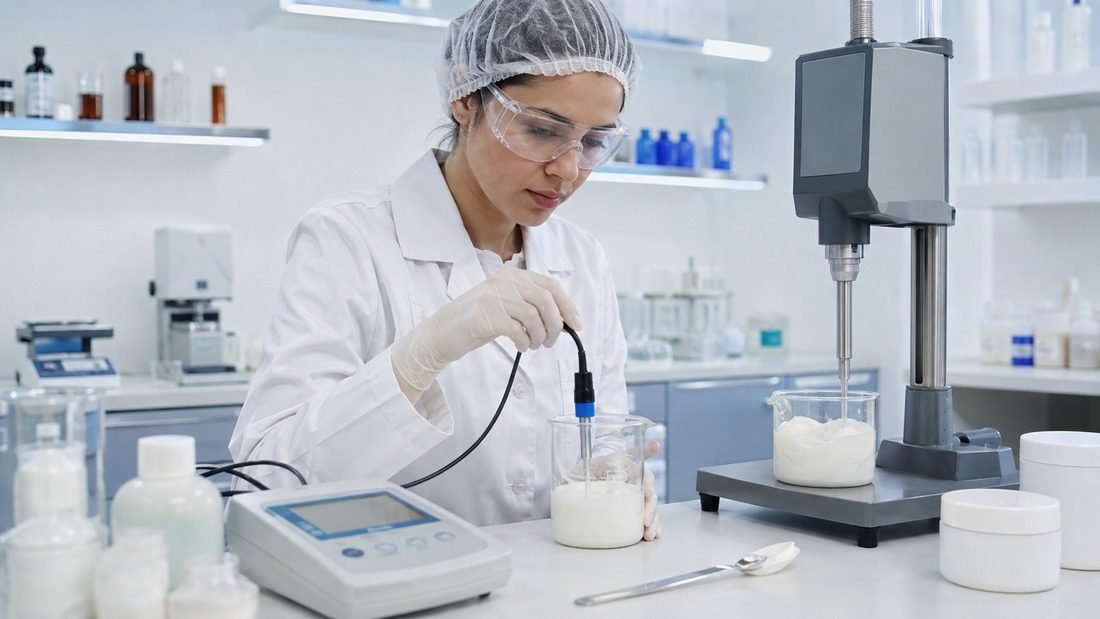
Every batch should be tested for critical parameters. At minimum, microbial testing and active ingredient assay should be performed on each batch. Some manufacturers may test only a composite sample, but for serums, it's best to test each batch to ensure consistency.
What is the difference between stability testing and batch testing?
Batch testing verifies that a specific production batch meets specifications. Stability testing evaluates how the product changes over time under various conditions to determine shelf life. Stability testing is typically done on the initial formula and may be repeated if there are changes.
Can I rely on my manufacturer's in-house testing?
In-house testing can be reliable if the manufacturer has a robust quality system and accredited laboratory. However, for high-risk products like serums, third-party testing adds an extra layer of assurance. Ask for evidence of the manufacturer's testing capabilities and accreditation.
What should I do if a batch fails testing?
If a batch fails testing, it should be rejected and not released for sale. Work with your manufacturer to investigate the root cause and implement corrective actions. Ensure that the failed batch is properly disposed of and not mixed with compliant batches.
How does packaging affect serum quality?
Packaging can significantly impact serum stability. Airless pumps and opaque bottles protect light-sensitive ingredients. Compatibility testing between the formula and packaging is essential to prevent leaching or absorption. Our Packaging Design team can help you select the right packaging for your serum.
About the Author

 Scan to WhatsApp
About the Author
David Zhang has spent years in skincare formulation and quality control at Flavor Sources, a GMP ISO 22716-certified private label manufacturer based in Dongguan, China, serving brands in 50+ countries since 2000. Reach out to David's team for a custom formula consultation →
Ready to Elevate Your Serum Quality Control?
As a spa or salon owner, you cannot afford to compromise on serum quality. Partner with a manufacturer that prioritizes quality at every step. At Flavor Sources, we provide comprehensive serum quality control, from batch testing to stability studies, ensuring your products meet the highest standards. Visit our Serum page to explore our offerings, and request a sample to experience the difference. For a personalized quote, get a quote today. Let us help you deliver safe, effective serums to your clients.