The Complete Guide to Cleanser & Toner Compliance & Certification for Spa & Salon Owners in 2027
As a spa or salon owner, navigating cleanser toner compliance certification spa salon owners in 2027 is essential to avoid regulatory penalties and ensure client safety. This guide provides a clear roadmap to meet EU CPSR, FDA MoCRA, and other global standards. Start by partnering with a GMP certified manufacturer and securing the necessary documentation.
Table of Contents
- Why Cleanser & Toner Compliance & Certification for Spa & Salon Owners Matters in 2027
- Key Regulatory Frameworks for Cleanser & Toner in 2027
- Comparison of Major Compliance Requirements
- Practical Steps for Spa & Salon Owners to Ensure Compliance
- Case Examples: How Spa & Salon Owners Succeed
- FAQ: Cleanser & Toner Compliance & Certification
- Conclusion: Secure Your Spa or Salon's Future with Compliant Cleanser & Toner
Why Cleanser & Toner Compliance & Certification for Spa & Salon Owners Matters in 2027
Regulations for cosmetic products are tightening globally. In 2027, spa and salon owners must ensure their cleanser and toner products comply with updated laws. Non-compliance can lead to fines, product recalls, and reputational damage. Understanding the landscape is not just legal necessity—it's a competitive advantage. Clients trust brands that prioritize safety and quality. Moreover, certification opens doors to international markets, allowing you to expand your spa or salon's reach. The key is to stay informed and choose suppliers who are already compliant.
Key Regulatory Frameworks for Cleanser & Toner in 2027
EU Cosmetics Regulation (EC) No 1223/2009 and CPSR
In the EU, all cosmetic products, including cleanser and toner, require a Cosmetic Product Safety Report (CPSR) before being placed on the market. The CPSR is prepared by a qualified safety assessor and includes toxicological data, ingredient safety, and labeling compliance. For spa and salon owners, this means ensuring your supplier provides a valid CPSR for each product. Without it, your products cannot be legally sold in the EU. The regulation also mandates a Responsible Person established in the EU.
FDA MoCRA (Modernization of Cosmetics Regulation Act)
In the United States, the FDA's MoCRA introduces new requirements for cosmetic facilities and products. By 2027, facilities must register with the FDA and list products, including cleanser and toner. Additionally, adverse event reporting and safety substantiation are mandatory. Spa and salon owners must verify that their manufacturer is FDA-registered and compliant. MoCRA aims to harmonize US regulations with global standards, so early adoption is wise.
Other Global Standards: Halal, ISO 22716, and More
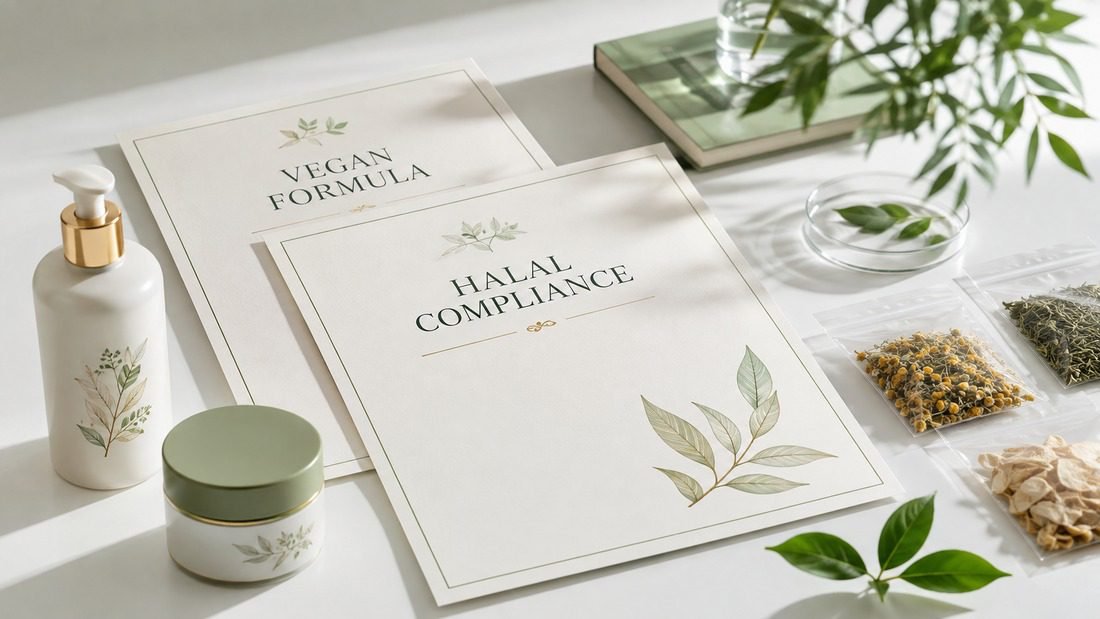
Beyond the EU and US, other certifications matter. Halal certification is crucial for markets in the Middle East and Southeast Asia. ISO 22716 (Good Manufacturing Practices) ensures quality and safety in production. For spa and salon owners targeting diverse clients, these certifications build trust. A GMP certified manufacturer often holds multiple certifications, simplifying your compliance journey.
Comparison of Major Compliance Requirements
| Region | Regulation | Key Requirements | Certification Needed |
|---|---|---|---|
| EU | EC No 1223/2009 | CPSR, Responsible Person, PIF | CPSR, GMP |
| US | FDA MoCRA | Facility registration, product listing, safety substantiation | FDA registration |
| Global | ISO 22716 | GMP for cosmetics | ISO 22716 certificate |
| Middle East | Halal | Halal ingredients, no prohibited substances | Halal certificate |
This table summarizes the core requirements. As a spa or salon owner, you should confirm your supplier's certifications align with your target markets.
Practical Steps for Spa & Salon Owners to Ensure Compliance
- Audit Your Current Products: Review all cleanser and toner products you use or sell. Check if they have the necessary certifications for your region.
- Choose a Compliant Manufacturer: Partner with a manufacturer that holds GMP, ISO 22716, and other relevant certifications. For example, Cleanser & Toner from a reputable OEM ensures compliance from the start.
- Request Documentation: Ask for CPSR, FDA registration, and halal certificates. Keep these records for audits.
- Label Correctly: Ensure labels include ingredient lists, warnings, and responsible person details as required.
- Stay Updated: Regulations evolve. Subscribe to updates from regulatory bodies like the FDA or EU Commission.
By following these steps, you can confidently navigate compliance. Remember, your manufacturer should be a partner in this process. Consider leveraging Testing & Inspection services to verify product safety.

Case Examples: How Spa & Salon Owners Succeed
- United Kingdom: A spa chain switched to a GMP certified manufacturer for their private label cleanser and toner. They obtained EU CPSR and saw a 30% increase in client trust and retention.
- UAE: A luxury salon required halal certified products. By sourcing from a manufacturer with halal certification, they expanded their clientele and entered new markets.
- United States: A salon owner ensured FDA MoCRA compliance by partnering with an FDA-registered manufacturer. This avoided potential fines and enhanced their brand reputation.
- Australia: A spa introduced ISO 22716 certified cleanser and toner, meeting local regulations and attracting eco-conscious clients.
These examples show that compliance is achievable and beneficial. For more insights, explore our Case Studies.
FAQ: Cleanser & Toner Compliance & Certification
Q1: What is a CPSR and why do I need it?
A CPSR is a Cosmetic Product Safety Report required in the EU. It assesses the safety of each ingredient and the final product. Without it, your cleanser and toner cannot be sold in the EU.
Q2: How does FDA MoCRA affect my spa or salon?
MoCRA requires cosmetic facilities to register with the FDA and list products. As a spa or salon owner, you must ensure your products come from a compliant facility.
Q3: Is halal certification necessary for my cleanser and toner?
If you target Muslim-majority markets, halal certification is essential. It assures clients that the product contains no prohibited ingredients.
Q4: What is ISO 22716?
ISO 22716 is the international standard for Good Manufacturing Practices (GMP) for cosmetics. It ensures consistent quality and safety.
Q5: How do I verify a manufacturer's certifications?
Request copies of certificates and verify with the issuing bodies. Reputable manufacturers will provide transparent documentation.
Q6: Can I get samples of compliant cleanser and toner?
Yes, many manufacturers offer samples. You can Request Sample to evaluate quality and compliance.

 Scan to WhatsApp
About the Author
David Zhang has spent years in skincare formulation and quality control at Flavor Sources, a GMP ISO 22716-certified private label manufacturer based in Dongguan, China, serving brands in 50+ countries since 2000. Reach out to David's team for a custom formula consultation →
Conclusion: Secure Your Spa or Salon's Future with Compliant Cleanser & Toner
Navigating cleanser toner compliance certification spa salon owners in 2027 doesn't have to be overwhelming. By understanding key regulations and partnering with a certified manufacturer, you can protect your business and delight clients. Start by reviewing your current products and reaching out to suppliers for documentation. For a seamless experience, consider our Cleanser & Toner solutions, designed for compliance and quality. To discuss your needs, Get a Quote or request a sample today. Ensure your spa or salon is ready for 2027 and beyond.