Cleanser Toner Compliance Certification for E-commerce Sellers: 2026 Complete Guide
Navigating cleanser toner compliance certification ecommerce sellers face is complex. In 2026, you must secure EU CPSR, FDA MoCRA, and other certifications to sell legally. This guide breaks down essential requirements, helping you launch cleanser and toner products with confidence and avoid costly delays.
Table of Contents
- What Is Cleanser Toner Compliance Certification for E-commerce Sellers?
- The 2026 Regulatory Landscape: Why It Matters More Than Ever
- Key Certifications and Standards for Cleanser & Toner
- Practical Steps to Achieve Compliance
- Case Examples: Compliance Success in Key Markets
- Frequently Asked Questions
- What is EU CPSR, and do I need it for cleanser and toner?
- How does FDA MoCRA affect e-commerce sellers?
- Is halal certification necessary for my cleanser and toner?
- What is ISO 22716, and why does it matter?
- How can I ensure my cleanser and toner are compliant?
- What are the penalties for non-compliance?
- Get Your Compliant Cleanser & Toner Today
What Is Cleanser Toner Compliance Certification for E-commerce Sellers?
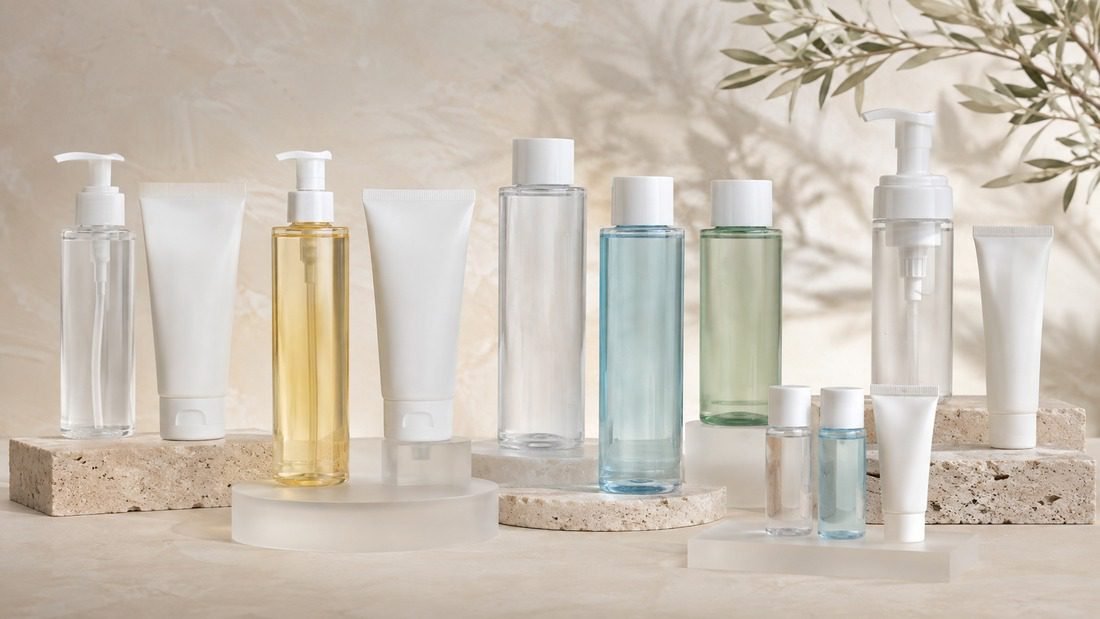
Compliance certification for cleanser and toner refers to the mandatory regulatory approvals and safety assessments required before these products can be sold in specific markets. For e-commerce sellers, this means ensuring your products meet the legal standards of each country you ship to. Key certifications include EU Cosmetic Product Safety Report (CPSR), FDA Modernization of Cosmetics Regulation Act (MoCRA) registration, and Good Manufacturing Practice (GMP) compliance. Without these, your listings risk removal, fines, or customs seizures. Understanding these requirements is the first step to building a trustworthy brand.
The 2026 Regulatory Landscape: Why It Matters More Than Ever
E-commerce has made it easier to sell globally, but regulations have tightened. In 2026, authorities are enforcing cosmetic laws more strictly. The EU requires a CPSR for every product, and the US FDA now mandates facility registration and product listing under MoCRA. Additionally, halal certification is crucial for Muslim-majority markets, and ISO 22716 ensures good manufacturing practices. Sellers who ignore these risk penalties, reputational damage, and lost sales. Conversely, compliance can be a competitive advantage, signaling quality and safety to customers.
Key Certifications and Standards for Cleanser & Toner
To simplify, here is a comparison of major certifications:
| Certification/Standard | Region | Key Requirements | Why It Matters for E-commerce |
|---|---|---|---|
| EU CPSR | European Union | Safety assessment by qualified toxicologist, Product Information File (PIF) | Legally required to sell in EU; ensures product safety |
| FDA MoCRA | United States | Facility registration, product listing, adverse event reporting | Mandatory for US market; builds consumer trust |
| ISO 22716 | International | Good Manufacturing Practices (GMP) for cosmetics | Ensures consistent quality; often required by retailers |
| Halal Certification | Global (Muslim markets) | No prohibited ingredients (e.g., alcohol, animal derivatives), separate production lines | Essential for Muslim consumers; expands market reach |
| Vegan/Cruelty-Free | Global | No animal testing, no animal-derived ingredients | Appeals to ethical consumers; increasingly demanded |
Each certification involves specific documentation and testing. For instance, EU CPSR requires a detailed safety report, while FDA MoCRA demands electronic registration. Halal certification involves auditing ingredients and production processes. Partnering with a GMP certified manufacturer simplifies this process. For a range of compliant products, explore our Cleanser & Toner line.
Practical Steps to Achieve Compliance
- Identify Target Markets: Determine where you will sell. Each market has unique rules.
- Select a Qualified Manufacturer: Choose a GMP certified manufacturer with experience in your target markets. Look for ISO 22716 certification.
- Obtain Required Certifications: Work with your manufacturer to secure CPSR, MoCRA registration, halal certification, etc.
- Prepare Documentation: Maintain a Product Information File (PIF) for EU, and ensure all labels comply with local regulations.
- Test and Validate: Conduct stability and compatibility testing to ensure product quality.
- Stay Updated: Regulations evolve; regularly review compliance.
Our Testing & Inspection services can assist. For custom formulations, see Custom Formula.
Case Examples: Compliance Success in Key Markets
- United Kingdom: A beauty brand launched a micellar water cleanser. By securing EU CPSR (still recognized in UK) and partnering with a GMP certified manufacturer, they gained access to UK retailers and e-commerce platforms. Sales grew 40% in six months.
- United Arab Emirates: An e-commerce seller introduced a halal-certified toner. With halal certification and ISO 22716, they tapped into the Middle Eastern market, achieving a 60% repeat purchase rate.
- United States: A startup used FDA MoCRA registration to list their cleanser on Amazon. Compliance allowed them to scale quickly, reaching $1M in first-year sales.
- Australia: A distributor required ISO 22716 for their private label toner. By choosing a compliant manufacturer, they secured a major retail chain contract.
These examples show that compliance opens doors. For more, visit our Case Studies.
Frequently Asked Questions
What is EU CPSR, and do I need it for cleanser and toner?
EU CPSR (Cosmetic Product Safety Report) is a mandatory safety assessment for cosmetics sold in the EU. Yes, you need it for cleanser and toner if selling in the EU. It ensures your product is safe for consumers.
How does FDA MoCRA affect e-commerce sellers?
FDA MoCRA requires cosmetic facilities to register with the FDA and list products. E-commerce sellers must ensure their products are compliant. This includes having a US agent if based abroad.
Is halal certification necessary for my cleanser and toner?
If you target Muslim-majority markets, halal certification is highly recommended. It assures consumers that the product contains no prohibited ingredients and is manufactured according to Islamic principles.
What is ISO 22716, and why does it matter?
ISO 22716 is the international standard for Good Manufacturing Practices (GMP) for cosmetics. It ensures consistent quality and safety. Many retailers and marketplaces require it.
How can I ensure my cleanser and toner are compliant?
Work with a GMP certified manufacturer experienced in your target markets. They can guide you through certifications and documentation. For assistance, get a quote.
What are the penalties for non-compliance?
Penalties include fines, product seizures, listing removals, and legal action. Non-compliance can also damage your brand reputation.

 Scan to WhatsApp
About the Author
David Zhang has spent years in skincare formulation and quality control at Flavor Sources, a GMP ISO 22716-certified private label manufacturer based in Dongguan, China, serving brands in 50+ countries since 2000. Reach out to David's team for a custom formula consultation →
Get Your Compliant Cleanser & Toner Today
Ready to launch your cleanser and toner line? Flavor Sources is a GMP certified manufacturer with expertise in EU CPSR, FDA MoCRA, halal, and ISO 22716. We offer end-to-end support, from formulation to certification. Request a sample or get a quote to start your compliant journey. Let us help you succeed in the competitive e-commerce landscape.