Facial Body Mask vs Sleeping Mask Compliance Certification: Essential 2027 Comparison

Facial Body Mask vs Sleeping Mask Compliance Certification: The 2027 Decision Guide
When planning your 2027 skincare line, choosing between a facial body mask and a sleeping mask isn't just about texture or consumer preference—it's a compliance certification game changer. The short answer: facial body mask vs sleeping mask compliance certification differs significantly due to product format, usage, and regulatory categorization. This guide breaks down the essential differences, helping you avoid costly delays and market entry failures.
Table of Contents
- Facial Body Mask vs Sleeping Mask Compliance Certification: The 2027 Decision Guide
- Why Compliance Certification Matters More in 2027
- Key Differences in Compliance for Facial Body Masks vs Sleeping Masks
- Practical Steps for 2027 Product Line Planning
- Case Studies: How Brands Navigate Compliance
- FAQ: Compliance Certification for Masks
- Ready to Launch Your Mask Line? Get Expert Help
Why Compliance Certification Matters More in 2027
As global regulations tighten—especially with updates like the EU's new Cosmetic Regulation Enforcement and FDA's MoCRA in the US—the distinction between rinse-off, leave-on, and wash-off products becomes critical. A facial body mask (typically a wash-off or peel-off product) and a sleeping mask (a leave-on product) fall into different regulatory categories. This affects not only ingredient restrictions but also labeling, safety assessment, and stability testing requirements. Misclassification can lead to product seizures, fines, or even bans. For brands eyeing cross-border sales, understanding these nuances is non-negotiable.
Key Differences in Compliance for Facial Body Masks vs Sleeping Masks
Product Classification and Intended Use
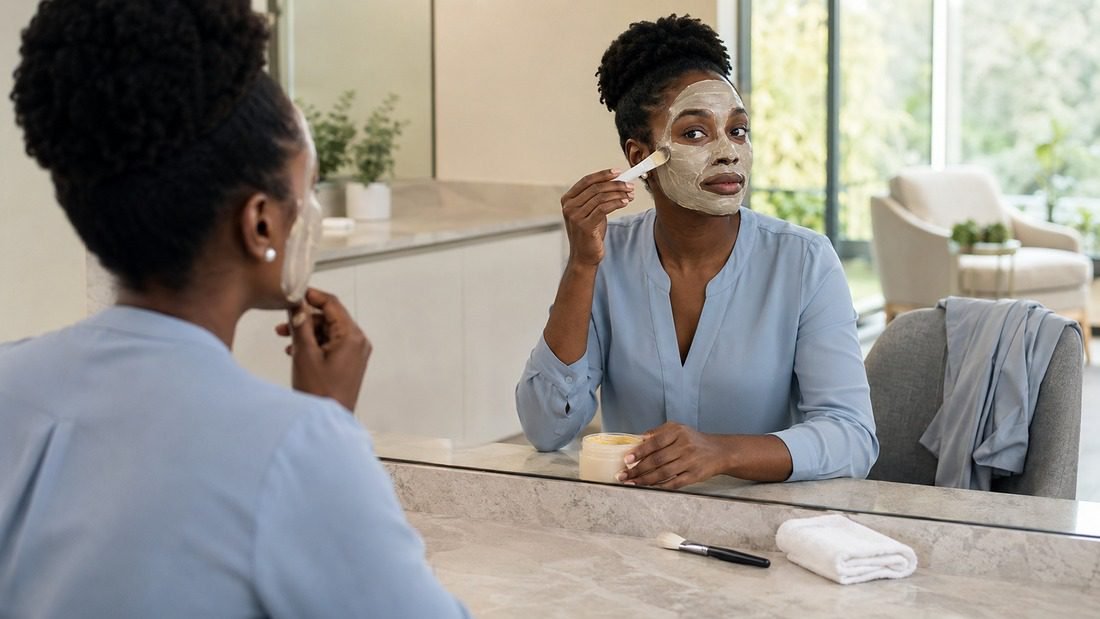
Facial body mask products are generally classified as “wash-off” cosmetics. They are applied to the face or body and removed after a short period (10-20 minutes). In contrast, sleeping masks are “leave-on” products designed to stay on the skin overnight. This fundamental difference triggers distinct regulatory pathways. For example, the EU's Cosmetics Regulation (EC) No 1223/2009 requires a Product Information File (PIF) with a safety assessment by a qualified professional. Leave-on products often face stricter preservative efficacy testing because they remain on the skin longer, increasing microbial risk.
Ingredient Restrictions and Safety Assessment
Leave-on products (sleeping masks) have tighter restrictions on certain preservatives and UV filters compared to wash-off products. For instance, the EU has banned several preservatives in leave-on products that are still permitted in wash-off ones. Similarly, the US FDA under MoCRA requires adverse event reporting and facility registration, but ingredient restrictions are less stringent than the EU; however, safety data must support the intended use. A facial body mask may allow higher concentrations of certain active ingredients since they are rinsed off, but this is not a free pass—each market has its own list.
Labeling and Claims
Labeling requirements differ: leave-on products often need additional warnings about contact with eyes or prolonged use. For sleeping masks, claims like “overnight repair” must be substantiated with evidence. In the EU, any claim must not mislead consumers. For facial body mask products, claims like “deep cleansing” are easier to support, but “whitening” or “anti-aging” claims are heavily regulated in Asia. Understanding these nuances is vital for your marketing copy.
Testing and Stability
Stability testing for leave-on products is more rigorous because they must remain stable over longer periods and under varied conditions. Microbial challenge tests are more critical for sleeping masks. For wash-off masks, the risk is lower, but contamination during use is still a concern. Both require stability and compatibility testing with packaging.
Comparison Table: Compliance Snapshot for Key Markets
| Aspect | Facial Body Mask (Wash-off) | Sleeping Mask (Leave-on) |
|---|---|---|
| EU Classification | Cosmetic product, PIF required | Cosmetic product, PIF required |
| Preservative restrictions | Less strict | Stricter (e.g., lower limits) |
| Microbial testing | Standard | Enhanced (longer contact) |
| Labeling requirements | Basic warnings | Eye contact warnings, leave-on instructions |
| Claim substantiation | Easier for cleansing claims | Need evidence for overnight benefits |
| US MoCRA compliance | Facility registration, adverse event reporting | Same plus safety data for leave-on |
| Export to China | Requires NMPA notification | Requires NMPA notification, stricter ingredient list |
Practical Steps for 2027 Product Line Planning
- Define your target markets early – Know the regulatory landscape for each country (EU, US, UK, UAE, Australia). Use resources like the EU Cosmetics Regulation and FDA's MoCRA guidance.
- Select the right manufacturer – Partner with an OEM/ODM that has experience with both formats. Our Private Label Skincare service ensures compliance from formulation to production.
- Request a pre-compliance check – Before committing to a formula, ask for a regulatory review. Many manufacturers offer this as part of their Custom Formula service.
- Plan for testing – Budget for stability, microbial, and safety assessments. These are non-negotiable for market entry.
- Use a phased launch – Start with a single market to streamline compliance, then expand.
Case Studies: How Brands Navigate Compliance
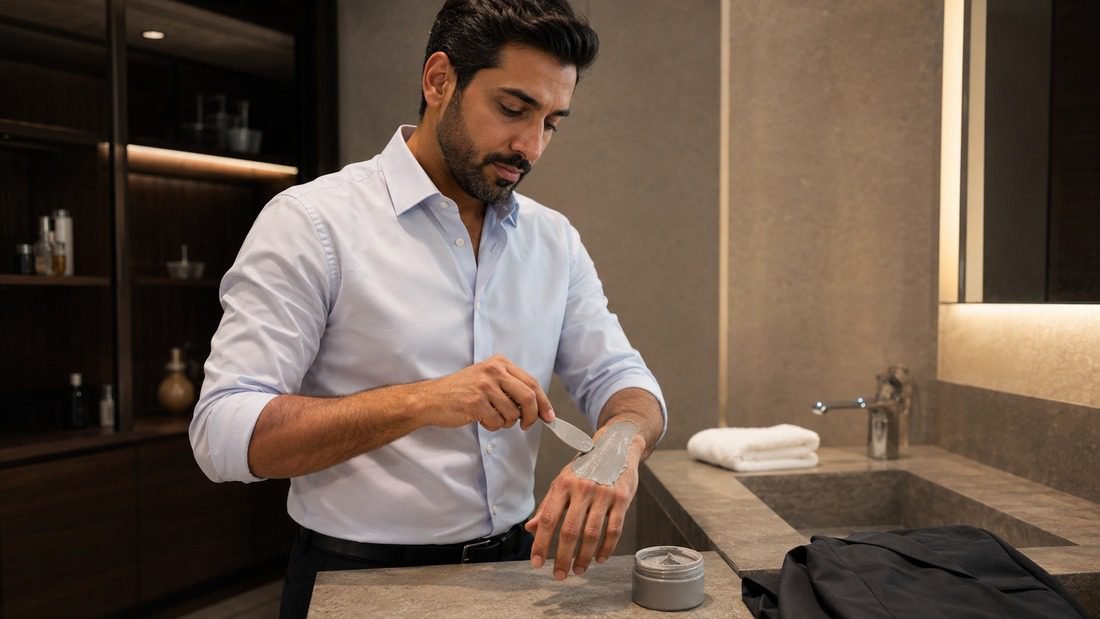
In the UK, a startup launched a facial body mask line but initially misclassified it as a leave-on product, leading to excessive preservative testing and delayed launch. After consulting with our team, they switched to a wash-off classification, reducing testing costs by 30% and hitting the market in 4 months. Conversely, a UAE brand wanted to introduce a sleeping mask with a high concentration of active ingredients. We guided them through the EU's restrictions, helping them reformulate to meet safety limits while maintaining efficacy, avoiding a potential ban.
FAQ: Compliance Certification for Masks
Q1: Is a facial body mask considered a leave-on product?
A: No, it is typically wash-off because it's removed after a short time. However, some peel-off masks may be considered leave-on if they form a film that stays on the skin. Always check the intended use.
Q2: Do sleeping masks require more preservatives?
A: Not necessarily more, but they require preservatives that are effective over longer contact times and are safe for leave-on use. Some preservatives are restricted in leave-on products.
Q3: What certifications are mandatory for masks in the EU?
A: You need a PIF, safety assessment, and compliance with labeling rules. No specific certificate is issued, but the PIF must be available for inspection.
Q4: How does MoCRA affect sleeping masks?
A: Under MoCRA, you must register your facility and list your products with the FDA, report serious adverse events, and ensure safety substantiation. Sleeping masks may require additional data due to leave-on status.
Q5: Can I use the same formula for a facial body mask and a sleeping mask?
A: Unlikely due to different usage and regulatory requirements. Even if similar, you'll need separate safety assessments and labels.
Q6: How long does compliance certification take?
A: Typically 2-6 months, depending on the market and product complexity. Factor this into your launch timeline.

 Scan to WhatsApp
About the Author
David Zhang has spent years in skincare formulation and quality control at Flavor Sources, a GMP ISO 22716-certified private label manufacturer based in Dongguan, China, serving brands in 50+ countries since 2000. Reach out to David's team for a custom formula consultation →
Ready to Launch Your Mask Line? Get Expert Help
Navigating facial body mask vs sleeping mask compliance certification can be complex, but you don't have to do it alone. Our team at Flavor Sources has extensive experience in global compliance. Whether you're developing a Facial & Body Mask or a sleeping mask, we can guide you through the regulatory maze. Contact us to Request a Sample or Get a Quote today. Let's make your 2027 line a success.