Serum vs Ampoule: A 2028 Quality Control Comparison for Reliable OEM
Serum vs Ampoule Quality Control: What You Need to Know in 2028
When choosing between serum and ampoule formats, serum vs ampoule quality control is the decisive factor for reliable manufacturing. The answer is direct: ampoules offer superior contamination protection due to single-use glass vials, while serums require robust preservative systems and rigorous stability testing. This comparison will guide you through the critical quality control differences to ensure your product meets regulatory standards and consumer expectations.
Table of Contents
- Serum vs Ampoule Quality Control: What You Need to Know in 2028
- The Core Difference: Format Defines Quality Risks
- Quality Control Parameters: A Comparative Table
- Why Quality Control Matters More Than Format Choice
- Practical Recommendations for Your Brand
- Case Study: Quality Control in the UK and UAE Markets
- FAQ: Common Questions on Serum and Ampoule Quality Control
- 1. Which format has better shelf-life stability?
- 2. Are ampoules preservative-free always?
- 3. How does quality control differ in testing for serums vs ampoules?
- 4. Can I switch from serum to ampoule later?
- 5. What certifications should I look for in a manufacturer?
- 6. How do I choose the right format for my brand?
- Ready to Launch Your Skincare Line?
The Core Difference: Format Defines Quality Risks
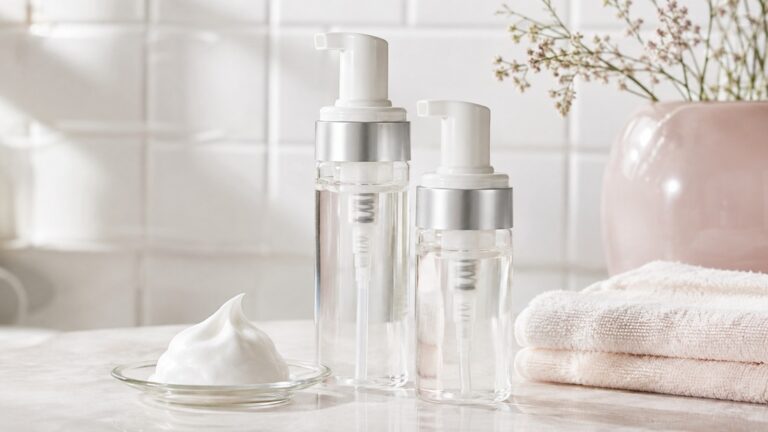
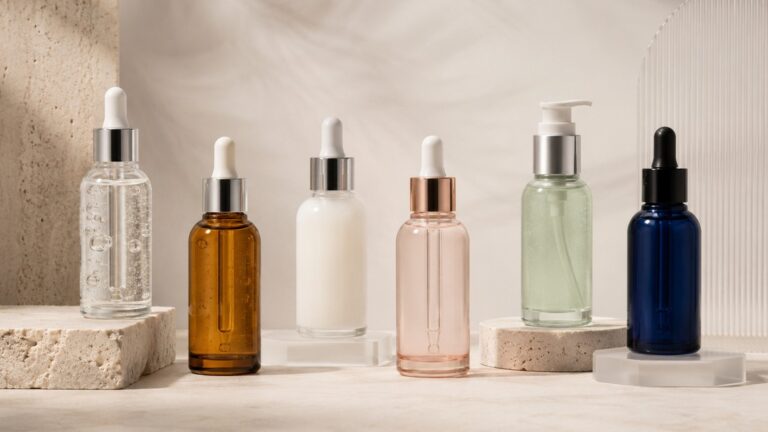
In skincare manufacturing, the format you choose—serum or ampoule—directly influences the quality control protocol. A serum is a multi-dose product packaged typically in a pump bottle, exposing the formula to air and contaminants each use. An ampoule is a single-dose glass vial, sealed under sterile conditions, designed to be used once. This fundamental difference dictates the level of preservation, testing, and packaging integrity required.
From a quality control perspective, ampoules reduce the risk of microbial contamination, but they introduce challenges in filling precision and glass integrity. Serums, on the other hand, demand more robust preservative systems and accelerated stability testing to ensure safety over repeated use. Understanding these nuances is essential for brand owners and importers navigating private label skincare.
Quality Control Parameters: A Comparative Table
| Parameter | Serum | Ampoule |
|---|---|---|
| Packaging | Multi-dose (pump, dropper) | Single-dose glass vial |
| Contamination Risk | Higher with repeated opening | Lower; sealed until use |
| Preservative System | Required, more robust | Minimal, often preservative-free |
| Stability Testing | Long-term and accelerated | Shorter, but glass interaction tests |
| Filling Process | Standard liquid filling | Aseptic filling with sealing |
| Quality Control Focus | Microbiological, preservative efficacy | Seal integrity, glass particle test |
This table highlights the primary quality control focus areas for each format. For serums, the emphasis is on maintaining product integrity over time; for ampoules, it's about ensuring sterile sealing and preventing glass breakage.
Why Quality Control Matters More Than Format Choice
Serum vs ampoule quality control is not just about the product type; it's about the entire manufacturing process. A reputable OEM partner must demonstrate compliance with international standards, such as ISO 22716 (Cosmetics GMP). This ensures that every batch is produced under controlled conditions, from raw material sourcing to final packaging.
For private label serum comparison, consider that a serum's quality control involves multiple checkpoints: raw material testing, in-process checks, and finished product analysis. Ampoules require additional inspections like leak testing and visual inspection for cracks. By understanding these differences, you can make an informed decision that aligns with your brand's quality expectations.
Practical Recommendations for Your Brand
When deciding between serum and ampoule, evaluate your target market and product claims. If you're launching a high-potency active ingredient product, ampoules offer a premium, preservative-free option that appeals to consumers seeking purity. For everyday hydration, a serum with a well-formulated preservative system is cost-effective and convenient.
Always request a comprehensive quality control protocol from your manufacturer. Look for certifications like ISO 22716 and ask for stability data. For startups, starting with a serum format may be simpler, but if you're targeting high-end markets, ampoules can differentiate your brand. Explore our Serum options and Custom Formula services to tailor your product.
Case Study: Quality Control in the UK and UAE Markets
In the UK, a skincare brand launched a vitamin C serum with a pump bottle. The manufacturer conducted rigorous preservative efficacy testing to meet EU CPSR requirements. The product passed all tests, ensuring consumer safety and regulatory compliance. In the UAE, a luxury brand introduced an ampoule line with hyaluronic acid. The aseptic filling process and glass integrity checks were critical to maintaining product purity in a hot climate. Both cases highlight the importance of format-specific quality control.
These examples illustrate how serum vs ampoule quality control strategies vary by market and product type. By partnering with an experienced OEM, you can navigate these complexities and ensure your product meets the highest standards.
FAQ: Common Questions on Serum and Ampoule Quality Control
1. Which format has better shelf-life stability?
Ampoules generally have a longer shelf life due to reduced contamination risk, but they require proper storage to prevent glass degradation. Serums with effective preservatives can also have a stable shelf life, typically 12-24 months.
2. Are ampoules preservative-free always?
Not always. While many ampoules are designed to be preservative-free, some formulations may still include preservatives for added safety. Always check the label and consult your manufacturer.
3. How does quality control differ in testing for serums vs ampoules?
Serums focus on preservative efficacy and microbial limits, while ampoules emphasize seal integrity and particulate matter testing. Both require stability testing, but ampoules may have additional glass interaction studies.
4. Can I switch from serum to ampoule later?
Yes, but it requires re-formulation and new stability studies. Your OEM partner can guide you through the process, ensuring compliance with regulations.
5. What certifications should I look for in a manufacturer?
Look for ISO 22716, GMP compliance, and relevant market certifications like EU CPSR or FDA MoCRA. Our Certificates page provides details.
6. How do I choose the right format for my brand?
Consider your target audience, product claims, and budget. Ampoules are premium and suitable for high-potency actives, while serums are versatile and cost-effective. Discuss with your manufacturer to align with your brand strategy.

 Scan to WhatsApp
About the Author
David Zhang has spent years in skincare formulation and quality control at Flavor Sources, a GMP ISO 22716-certified private label manufacturer based in Dongguan, China, serving brands in 50+ countries since 2000. Reach out to David's team for a custom formula consultation →
Ready to Launch Your Skincare Line?
Choosing between serum and ampoule is a strategic decision. With the right quality control framework, both formats can deliver excellent results. At Flavor Sources, we specialize in OEM/ODM manufacturing with robust quality control systems. Request a sample or get a quote today to start your project with confidence.