The Complete 2026 Guide to Facial & Body Mask Compliance Certification for E-commerce Sellers
For e-commerce sellers, ensuring facial body mask compliance certification ecommerce sellers is non-negotiable in 2026. You must secure certifications like EU CPSR, FDA MoCRA, halal, GMP, and ISO 22716 to legally sell and build trust. This guide breaks down each requirement and offers actionable steps to streamline your path to market.
Table of Contents

Understanding Facial & Body Mask Compliance
Selling facial and body masks online means navigating a web of regulations. Compliance certification is the process of verifying that your products meet legal safety, labeling, and manufacturing standards. Without it, you risk recalls, fines, and reputational damage. For e-commerce sellers, the challenge is amplified because you must satisfy multiple jurisdictions. This section defines the core concepts and why they matter for your business.
What Is Compliance Certification?
Compliance certification involves third-party audits and tests to confirm that a product and its manufacturing process adhere to specific regulations. Key certifications for facial and body masks include:
- EU CPSR (Cosmetic Product Safety Report): Mandatory for selling in the EU, this report assesses the safety of each ingredient and the final product.
- FDA MoCRA (Modernization of Cosmetics Regulation Act): US legislation requiring facility registration, product listing, and safety substantiation.
- Halal Certification: Essential for markets with Muslim-majority populations, ensuring products contain no prohibited ingredients and are produced according to Islamic principles.
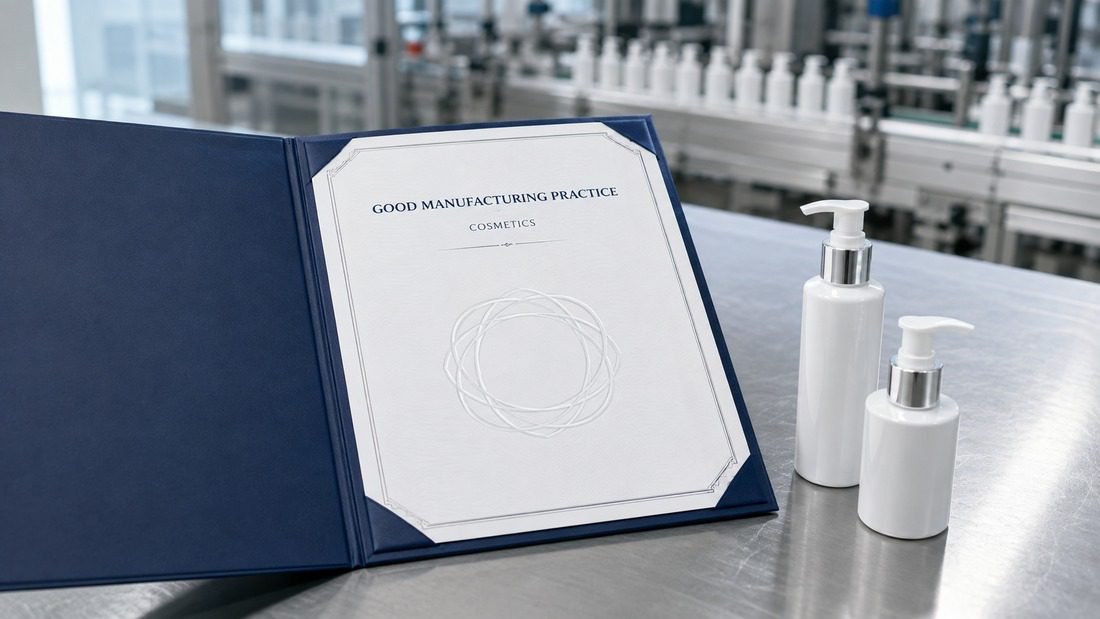
- GMP (Good Manufacturing Practice): Ensures products are consistently produced and controlled according to quality standards.
- ISO 22716: International standard for cosmetics GMP, often required by retailers and distributors.
These certifications are not merely bureaucratic hurdles; they are your passport to global markets. For a reliable supply chain, partner with a Facial & Body Mask manufacturer that holds these credentials.
Why It Matters for E-commerce Sellers
E-commerce platforms like Amazon, Sephora, and Ulta increasingly demand proof of compliance. A single non-compliant product can lead to delisting. Moreover, consumers are more informed and scrutinize certifications. A 2025 industry survey showed that 68% of online beauty shoppers check for certifications before purchase. Compliance is thus both a legal necessity and a competitive advantage.
Key Certifications for Facial & Body Masks
This section details the most critical certifications for 2026. We'll compare their scope, cost, and timeline to help you prioritize.
EU CPSR: Your Gateway to Europe
The EU Cosmetics Regulation (EC) No 1223/2009 requires a CPSR for every cosmetic product. The report must be prepared by a qualified safety assessor. It covers ingredient safety, packaging compatibility, and stability testing. For facial and body masks, pay special attention to preservatives and allergens. The CPSR is product-specific, so each variant needs its own report. Costs range from €500 to €2,000 per product, and timelines vary from 2 to 6 weeks. Without a CPSR, your products cannot be sold in the EU. Ensure your manufacturer provides this or partners with a reputable lab.
FDA MoCRA: Navigating US Regulations
The FDA's MoCRA, effective from 2023, imposes new requirements. By 2026, all cosmetic facilities must be registered with the FDA, and products must be listed. Safety substantiation is mandatory, and serious adverse events must be reported. For e-commerce sellers importing to the US, verify that your contract manufacturer is MoCRA-compliant. This includes facility registration and adherence to GMP. Non-compliance can result in warning letters and import alerts. Work with a GMP certified manufacturer to ensure seamless compliance.
Halal Certification: Accessing Muslim Markets
Halal certification is crucial for markets in the Middle East, Southeast Asia, and among Muslim consumers globally. It certifies that products are free from alcohol, pork-derived ingredients, and other haram substances. The certification process involves auditing the supply chain and production facilities. For facial and body masks, common ingredients like collagen or glycerin may be animal-derived; halal-certified alternatives exist. Certification bodies like JAKIM (Malaysia) or MUI (Indonesia) are widely recognized. The process can take 3-6 months and requires ongoing compliance. Partnering with a halal-certified manufacturer simplifies market entry.
GMP and ISO 22716: Quality Assurance
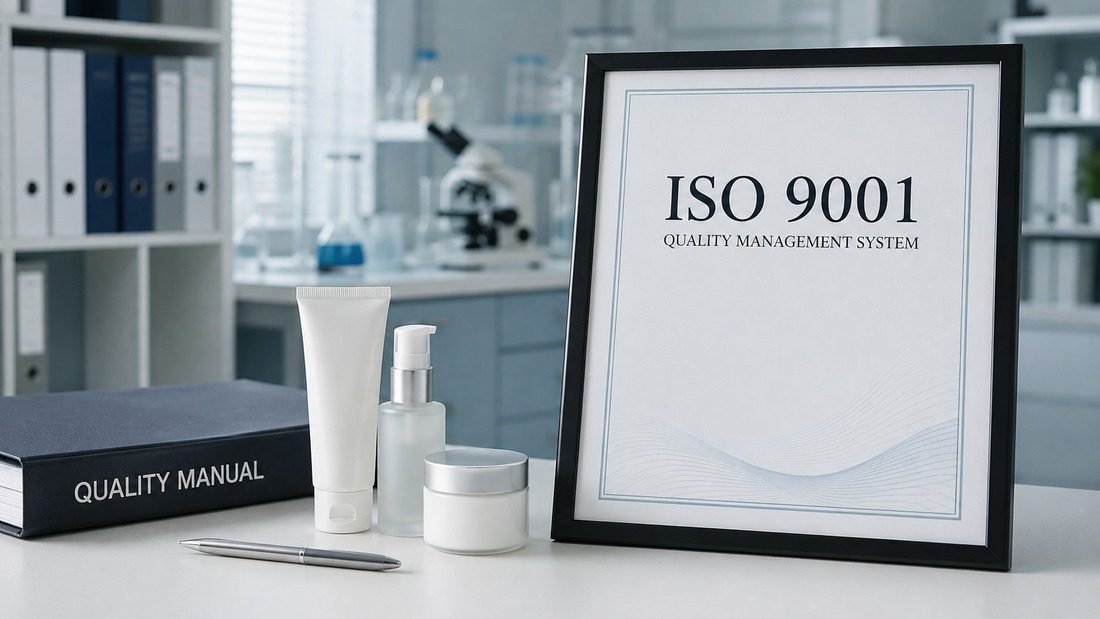
GMP and ISO 22716 are often used interchangeably, but ISO 22716 is a specific international standard for cosmetics GMP. It covers all aspects of production, from raw materials to finished goods. Certification involves an audit by an accredited body. Many retailers, including online marketplaces, require ISO 22716 certification. For e-commerce sellers, this certification signals quality and reduces liability risks. Ensure your manufacturer's certificate is current and covers the specific product categories.
Comparison Table: Certification Requirements by Market
| Certification | Market | Key Requirements | Typical Timeline | Estimated Cost |
|---|---|---|---|---|
| EU CPSR | European Union | Safety report by qualified assessor, ingredient compliance, labeling | 2-6 weeks | €500-€2,000 per product |
| FDA MoCRA | United States | Facility registration, product listing, safety substantiation, adverse event reporting | Ongoing (registration within 60 days of product launch) | Varies (registration fees apply) |
| Halal | Global (Muslim markets) | No haram ingredients, halal-certified supply chain, facility audit | 3-6 months | $2,000-$10,000 |
| GMP/ISO 22716 | Global | Quality management system, facility audit, documentation | 3-6 months (initial) | $5,000-$20,000 |
Practical Steps to Achieve Compliance
Achieving compliance requires a systematic approach. Follow these steps to streamline the process.
Step 1: Identify Target Markets
Determine where you plan to sell. Each market has unique requirements. For example, the EU demands CPSR, while the US requires MoCRA compliance. If you sell globally, you'll need multiple certifications. Prioritize markets based on your business strategy.
Step 2: Choose a Compliant Manufacturer
Your manufacturer is your partner in compliance. Select one that holds relevant certifications and can provide documentation. Ask for copies of their GMP/ISO 22716 certificates, CPSR support, and halal certification if needed. A reliable manufacturer will also assist with product testing and safety assessments. At Flavor Sources, we offer Facial & Body Mask manufacturing with full compliance support.
Step 3: Prepare Documentation
Compile all necessary documents, including safety reports, test results, and certificates. Ensure labeling meets local regulations (e.g., ingredient list, warnings, PAO symbol). For e-commerce, high-quality images of certifications can boost consumer trust.
Step 4: Test and Certify
Work with accredited labs for safety and efficacy testing. For halal certification, engage a recognized certification body. Plan for periodic audits to maintain compliance.
Case Studies: Compliance Success in Key Markets
Real-world examples illustrate the importance of compliance. These cases are anonymized but based on typical scenarios.
UK: EU CPSR Enables Market Entry
A UK-based e-commerce seller of clay masks wanted to expand to the EU. They partnered with a manufacturer that provided CPSR for each product variant. The process took 4 weeks, and the products successfully launched on Amazon EU. The seller reported a 30% increase in sales within three months, attributing part of the success to the trust generated by compliance badges.
UAE: Halal Certification Opens Doors
A Middle Eastern distributor sought to import facial masks to the UAE. They required halal certification. By sourcing from a halal-certified manufacturer, they obtained certification in 4 months. The products are now sold in major retail chains and online platforms, with strong demand from Muslim consumers.
US: FDA MoCRA Compliance Avoids Delays
A US-based startup launched a line of sheet masks. Their manufacturer was MoCRA-registered and provided safety substantiation. When Amazon requested compliance documentation, the seller could provide it promptly, avoiding listing suspension. The brand has since expanded to 10 SKUs.
Australia: ISO 22716 Satisfies Retailer Demands
An Australian e-commerce seller of body masks needed to meet the requirements of a major online retailer. The retailer demanded ISO 22716 certification. The seller switched to a certified manufacturer, and after an audit, the products were listed. Sales grew by 50% in the first quarter post-listing.
Frequently Asked Questions
What is the difference between EU CPSR and FDA MoCRA?
EU CPSR is a product-specific safety report required for the EU market, while FDA MoCRA is a set of US regulations requiring facility registration and product listing. Both aim to ensure safety but have different scopes and processes.
Do I need halal certification for all markets?
No, halal certification is only necessary for markets where consumers demand it, such as Muslim-majority countries. However, it can also be a differentiator in multicultural markets like the UK or US.
How long does it take to get ISO 22716 certification?
The initial certification process typically takes 3-6 months, depending on the manufacturer's readiness. Maintaining certification requires annual audits.
Can I sell facial masks on Amazon without CPSR?
If you sell in the EU, CPSR is legally required. Amazon may request it. For the US, MoCRA compliance is necessary. Always check Amazon's specific policies for cosmetics.
What are the costs associated with compliance?
Costs vary widely. EU CPSR can cost €500-€2,000 per product. Halal certification ranges from $2,000-$10,000. GMP/ISO 22716 certification for a manufacturer can be $5,000-$20,000. These are investments that enable market access.
How can I verify a manufacturer's certifications?
Request copies of certificates and verify with the issuing body. Check the scope and expiry date. Reputable manufacturers will be transparent and provide documentation promptly.

 Scan to WhatsApp
About the Author
David Zhang has spent years in skincare formulation and quality control at Flavor Sources, a GMP ISO 22716-certified private label manufacturer based in Dongguan, China, serving brands in 50+ countries since 2000. Reach out to David's team for a custom formula consultation →
Ready to Simplify Compliance?
Don't let certification complexities delay your product launch. Partner with a manufacturer that understands the regulatory landscape. At Flavor Sources, we provide end-to-end support for facial and body mask compliance, from formulation to certification. Whether you need EU CPSR, FDA MoCRA, halal, or ISO 22716, our team can guide you. Request a sample to experience our quality firsthand, or get a quote for your custom project. Let us help you navigate compliance with confidence.