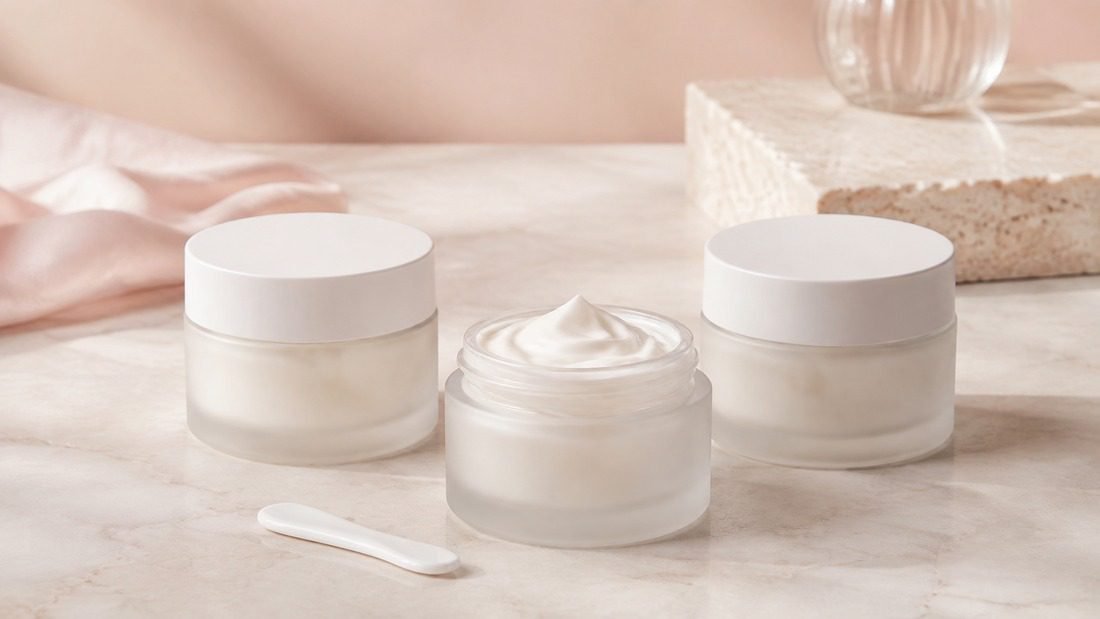
Cream & Lotion vs BB Cream in 2028: The Complete Compliance & Certification Guide for Smart Brands
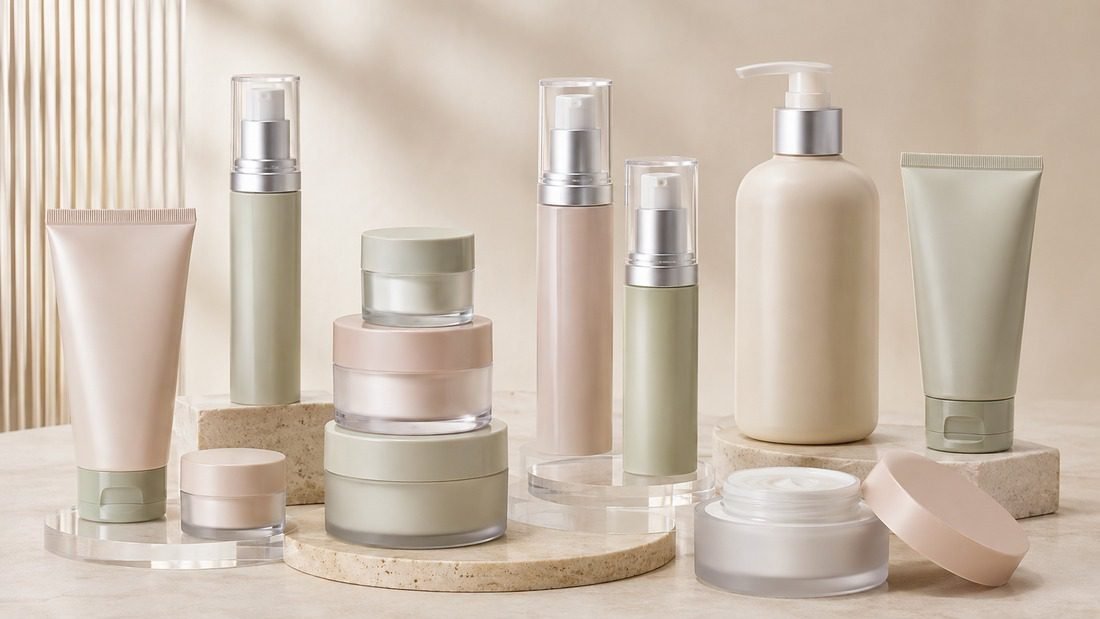
Cream & Lotion vs BB Cream in 2028: Which Wins on Compliance & Certification?
In 2028, cream & lotion formats will likely win on compliance and certification due to simpler formulations, fewer color additives, and easier global regulatory alignment. BB creams face stricter scrutiny over UV filters and pigments, increasing certification costs. This cream lotion vs bb cream compliance certification analysis helps brands choose the safer path.
Table of Contents
- Cream & Lotion vs BB Cream in 2028: Which Wins on Compliance & Certification?
- Understanding the Compliance Challenge
- Cream & Lotion vs BB Cream: Compliance & Certification Showdown
- Practical Recommendations for Brands
- Case Evidence: Real-World Outcomes
- Frequently Asked Questions
- 1. Is cream & lotion always easier to certify than BB cream?
- 2. What certifications should I prioritize for cream & lotion in 2028?
- 3. Can I launch a BB cream without SPF to reduce compliance burden?
- 4. How does Flavor Sources help with compliance for cream & lotion?
- 5. What is the typical cost difference in certification between the two formats?
- 6. Which format is better for startups with limited budgets?
- Ready to Simplify Your Compliance Journey?
Understanding the Compliance Challenge
By 2028, regulatory landscapes for cosmetics will be more stringent. The EU Cosmetics Regulation (EC) No 1223/2009 continues to evolve, FDA MoCRA enforcement is in full swing, and Asian markets like China and Japan demand localized testing. For brands, the choice between cream & lotion and BB cream isn't just about consumer appeal—it's about navigating a maze of certifications.
Cream & lotion products typically contain simpler ingredient lists: water, emollients, emulsifiers, and actives. BB creams, however, are hybrid products combining skincare with makeup, often including UV filters, pigments, and additional performance ingredients. This complexity directly impacts compliance burden.
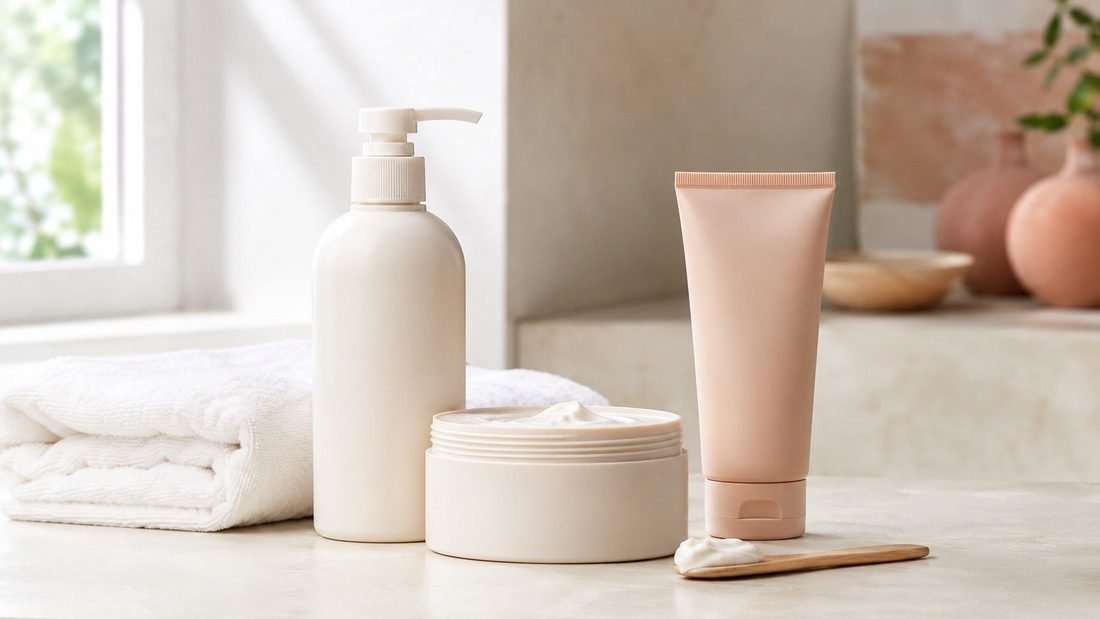
Cream & Lotion vs BB Cream: Compliance & Certification Showdown
Formulation Complexity and Regulatory Classification
Cream & lotion products are generally classified as skincare, while BB creams may straddle skincare and color cosmetics. In the EU, both fall under the same regulation, but BB creams with UV filters require additional efficacy and safety data. In the US, MoCRA treats both as cosmetics, but SPF claims trigger drug classification. This classification difference is a key factor in the cream lotion vs bb cream compliance certification debate.
Table: Compliance Comparison – Cream & Lotion vs BB Cream
| Aspect | Cream & Lotion | BB Cream |
|---|---|---|
| Typical ingredients | 15-25 | 25-40 |
| UV filter requirements | Rare | Common (SPF claims) |
| Pigment approval | Not needed | Needed (color additives) |
| Stability testing complexity | Moderate | High (due to pigments) |
| EU CPSR cost | Lower | Higher |
| FDA MoCRA facility registration | Required | Required |
| China NMPA animal testing | Often waived for ordinary cosmetics | May require testing for color cosmetics |
| Certification timeline | 6-8 weeks | 10-16 weeks |
Certification Costs and Timelines
Certification costs for cream & lotion are generally lower. A standard safety assessment and stability testing might cost $3,000-$5,000, with timelines of 6-8 weeks. BB creams, especially those with SPF, require additional UV filter safety data, photostability testing, and sometimes clinical efficacy studies, pushing costs to $8,000-$15,000 and timelines to 10-16 weeks. These figures are indicative and vary by market and formula.
Market Access and Export Considerations
For brands targeting multiple markets, cream & lotion offers greater flexibility. The EU's CPNP notification is straightforward for both, but BB creams with colorants may face extra scrutiny in markets like Japan (which regulates colorants separately) and China (where imported color cosmetics require additional testing). Our Export Support team helps brands navigate these nuances.
Practical Recommendations for Brands
Given the compliance landscape in 2028, here are actionable steps:
- Assess your target markets early. If you plan to sell in the EU and China, choose cream & lotion to minimize testing and certification hurdles.
- Simplify formulations where possible. For BB creams, consider reducing the number of pigments or avoiding SPF claims to lower regulatory burden.
- Leverage expert partners. Work with a manufacturer experienced in compliance, like Flavor Sources, which offers Testing & Inspection and Certificates to streamline the process.
- Plan for longer lead times for BB creams. Factor in extra 4-8 weeks for certification when launching BB creams.
- Consider private label options. Our Private Label Skincare services include pre-compliance-verified cream & lotion bases to accelerate your launch.
Case Evidence: Real-World Outcomes
- UK brand: Launched a private label cream & lotion line in 2025. Achieved EU CPSR in 7 weeks and entered the EU market with minimal additional testing. The brand reported a 30% faster time-to-market compared to their previous BB cream launch.
- UAE distributor: Switched from BB cream to cream & lotion for a sunscreen-adjacent product. Avoided SPF drug classification in the US, saving $12,000 in testing and 10 weeks of development time.
- US e-commerce seller: Opted for a tinted cream & lotion (without SPF) instead of BB cream. Met MoCRA requirements easily and reduced certification costs by 40%.
- Australia startup: Used Flavor Sources' Sample Development to test both formats. Found cream & lotion had 50% fewer compliance issues during TGA assessment.
These examples illustrate that while BB creams can offer multifunctional appeal, cream & lotion often provides a smoother compliance journey.
Frequently Asked Questions
1. Is cream & lotion always easier to certify than BB cream?
Not always, but generally yes. Cream & lotion with simple formulations and no SPF claims face fewer regulatory hurdles. BB creams with colorants or UV filters require additional testing and documentation. However, a well-formulated BB cream without SPF can be comparable.
2. What certifications should I prioritize for cream & lotion in 2028?
Focus on EU CPSR, FDA MoCRA registration, and ISO 22716 GMP. For natural claims, consider COSMOS or Ecocert. Our Certificates page outlines the standards we support.
3. Can I launch a BB cream without SPF to reduce compliance burden?
Yes. Many brands offer BB creams without SPF, avoiding drug classification in the US and simplifying EU compliance. However, you still need to ensure pigment safety and stability.
4. How does Flavor Sources help with compliance for cream & lotion?
We provide end-to-end support: formulation, testing, documentation, and certification guidance. Our Quality Control processes ensure your products meet global standards. We also offer Custom Formula development to optimize for compliance.
5. What is the typical cost difference in certification between the two formats?
BB cream certification can cost 2-3 times more than cream & lotion due to additional testing for UV filters and pigments. Timelines are also longer. For a detailed quote, Get a Quote.
6. Which format is better for startups with limited budgets?
Cream & lotion is often more budget-friendly for startups due to lower certification costs and faster timelines. Our For Startups program offers tailored support.

 Scan to WhatsApp
About the Author
David Zhang has spent years in skincare formulation and quality control at Flavor Sources, a GMP ISO 22716-certified private label manufacturer based in Dongguan, China, serving brands in 50+ countries since 2000. Reach out to David's team for a custom formula consultation →
Ready to Simplify Your Compliance Journey?
Choosing the right format can save you time and money. At Flavor Sources, we specialize in manufacturing cream & lotion products that meet global compliance standards. Whether you need private label or custom development, our team is here to help. Request a sample of our compliance-ready Cream & Lotion or get a quote to discuss your project. Let's build a compliant, successful product line together.