Serum vs Essence Formulation: Essential 2027 Ingredient Sourcing Guide
When deciding between serum and essence for your skincare line, the choice hinges on formulation and ingredient sourcing. Serums are typically water-based or oil-based with high concentrations of active ingredients, while essences are lighter, often water-based with lower active levels. For 2027, understanding serum vs essence formulation ingredient sourcing is critical to align with market trends and regulatory demands.
Table of Contents
- Understanding the Serum and Essence Confusion
- Formulation and Ingredient Sourcing Comparison
- Practical Sourcing and Development Advice
- Case Examples from Global Markets
- Frequently Asked Questions
- 1. What is the main difference between serum and essence in formulation?
- 2. Which is more cost-effective to source: serum or essence?
- 3. Can I use the same ingredients for both serum and essence?
- 4. What regulations affect serum and essence sourcing?
- 5. How do I choose between serum and essence for my brand?
- Ready to Develop Your Serum or Essence?
Understanding the Serum and Essence Confusion
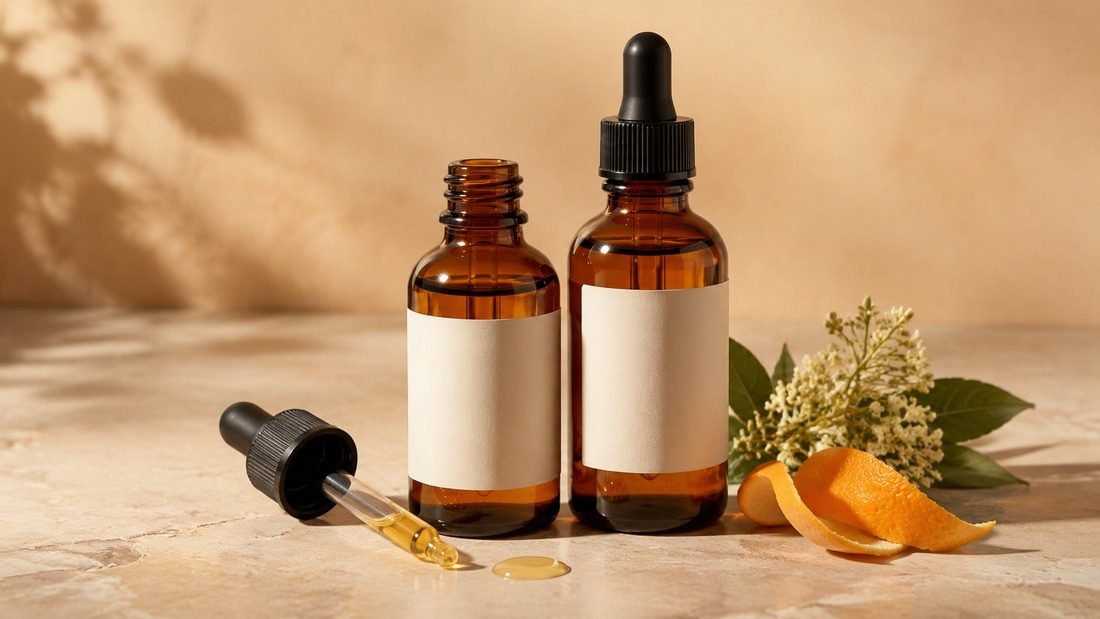
Brand owners often confuse serums and essences due to overlapping marketing claims. However, from a formulation perspective, they differ in viscosity, active concentration, and base composition. This confusion can lead to misaligned sourcing strategies, affecting cost and efficacy. Clarifying these differences is the first step in effective product development.
Formulation and Ingredient Sourcing Comparison
Key Formulation Differences
Serums are concentrated formulations, often with actives like hyaluronic acid, vitamin C, or peptides at higher percentages. They may be water-based, oil-based, or emulsions. Essences are typically watery, with lower active concentrations, focusing on hydration and gentle exfoliation. The table below summarizes the key differences.
| Aspect | Serum | Essence |
|---|---|---|
| Active Concentration | High (often 5-20%) | Low (often 1-5%) |
| Base | Water, oil, or emulsion | Mostly water |
| Viscosity | Variable, often thicker | Thin, watery |
| Function | Targeted treatment | Hydration, prep |
| Sourcing Complexity | High (specialty actives) | Moderate (common humectants) |
Ingredient Sourcing Considerations
Sourcing for serums requires stringent quality control for actives, as their efficacy and stability are paramount. Essences, with simpler formulas, may allow for more flexible sourcing. However, both require compliance with regulations such as EU CPSR and FDA MoCRA. For serums, consider suppliers with certified purity and traceability. For essences, focus on consistent quality of base ingredients.
Practical Sourcing and Development Advice
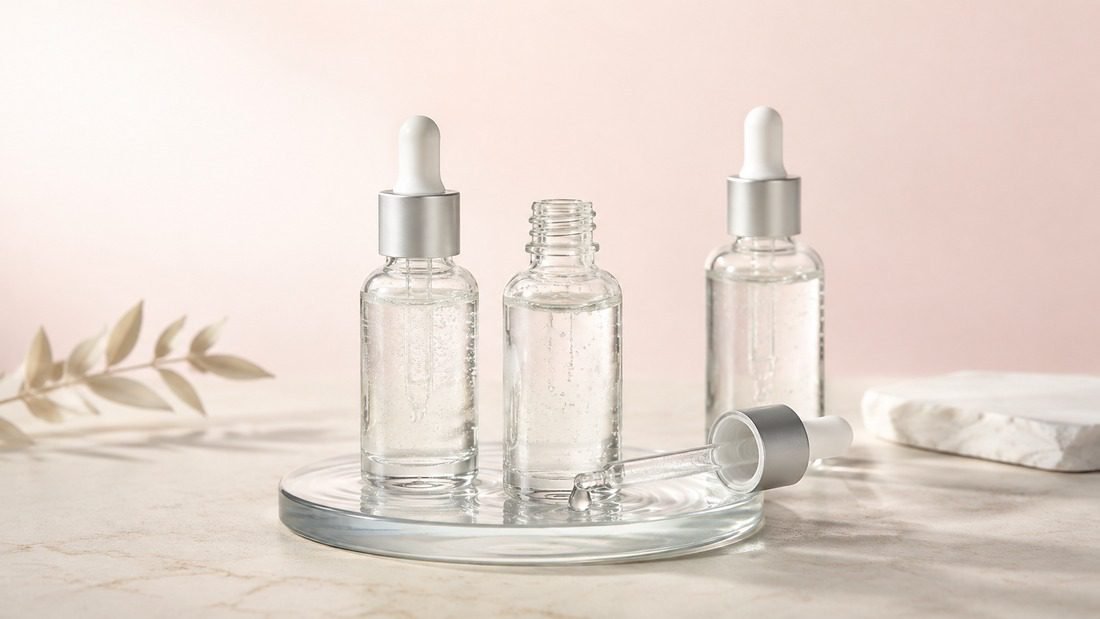
When developing a serum, prioritize sourcing from suppliers with proven stability data and certifications. For essences, streamline sourcing by using common humectants and botanical extracts. Consider private label options to reduce development time. Always request samples to test compatibility and sensory attributes. Engage with manufacturers early to align on formulation and sourcing strategies.
Case Examples from Global Markets
In the UK, a brand launched a vitamin C serum using ethically sourced actives, achieving strong sales. In the UAE, a hydrating essence with locally sourced floral waters gained popularity. Australian brands often focus on native botanical extracts in essences, while US brands leverage advanced delivery systems in serums. These cases highlight the importance of aligning sourcing with market preferences.
Frequently Asked Questions
1. What is the main difference between serum and essence in formulation?
Serums have higher active concentrations and variable bases, while essences are water-based with lower actives.
2. Which is more cost-effective to source: serum or essence?
Essences generally have lower ingredient costs due to simpler formulas, but serums offer higher perceived value.
3. Can I use the same ingredients for both serum and essence?
Some ingredients overlap, but concentrations and bases differ significantly, affecting sourcing strategies.
4. What regulations affect serum and essence sourcing?
Both must comply with regional regulations like EU CPSR and FDA MoCRA, but serums may require additional stability testing.
5. How do I choose between serum and essence for my brand?
Consider your target market, desired efficacy, and budget. Serums suit targeted treatments, while essences are ideal for hydration-focused lines.

 Scan to WhatsApp
About the Author
David Zhang has spent years in skincare formulation and quality control at Flavor Sources, a GMP ISO 22716-certified private label manufacturer based in Dongguan, China, serving brands in 50+ countries since 2000. Reach out to David's team for a custom formula consultation →
Ready to Develop Your Serum or Essence?
At Flavor Sources, we specialize in custom formulation and private label manufacturing for serums and essences. Whether you need a high-performance Serum or a gentle essence, our team can guide you through ingredient sourcing and production. Request a sample or get a quote to start your project today. For more insights, explore our custom formula services and quality control processes.