Facial & Body Mask vs Clay Mask: Ultimate Quality Control Guide for 2026 Product Lines
When comparing facial body mask vs clay mask quality control for your 2026 product line, the key difference lies in formulation complexity and testing protocols. Facial and body masks often require multi-phase stability testing, while clay masks demand precise mineral content and microbial control. Both need rigorous QC to ensure safety and efficacy.
Table of Contents
- Understanding the Quality Control Challenge
- Key Differences in Quality Control: Facial & Body Mask vs Clay Mask
- Practical Quality Control Implementation for 2026
- Case Studies: Quality Control in Action
- Frequently Asked Questions
- 1. What are the key quality control differences between facial/body masks and clay masks?
- 2. How long does stability testing take for masks?
- 3. Do I need different preservative systems for clay masks?
- 4. What certifications should I look for in an OEM for mask production?
- 5. How can I ensure my clay mask meets heavy metal limits?
- 6. What is the typical lead time for quality control testing?
- Ready to Launch Your 2026 Mask Line?
Understanding the Quality Control Challenge
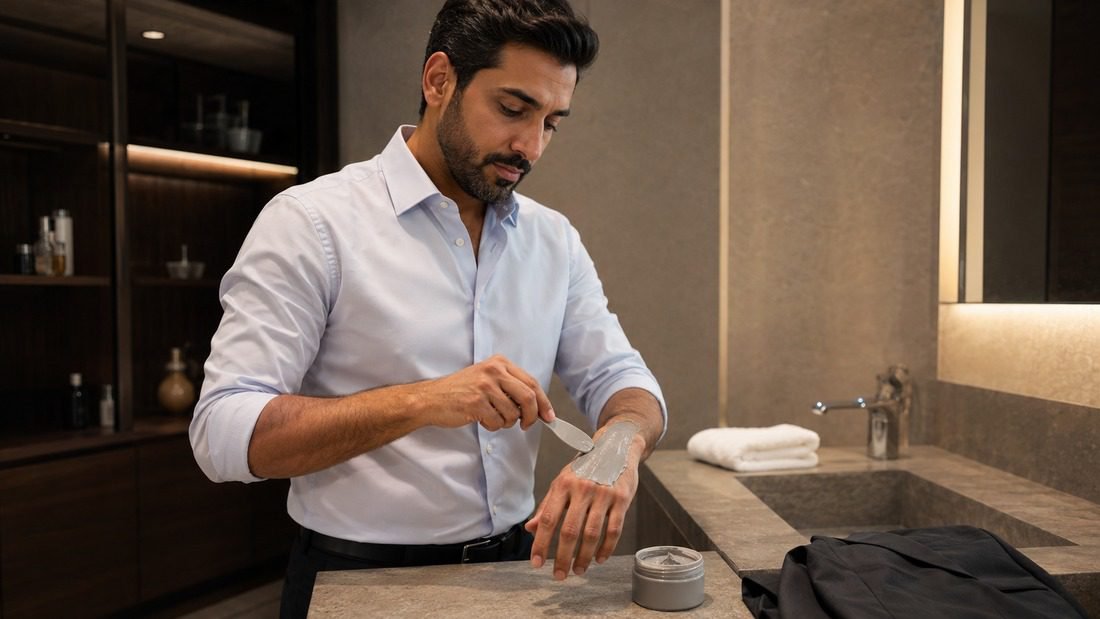
Developing a facial or body mask for 2026 means navigating a maze of quality control requirements. Unlike simple leave-on products, masks involve unique challenges: varying application times, rinse-off vs leave-on formats, and diverse skin types. Clay masks add another layer—literally—with mineral compositions that can interact with preservatives and packaging. Without a tailored QC plan, brands risk instability, microbial contamination, or inconsistent texture. This article breaks down the critical differences in facial body mask vs clay mask quality control, offering actionable insights for brand owners, importers, and distributors seeking reliable manufacturing partners.
Key Differences in Quality Control: Facial & Body Mask vs Clay Mask
Formulation and Stability Testing
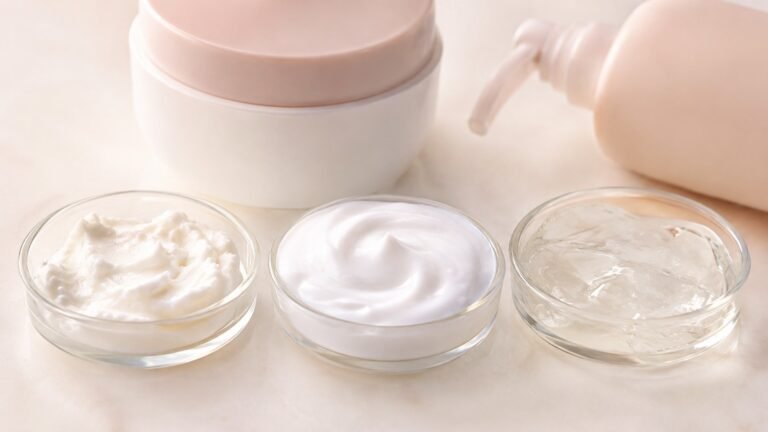
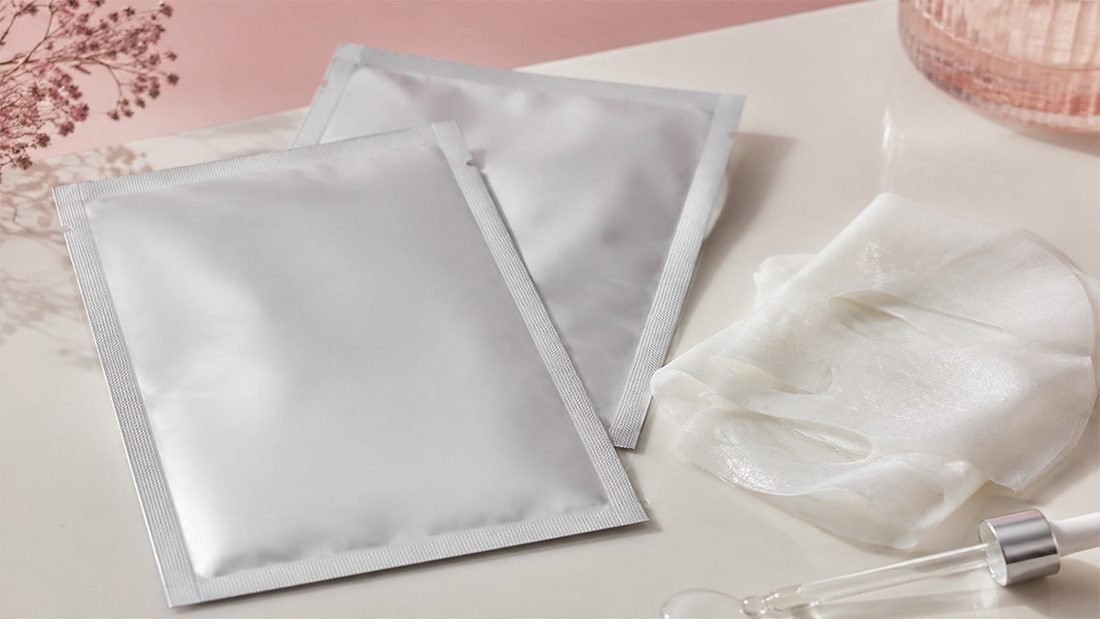
Facial and body masks encompass a wide range of formats: sheet masks, gel masks, cream masks, and peel-off masks. Each requires specific stability testing. For example, sheet masks must be tested for compatibility between the essence and the nonwoven fabric, while cream masks need accelerated stability to ensure emulsion integrity. In contrast, clay masks are suspension systems where solid particles (kaolin, bentonite) can settle over time. Quality control for clay masks focuses on viscosity, sedimentation rate, and re-dispersibility. A 2026 product line must account for these differences: facial/body masks typically undergo 12-week accelerated stability at 40°C/75% RH, while clay masks may require additional freeze-thaw cycles to assess particle stability.
Microbiological Control
Both mask types are prone to microbial growth due to high water activity. However, clay masks pose a unique risk: natural clays can harbor spores and bacteria. Quality control must include raw material bioburden testing and finished product challenge tests (ISO 11930). Facial and body masks, especially those with natural extracts, also need preservative efficacy tests. A robust QC program for facial body mask vs clay mask quality control will differentiate these risks and implement targeted mitigation.
Table: Quality Control Comparison
| QC Parameter | Facial & Body Mask | Clay Mask |
|---|---|---|
| Stability testing | 12-week accelerated; focus on emulsion and pH drift | 12-week accelerated + freeze-thaw; focus on sedimentation and viscosity |
| Microbial testing | Challenge test (ISO 11930); preservative efficacy | Challenge test + raw clay bioburden; spore-forming bacteria screening |
| Packaging compatibility | Essential for sheet masks (essence-fabric interaction) | Critical for tubes/jars (clay drying, cap integrity) |
| Performance testing | Skin hydration, absorption (instrumental) | Cleansing efficacy, oil absorption (sebumetry) |
| Regulatory compliance | CPSR (EU), MoCRA (US), ASEAN guidelines | Same, plus heavy metal testing for clay |
Raw Material Sourcing and Testing
For facial and body masks, raw materials like hyaluronic acid, vitamins, and botanical extracts require certificate of analysis (CoA) and identity testing. Clay masks demand extra scrutiny: heavy metals (lead, arsenic, mercury) and mineral composition must be verified. Suppliers should provide full traceability. In 2026, with tightening regulations, brands must ensure their OEM partner conducts comprehensive raw material testing.
Practical Quality Control Implementation for 2026
To ensure a successful product launch, integrate these QC steps into your manufacturing timeline:
- Early Supplier Qualification: Audit your OEM's quality system (ISO 22716, GMP). Request Certificates and review their Quality Control processes.
- Formulation Review: For facial body mask vs clay mask quality control, insist on a stability protocol that matches the product format. Use Custom Formula services to tailor the formulation for stability.
- Packaging Compatibility: Test packaging with the final formula. For clay masks, check for drying and cap sealing. For sheet masks, ensure essence compatibility. Leverage Packaging Design support.
- Microbial Risk Assessment: Implement a preservative efficacy test and, for clay masks, raw material bioburden testing. Partner with a manufacturer that follows Testing & Inspection protocols.
- Scale-Up and Process Validation: During Bulk Production, monitor critical parameters (mixing time, temperature) to ensure consistency.
- Regulatory Compliance: For export to EU, US, or ASEAN, ensure your partner provides Export Support and complies with local regulations. Reference EU CPSR guidelines from European Commission or US FDA MoCRA.
Case Studies: Quality Control in Action
- UK Brand: A UK skincare brand launched a clay mask line without heavy metal testing, leading to a recall. After partnering with a QC-focused OEM, they implemented raw material screening and passed EU compliance.
- UAE Distributor: A distributor sourced facial masks from an unverified supplier and faced microbial contamination issues. By switching to an OEM with ISO 22716 certification and rigorous challenge testing, they achieved consistent quality.
- US E-commerce Seller: An online seller introduced a sheet mask range; stability testing revealed essence-fabric incompatibility. With proper Sample Development and stability protocols, they reformulated and launched successfully.
- Australian Spa Chain: A spa chain required clay masks with consistent texture. Their OEM implemented freeze-thaw testing and viscosity controls, ensuring product performance across batches.
These examples highlight the importance of tailored QC for facial body mask vs clay mask quality control. For more insights, explore our Case Studies.
Frequently Asked Questions
1. What are the key quality control differences between facial/body masks and clay masks?
Facial and body masks focus on emulsion stability and preservative efficacy, while clay masks require additional testing for sedimentation, heavy metals, and microbial bioburden from raw materials.
2. How long does stability testing take for masks?
Typically 12 weeks for accelerated testing, but clay masks may need additional freeze-thaw cycles, extending to 16 weeks.
3. Do I need different preservative systems for clay masks?
Yes, clay masks often require preservative systems that are effective in the presence of clay particles, which can adsorb preservatives. Challenge testing is essential.
4. What certifications should I look for in an OEM for mask production?
Look for ISO 22716 (GMP), ISO 9001, and evidence of compliance with EU CPSR or FDA MoCRA. Request Factory Tour to verify.
5. How can I ensure my clay mask meets heavy metal limits?
Require your OEM to provide heavy metal testing reports for each batch of clay raw material, and ensure they follow a robust supplier qualification program.
6. What is the typical lead time for quality control testing?
Microbial and stability testing can take 4-6 weeks, so plan your timeline accordingly. Early involvement of your OEM's QC team is crucial.

 Scan to WhatsApp
About the Author
David Zhang has spent years in skincare formulation and quality control at Flavor Sources, a GMP ISO 22716-certified private label manufacturer based in Dongguan, China, serving brands in 50+ countries since 2000. Reach out to David's team for a custom formula consultation →
Ready to Launch Your 2026 Mask Line?
Ensure your product meets the highest quality standards. Whether you need a Facial & Body Mask or a clay mask, our team at Flavor Sources provides comprehensive QC support. Request a sample or get a quote today to discuss your project. Let us help you navigate facial body mask vs clay mask quality control with confidence.