Baby Care vs Baby Wash? A Complete 2028 Guide to Formulation & Ingredient Sourcing
When comparing baby care vs baby wash formulation ingredient sourcing for your 2028 product line, the key difference lies in product format and mildness requirements: baby wash typically demands ultra-mild surfactants and tear-free claims, while baby care covers a broader range of leave-on and rinse-off products with varied sourcing needs. Understanding these distinctions is essential for efficient product development.
Table of Contents
- Understanding the Core Differences: Baby Care vs Baby Wash
- Formulation Nuances: Surfactants, Emollients, and More
- Ingredient Sourcing Strategies for Baby Products
- Practical Tips for Your 2028 Product Line
- Case Studies: Real-World Examples
- Frequently Asked Questions
- Ready to Develop Your 2028 Baby Care Line?

Understanding the Core Differences: Baby Care vs Baby Wash
Baby care and baby wash are often used interchangeably, but they represent distinct product categories with different formulation and sourcing requirements. Baby wash refers specifically to rinse-off cleansers such as body wash, shampoo, and bubble bath. Baby care, on the other hand, encompasses a wider array of products including lotions, creams, oils, balms, and powders. This distinction matters because rinse-off products face different regulatory and safety considerations than leave-on products. For brands planning a 2028 line, clarifying these categories upfront prevents costly reformulations and sourcing missteps.
Formulation Nuances: Surfactants, Emollients, and More
Baby Wash Formulation Essentials
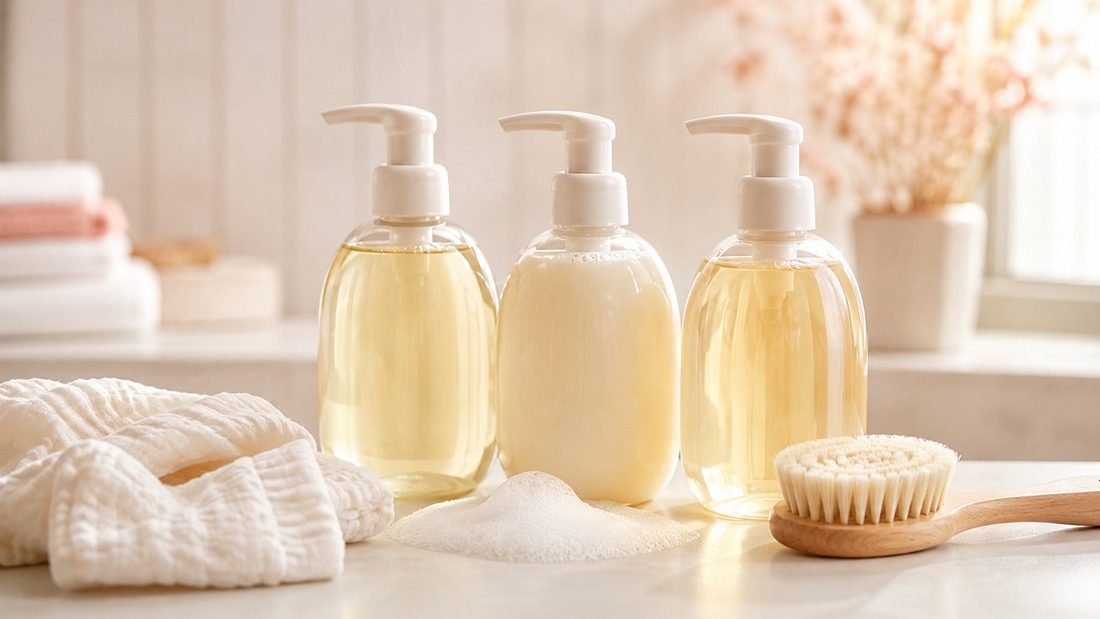
Baby wash formulations prioritize mildness. They typically use amphoteric and non-ionic surfactants like cocamidopropyl betaine and glucosides to reduce irritation. The goal is to cleanse gently without stripping the skin's natural oils. Tear-free claims require careful pH balancing and surfactant selection. Preservatives must be mild yet effective, often using food-grade or nature-identical options. Ingredient sourcing for baby wash focuses on high-purity surfactants with low impurity profiles to minimize potential irritants.
Baby Care Formulation Essentials
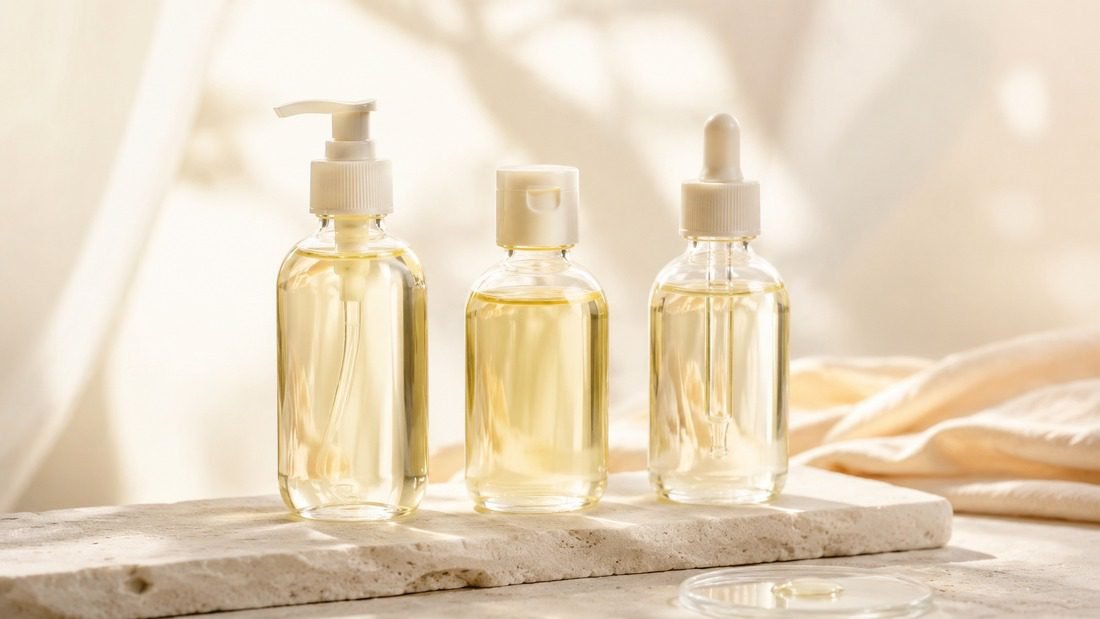
Baby care products like lotions and creams emphasize moisturization and barrier support. They rely on emollients such as plant oils, shea butter, and squalane, along with humectants like glycerin. Emulsifiers must be mild and stable. For leave-on products, the ingredient sourcing strategy prioritizes skin-compatible oils and butters with minimal processing. Preservation is critical due to higher water activity in some formats, requiring broad-spectrum preservatives that are safe for delicate skin.
Comparison Table: Key Formulation Aspects
| Aspect | Baby Wash | Baby Care (Leave-on) |
|---|---|---|
| Primary function | Gentle cleansing | Moisturizing, protection |
| Key ingredients | Mild surfactants, humectants | Emollients, occlusives, humectants |
| pH target | 5.5-7.0 (tear-free) | 5.0-6.0 (skin-friendly) |
| Preservation challenge | Rinse-off, lower risk | Leave-on, higher risk |
| Ingredient sourcing focus | High-purity surfactants | Skin-compatible oils and butters |
Ingredient Sourcing Strategies for Baby Products
Sourcing ingredients for baby products requires a rigorous approach. Suppliers must provide documentation on purity, origin, and safety. For baby wash, focus on surfactants with low levels of impurities like 1,4-dioxane and free amines. For baby care, prioritize oils with certified organic status and sustainable sourcing. Building a resilient supply chain means qualifying multiple suppliers and verifying their adherence to standards such as ISO 16128 for natural ingredients. In 2028, expect increased demand for traceable, ethically sourced ingredients. Working with a manufacturer that has established supplier relationships, like Flavor Sources, can streamline this process. Our Baby Care range exemplifies how we source and formulate with safety in mind.
Practical Tips for Your 2028 Product Line
- Define your product mix early: Decide whether you will offer rinse-off, leave-on, or both. This influences sourcing and manufacturing.
- Prioritize safety assessments: Ensure all ingredients have safety data and are compliant with regulations like EU CPSR or FDA MoCRA.
- Leverage certified suppliers: Choose suppliers with certifications such as ECOCERT or COSMOS for natural ingredients.
- Test prototypes rigorously: Conduct stability and compatibility testing, especially for leave-on products.
- Plan for scalability: Work with a manufacturer that can scale from sample to bulk production without compromising quality.
Case Studies: Real-World Examples
- UK brand: A UK-based brand launched a tear-free baby wash using glucoside surfactants. By sourcing from certified suppliers, they achieved a mild formulation that passed ophthalmologist testing. The product line expanded to include a matching lotion, sourced with organic shea butter.
- UAE distributor: A distributor in the UAE needed a complete baby care line for a retail chain. We helped them source mild surfactants and emollients, ensuring halal certification and compliance with Gulf standards. The line included wash, lotion, and oil, all developed within six months.
- US e-commerce seller: An e-commerce seller in the US wanted a private label baby wash. We provided formulation and sourcing support, focusing on sulfate-free surfactants and natural preservatives. The product launched successfully and received positive reviews for gentleness.
- Australian startup: A startup in Australia developed a baby balm using locally sourced macadamia oil and beeswax. We assisted with ingredient sourcing and stability testing, ensuring the product met Australian regulatory requirements.
Frequently Asked Questions
What is the main difference between baby care and baby wash?
Baby wash refers to rinse-off cleansers like body wash and shampoo, while baby care encompasses a broader range of products including lotions, creams, and oils. The distinction affects formulation and regulatory pathways.
How do I choose ingredients for baby wash?
Select mild surfactants such as glucosides or betaines with low impurity levels. Ensure they are ophthalmologist-tested if making tear-free claims. Work with suppliers who provide full documentation.
What certifications should I look for in ingredient suppliers?
Look for ISO 16128 for natural origin, ECOCERT or COSMOS for organic, and safety data sheets. For baby products, additional testing like HRIPT may be required.
Can I use the same ingredients for baby wash and baby care?
Some ingredients like glycerin and mild preservatives can be used across both, but surfactants are specific to wash, while emollients are key for leave-on products. Formulations must be tailored.
How long does it take to develop a baby care product line?
Timelines vary, but typically 3-6 months from concept to production, including formulation, testing, and packaging. Working with an experienced manufacturer can expedite the process.

 Scan to WhatsApp
About the Author
David Zhang has spent years in skincare formulation and quality control at Flavor Sources, a GMP ISO 22716-certified private label manufacturer based in Dongguan, China, serving brands in 50+ countries since 2000. Reach out to David's team for a custom formula consultation →
Ready to Develop Your 2028 Baby Care Line?
Whether you're focusing on baby wash or a full baby care range, the right partner makes all the difference. Flavor Sources offers end-to-end support, from custom formulation to ingredient sourcing and packaging. To get started, request a free sample or get a quote today. Let us help you bring safe, effective baby products to market.