Baby Care vs Baby Wash Lead Time & Logistics: 2028 Complete Guide for Smart Buyers
When comparing baby care vs baby wash lead time logistics, the key difference lies in formulation complexity and packaging: baby wash typically requires simpler formulations and standard bottles, leading to shorter production runs and easier shipping, while baby care products (creams, lotions, balms) often involve more complex formulations and diverse packaging, extending lead times and complicating logistics. Understanding these differences is essential for efficient supply chain planning in 2028.
Table of Contents
- Defining the Comparison: Baby Care vs Baby Wash
- Lead Time Factors: Production and Sourcing
- Logistics Considerations: Shipping and Inventory
- Practical Recommendations for Brands
- Case Evidence: Real-World Scenarios
- FAQ
- What is the typical lead time for private label baby wash?
- Does baby care require special shipping conditions?
- How does order volume affect lead time?
- Which format is more cost-effective for e-commerce?
- Can I combine baby care and baby wash in one shipment?
- What certifications are important for baby care products?
- Ready to Optimize Your Baby Care Supply Chain?

Defining the Comparison: Baby Care vs Baby Wash
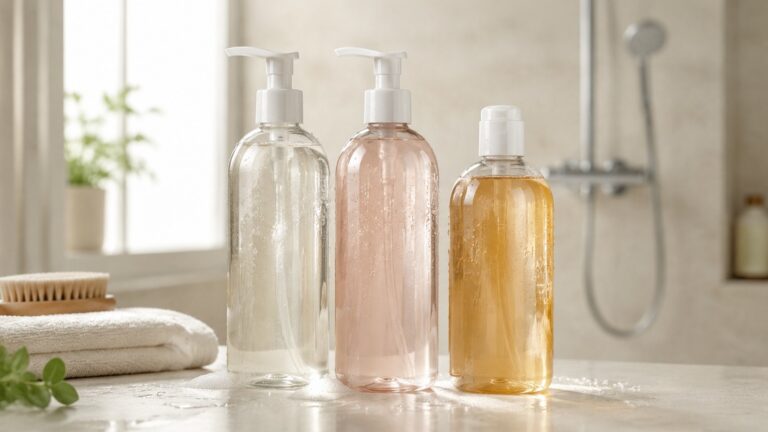
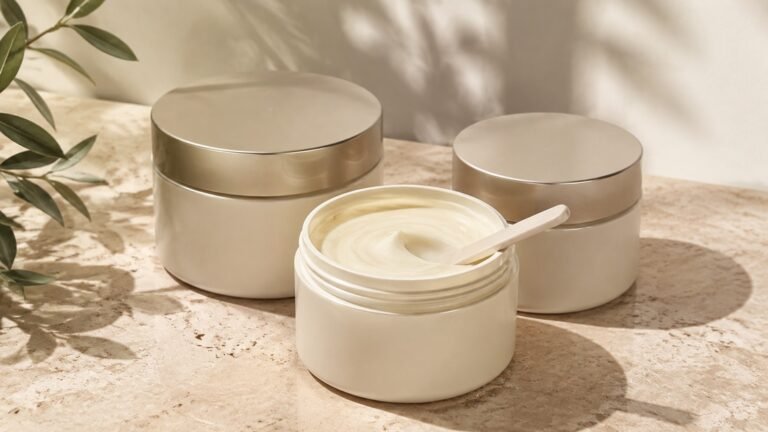
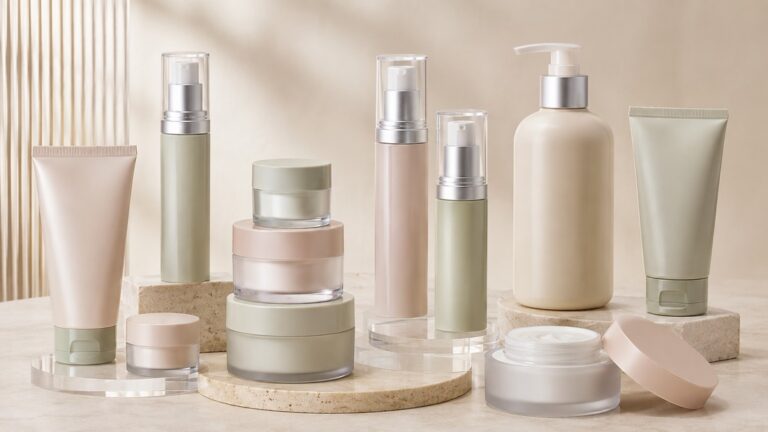
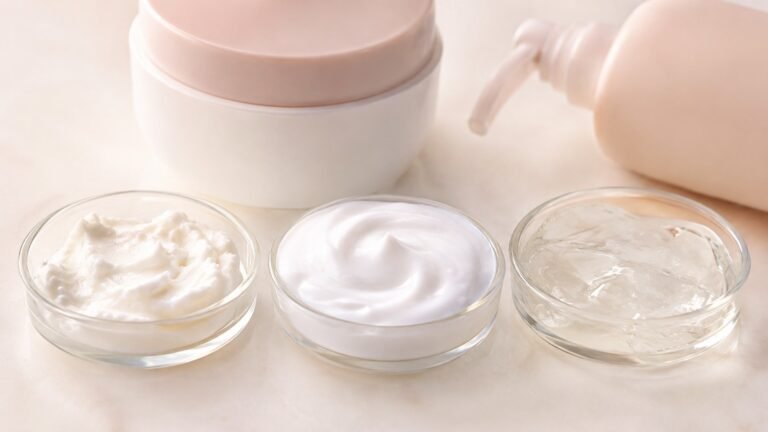
In the context of private label manufacturing, “baby care” refers to a broad category of topical products designed for infants and children, including creams, lotions, balms, and oils. These products often require gentle, hypoallergenic formulations and may involve specialized packaging such as tubes, jars, or pumps. “Baby wash,” on the other hand, typically refers to liquid cleansers such as body wash, shampoo, or bubble bath, usually packaged in bottles with flip-top or pump dispensers.
The distinction matters for lead time and logistics because each format has different requirements for formulation, filling, and shipping. For a deeper dive into baby care product types, see our Baby Care range. This comparison focuses on the operational aspects that impact your supply chain.
Lead Time Factors: Production and Sourcing
Lead time for baby care products is influenced by several factors. Formulations for creams and lotions often require emulsifiers, thickeners, and preservative systems that need stability testing, adding 2-4 weeks to development. Packaging for these products, such as airless pumps or jars, may have longer procurement lead times. In contrast, baby wash formulations are typically simpler aqueous systems with surfactants, requiring less complex testing and standard bottle packaging that is widely available.
According to industry benchmarks, the average lead time for private label baby care products ranges from 8-12 weeks, while baby wash can be 6-10 weeks, depending on order volume and customization. These estimates align with data from Grand View Research on the baby care market. For a detailed breakdown of our production process, visit Production Process.
Table: Lead Time Comparison by Format
| Factor | Baby Care (Creams/Lotions) | Baby Wash (Liquid Cleansers) |
|---|---|---|
| Formulation complexity | High (emulsions, stability testing) | Low (aqueous solutions) |
| Typical development time | 4-6 weeks | 2-4 weeks |
| Packaging procurement | 4-8 weeks (specialty packaging) | 2-4 weeks (standard bottles) |
| Production run | 3-4 weeks | 2-3 weeks |
| Total lead time (estimate) | 11-18 weeks | 6-11 weeks |

Logistics Considerations: Shipping and Inventory
Logistics for baby care vs baby wash also differ. Baby wash, being a liquid, is heavier per unit volume, which can increase shipping costs, especially for air freight. However, its standard bottle packaging often allows for more efficient palletization. Baby care products, while lighter, may require temperature-controlled shipping for certain formulations (e.g., those with natural oils that can degrade in heat), adding cost and complexity.
Inventory management: baby wash has a longer shelf life (typically 2-3 years) and is less prone to spoilage, reducing the risk of write-offs. Baby care products with natural ingredients may have shorter shelf lives (1-2 years) and require more careful stock rotation. For brands sourcing from overseas, these factors impact total landed cost. Our Export Support team can help navigate these logistics challenges.
Practical Recommendations for Brands
When deciding between baby care and baby wash for your private label line, consider your target market and sales channels. For e-commerce sellers, baby wash may be more forgiving in logistics due to its durability and longer shelf life. For spa and salon clients, baby care products with premium packaging can enhance perceived value. Startups may prefer baby wash for lower initial investment and faster time-to-market.
We recommend conducting a total cost analysis that includes lead time, shipping, and inventory holding costs. For custom formulation needs, our Custom Formula service can help optimize for both efficacy and manufacturability. Also, consider our Sample Development to test prototypes before committing to bulk production. For brands focused on sustainability, packaging choices can significantly affect logistics; our Packaging Design team can advise on lightweight, shippable options.

Case Evidence: Real-World Scenarios
A UK-based brand launched a baby wash line and achieved a 7-week lead time from order to delivery by using standard bottles and a stock formulation. In contrast, a UAE brand developing a premium baby care cream with custom packaging faced a 14-week lead time due to stability testing and imported airless pumps. In the US, an e-commerce seller reduced shipping costs by 15% by switching from baby care lotion to baby wash, leveraging the product's longer shelf life and lower damage rate. An Australian distributor found that baby wash required less warehouse space per unit due to efficient pallet configuration, cutting storage costs by 10%.
These cases illustrate how format choice impacts logistics. For more insights, explore our Case Studies.
FAQ
What is the typical lead time for private label baby wash?
Private label baby wash typically has a lead time of 6-11 weeks, depending on order volume, packaging customization, and destination. Standard formulations and bottles can shorten this to 6-8 weeks.
Does baby care require special shipping conditions?
Some baby care products, especially those with natural oils, may require temperature-controlled shipping to prevent degradation. However, most conventional formulations are stable at ambient temperatures.
How does order volume affect lead time?
Larger orders generally benefit from economies of scale but may require longer production runs. For baby wash, minimum order quantities (MOQs) are often lower than for baby care, making it more accessible for startups.
Which format is more cost-effective for e-commerce?
Baby wash is often more cost-effective for e-commerce due to lower risk of damage, longer shelf life, and simpler logistics. However, baby care products can command higher margins if positioned as premium.
Can I combine baby care and baby wash in one shipment?
Yes, but be mindful of packaging compatibility and customs regulations. Consolidating shipments can reduce freight costs but may complicate inventory management. Our Export Support team can assist with documentation.
What certifications are important for baby care products?
Look for ISO 22716 (GMP) and CPSR compliance. For US market, FDA MoCRA registration is required. Our Certificates page outlines our certifications.

 Scan to WhatsApp
About the Author
David Zhang has spent years in skincare formulation and quality control at Flavor Sources, a GMP ISO 22716-certified private label manufacturer based in Dongguan, China, serving brands in 50+ countries since 2000. Reach out to David's team for a custom formula consultation →
Ready to Optimize Your Baby Care Supply Chain?
Whether you choose baby care or baby wash, Flavor Sources provides end-to-end OEM/ODM solutions tailored to your market. To experience our quality firsthand, request a free sample of our baby care products. For a customized quote based on your specifications, get a quote today. Our team is ready to help you navigate lead times and logistics for a successful 2028 launch.